

Commentary
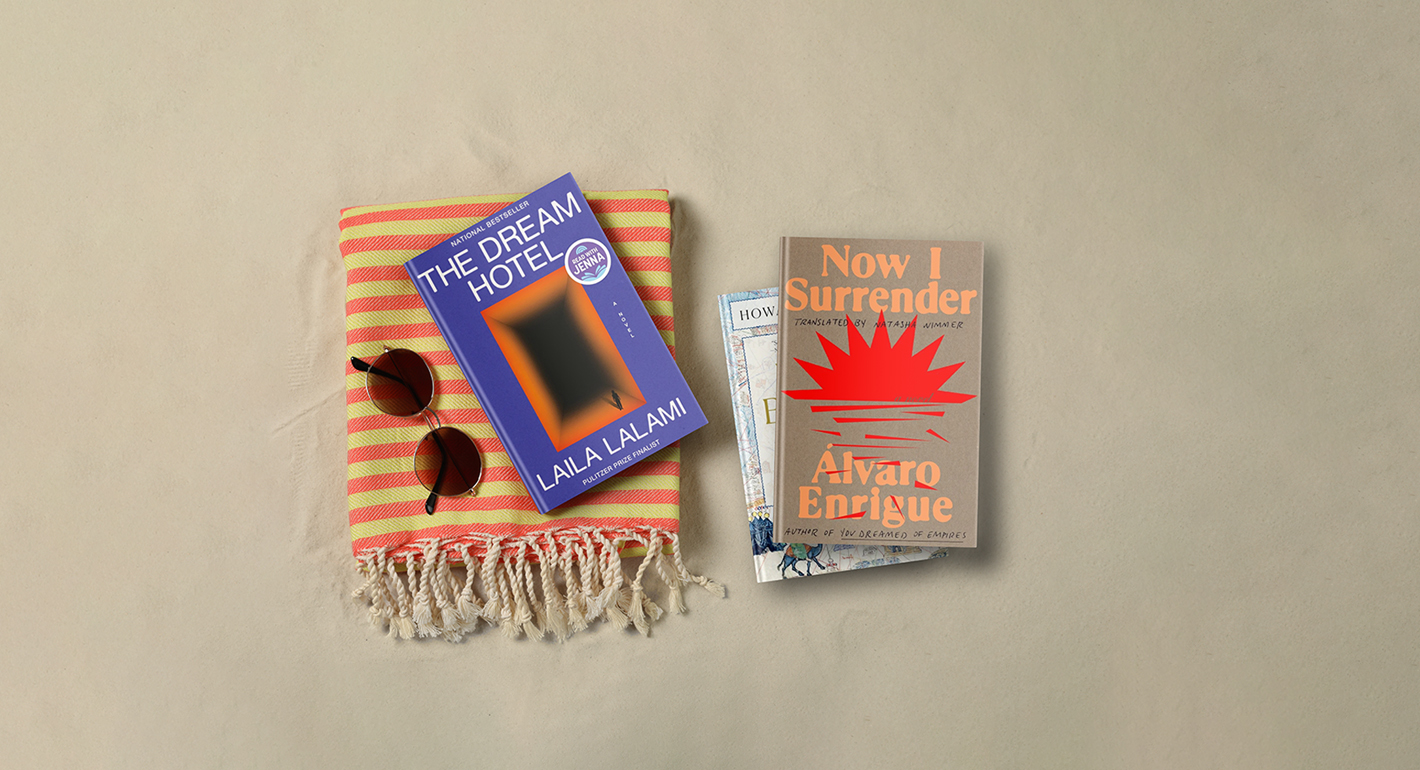
Carnegie experts recommend the books that kept them turning pages—and learning along the way.
- +8
Sophia Besch, Eric Ciaramella, Steve Feldstein, …
{
  "authors": [
    "Neha Ansari"
  ],
  "type": "legacyinthemedia",
  "centerAffiliationAll": "dc",
  "centers": [
    "Carnegie Endowment for International Peace"
  ],
  "collections": [],
  "englishNewsletterAll": "ctw",
  "nonEnglishNewsletterAll": "",
  "primaryCenter": "Carnegie Endowment for International Peace",
  "programAffiliation": "NPP",
  "programs": [
    "Nuclear Policy"
  ],
  "projects": [],
  "regions": [
    "South Asia",
    "India",
    "Pakistan"
  ],
  "topics": [
    "Foreign Policy"
  ]
}
Source: Getty
The Pakistan army’s divide-and-rule strategy may have created another monster, one that has more resources and resonance and causes more bloodshed.
Source: National
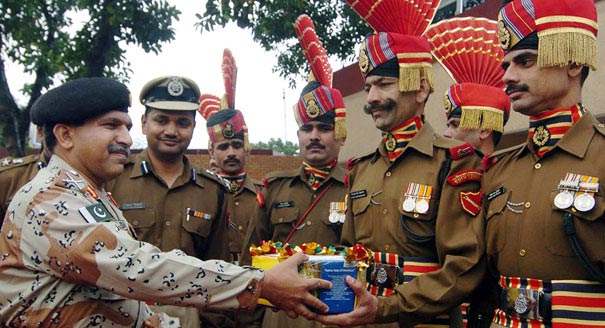
An emotional ceremony took place at the Wagah-Attari border post separating Pakistan and India on November 3, a day after at least 60 lives were lost in a brutal suicide attack. The bomber struck when people were exiting the compound on the Pakistani side after the daily military parade ended at dusk. An attack of this magnitude was the first of its kind since the military began its offensive on June 15.
Neha Ansari
Former Visiting Researcher, Nuclear Policy Program
Neha Ansari is a visiting researcher in Carnegie’s Nuclear Policy Program. Her research focuses on South Asia, particularly strategic relations between Afghanistan, Pakistan, and India.
Carnegie does not take institutional positions on public policy issues; the views represented herein are those of the author(s) and do not necessarily reflect the views of Carnegie, its staff, or its trustees.
Carnegie experts recommend the books that kept them turning pages—and learning along the way.



Sophia Besch, Eric Ciaramella, Steve Feldstein, …

Over the past ten years, NATO has held almost as many summits as it did during the entirety of the Cold War. Are they still useful, or is it time to stop holding annual meetings?

Rym Momtaz, ed.

The move is an escalation of its war on multilateralism.

Stewart Patrick

How is AI reshaping space security, creating governance challenges, and where does international diplomacy stand today?


Tejas Bharadwaj, Almudena Azcárate Ortega
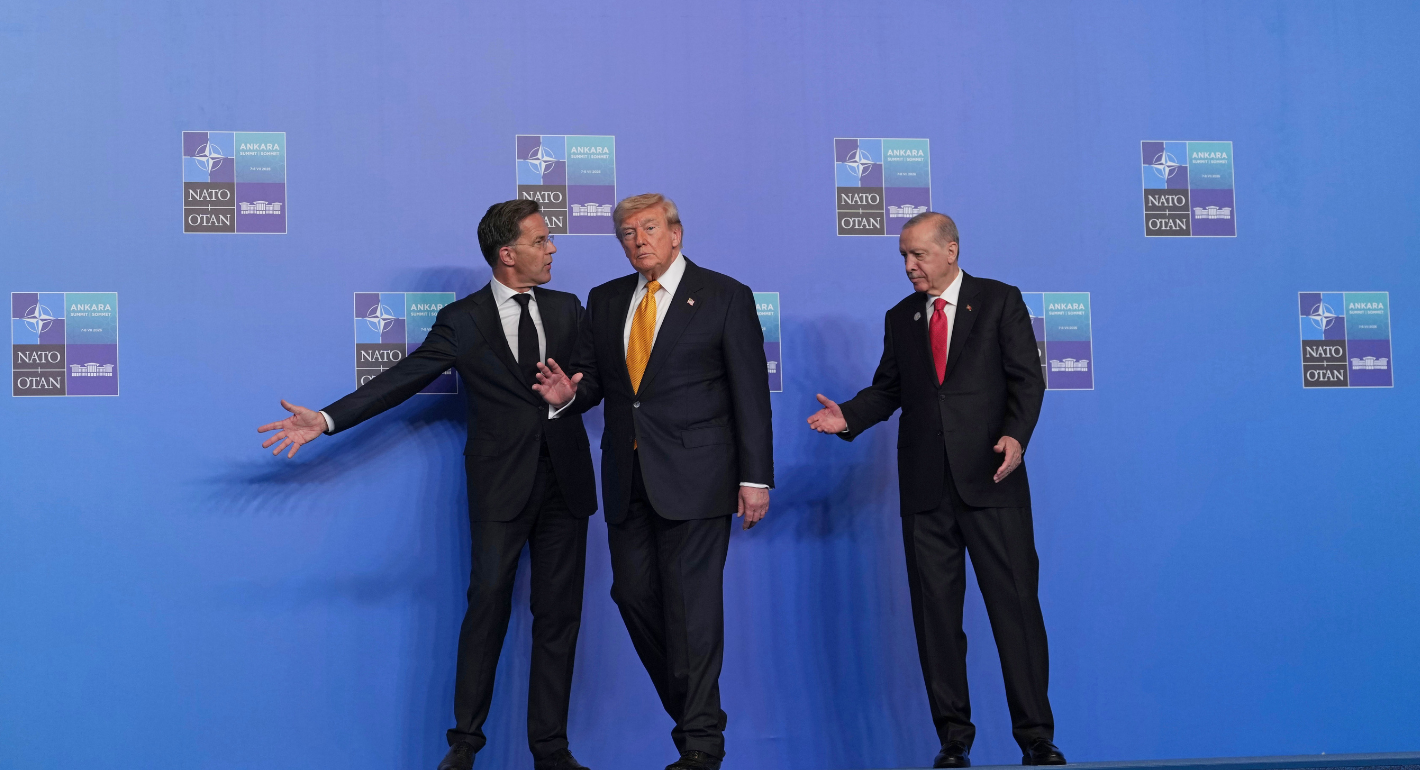
Nearly a year and a half after Europeans leaned into sucking up to Trump, the strategy has produced some benefits when it comes to Ukraine.
Rym Momtaz