

In The Media
David Rothkopf
{
  "authors": [
    "David Rothkopf"
  ],
  "type": "legacyinthemedia",
  "centerAffiliationAll": "",
  "centers": [
    "Carnegie Endowment for International Peace"
  ],
  "collections": [],
  "englishNewsletterAll": "",
  "nonEnglishNewsletterAll": "",
  "primaryCenter": "Carnegie Endowment for International Peace",
  "programAffiliation": "",
  "programs": [],
  "projects": [],
  "regions": [
    "North America",
    "United States",
    "China",
    "Russia"
  ],
  "topics": [
    "Foreign Policy"
  ]
}
Source: Getty
Tonight when you turn on the news, some of it is likely to look a lot like “The Global Elite’s Funniest Home Videos.” But as you gawk and click and click again, remember it's not the media that are at fault. It’s you.
Source: CNN
It takes a real man to make the moves on the wife of the most powerful man in the biggest country in the world. Especially when the wife is a civilian major general, her husband is sitting next to her, at the Asia-Pacific Economic Cooperation summit in Beijing, hobnobbing with the President of the United States and the entire event is being televised.
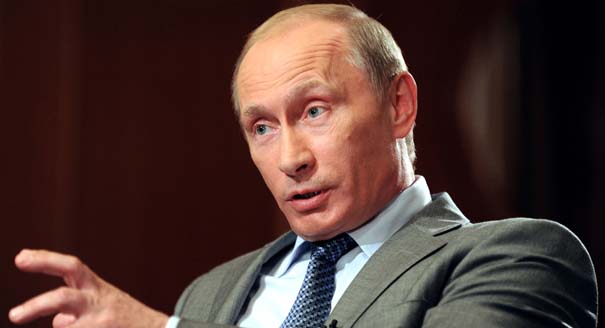
But if 2014 has taught us anything it is that Vladimir Putin is a real man. From grabbing Crimea to finagling a featured role in the Olympic opening ceremonies for his gymnast girlfriend, he has flexed his political muscles as often as his pecs, and according to The Guardian newspaper has become "a heart-throb among many Chinese women for his macho, man-of-action image."
And the social media-obsessed hordes on the Internet loved it. They loved him draping a shawl over the chilly shoulders of Peng Liyuan on Monday. They loved her taking it. They loved that China's censors later concluded it didn't show their leader, President Xi Jinping, in a good light as a husband (too inattentive) and decided to block the footage within China. Never mind Ebola, ISIS, a historic greenhouse gas deal reached between China and the United States, or anything else about the actual meeting of world leaders that Putin, Xi and President Barack Obama were attending. This small act of courtesy by the scourge of Crimea showed him as adept at grabbing headlines as he is neighboring territories.What does Putin know that others, like Obama, for whom the China meeting is more of a respite from the news than a high-profile visit, do not? Perhaps it is that the viewing public is essentially an adolescent boy. Or more properly, the audiences of the world are -- despite cultural and demographic differences -- pretty much just like the idiots that sat in the back of your eighth-grade history class snoozing through the substance but tittering through anything off-color and titillated by explosion, fights and mayhem.
It used to be said that your better newspapers were written to be readable at an eighth-grade reading level. Nowadays in the world of immersive social media, 140-character tweets and never-ending video from smartphones and live feeds worldwide, what does reading have to do with it. The audience giggles and laughs for the same reason they did in Miss Groenwald's class. Because everyone else was doing it.
How else do you explain that television producers and Web pundits thought that one subject worthy of debate was a video showing Obama chewing gum at the same APEC meeting in Beijing. Trade talks? Please. The President appeared undignified to some Chinese observers with a taste for the trivial. Said one Chinese social media commentator, "We made this meeting so luxurious, with singing and dancing, but see Obama, stepping out of his car chewing gum like an idler."
Needless to say, some of America's more right-wing news organizations picked up on the story because it showed Obama in a bad light -- as if plunging popularity ratings and a drubbing in the polls were not enough. Ha. The teacher's socks don't match, Mindy has last year's backpack. That's way more important than, like, geopolitics.
This is not entirely new. When George H.W. Bush threw up on the Prime Minister of Japan on a trip awhile back or when Gerald Ford stumbled down a flight of stairs even longer ago, the gaffes became memes, defining these two notable public servants more so than many of their biggest accomplishments.
But in recent years, the frequency and ridiculousness of the incidents seem to have accelerated. Whether it is George W. Bush massaging German Chancellor Angela Merkel's shoulders at a summit, or Obama grabbing a selfie with Denmark's attractive Prime Minister at a memorial service for Nelson Mandela, to the apparent displeasure of Michelle Obama, world leader outtakes have become pure click bait.
Which is why tonight when you turn on the news, some of it is likely to look a lot like "The Global Elite's Funniest Home Videos."
But as you gawk and click and click again, remember it's not the media that are at fault. It's you. You're the one who chose to sit in the back of the class with the other nitwits.
Former Visiting Scholar
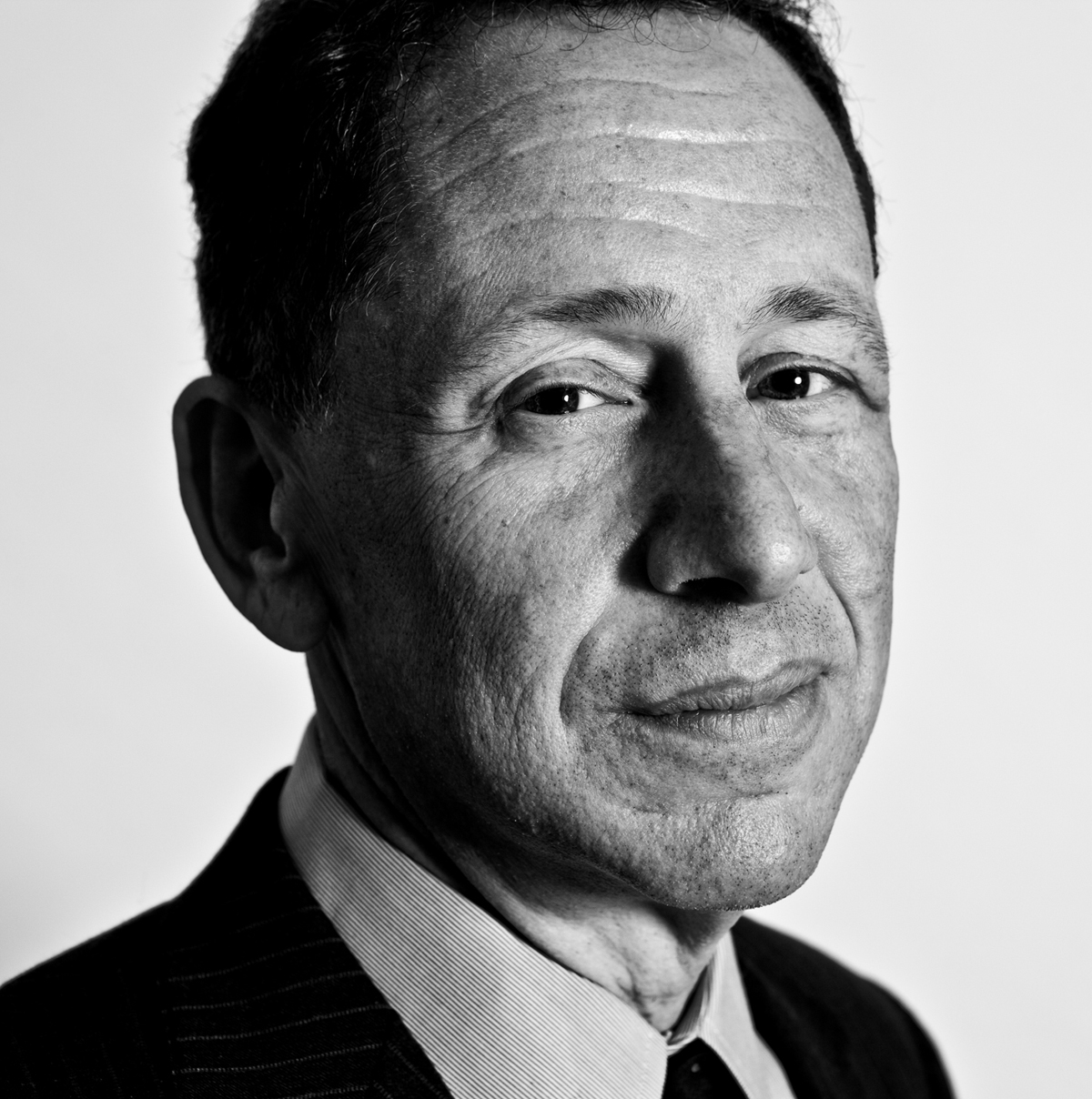
David Rothkopf was a visiting scholar at the Carnegie Endowment as well as the former CEO and editor in chief of the FP Group.
Recent Work
David Rothkopf
David Rothkopf
Carnegie does not take institutional positions on public policy issues; the views represented herein are those of the author(s) and do not necessarily reflect the views of Carnegie, its staff, or its trustees.

A leak of Russian gas price data helps establish that China is paying Russia far less than Central Asian countries and Gazprom’s former European customers.

Sergey Vakulenko

China’s political future will be shaped between now and next October. As the Communist Party enters its intense “campaign season” to prepare for a major political transition in 2027, reading Beijing's actions and responses may become more difficult as domestic politics weigh on its behavior more than usual.

Damien Ma

The EU can impose sanctions but struggles to enforce them without the United States. With Washington increasingly disinterested in backing European interests, the bloc must now fend for itself.


Nicu Popescu, Tiago Antunes
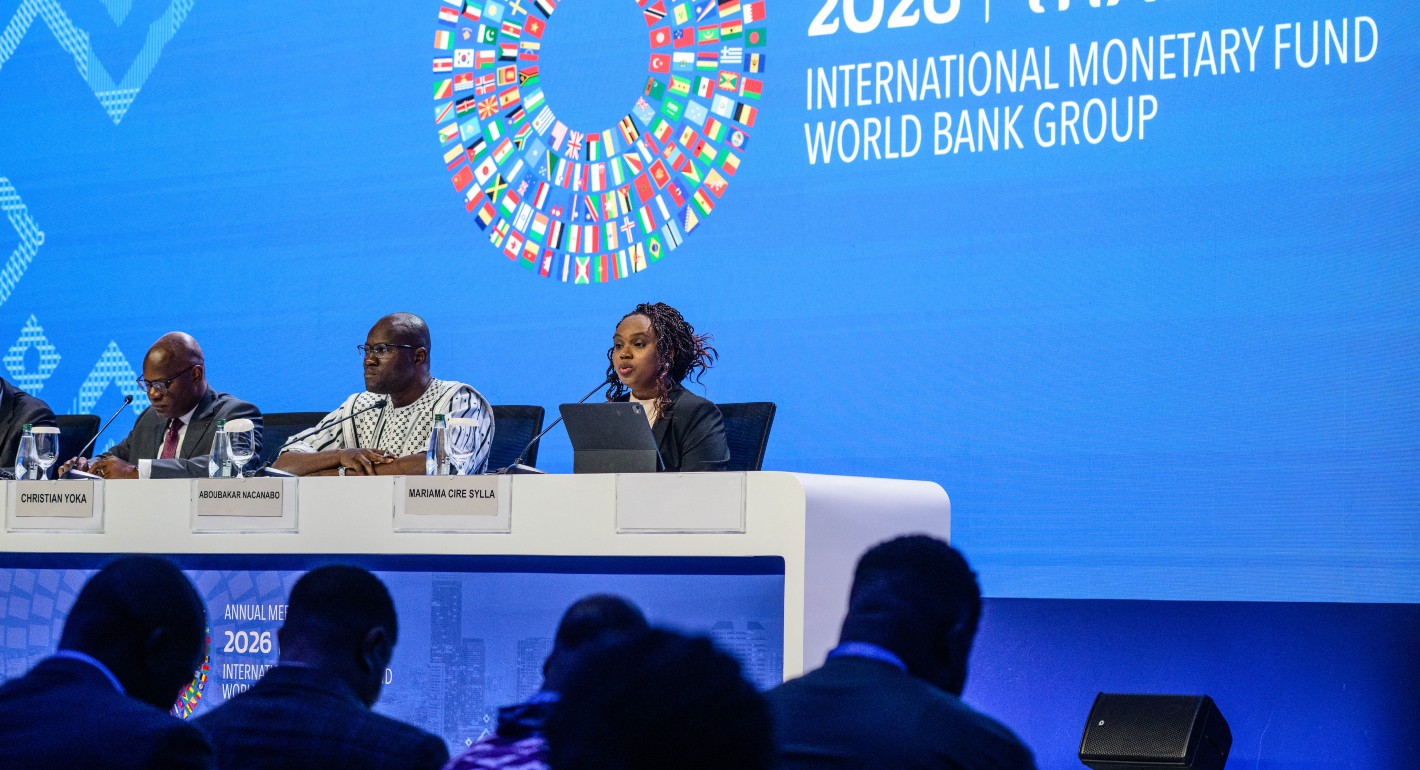
Global and rising powers will need to engage with Africa’s priorities and agency in order to secure the continent’s increasingly attractive partnerships.
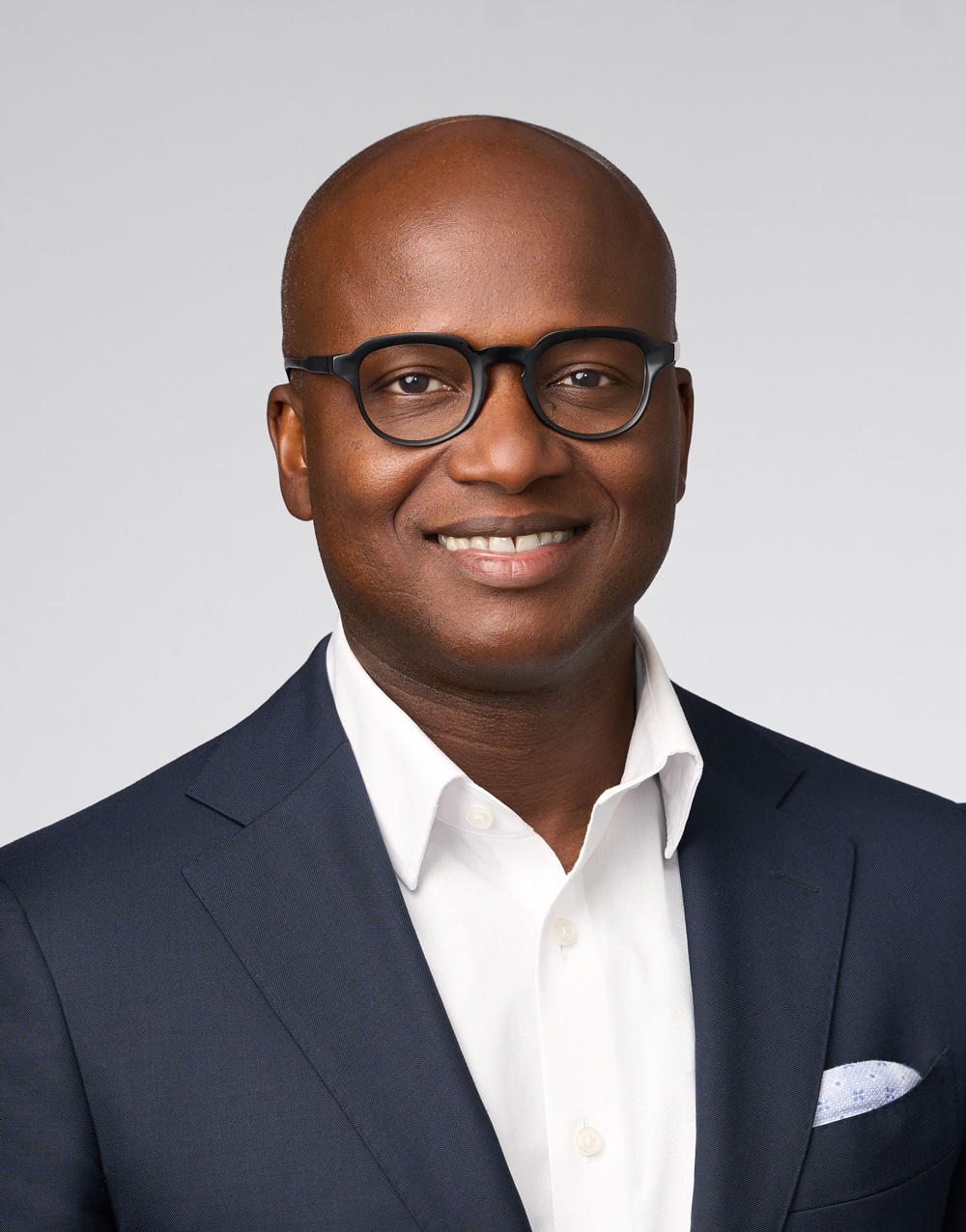
Fonteh Akum

Rubio’s recent visit brought welcome attention, but more capital requires governance changes that may be a hard sell for regional governments.

Jennifer B. Murtazashvili