

Paper
James L. Schoff, Douglas E. Rake, Joshua Levy
{
  "authors": [
    "James L. Schoff"
  ],
  "type": "legacyinthemedia",
  "centerAffiliationAll": "dc",
  "centers": [
    "Carnegie Endowment for International Peace"
  ],
  "collections": [],
  "englishNewsletterAll": "asia",
  "nonEnglishNewsletterAll": "",
  "primaryCenter": "Carnegie Endowment for International Peace",
  "programAffiliation": "AP",
  "programs": [
    "Asia"
  ],
  "projects": [],
  "regions": [
    "East Asia",
    "Japan"
  ],
  "topics": [
    "Economy"
  ]
}
Source: Getty
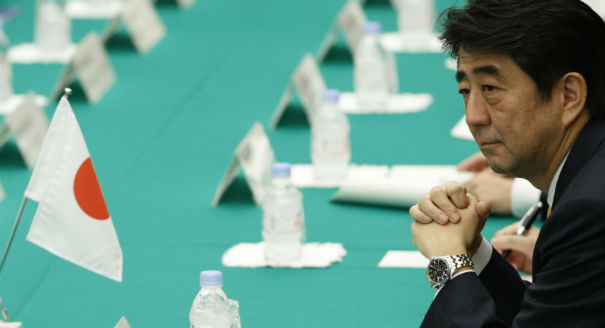
The December 2014 election has given Abe four more years until the next election. This potentially gives Abe the time needed to implement unpopular economic measures like structural reform in Japan.
Source: BloombergTV
In light of the low voter turnout in Japan’s December 2014, billed as a referendum on Prime Minister Abe’s economic policies known as “Abenomics,” Carnegie’s Jim Schoff was asked whether Abe should feel reaffirmed that his policies are what the Japanese people want. Schoff responded that the critical thing for Abe was that this election gave him a total of four years until needing another election, to implement his policies as a sort of “preemptive strike” against the uncoordinated opposition parties. Schoff said that Abe could now take the more unpopular steps and recover with a more productive economy. He added that Abe might take a number of specific short-term steps, such as implement a fiscal stimulus (around $25 billion) and a corporate tax cut so that the rate would be at a low of 20 percent. Schoff finished by saying that in the long-term Abe is looking to tackle deregulation in the electricity sector and also tackle the more entrenched issues of agriculture reform and healthcare reform.
Former Senior Fellow, Asia Program
James L. Schoff was a senior fellow in the Carnegie Asia Program. His research focuses on U.S.-Japan relations and regional engagement, Japanese technology innovation, and regional trade and security dynamics.
Recent Work
James L. Schoff, Douglas E. Rake, Joshua Levy
James L. Schoff
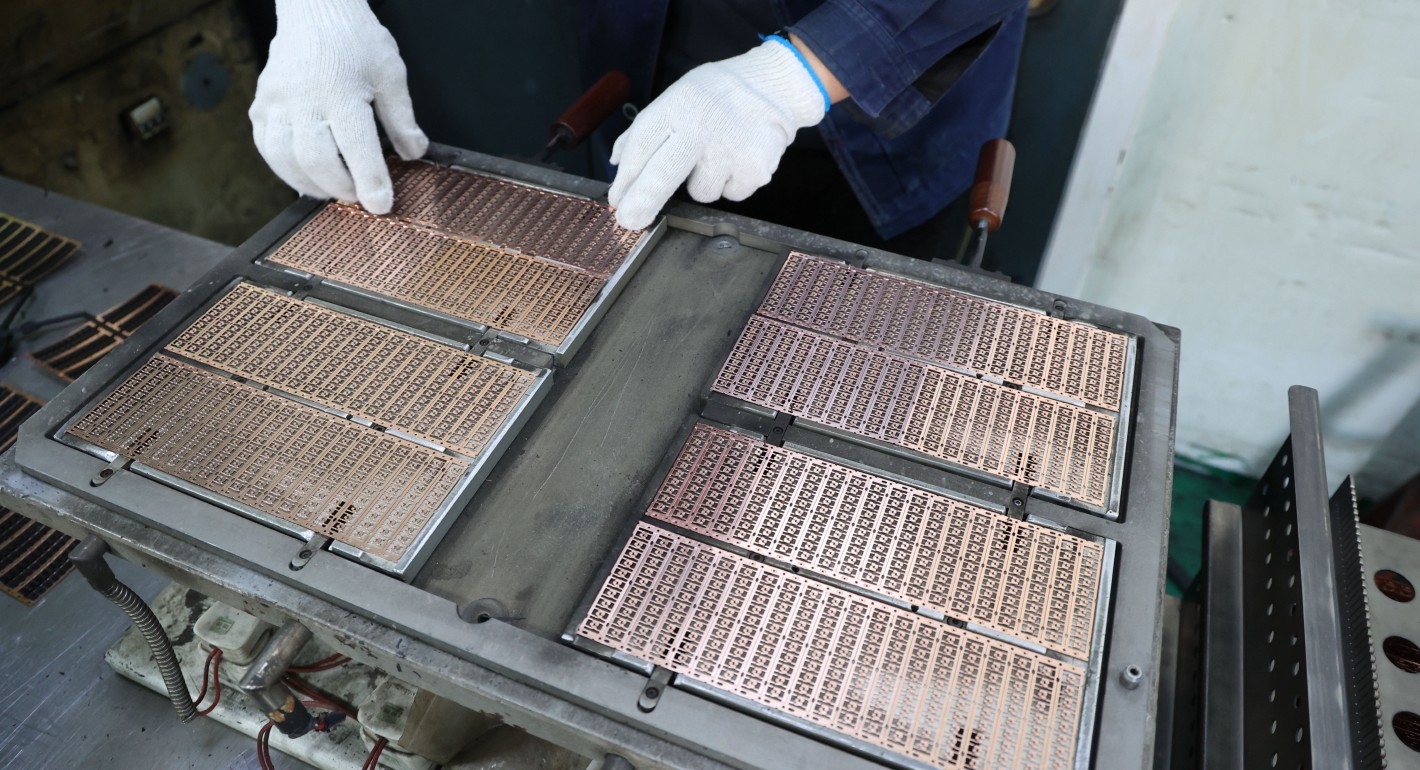
The Bureau of Industry and Security needs to adjust its focus and practices to maintain its position as the U.S. government’s primary champion of international technological competition.
Geoffrey Irving

Depleted financial reserves and a shrinking tax base mean it is no longer possible to simultaneously deliver high defense spending, price stability, and economic growth.

Alexandra Prokopenko

U.S. trading partners in Asia are closely watching the dispute for signs of how it may affect their own interests.

Barbara Weisel
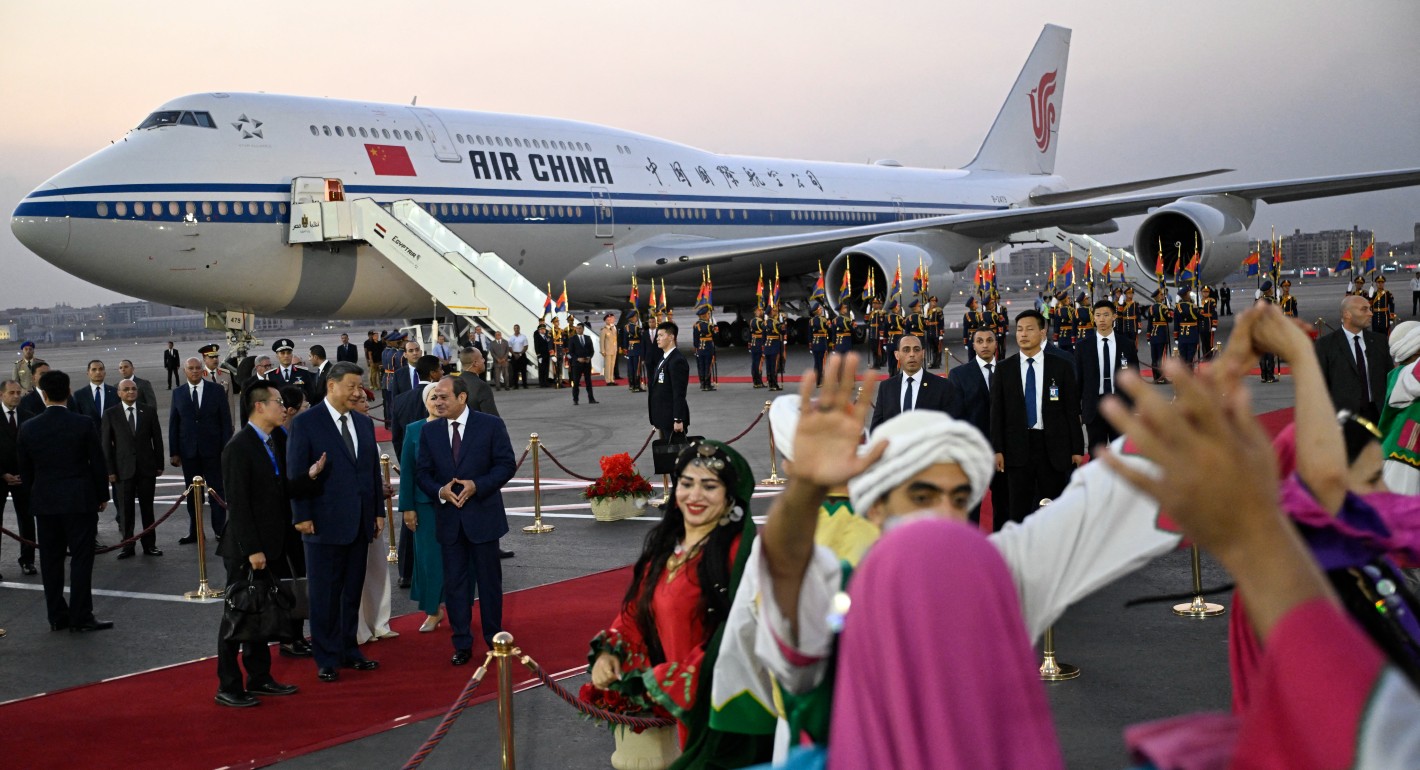
Amid celebrations of bilateral ties was a deeper focus on stability in the Middle East.

Amr Hamzawy

Xi, Putin, and other regional leaders are back-slapping in Bishkek, but the SCO has yet to answer the most serious questions about continental Asia's economic future.

Evan A. Feigenbaum