

Article
Frederic Wehrey, Charles H. Johnson
{
  "authors": [
    "Frederic Wehrey"
  ],
  "type": "legacyinthemedia",
  "centerAffiliationAll": "dc",
  "centers": [
    "Carnegie Endowment for International Peace",
    "Malcolm H. Kerr Carnegie Middle East Center"
  ],
  "collections": [],
  "englishNewsletterAll": "menaTransitions",
  "nonEnglishNewsletterAll": "",
  "primaryCenter": "Carnegie Endowment for International Peace",
  "programAffiliation": "MEP",
  "programs": [
    "Middle East"
  ],
  "projects": [],
  "regions": [
    "North Africa",
    "Libya",
    "Maghreb"
  ],
  "topics": [
    "Security"
  ]
}
Source: Getty
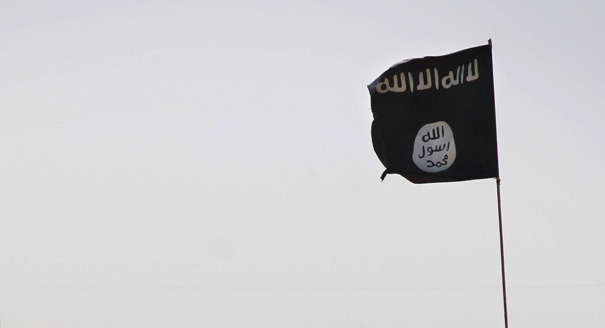
The chaos in Libya continues to have a negative impact on the region. Recently, a boat carrying immigrants from Libya to Italy was capsized and the Islamic State killed Ethiopian Christians.
Source: WNYC's Brian Lehrer Show
Speaking on WNYC’s Brian Lehrer Show, Carnegie’s Frederic Wehrey discussed important recent developments in Libya, including the capsized boat carrying immigrants from Libya to Italy and the killing of Ethiopian Christians in Libya by the self-proclaimed Islamic State. Wehrey explained that much of the ongoing chaos in Libya is the results of failed efforts to stabilize the country after the fall of Qaddafi. While the United States and the international community has not provided enough support to Libya after Qaddafi, the political and other divisions among Libyans, as well as their lack of experience in governance, has led to the ongoing chaos, he concluded.
This interview was originally broadcast by WNYC’s Brian Lehrer Show.
Senior Fellow, Middle East Program
Frederic Wehrey is a senior fellow in the Middle East Program at the Carnegie Endowment for International Peace, where his research focuses on governance, conflict, and security in Libya, North Africa, and the Persian Gulf.
Recent Work
Frederic Wehrey, Charles H. Johnson
Frederic Wehrey, Charles H. Johnson
Carnegie does not take institutional positions on public policy issues; the views represented herein are those of the author(s) and do not necessarily reflect the views of Carnegie, its staff, or its trustees.

Are Germany’s economic, industrial, and political struggles becoming a liability for the EU’s ability to rise to the geopolitical moment?

Rym Momtaz, ed.

China’s police training infrastructure construction projects provide benefits to recipient countries, promote China’s image as a major global security provider, and are likely to reinforce alignment between Beijing’s security priorities and those of countries in the Global South.


Cameron Waltz, Sheena Chestnut Greitens, Kim Nguyen, …
They face an uphill climb, but they could draw on a strategy that other diplomats have used in the past.


Shana Tabak, Alejandro Martin Rodriguez
Understanding the climatic pain points is necessary for policymakers hoping to minimize the war’s negative environmental consequences.


Alejandro Martin Rodriguez, Joy Arkeh, Sarah Yerkes

The books, podcasts, and films that explain the world it made.

Andrew Leber