

Article
Frederic Wehrey, Charles H. Johnson
{
  "authors": [
    "Frederic Wehrey"
  ],
  "type": "legacyinthemedia",
  "centerAffiliationAll": "dc",
  "centers": [
    "Carnegie Endowment for International Peace",
    "Malcolm H. Kerr Carnegie Middle East Center"
  ],
  "collections": [],
  "englishNewsletterAll": "menaTransitions",
  "nonEnglishNewsletterAll": "",
  "primaryCenter": "Carnegie Endowment for International Peace",
  "programAffiliation": "MEP",
  "programs": [
    "Middle East"
  ],
  "projects": [],
  "regions": [
    "North Africa",
    "Libya",
    "Maghreb"
  ],
  "topics": [
    "Security"
  ]
}
Source: Getty
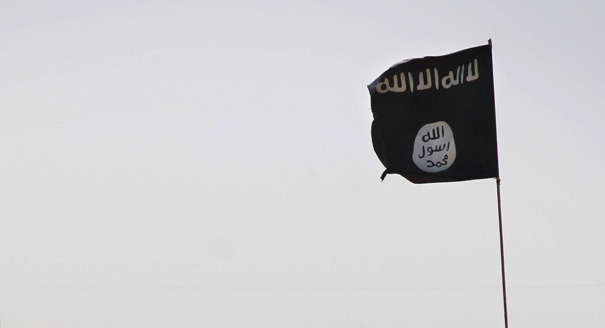
The chaos in Libya continues to have a negative impact on the region. Recently, a boat carrying immigrants from Libya to Italy was capsized and the Islamic State killed Ethiopian Christians.
Source: WNYC's Brian Lehrer Show
Speaking on WNYC’s Brian Lehrer Show, Carnegie’s Frederic Wehrey discussed important recent developments in Libya, including the capsized boat carrying immigrants from Libya to Italy and the killing of Ethiopian Christians in Libya by the self-proclaimed Islamic State. Wehrey explained that much of the ongoing chaos in Libya is the results of failed efforts to stabilize the country after the fall of Qaddafi. While the United States and the international community has not provided enough support to Libya after Qaddafi, the political and other divisions among Libyans, as well as their lack of experience in governance, has led to the ongoing chaos, he concluded.
This interview was originally broadcast by WNYC’s Brian Lehrer Show.

Senior Fellow, Middle East Program
Frederic Wehrey is a senior fellow in the Middle East Program at the Carnegie Endowment for International Peace, where his research focuses on governance, conflict, and security in Libya, North Africa, and the Persian Gulf.
Recent Work
Frederic Wehrey, Charles H. Johnson
Frederic Wehrey, Charles H. Johnson
Carnegie does not take institutional positions on public policy issues; the views represented herein are those of the author(s) and do not necessarily reflect the views of Carnegie, its staff, or its trustees.

The Horn of Africa countries are among those facing a new security calculus.


Andrew Leber, Lesley Anne Warner

The European far right might fail to steer EU policy in the direction Russia wants, but they will create enough chaos inside Europe to benefit the Kremlin.

Dimitar Bechev

The new U.S.–Denmark–Greenland agreement will help Washington exert political, economic, and financial dominance under the guise of security. Yet, it acknowledged Copenhagen’s and Nuuk’s sovereignty on the island.

Marc Pierini

A summer of escalation in the Black Sea has hurt Ukraine economically and is exacerbating world food security. A truce is needed—as is a broader reframing of Europe’s Ukraine strategy.

Thomas de Waal
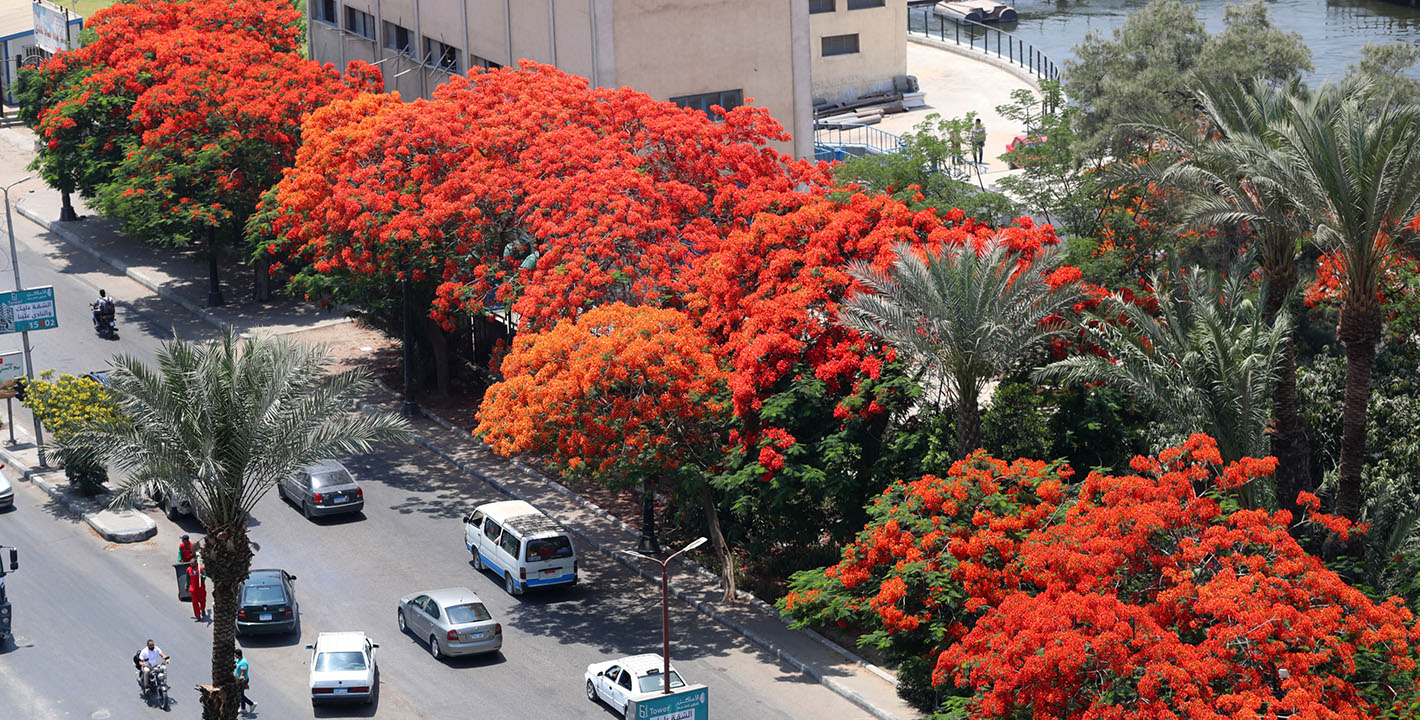
In Egypt’s dense cities, the disappearance of foliage has health implications and punishes daily commuters.

Angie Omar