

Article
C. Raja Mohan, Darshana M. Baruah
{
  "authors": [
    "C. Raja Mohan"
  ],
  "type": "legacyinthemedia",
  "centerAffiliationAll": "dc",
  "centers": [
    "Carnegie Endowment for International Peace",
    "Carnegie India"
  ],
  "collections": [],
  "englishNewsletterAll": "ctw",
  "nonEnglishNewsletterAll": "",
  "primaryCenter": "Carnegie India",
  "programAffiliation": "SAP",
  "programs": [
    "South Asia"
  ],
  "projects": [],
  "regions": [
    "Asia",
    "South Asia",
    "India",
    "Pakistan",
    "East Asia",
    "South Korea",
    "China"
  ],
  "topics": [
    "Foreign Policy"
  ]
}
Source: Getty
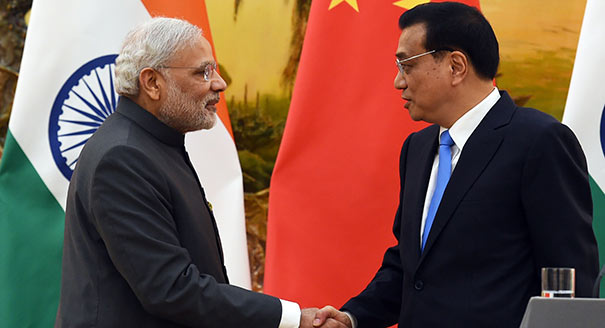
Although geography limits New Delhi’s role in East Asia, Modi is betting India can win friends and partners through active engagement.
Source: Indian Express
After much bonhomie in Beijing, PM Narendra Modi has moved on to raise India’s strategic profile in two key states on China’s periphery — Mongolia and South Korea. Although geography limits New Delhi’s role in East Asia, Modi is betting India can win friends and partners through active engagement. China does the same in South Asia.
President Xi Jinping was showcasing China’s growing clout on the subcontinent when he travelled to Sri Lanka and the Maldives after visiting India last September. He also chose to spend a day in Pakistan last month before receiving Modi. China has long questioned India’s claim to an exclusive sphere of influence in the subcontinent. China’s outreach to Bhutan, the Maldives, Myanmar, Nepal, Pakistan and Sri Lanka has generated much concern in Delhi.
Beijing’s attempt to cultivate India’s neighbours and Delhi’s efforts to do the same in China’s backyard reflect an important feature of international relations. All major powers want to consolidate their primacy in their immediate neighbourhood and challenge the dominance of a rival power. This law of international politics has a corollary. Small countries next to big powers seek a measure of strategic autonomy by reaching out to distant powers. This tension varies from region to region.In Latin America, the US has faced few challengers to its primacy. In Europe, the West successfully rolled back Russian influence after the Cold War; President Vladimir Putin is now trying to restore it. In Central Asia, shared distrust of the West has nudged Moscow and Beijing towards a regional duopoly through the Shanghai Cooperation Organisation. In East Asia, China is challenging the US’s economic and strategic domination.
In South Asia, Delhi and Beijing have long accused each other of “strategic encirclement”. The rise of China and the emergence of India has sharpened this trend. It is no wonder India views China’s “one belt, one road” with much geopolitical suspicion. Similarly, China does not view with kindness the ideas for an “Indo-Pacific Corridor” that India wants to develop with America and Japan.
Much in the manner that India’s neighbours are ready to cosy up to Beijing, so would many of China’s neighbours — from Mongolia to Vietnam and Myanmar to the Philippines — like to deepen ties with Delhi. The problem for India has not been the lack of opportunity, but the political will and resources to play the great game. Modi seems more willing than some of his recent predecessors.
But the Sino-Indian regional rivalry need not necessarily end in conflict. There has been growing recognition in both Delhi and Beijing that they need to have better understanding of each other’s policies and intentions. As Modi said in Beijing, India and China “should be sensitive to each other’s interests; strengthen mutual trust and confidence; continue to manage our differences with maturity”.
The joint statement issued by Modi and Xi captures some of this spirit. Despite the presumption of Sino-Indian rivalry in the subcontinent, Modi said he and Chinese leaders have “agreed to broaden cooperation in Saarc”. Even more important was Modi’s declaration in Beijing that “our decision to enhance strategic communication and coordination on our region is especially significant”. Modi is conscious of the need for greater regional connectivity and has left room for future collaboration with Beijing on regional transborder projects.
Although Pakistan has long been a problem in Sino-Indian relations, Modi explored the potential for limiting Pakistan’s salience in Delhi’s engagement with Beijing. As he emphasised, “terrorism is a shared threat” and that “peace and progress in Afghanistan benefits us both”. Amid a rapidly deteriorating situation in Afghanistan and growing doubts about Rawalpindi’s ability, China is seeking a leadership role in Afghanistan. In the past, Delhi would have seen this as a manifestation of the “Sino-Pak nexus”. Modi, instead, is seeking to expand the dialogue with China on the biggest emerging challenge to South Asian security.
This article was originally published in the Indian Express.
Former Nonresident Senior Fellow, Carnegie India
A leading analyst of India’s foreign policy, Mohan is also an expert on South Asian security, great-power relations in Asia, and arms control.
Recent Work

C. Raja Mohan, Darshana M. Baruah


Alexander Gabuev, Paul Haenle, C. Raja Mohan, …
Carnegie does not take institutional positions on public policy issues; the views represented herein are those of the author(s) and do not necessarily reflect the views of Carnegie, its staff, or its trustees.
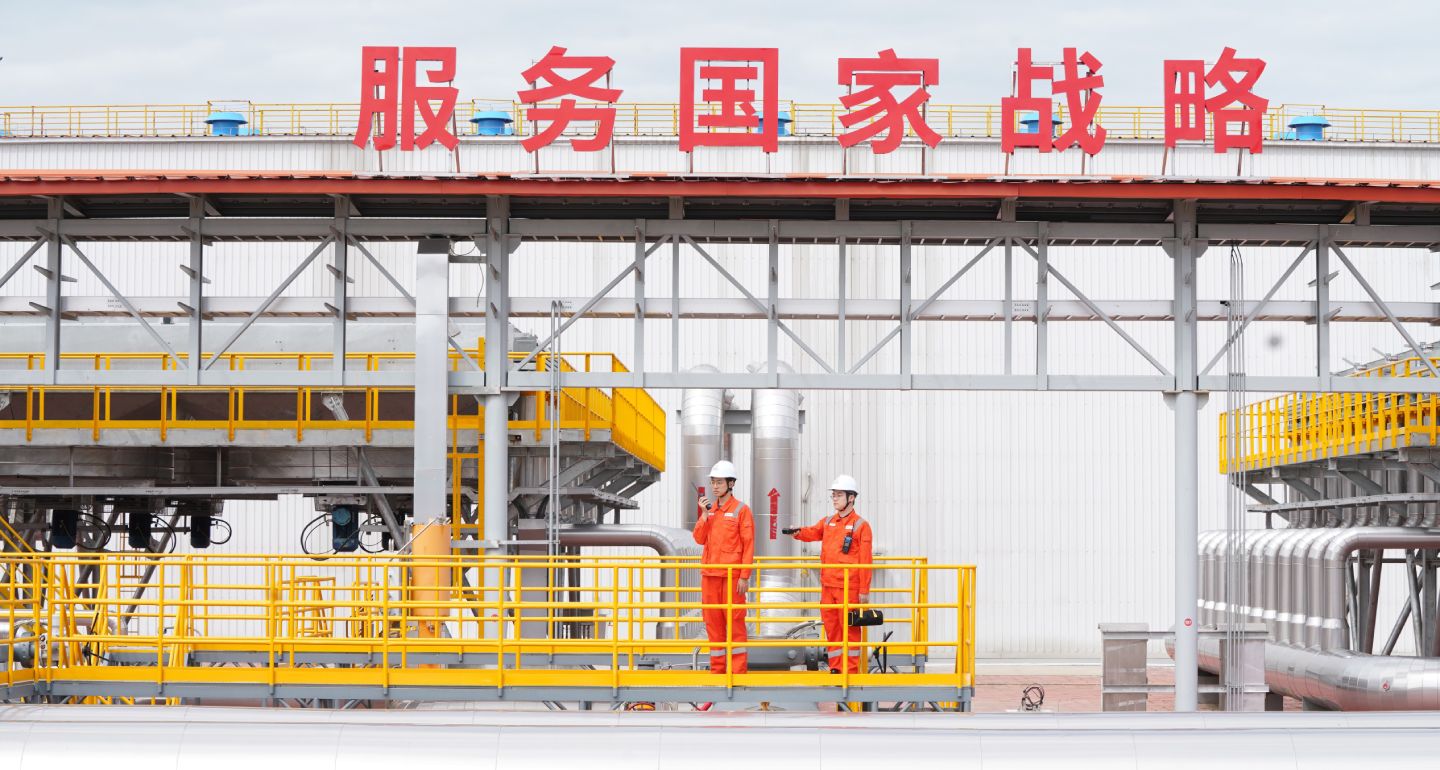
A leak of Russian gas price data helps establish that China is paying Russia far less than Central Asian countries and Gazprom’s former European customers.

Sergey Vakulenko

China’s political future will be shaped between now and next October. As the Communist Party enters its intense “campaign season” to prepare for a major political transition in 2027, reading Beijing's actions and responses may become more difficult as domestic politics weigh on its behavior more than usual.

Damien Ma

The EU can impose sanctions but struggles to enforce them without the United States. With Washington increasingly disinterested in backing European interests, the bloc must now fend for itself.


Nicu Popescu, Tiago Antunes
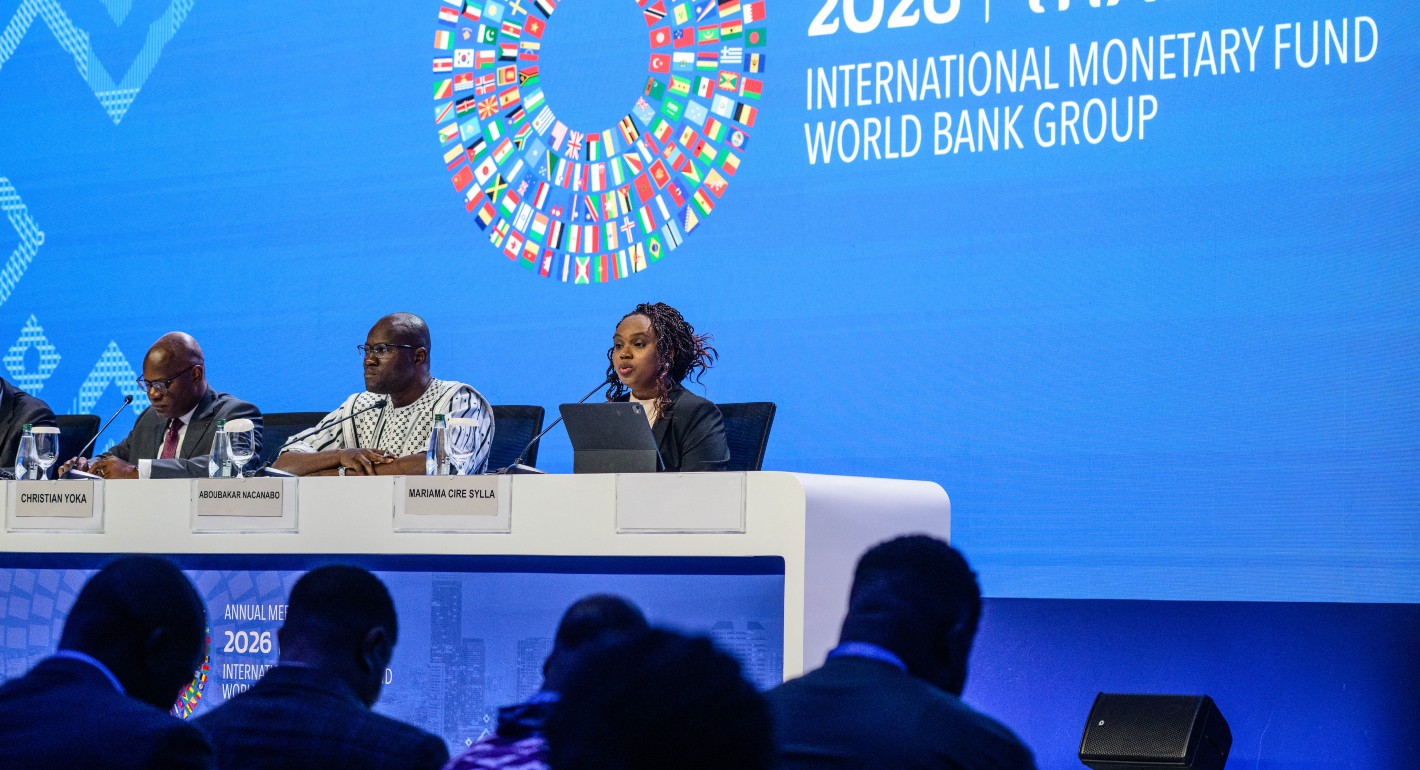
Global and rising powers will need to engage with Africa’s priorities and agency in order to secure the continent’s increasingly attractive partnerships.
Fonteh Akum

Rubio’s recent visit brought welcome attention, but more capital requires governance changes that may be a hard sell for regional governments.

Jennifer B. Murtazashvili