

Article
C. Raja Mohan, Darshana M. Baruah
{
  "authors": [
    "C. Raja Mohan"
  ],
  "type": "legacyinthemedia",
  "centerAffiliationAll": "dc",
  "centers": [
    "Carnegie Endowment for International Peace",
    "Carnegie India"
  ],
  "collections": [],
  "englishNewsletterAll": "ctw",
  "nonEnglishNewsletterAll": "",
  "primaryCenter": "Carnegie India",
  "programAffiliation": "SAP",
  "programs": [
    "South Asia"
  ],
  "projects": [],
  "regions": [
    "South Asia",
    "India"
  ],
  "topics": [
    "Foreign Policy"
  ]
}
Source: Getty
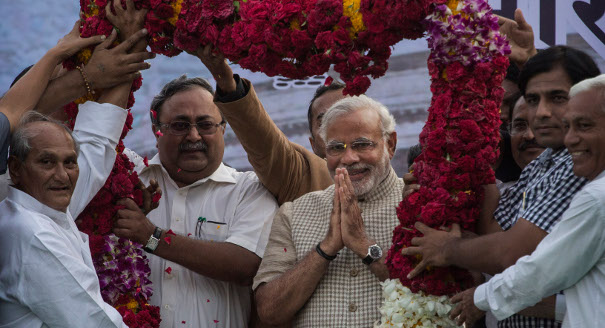
The impressive participation around the world on International Yoga Day is indeed a testimony to India’s immense reservoir of soft power.
Source: Indian Express
The impressive participation around the world on International Yoga Day is indeed a testimony to India’s immense reservoir of soft power. In his energetic engagement with world leaders, Prime Minister Narendra Modi has put a special emphasis on cultural diplomacy. Modi should, however, remember that India’s soft power has the greatest impact when official New Delhi keeps its heavy hand away from it.
India is not new to cultural diplomacy. India’s self-discovery of its rich cultural heritage and its global reach played an important role in shaping its modern nationalism. Its civilisational riches attracted artists, writers and philosophers from far and wide. India’s first PM Jawaharlal Nehru was quick to recognise the value of cultural diplomacy. He and Abul Kalam Azad, who was minister of eduction in Nehru’s first cabinet, set up the Indian Council for Cultural Relations in 1950. The ICCR has done much since to showcase India’s civilisational heritage.
Rajiv Gandhi gave a new momentum to India’s cultural diplomacy when he launched the festivals of India around the world. Amid India’s globalisation and the intensification of its global footprint since the 1990s, there has been growing popular interest in India’s culture — from yoga to cuisine and from Bollywood to contemporary art. The economic success of the Indian diaspora, especially in the developed Western world, has tended to boost India’s soft power.Thanks to the significant economic expansion in the middle of the last decade, the UPA government began to devote more resources to India’s cultural outreach and public diplomacy. The resource crunch in the latter part of the decade has, however, tended to squeeze those initiatives.
As Modi imparts a fresh momentum to India’s cultural diplomacy, Delhi could learn a set of useful dos and don’ts from China’s massive cultural diplomacy over the last decade. As one of the oldest continuing civilisations, China has always had much to offer other societies. Chinese statecraft, which dates back two millennia, has a deep understanding of what we now call “soft power”. Mao’s Cultural Revolution, however, broke that tradition by attacking the very symbols of Chinese civilisation. His successors have now put culture back at the centre of China’s international relations. Making China a “global cultural superpower” is now the avowed aim of the Chinese Communist Party.
As China raced to become one of the leading economies, cultural diplomacy became an important complement to Beijing’s “go out” strategy. Over the last decade, Xinhua, once the classic example of a “staid socialist news agency”, acquired global reach and influence. China’s state-owned CCTV network launched international TV channels in English, French, Spanish, Arabic and Russian. Beijing has also set up nearly 500 Confucius Centres to teach Mandarin and present Chinese culture to international audiences. China is supposed to spend close to $10 billion on external propaganda, nearly 15 times larger than the US State Department’s “public diplomacy”.
Yet, the returns on Chinese investments have been meagre. International surveys show a decline in positive sentiment about China over the last decade. Communist China inspires awe, but not much love. Western nations continue to lead the charts on soft power. Put simply, it’s not easy to translate soft power potential into policy gains.
Unlike hard power, which encompasses military and economic means, soft power is about culture and values. Harvard professor Joseph Nye, who popularised the term “soft power” nearly a quarter of a century ago, defines it as “the ability to get what you want through attraction rather than coercion or payments.”
Governments can easily leverage the instruments of hard power. But soft power, which emanates from deep societal structures, is rather intangible. To be sure, there are things that the government of India can do — ranging from visa liberalisation to nurturing the nation’s rich heritage and modernising its cultural infrastructure. But Delhi should learn to stay out of the business of “promoting” it. Much like propaganda, which works best when it’s not seen as such, soft power strategies are most effective when they are subtle and indirect.
This article was originally published by the Indian Express.
Former Nonresident Senior Fellow, Carnegie India
A leading analyst of India’s foreign policy, Mohan is also an expert on South Asian security, great-power relations in Asia, and arms control.
Recent Work

C. Raja Mohan, Darshana M. Baruah


Alexander Gabuev, Paul Haenle, C. Raja Mohan, …
Carnegie does not take institutional positions on public policy issues; the views represented herein are those of the author(s) and do not necessarily reflect the views of Carnegie, its staff, or its trustees.
The incoming government has swept Nepal’s election. The real work begins now.
Amish Raj Mulmi
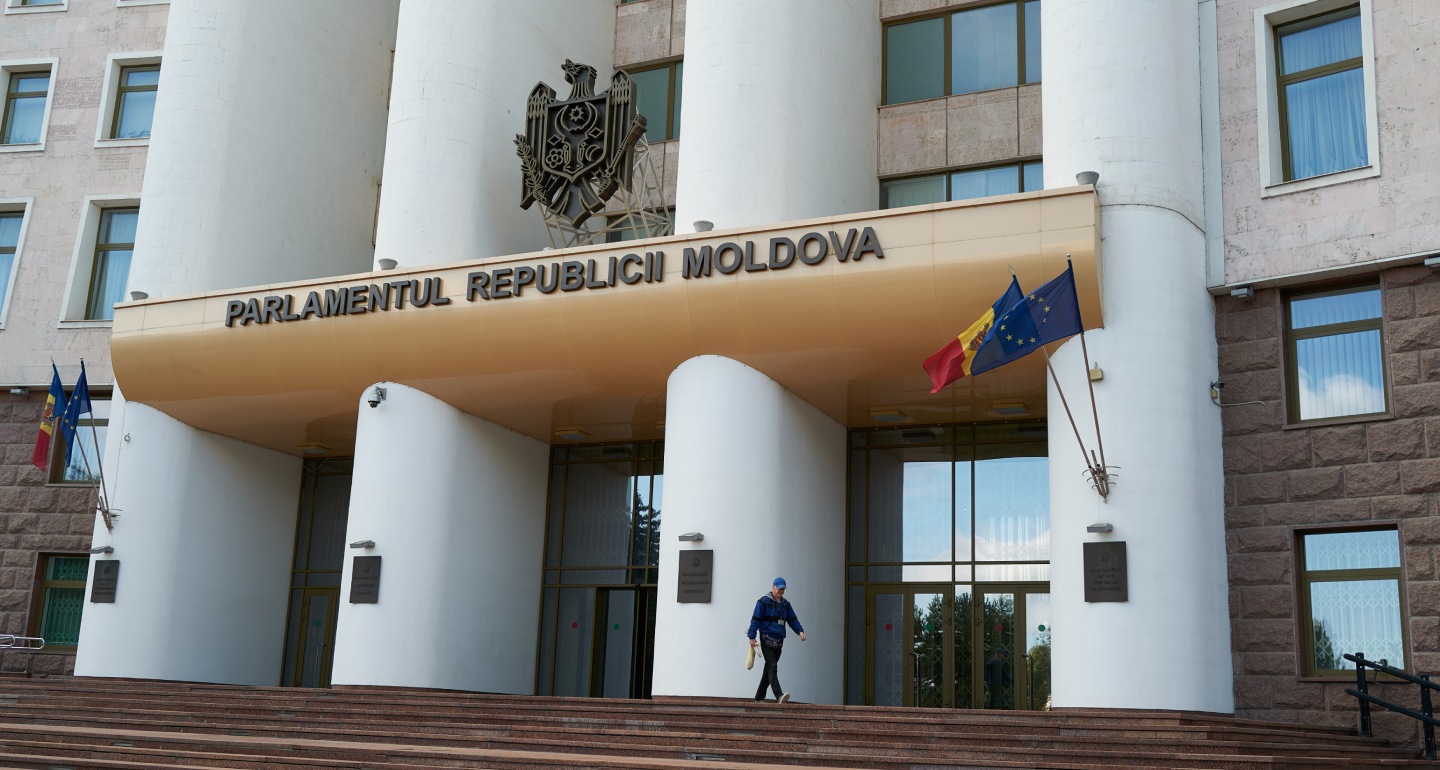
Moldova’s reintegration plan was drawn up to demonstrate to Brussels that Chișinău is serious about the Transnistria issue—and to get the West to react.

Vladimir Solovyov
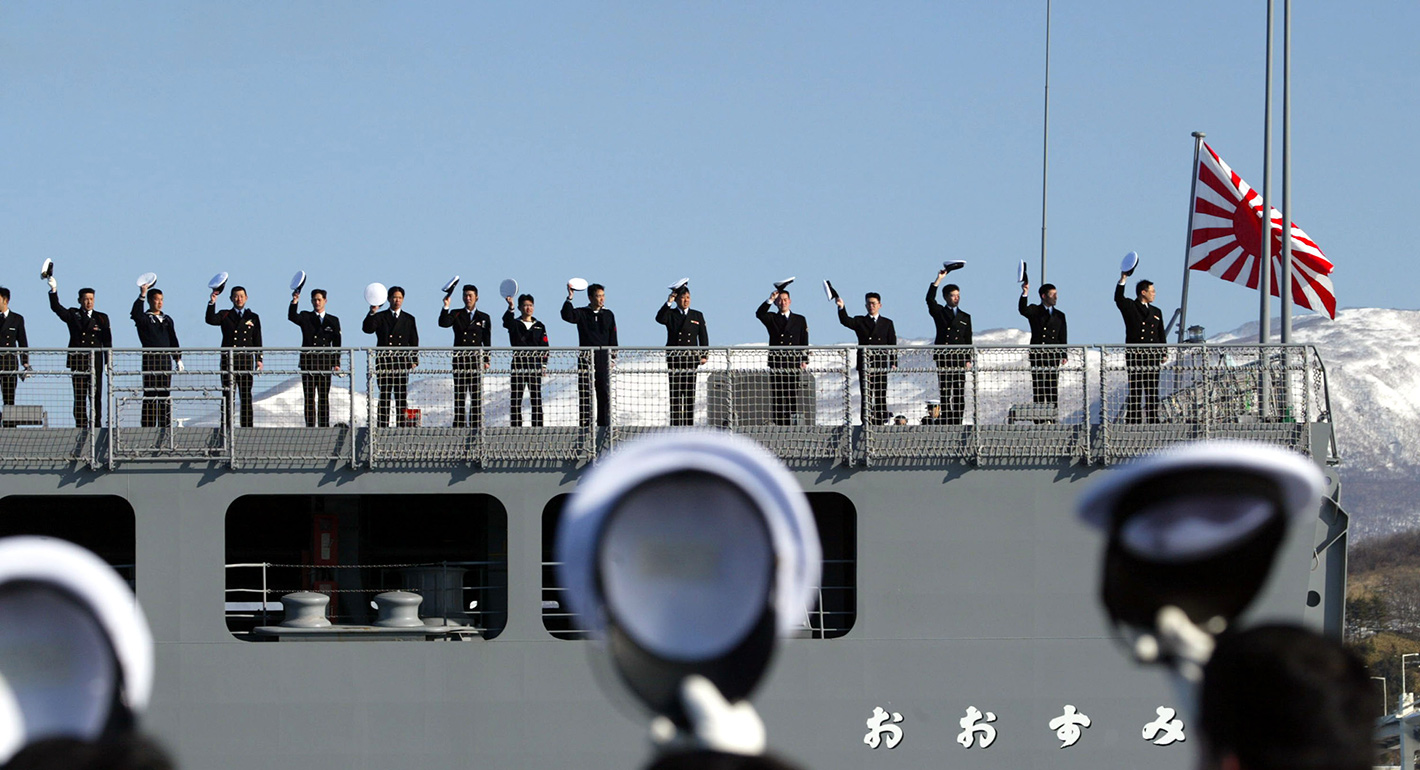
Japan’s response to U.S. pressure over Hormuz highlights a broader dilemma: How to preserve the alliance while remaining bound by legal limits, public opinion, and an Asia-centered security agenda. Tokyo gained diplomatic space through an alliance-embracing strategy, but only under conditions that may not endure.
Ryo Sahashi
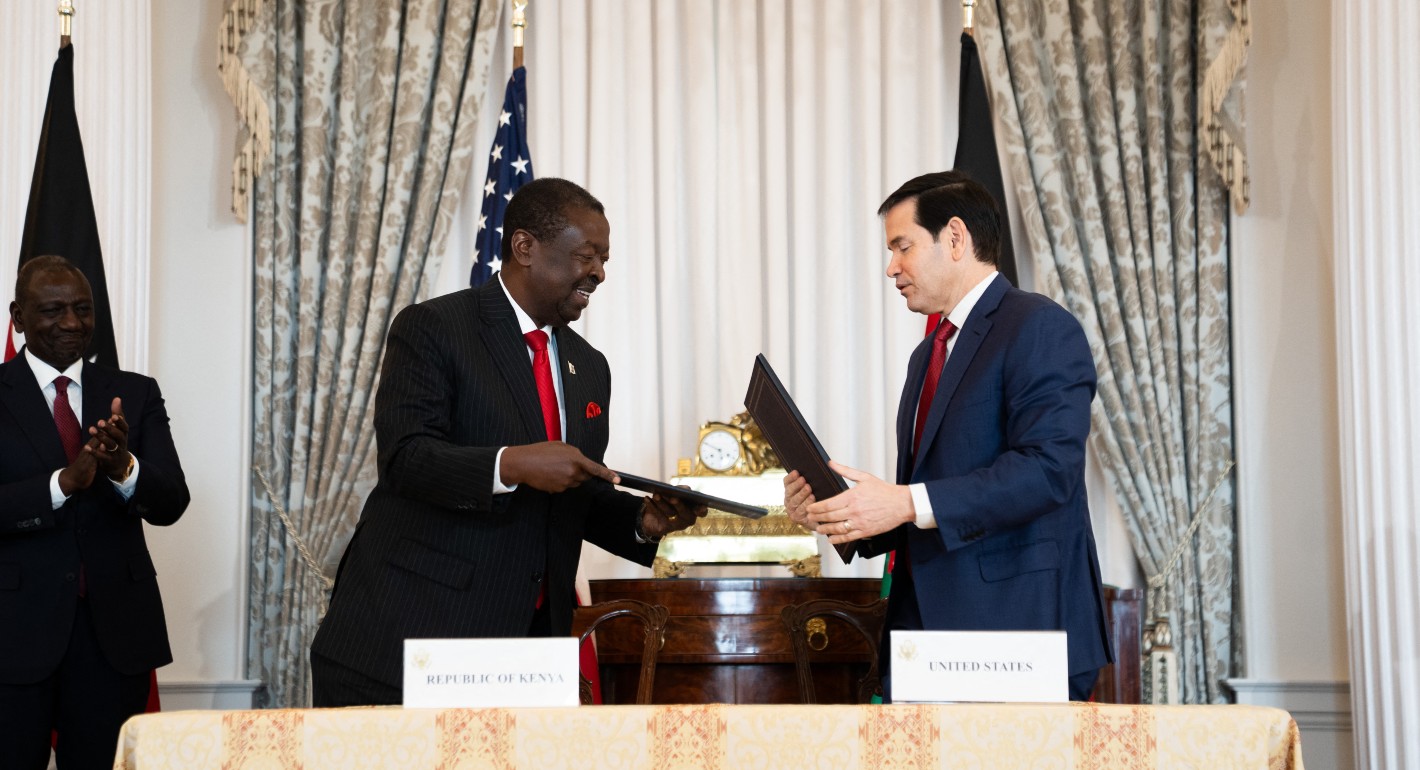
U.S. agreements must contend with national data protection laws to make durable foreign policy instruments.

Jane Munga, Rose Mosero
A conflict launched in the name of American security is producing the opposite effect.

Sarah Yerkes