

Commentary
Maha Yahya
{
  "authors": [
    "Maha Yahya"
  ],
  "type": "legacyinthemedia",
  "centerAffiliationAll": "dc",
  "centers": [
    "Carnegie Endowment for International Peace",
    "Malcolm H. Kerr Carnegie Middle East Center",
    "Carnegie Europe"
  ],
  "collections": [],
  "englishNewsletterAll": "menaTransitions",
  "nonEnglishNewsletterAll": "",
  "primaryCenter": "Carnegie Endowment for International Peace",
  "programAffiliation": "MEP",
  "programs": [
    "Middle East"
  ],
  "projects": [],
  "regions": [
    "Egypt",
    "Gulf",
    "Levant",
    "Maghreb",
    "Middle East",
    "North Africa"
  ],
  "topics": [
    "Political Reform",
    "Democracy"
  ]
}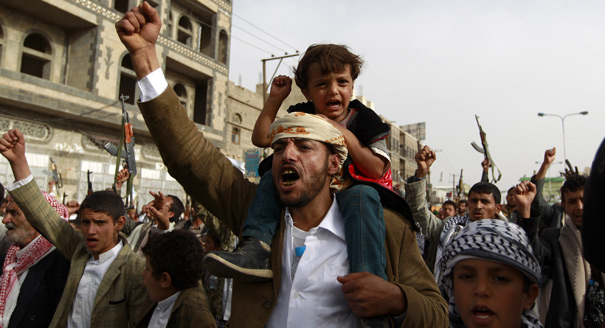
Source: Getty
In order to put an end to current hostilities in the Arab world, a national, regional, and international consensus is required.
Source: Project Syndicate
BEIRUT – The violence unleashed in Arab countries in the last four years may turn out to be just a first taste of what is to come. Escalating brutality and the actions of governments have put Arab citizens under immense pressure. Without a change of course, the outcome could easily be further conflict and a new wave of uprisings – this time not peaceful.
Not since the end of World War I have Arab countries undergone such a momentous upheaval. Conflict has broken out in no fewer than nine Arab countries, and the carnage has reached unimaginable levels of inhumanity. Tensions are mounting even in countries that are nominally at peace. Long-standing value systems are weakening, and once-solid societal foundations are crumbling.
Fighting in Syria, Iraq, Sudan, Libya, and Yemen has torn apart entire communities. Ethnic cleansing perpetuated by the Islamic State has reversed centuries of religious, ethnic, and cultural intermingling, and pushed close to two million people from their homes.Indeed, although the Middle East and North Africa is home to just 5% of the world’s population, it has produced more than one-third of its refugees. In Syria alone, 11 million people have been forcibly displaced within and outside the country.
These population movements are exacerbating preexisting social tensions across the Arab world. In Lebanon, for example, the arrival of more than one million Syrians has sparked worries that the country’s sectarian balance could be altered, undermining its fragile political system.
These huge demographic upheavals are irrevocably transforming the region’s social and political identity. Indeed, throughout the region, warring parties are relying on sectarian identity politics to mobilize support, further polarizing populations along religious, ethnic, and ideological lines. Saudi Arabia and Iran are using Yemen’s internal divisions over historic political and socioeconomic grievances in their proxy war there, presenting the conflict as a manifestation of the historic Sunni-Shia rift.
Even in countries not at war, poisonous identity politics is becoming increasingly widespread and accepted. In Egypt, for example, the public has been broadly supportive of a brutal crackdown on the Muslim Brotherhood and its Islamist supporters.
These convulsions are further impoverishing Arab countries and limiting future opportunities for their citizens. Some 21 million Arab children are out of school, and more than 50 million Arabs are considered poor. In Syria, 80% of the population is unable to meet its basic needs. In Yemen, more than one-third of the population – some 11.5 million people – suffered from food insecurity prior to the conflict. Another two million have since been added to the tally.
This turmoil has created a fertile breeding ground for militarized and radicalized youth. Tunisia, the fêted success story of the Arab uprisings, has contributed the largest number of foreign fighters to the Islamic State – an estimated 3,000 (mainly young) people. Anecdotal evidence shows that many of the parties in the various conflicts are using children to fight their wars. In Yemen, around one-third of the fighters are children. The Islamic State boasts that it is training children for future battles.
Rather than trying to ease dissatisfaction or attempt reconciliation, Arab governments are using brute force to shut down every possible space for dissent or debate. In the name of national security, citizens are stripped of their nationality, demonstrators are shot in the street, and thousands are held in arbitrary detention. In Egypt, danger lurks in the squares, universities, football stadiums, and even bathhouses, with the security services having detained anywhere from 22,000 to 41,000 citizens in the last year.
Torture and forced disappearances are also widespread. In Syria, 85,000 individuals are said to have disappeared since the beginning of the conflict. Another 12,000 have been brutally tortured.
Shutting out citizens from formal democratic processes is forcing political discontent further into the shadows, where it risks becoming militarized. In Egypt, there have been growing calls for more violent and radical responses to the government’s clampdown. In Jordan and Morocco, the authorities are facing a rising challenge in containing militant tendencies. Indeed, as political leaders choose military repression over engagement, they will increasingly lose ground to groups like the Islamic State, the only entities in the region offering a clear – albeit brutal, and regressive – vision of the future.
At this point, an end to current hostilities in Syria, Iraq, and Yemen requires national, regional, and international consensus. But averting further catastrophic violence in the region will require that governments go back to basics, introduce inclusive political processes, end state-sanctioned violence, ensure due process, and address socioeconomic injustices.
Obviously, that is a tall order. The scale of the challenges requires courageous thinking, bold initiatives, and ingenuity by national and regional political and development leaders. Otherwise, violence will engulf the region and far beyond.

Director, Malcolm H. Kerr Carnegie Middle East Center
Maha Yahya is director of the Malcolm H. Kerr Carnegie Middle East Center, where her research focuses on citizenship, pluralism, and social justice in the aftermath of the Arab uprisings.
Recent Work
Maha Yahya
Maha Yahya
Carnegie does not take institutional positions on public policy issues; the views represented herein are those of the author(s) and do not necessarily reflect the views of Carnegie, its staff, or its trustees.
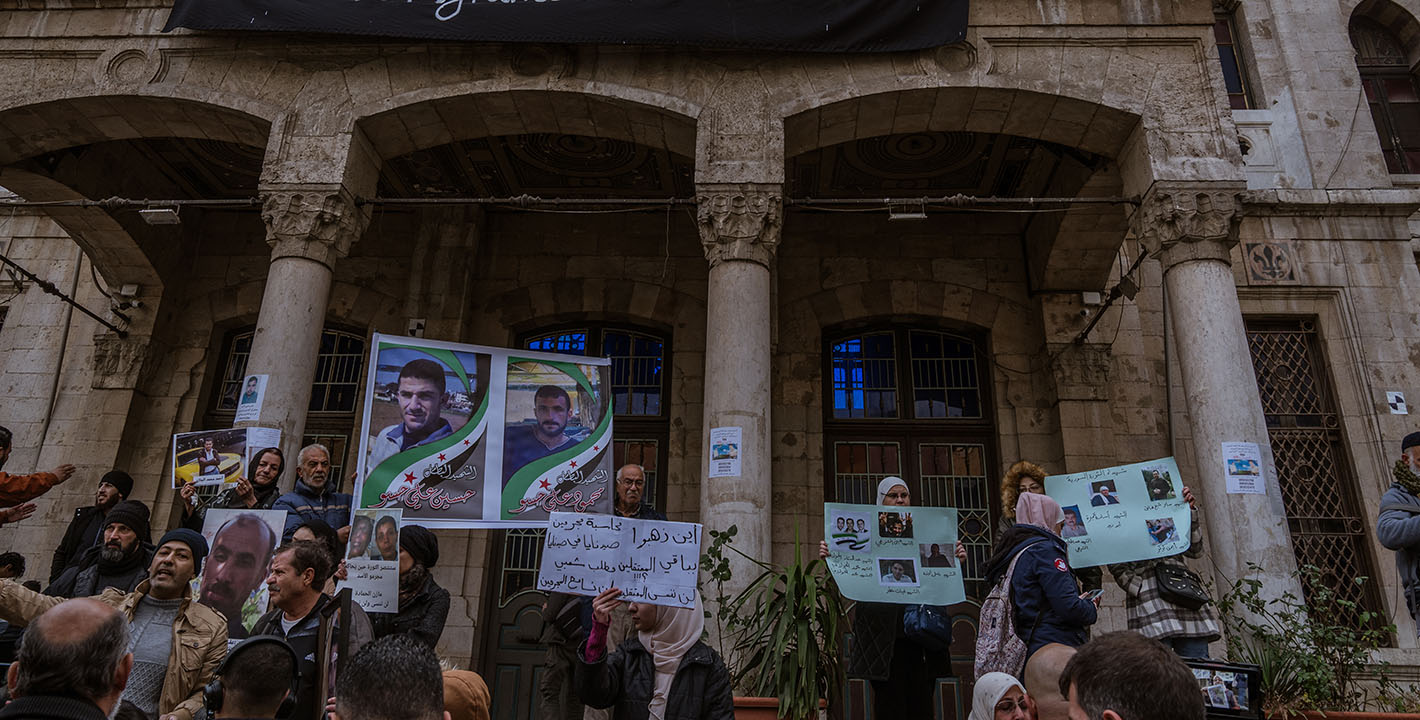
Reconciliation councils are emerging throughout the country to mediate in intracommunal disputes, many from the war years.
Natacha Danon
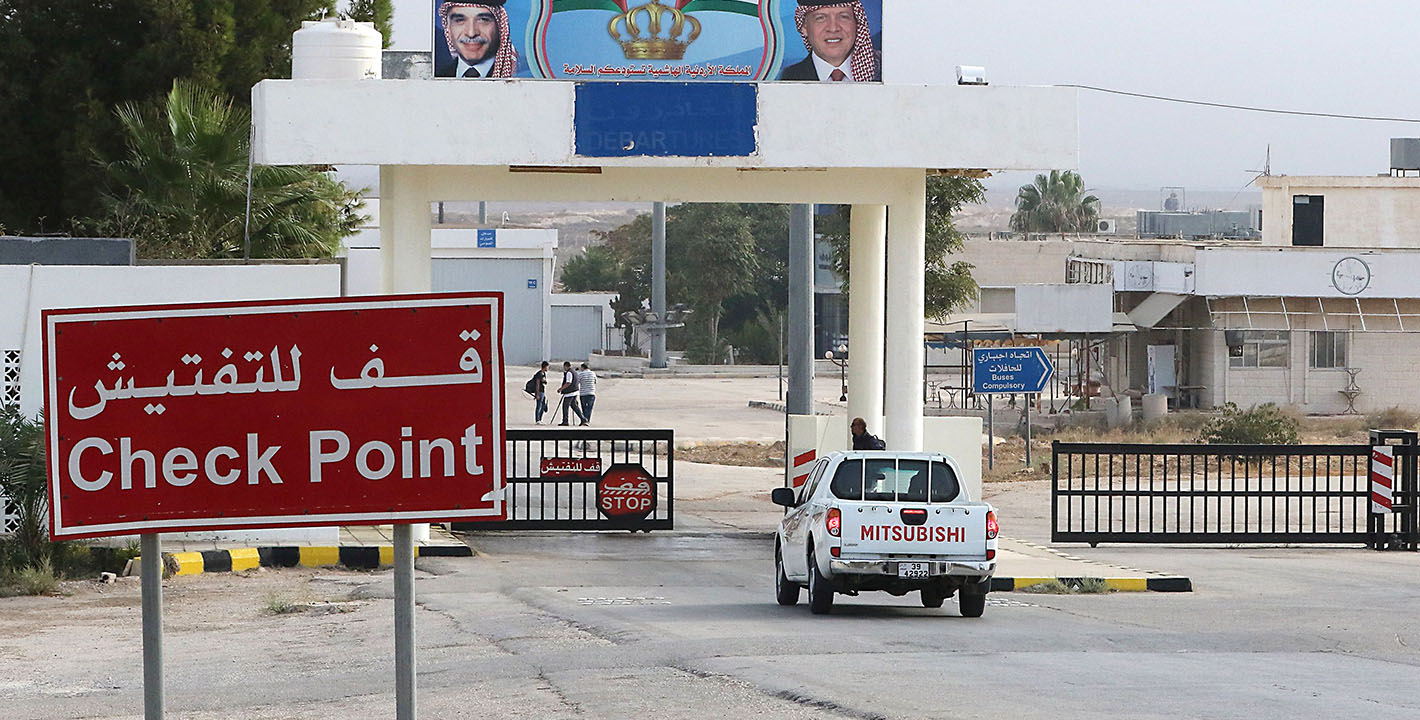
The civil war in Syria may have ended, but the country continues to serve as a source for the trafficking of illegal substances into and via Jordanian territory.

Armenak Tokmajyan, Laith Qerbaa

Ex-president Gurbanguly Berdimuhamedov remains interested in politics, but his son Serdar, Turkmenistan’s current president, is becoming increasingly independent and willing to break with his father’s legacy. If their covert rivalry goes too far, both risk losing power.

Galiya Ibragimova

A notable degree of participative democracy has firmly arrived in Europe. But to have more far-reaching impact, democratic deliberation needs to move into a radically new phase.

Richard Youngs
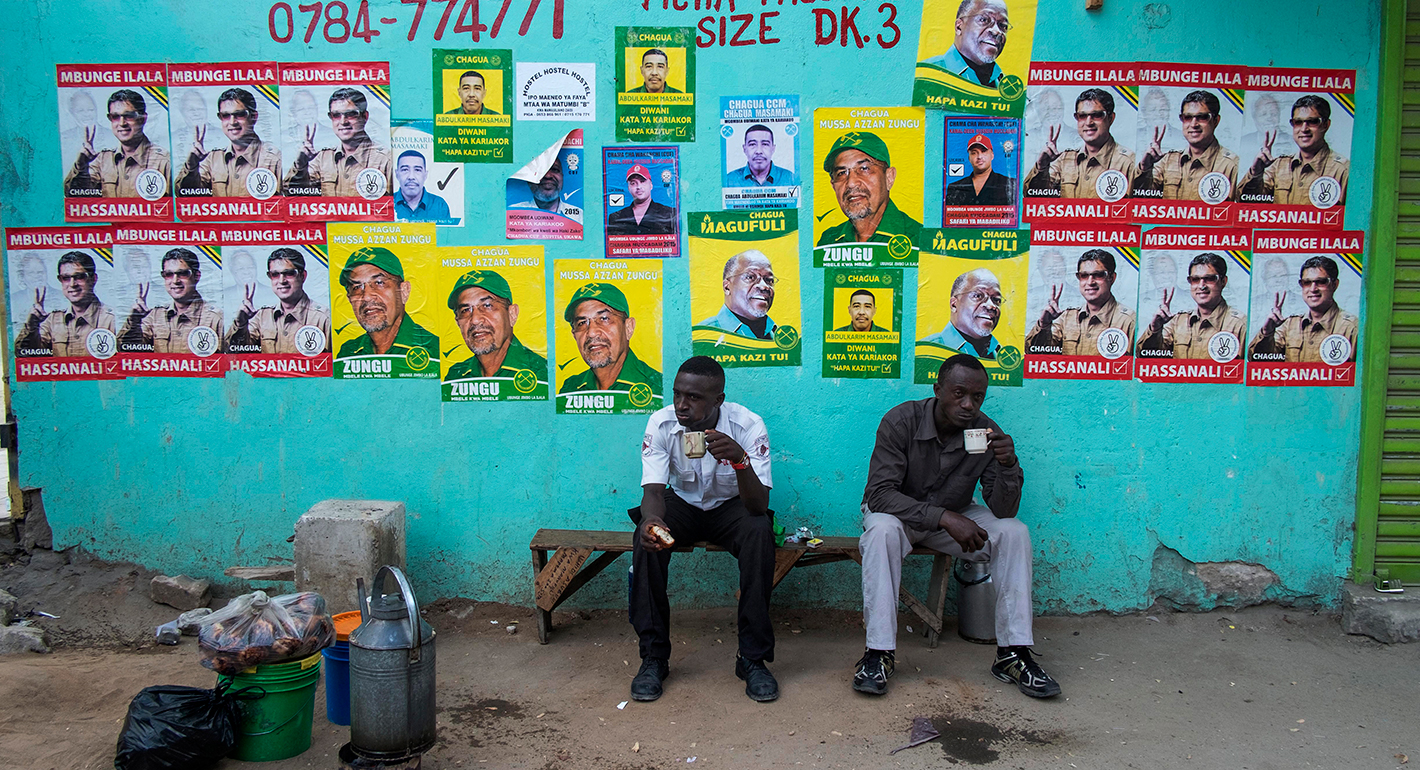
Today’s global democratic recession is partly rooted in a common perception that democracies have a delivery problem, with many citizens in both autocracies and democracies alike now believing that strongmen can achieve better governance outcomes. But a study of four countries in Africa reveals that democratic-leaning governments have demonstrated better governance performance than autocratic governments.


Sarah Yerkes, Natalie Triche, Amr Hamzawy