

Article
Carole Nakhle
{
  "authors": [
    "Carole Nakhle"
  ],
  "type": "other",
  "centerAffiliationAll": "dc",
  "centers": [
    "Carnegie Endowment for International Peace",
    "Malcolm H. Kerr Carnegie Middle East Center"
  ],
  "collections": [],
  "englishNewsletterAll": "menaTransitions",
  "nonEnglishNewsletterAll": "",
  "primaryCenter": "Malcolm H. Kerr Carnegie Middle East Center",
  "programAffiliation": "MEP",
  "programs": [
    "Middle East"
  ],
  "projects": [
    "Carnegie Oil Initiative"
  ],
  "regions": [
    "Egypt",
    "Gulf",
    "Maghreb",
    "Iran",
    "Iraq",
    "Algeria",
    "Middle East",
    "North Africa"
  ],
  "topics": [
    "Economy",
    "Climate Change"
  ]
}
Source: Getty
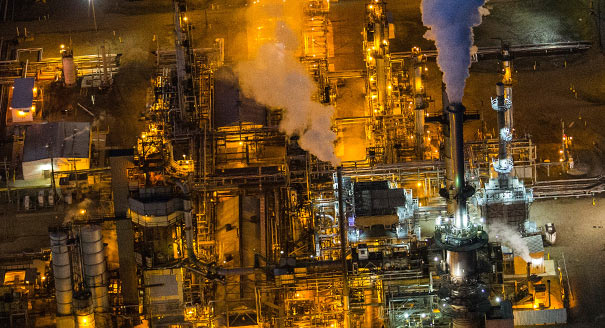
The ongoing slack in oil has exerted pressure and shed light on many producer countries, which struggle to attract investment and fight to secure favorable contract terms.
Source: Natural Resource Governance Institute
The ongoing slack in oil has exerted pressure and shed light on many producer countries, which struggle to attract investment and fight to secure favorable contract terms. Dr. Carole Nakhle, founder of advisory firm Crystol Energy and nonresident scholar at Carnegie Middle East Center, spoke with Thomas Lassourd at the Natural Resource Governance Institute’s annual conference in June about Algeria, Iran, Iraq, Egypt, and other countries, and the contractual and fiscal issues they face as commodity prices remain depressed.
This interview was originally published by the Natural Resource Governance Institute.
Former Nonresident Scholar, Middle East Center
Nakhle was a nonresident scholar at Carnegie Middle East Center, specializing in international petroleum contracts and fiscal regimes for the oil and gas industry, world oil and gas market developments, energy policy, and oil and gas revenue management.
Recent Work
Carole Nakhle
Carole Nakhle
Carnegie does not take institutional positions on public policy issues; the views represented herein are those of the author(s) and do not necessarily reflect the views of Carnegie, its staff, or its trustees.

A review of a detailed account of how antipathy toward Tehran has assumed a life and logic of its own in Washington, DC.

Jane Darby Menton
The groundbreaking legislation faces an uphill battle, but it creates a framework for others to follow—especially as the effects of climate change intensify.

Liliana Gamboa, Kayly Ober
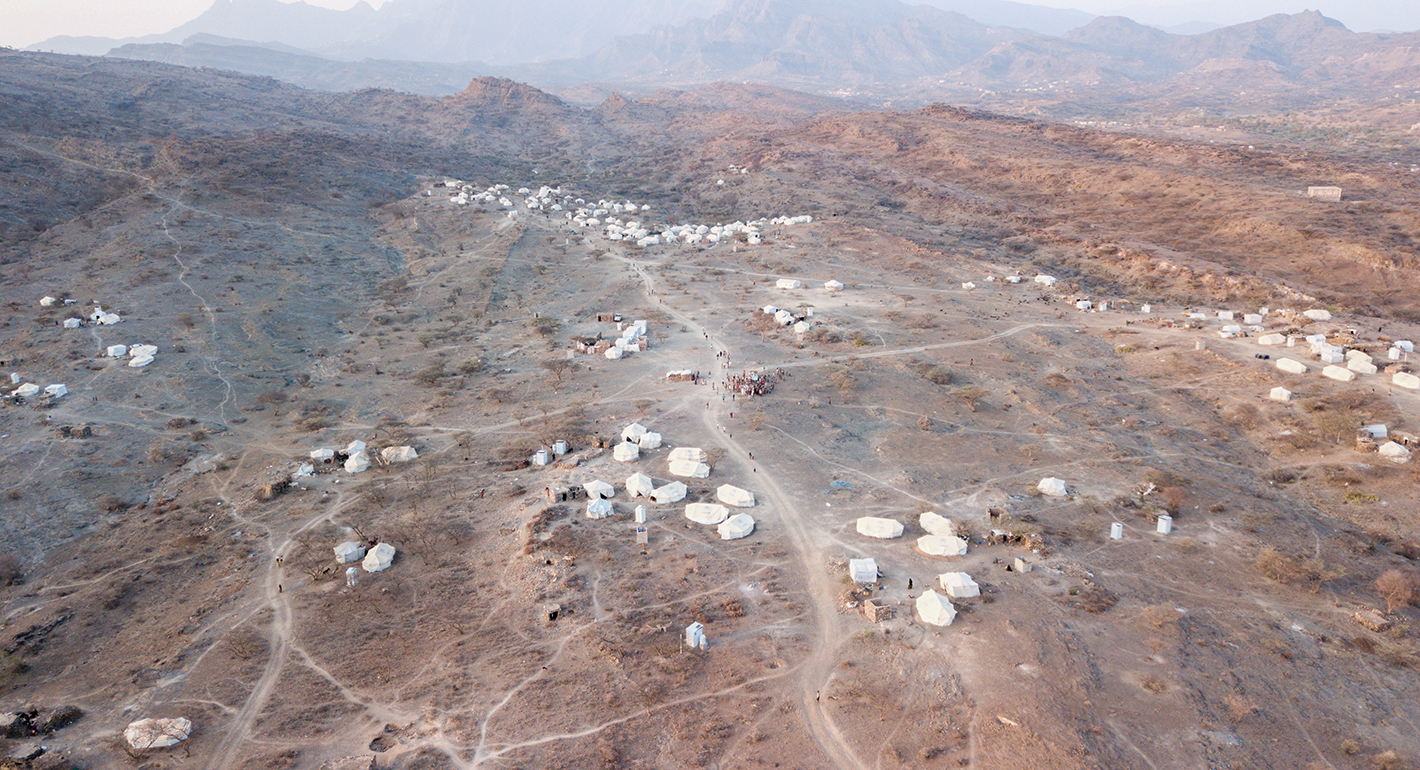
The world’s climate adaptation funds must adapt to address the ways that climate change is deepening state fragility.
Ray Salvatore Jennings, Paul Andrew Mayewski

Ongoing uncertainty in the Middle East allows Moscow to both increase its influence in Tehran and continue to enjoy the financial windfall of higher oil prices.

Nikita Smagin
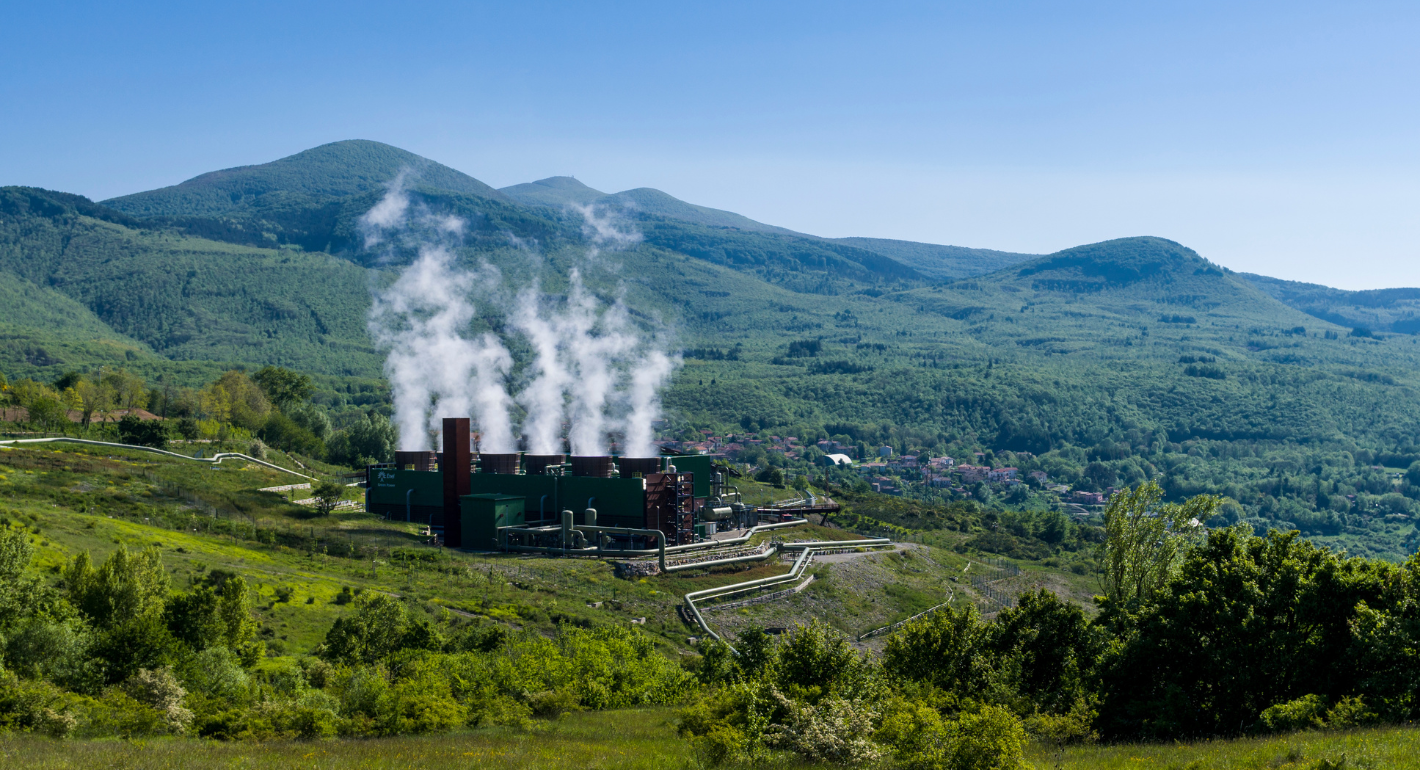
Europe’s industrial supply chains leave it vulnerable to global shocks. The EU needs a pragmatic green industrial strategy that balances durable partnerships and bolsters homegrown clean tech without sacrificing low-carbon ambition.


Milo McBride, Pauline Gerard