

Commentary
Alexander Gabuev, Temur Umarov
{
  "authors": [
    "Alexander Gabuev"
  ],
  "type": "commentary",
  "centerAffiliationAll": "",
  "centers": [
    "Carnegie Endowment for International Peace",
    "Carnegie Russia Eurasia Center"
  ],
  "collections": [],
  "englishNewsletterAll": "",
  "nonEnglishNewsletterAll": "",
  "primaryCenter": "Carnegie Endowment for International Peace",
  "programAffiliation": "",
  "programs": [],
  "projects": [],
  "regions": [
    "East Asia",
    "China",
    "Russia",
    "Central Asia",
    "Kazakhstan",
    "Caucasus"
  ],
  "topics": [
    "Economy"
  ]
}
Source: Getty
China’s ambitious plans for a new Silk Road of railways, highways, and pipelines are driven by both domestic economic needs and geopolitical ambitions. Russia and the states of Central Asia have yet to make a substantial input into the project.
Source: Kommersant
China’s vision of a massive new “Silk Road Economic Belt” is a long road in more than one sense.
Russia has belatedly embraced the idea and declared that the project can be linked to Moscow’s own Eurasian Economic Union, while knowing that it changes the long-term future of Eurasia by bringing in billions of dollars of new Chinese investment into the region.
The idea of a “new Silk Road” from China dates back to September 2013 when Chinese President Xi Jinping used the term in a speech at Nazarbayev University in Astana, Kazakhstan. Xi was on his first Eurasian tour, as China’s paramount leader. The Central Asian segment of the trip was like a shopping spree, as Xi announced multi-billion-dollar investment projects in each of the capitals of the region.
Chinese diplomats devised the Silk Road concept, harking back to the Middle Ages, in advance of Xi’s trip, as they searched for an appealing image to convince the Central Asian nations that China’s intentions were benign and business cooperation would be mutually beneficial. Xi readily adopted the idea.This idea then developed into the “Silk Road Economic Belt,” a projected network of new railway lines, highways, and energy pipelines leading to and from China. Massive resources are being expended on it. In 2014, the Silk Road Fund was launched with a starting capital of 40 billion dollars. The management of the China Development Bank announced that by 2020 it would channel up to 1 trillion dollars into Silk Belt projects.
The project was received warmly in both Central Asia and China itself. However, there was less enthusiasm in Russia. Xi’s 2013 speech was ignored in Russia. Then in 2014, there were heated discussions in Moscow as to whether the Silk Road Economic Belt threatened Russian interests in Central Asia. In November 2014, Vladimir Putin and Xi Jinping mentioned that the Eurasian Economic Union and the Silk Road Economic Belt would cooperate, but did not go into details.
The Russian government finally gave a proper endorsement to the project only in March this year. A speech by First Deputy Prime Minister Igor Shuvalov indicated that Russia viewed the Silk Road Economic Belt not as a threat, but as an opportunity for the Eurasian Economic Union. It was argued that the new union could help China build transport infrastructure and that goods shipped to Europe through Kazakhstan, Russia, and Belarus would only need to pass two customs borders.
On May 8 in Moscow, Xi and Putin signed a joint statement on the integration of the Silk Road Economic Belt and the Eurasian Economic Union. Most of the document consisted of vague political declarations, but it committed Beijing and Moscow to a postponement of the sensitive issue of establishing a free trade zone and to forming a joint foreign ministry working group on integration of the two economic projects.
For China, it is important to understand that the Silk Road project is driven by both domestic economic concerns as much as by foreign policy ambitions.
In the first place, China needs an outlet for the excess capacity and labor force, created by the boom of the last 15 years, but which now risks being under-employed. Growth rates of 10.5 percent per year were driven not only by the export of Chinese goods but also by a huge infrastructure boom. China created the world’s largest network of high-speed railways, new multi-lane highways, and dozens of airports. The construction sector generated millions of jobs. Now that China’s domestic boom is winding down, mass investment in China’s western neighbors is one potential solution to this socio-economic problem.
At the same time, Beijing has launched another economy-boosting initiative, the Maritime Silk Road, which aims to improve port infrastructure in Southeast Asia and the Pacific Ocean. The two initiatives have been combined into the so-called “One Belt, One Road” mega-project.
Inside China, the economy is also shifting from east to west. China earned its status as the world’s leading exporter thanks to millions of low-wage workers in the country’s eastern coastal provinces. However, labor costs are growing and labor legislation is becoming tighter in these regions. Moreover, ports in eastern China are already working at maximum capacity.
Since the mid-2000s, the Chinese government has been offering tax breaks and transportation tariff subsidies to transfer production into the heartland. But labor costs have now risen in central China as well, so businesses need to move even further west. That makes the prospect of a major route westward to Europe very attractive. Goods can be shipped by land from Ürümqi to Berlin three times faster than by sea from Shenzhen to Hamburg—but the infrastructure needs to be put in place to lower the transportation costs.
Geopolitical considerations are also important of course. Beijing has begun to fear Washington’s intentions in the South China Sea. The Chinese top brass is afraid that if a serious crisis broke out, the United States could impose a naval blockade on China and restricts its sea trade.
In Central Asia itself, Beijing also wants to prove it has benign economic reasons for boosting its presence there. This is particularly important as the region adjoins China’s troubled Turkic-speaking Xinjiang-Uyghur Autonomous Region.
Thus far most of the detail of the Silk Road Economic Belt has not been fleshed out and Russia’s involvement has been only symbolic. That will change if, as expected, the Silk Road Fund completes the acquisition of a 9.9 percent stake in the Yamal Liquefied Natural Gas plant before the end of the year. During Vladimir Putin’s visit to China in September several private companies used the Silk Road Economic Belt concept to launch joint projects.
But the first phase of the Silk Road Economic Belt strategy shows that even the Chinese still do not have clear plans about how they want to see it proceed. That provides a challenge for the Central Asian states and Russia to propose their own projects and terms of cooperation for the massive new Silk Road coming their way.
This publication originally appeared in Russian in Kommersant.

Director, Carnegie Russia Eurasia Center
Alexander Gabuev is director of the Carnegie Russia Eurasia Center. Gabuev’s research is focused on Russian foreign policy with particular focus on the impact of the war in Ukraine and the Sino-Russia relationship. Since joining Carnegie in 2015, Gabuev has contributed commentary and analysis to a wide range of publications, including the Financial Times, the New York Times, the Wall Street Journal, and the Economist.
Recent Work

Alexander Gabuev, Temur Umarov
Alexander Gabuev
Carnegie does not take institutional positions on public policy issues; the views represented herein are those of the author(s) and do not necessarily reflect the views of Carnegie, its staff, or its trustees.
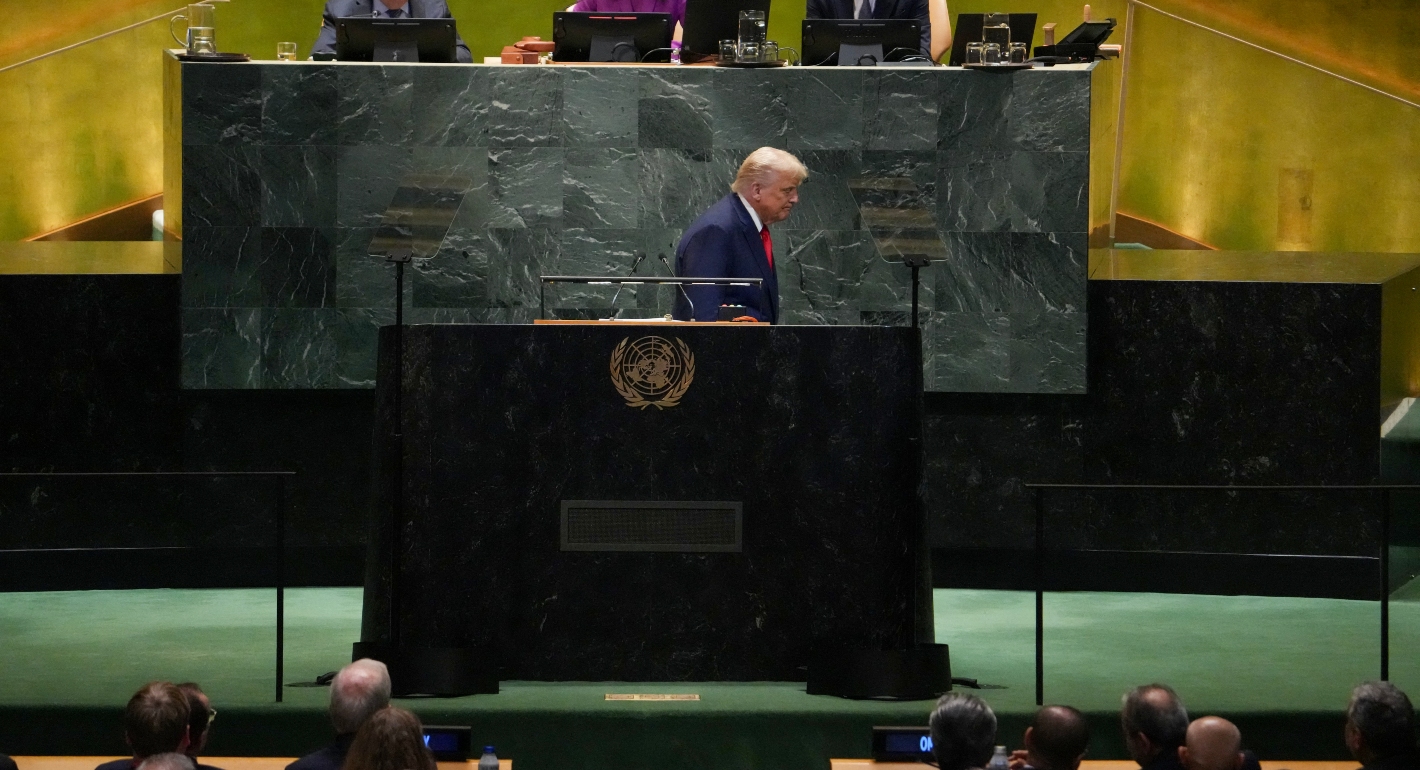
For years, the United States anchored global cyber diplomacy. As Washington rethinks its leadership role, the launch of the UN’s Cyber Global Mechanism may test how allies adjust their engagement.


Patryk Pawlak, Chris Painter

Censorship in China spans the public and private domains and is now enabled by powerful AI systems.
Nathan Law
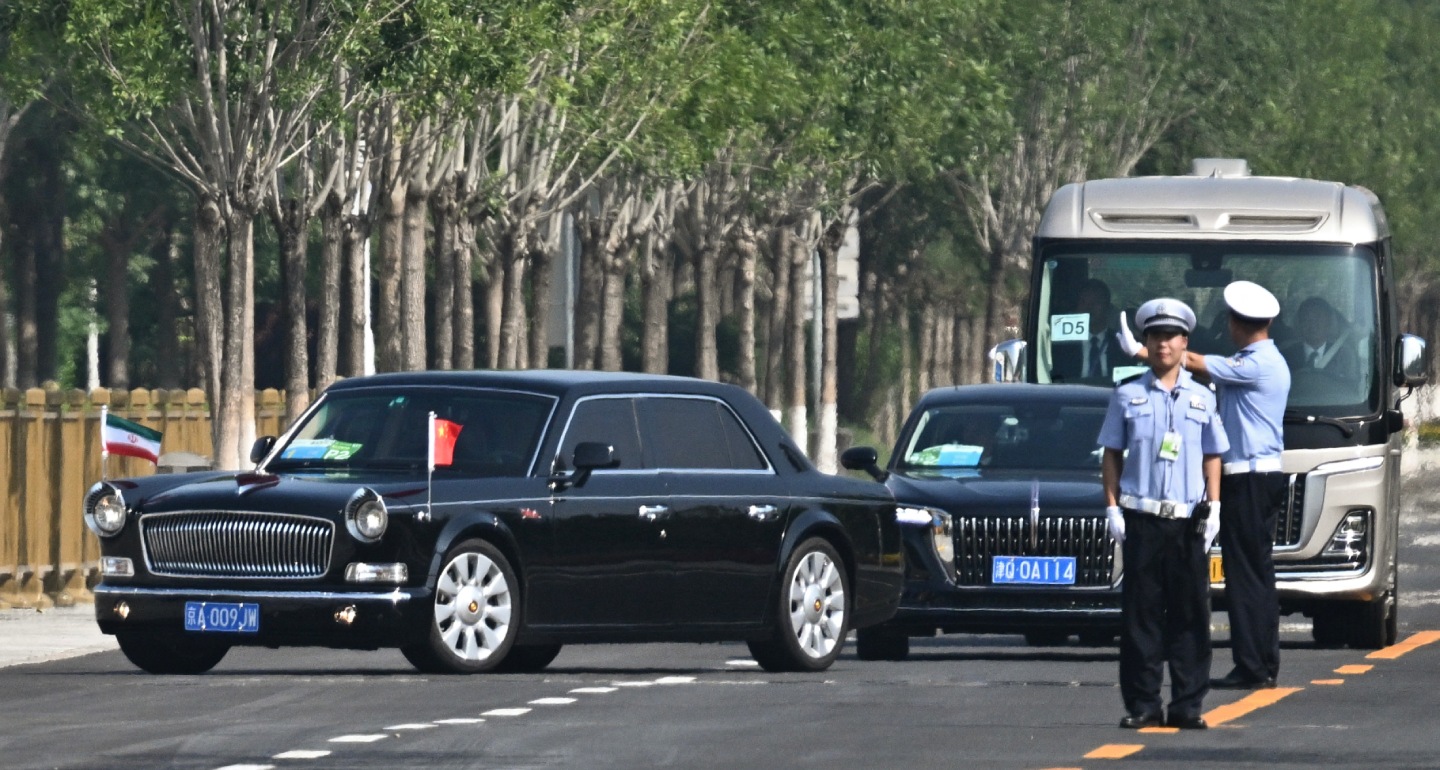
Most of Moscow’s military resources are tied up in Ukraine, while Beijing’s foreign policy prioritizes economic ties and avoids direct conflict.
Alexander Gabuev, Temur Umarov
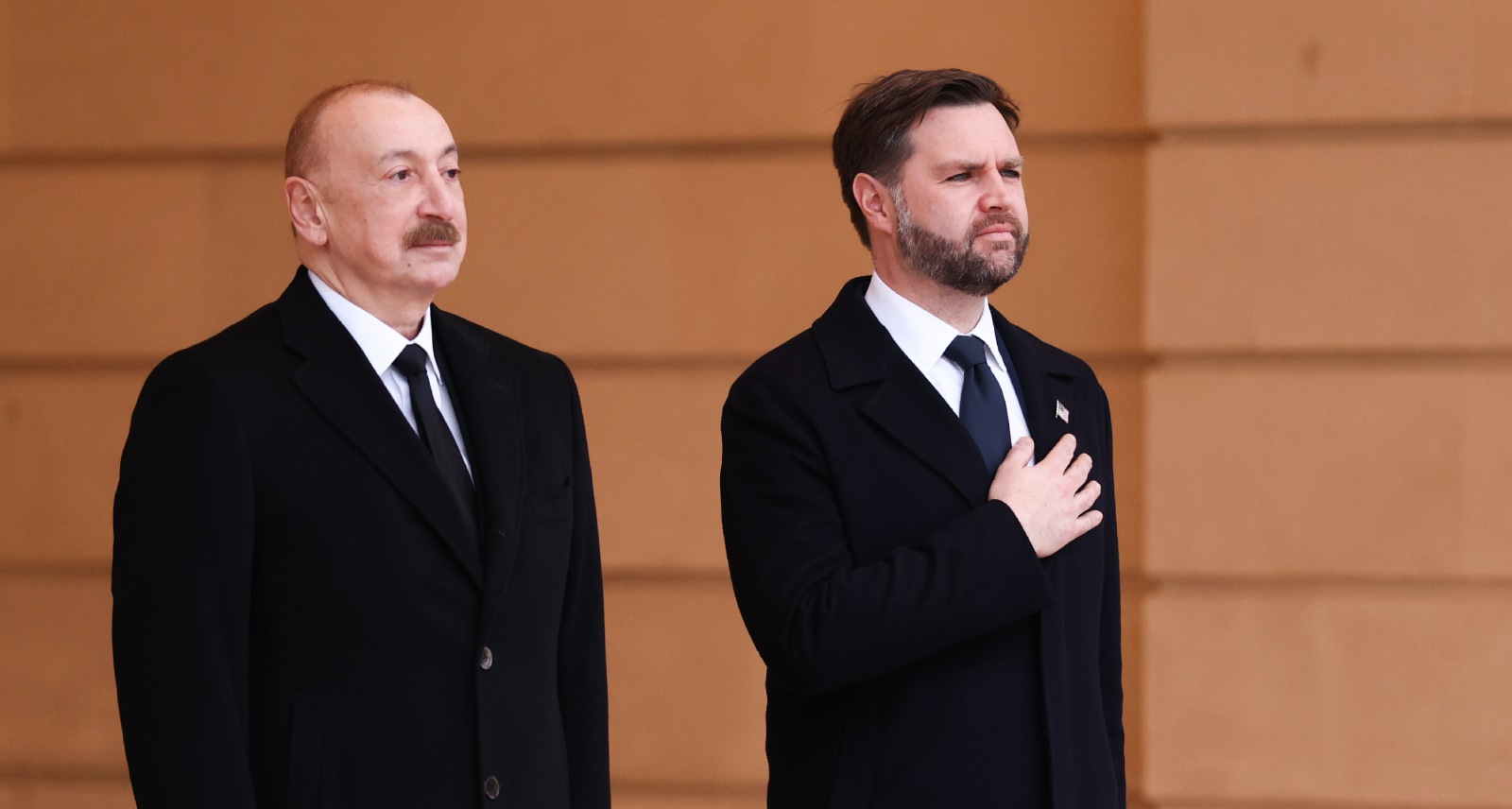
With the White House only interested in economic dealmaking, Georgia finds itself eclipsed by what Armenia and Azerbaijan can offer.

Bashir Kitachaev
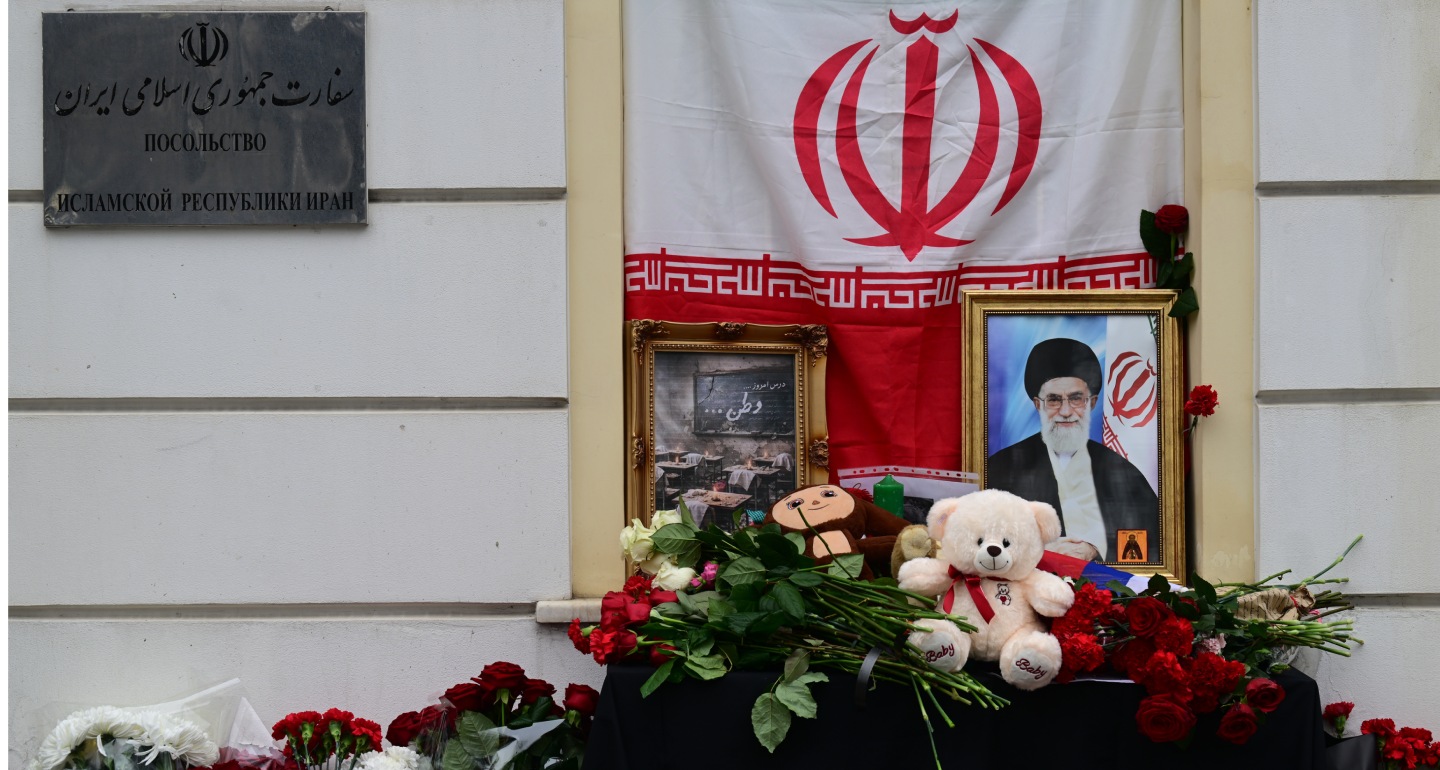
If the regime in Tehran survives, it could be obliged to hand Moscow significant political influence in exchange for supplies of weapons and humanitarian aid.

Nikita Smagin