

Commentary
Andrei Kolesnikov
{
  "authors": [
    "Andrei Kolesnikov"
  ],
  "type": "commentary",
  "centerAffiliationAll": "",
  "centers": [
    "Carnegie Endowment for International Peace",
    "Carnegie Russia Eurasia Center"
  ],
  "collections": [
    "Inside Russia"
  ],
  "englishNewsletterAll": "",
  "nonEnglishNewsletterAll": "",
  "primaryCenter": "Carnegie Endowment for International Peace",
  "programAffiliation": "",
  "programs": [],
  "projects": [],
  "regions": [],
  "topics": []
}
Source: Getty
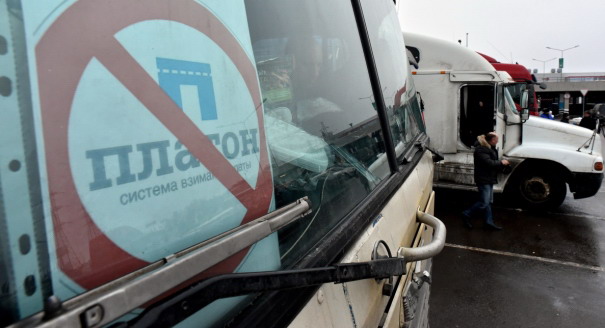
Truck drivers have staged the biggest anti-government protest in Russia since 2012. But the logic of their discontent is one they are so far unprepared to accept: that the whole political system is at fault.
Russia’s angry long-haul truckers have reached a fork in the road.
Their protests against new road tolls began in early November and have now reached the edge of Moscow.
But there is no sign that the truck drivers are getting closer to having the Kremlin meet their demands. The government doesn’t notice them or listen to them and seems to be simply waiting for the protests to subside on their own.
The truck drivers have now reached the bifurcation point faced by the last mass Russian protest movement—the demonstrators who came out onto the streets of Moscow and other big cities in 2012 after the disputed parliamentary elections.
Like the 2012 protestors, the truckers are now left with two options. They can either quietly disperse or they can escalate and invite trouble. The second option would lead to criminal charges of extremism and prison sentences.
It’s no longer enough to broadcast slogans that hark back to the old Russian proletariat and contrast the truckers’ manly working-class demands with the boyish intelligentsia of the 2012 protestors. Many of those boys are still serving real prison terms after they called for a radical reform of the system itself.
Having hit a dead end, the truckers are resorting to a tried-and-true Russian recipe. They are bowing their heads to the czar, asking for their supplications to be heard. This only illustrates the heart of the problem: Russia’s personalized power system and the absence of functional representative bodies and channels for relaying public opinion.
The truckers have declared that they will be prepared to honor the outcome of a nationwide referendum on abolishing the controversial Platon payment system, which is the root of their discontent. But the Kremlin is not playing along.
Presidential Press Secretary Dmitry Peskov let them know how the Russian leadership defines the contours of the problem: this is a specific industry-related issue that comes under the remit of the Ministry of Transport. Moreover, Russian legislation stipulates that a budgetary issue cannot be put to referendum vote. Platon, says the Kremlin, is a revenue issue that can only be decided within the corridors of power, not outside them.
The authorities are letting it be known that they are not persuaded by appeals to public opinion. Public opinion only matters to them in election campaigns or when measuring the president’s job approval ratings (plus, from time to time, for proving that the public supports a symbolic action in places like Crimea, Donbas, Syria, and now Turkey).
What is wrong with this picture?
The progressive segments of Russian society are rooting for the truckers because they want to see the wheels of their trucks run over the regime. But that is not going to happen. We are not in the Poland of the 1980s, when one Gdansk shipyard was the agent of regime change.
According to the Levada Center, an independent polling organization, 70 percent of the public supports the truckers. That roughly reflects the same proportion of the population that is economically distressed. They are feeling the effects of inflation and the shortage of household goods in their shopping baskets, from laundry powder to cheap vegetables. They feel solidarity with those who are being ripped off by a corrupt system that does not care about anyone else’s opinion.
And yet those discontented 70 percent are mostly the same people as the 80 percent of the population who, as the Levada Center is also recording, support the Russian president—the national leader who gave them back Crimea and restored Russia’s “great power” status.
In other words, these people do not see a connection between the system, the new “great power,” and the way the truck drivers are being treated. What’s more, even the truckers themselves do not see it. They are blaming the minister of transport, the prime minister, or some oligarch or other—anyone, it seems, but the rent-seeking system itself.
It is not just the state that does not listen—society is not seeing, either. It fails to see the link between the repressive political system on the one hand and Russians’ worsening economic plight on the other. So the non-seeing society continues to support the non-listening elite.
This is the whole picture that the protesting truckers fail to see. If they do not, their calls for a referendum or appeals to the constitution are unlikely to get them further down a road that already appears to be blocked.
Former Senior Fellow, Carnegie Russia Eurasia Center
Kolesnikov was a senior fellow at the Carnegie Russia Eurasia Center.
Recent Work
Andrei Kolesnikov
Andrei Kolesnikov
Carnegie does not take institutional positions on public policy issues; the views represented herein are those of the author(s) and do not necessarily reflect the views of Carnegie, its staff, or its trustees.
Rather than consolidating Russian society, the conflict in Ukraine has exacerbated existing divisions on a diverse array of issues, including support for the regime. Put another way, the impression that Putin now has the full support of the Russian public is simply incorrect.
Denis Volkov, Andrei Kolesnikov
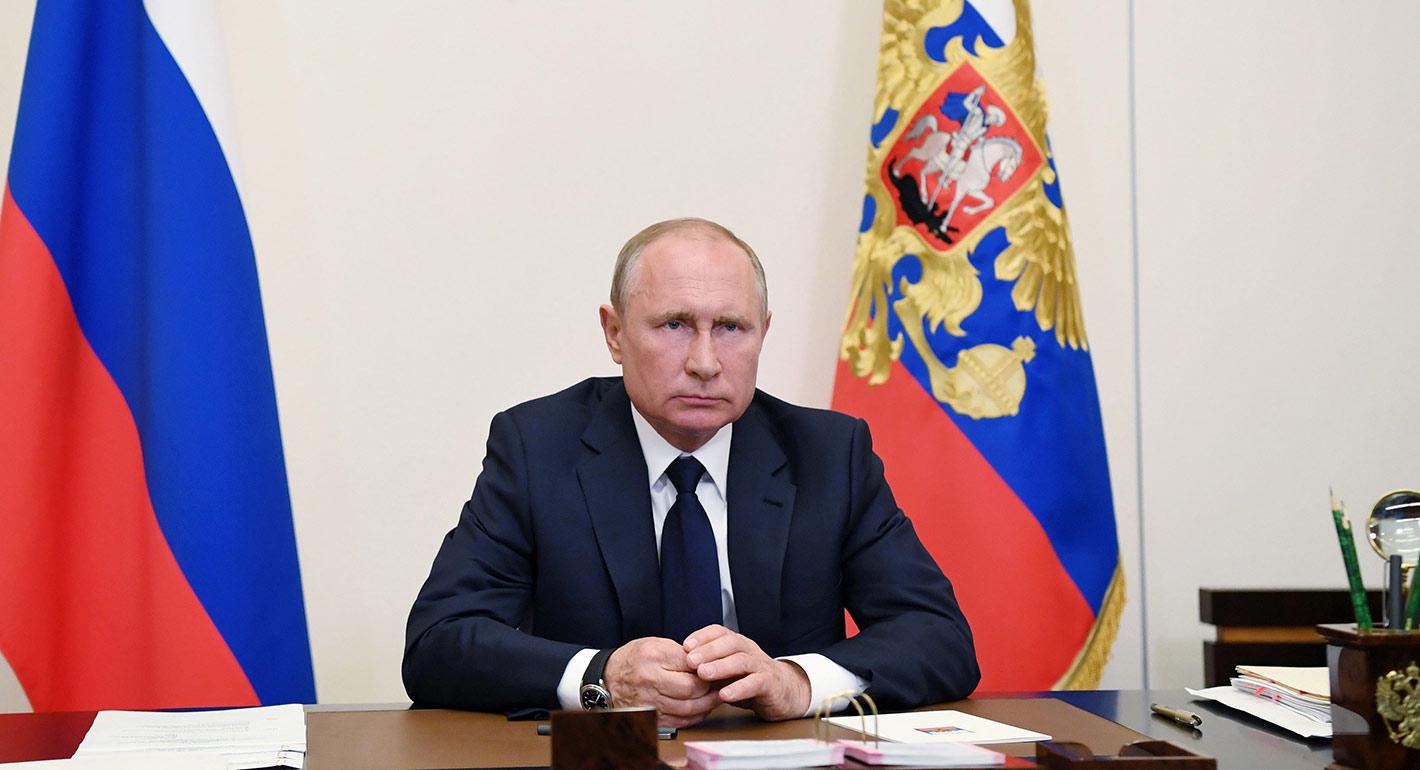
Russia’s ineffective response to the coronavirus reveals the hazards of a system that cultivates self-interest and cronyism over strong state capacity and administration.
Nate Reynolds
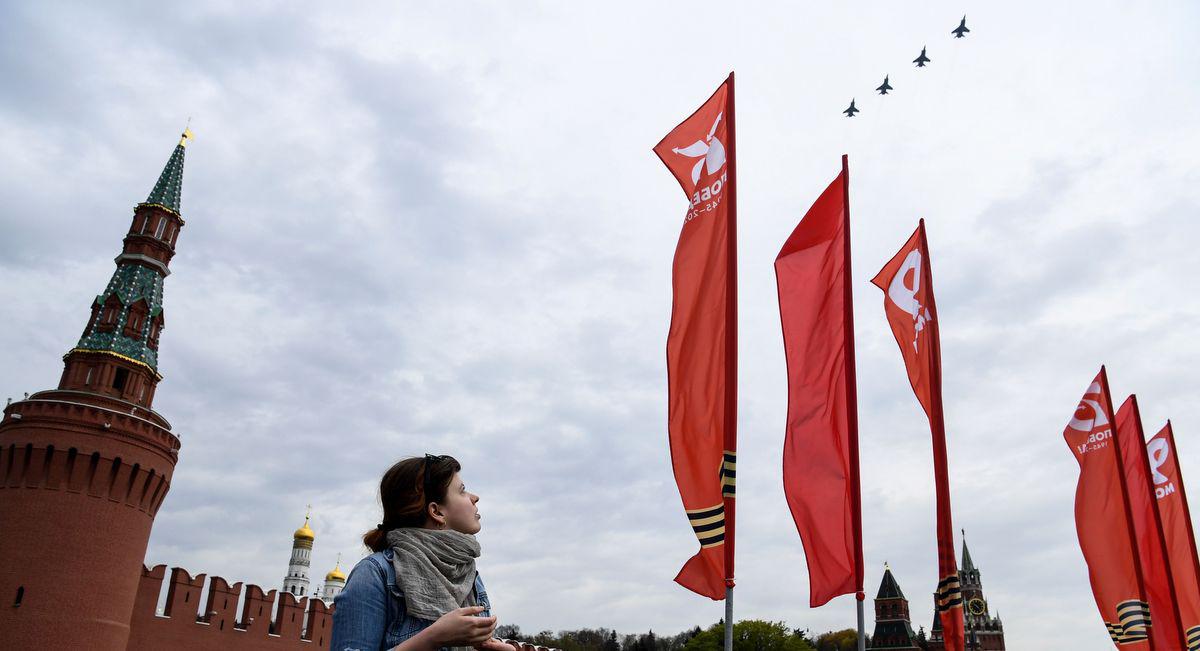
The foundation of the current Kremlin ideology is a defensive narrative: that we have always been attacked and forced to defend ourselves. Another line of defense is history.
Andrei Kolesnikov
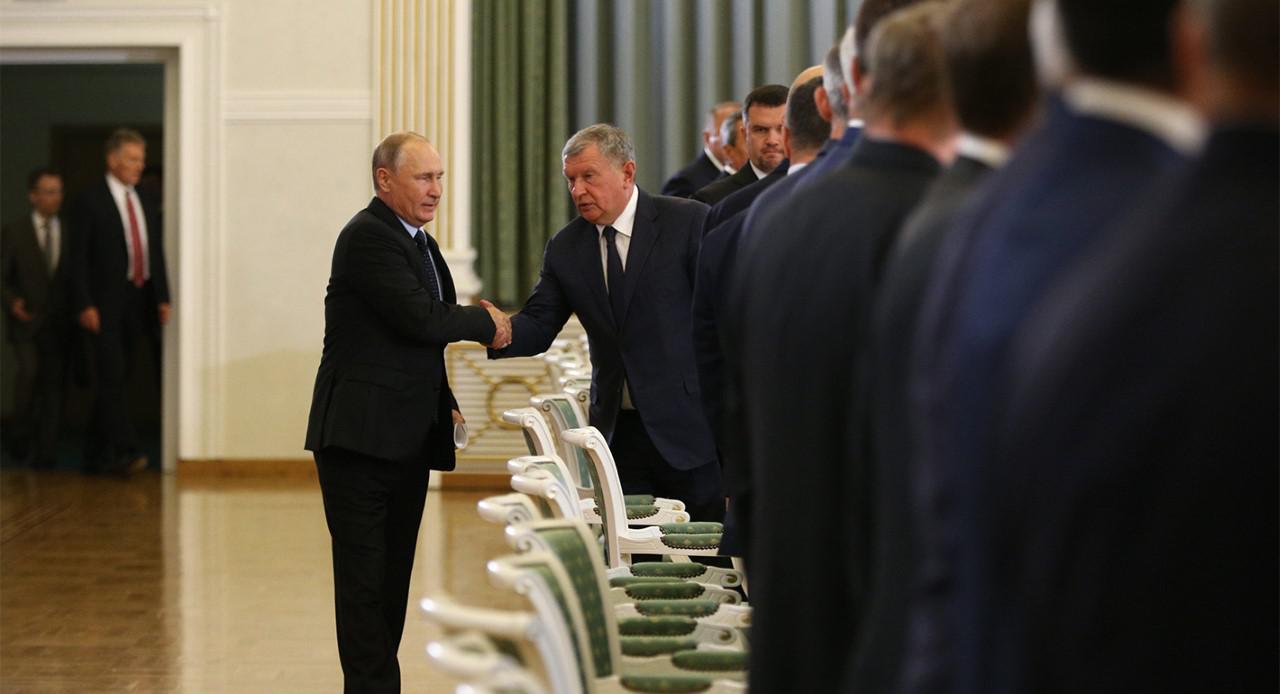
The pandemic has revealed a truth of the Russian government. Vladimir Putin has become increasingly disengaged from routine matters of governing and prefers to delegate most issues.

Tatiana Stanovaya
The fight against the new coronavirus in Russia is being led not by politicians oriented on the public mood, but by managers serving their boss. This is why the authorities’ actions appear first insufficient, then excessive; first belated, then premature.
Tatiana Stanovaya