

Commentary
Is Morocco’s migration policy protecting Sub-Saharan African migrants or managing them for political and security ends? This article unpacks the gaps, the risks, and the paths toward real rights-based integration.
Sofiane Al-Kamri
{
  "authors": [
    "Mikhail Krutikhin"
  ],
  "type": "commentary",
  "centerAffiliationAll": "",
  "centers": [
    "Carnegie Endowment for International Peace",
    "Carnegie Russia Eurasia Center"
  ],
  "collections": [],
  "englishNewsletterAll": "",
  "nonEnglishNewsletterAll": "",
  "primaryCenter": "Carnegie Russia Eurasia Center",
  "programAffiliation": "",
  "programs": [],
  "projects": [],
  "regions": [],
  "topics": []
}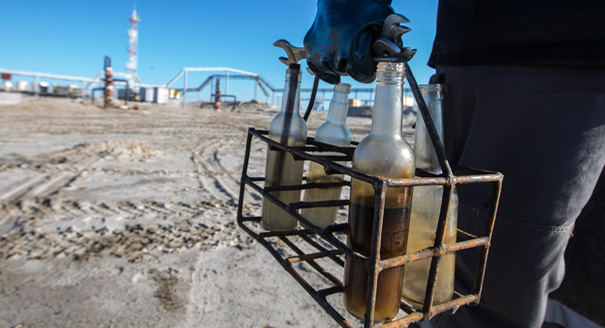
A recent slight increase in Russia’s oil output is likely to be short-lived. Oil production may start to decline by the end of the year, falling almost twofold by 2035 due to a lack of financing for new field exploration and development.
At first glance, Russian oil production and exports look solid. Last year’s data suggest that low oil prices had no significant impact on the oil industry, the largest sector of the Russian economy. Production has increased by 1.5 percent, and raw oil and oil products exports have grown by as much as 26 percent. The industry’s returns were unaffected by international sanctions, which complicated Russian companies’ long-term financing and restricted their access to cutting edge technologies that are necessary to tap into hard-to-recover oil deposits.
According to most projections, low oil prices are here to stay. Global supply currently exceeds demand by approximately 2.5 million barrels per day, and this gap is not going disappear any time soon. Every oil-exporting country is determined to protect and possibly expand its market share. At the same time, oil consumers are experiencing various degrees of economic decline.
The rollback of international sanctions against Iran has only made matters worse for exporters. The addition of 1.5 million barrels of Iranian oil per day into the global market will further increase the current supply-demand imbalance. What’s more, Iran’s willingness to supply Europe with a new oil blend, which is analogous to Russia’s Urals blend, is bad news for Russia’s oilmen.
Exporters are currently competing for higher volumes rather than higher profits, and this trend is likely to continue for quite some time. Countries with lower production and delivery costs, and financial reserves accumulated when oil prices were high, will come out ahead. Saudi Arabia, the major OPEC trendsetter, is more likely to survive the price drop than Russia. Moscow’s reserves will last a year or two at best; Riyadh will be able live off its reserves for perhaps five to seven years.
Saudi Arabia is also well positioned when it comes to production costs. According to Saudi officials, the oil industry can load tankers at $10 per barrel. Meanwhile, Russia claims that Rosneft’s production costs are $2.80 a barrel, but Moscow tends to overlook political factors when making these kinds of calculations. Such rhetoric may be popular among the the Russian public and higher-ups who want to turn a blind eye to economic realities, but it has no effect on actual profits (or, rather, losses).
So how much does it actually cost to sell a barrel of Russian oil? It all depends on how you do the math.
Let’s look at Rosneft, Russia’s largest oil company, 62 percent of which is controlled by the state. According to international financial reporting standards, Rosneft’s operational costs are $9.60 per barrel; transportation costs are $4.90; administrative expenses are $1; and amortization (essentially a payment of capital investments) totals $4.40. Thus, a barrel of Russian crude costs almost $20 before taxes. The mineral extraction tax and export customs tariff amount to $12 when Brent Crude costs $29 per barrel. Thus, the net cost of a barrel is $32.
However, other reporting standards produce different calculations. For reasons that are not entirely clear, some reports put Rosneft’s operational costs at $3 per barrel. These reports may be referring to costs at the Vankor oilfield, Rosneft’s most efficient project. The company’s other oilfields have much higher production costs. But even according to these unrealistic figures, production costs add up to roughly $14, or $26 after taxes.
What allowed Russian oil producers to increase their production and exports in 2015? In fact, only a few, smaller companies reported increases. Among them were Bashneft and Tatneft, which produce a high-sulfur oil blend that is being sold as Urals, since their cheap product is mixed with lighter varieties inside transportation pipelines. Operators working on shared projects, and a few other small and midsize producers also increased outputs.
By contrast, Russia’s three largest oil producers—Rosneft, Lukoil, and Surgutneftegas—have seen their production fall by 0.7 to 1 percent over the past year. It’s especially telling that outputs have declined by 2.8 percent in the Khanty-Mansi Autonomous District, Russia’s main oil-producing region.
So how can Russian companies expect to turn a profit with prices so low?
According to oilfield reports, operators are not slowing down their production in existing fields but aren’t drilling new wells. New projects, which could become profitable in no less than 10 to 15 years, have been practically frozen. Prevailing practices have little regard for the future: the current thinking is to extract as much as possible from the reserves that can still yield oil without additional expenses. As such, many oil fields risk being rapidly exhausted.
Depleting the old oil reserves and refusing to explore and develop the new ones is a ticking time bomb. The growth of Russian oil production will thus prove to be short-lived. The start of a rapid decline is to be expected in late 2016 or early 2017. Oil companies are currently forecasting that production will decline from 534 million tons in 2015 to 297 million tons by 2035. This doesn’t seem unrealistic.
However, Russia’s diminishing role in the global oil market isn’t the largest cause for concern. More problematic is the fact that the country’s leadership is clearly unprepared to diversify the economy through structural reforms.
Carnegie does not take institutional positions on public policy issues; the views represented herein are those of the author(s) and do not necessarily reflect the views of Carnegie, its staff, or its trustees.
Is Morocco’s migration policy protecting Sub-Saharan African migrants or managing them for political and security ends? This article unpacks the gaps, the risks, and the paths toward real rights-based integration.
Sofiane Al-Kamri
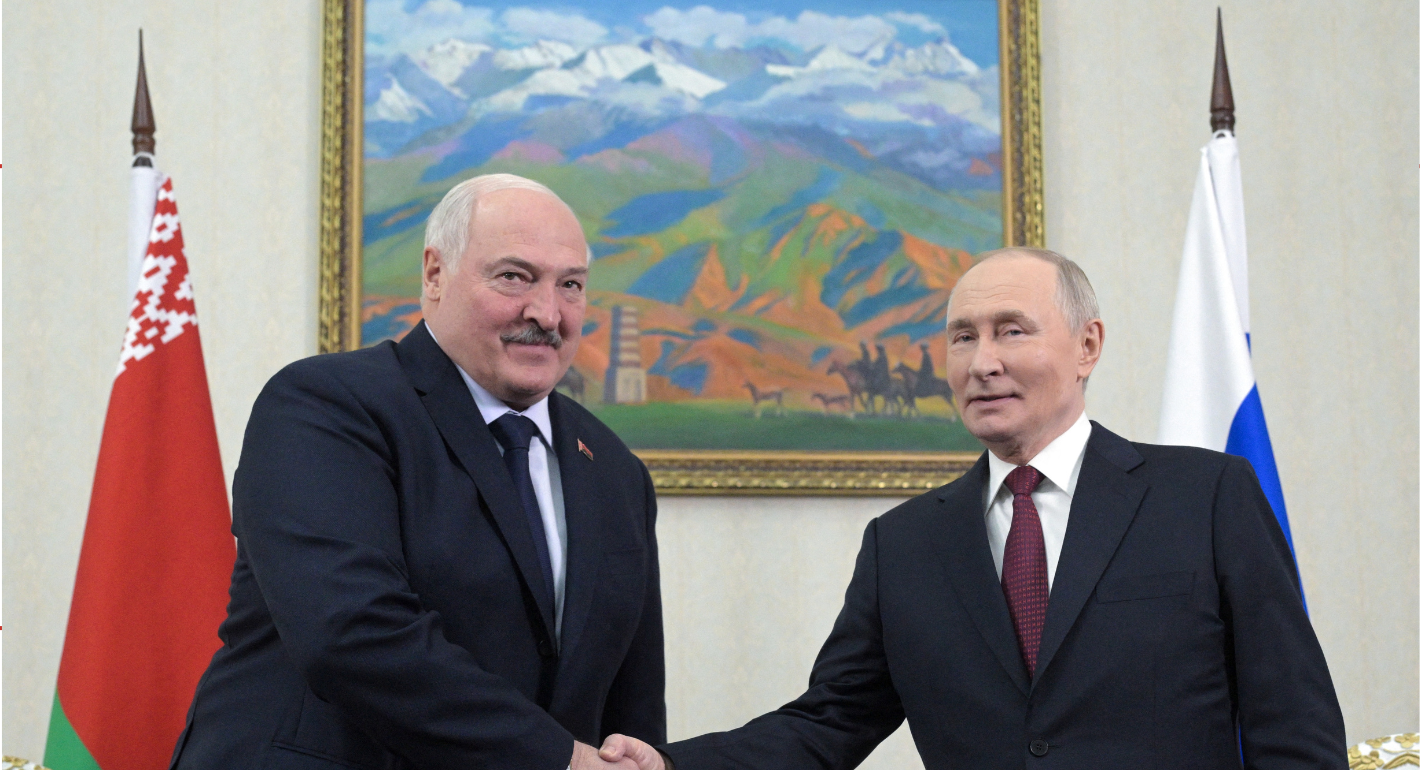
In return for a trade deal and the release of political prisoners, the United States has lifted sanctions on Belarus, breaking the previous Western policy consensus. Should Europeans follow suit, using their leverage to extract concessions from Lukashenko, or continue to isolate a key Kremlin ally?

Thomas de Waal, ed.
As states without nuclear weapons develop nuclear-powered submarines, can NWFZ regimes adapt to manage new technical, legal, procedural, and normative challenges?

Jamie Kwong, ed., Toby Dalton, ed., Celia McDowall, ed.
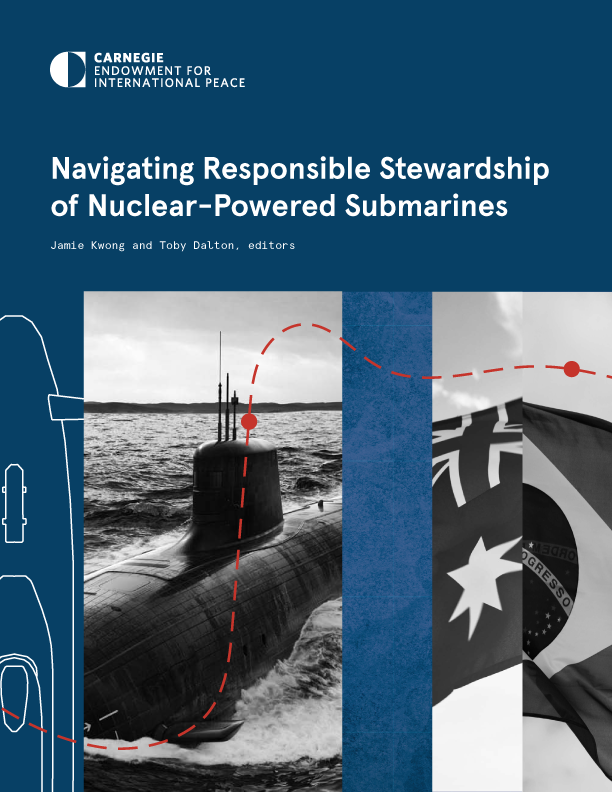
As the first states without nuclear weapons set to acquire nuclear-powered attack submarines, Australia and Brazil face new questions and challenges as they seek to responsibly manage the risks of naval nuclear propulsion.
Jamie Kwong, ed., Toby Dalton, ed.
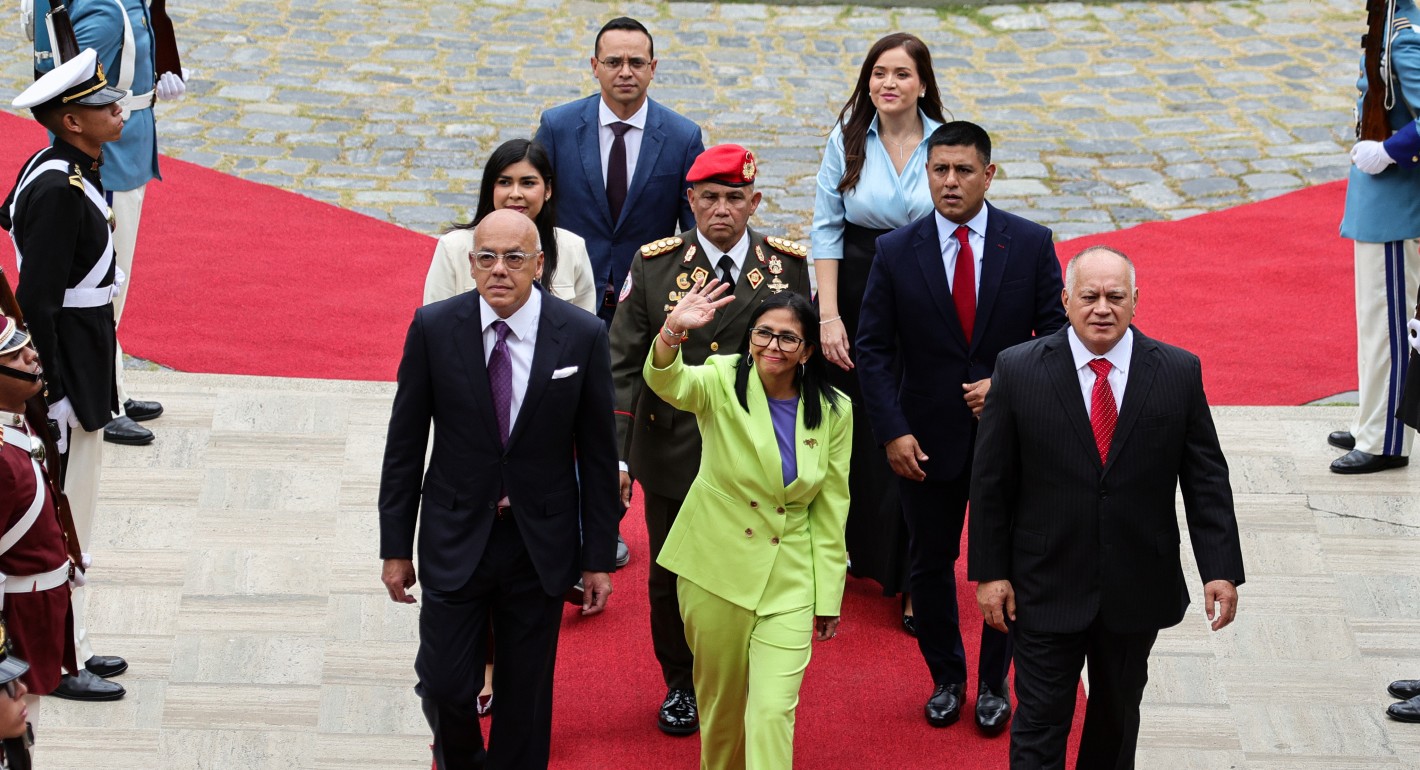
Venezuelans deserve to participate in collective decisionmaking and determine their own futures.

Jennifer McCoy