

Commentary
Sarah Chayes
{
  "authors": [
    "Sarah Chayes"
  ],
  "type": "legacyinthemedia",
  "centerAffiliationAll": "dc",
  "centers": [
    "Carnegie Endowment for International Peace"
  ],
  "collections": [
    "Anti-Corruption"
  ],
  "englishNewsletterAll": "democracy",
  "nonEnglishNewsletterAll": "",
  "primaryCenter": "Carnegie Endowment for International Peace",
  "programAffiliation": "DCG",
  "programs": [
    "Democracy, Conflict, and Governance"
  ],
  "projects": [],
  "regions": [
    "North America",
    "United States",
    "South America",
    "East Asia",
    "Russia",
    "Western Europe"
  ],
  "topics": [
    "Democracy"
  ]
}
Source: Getty
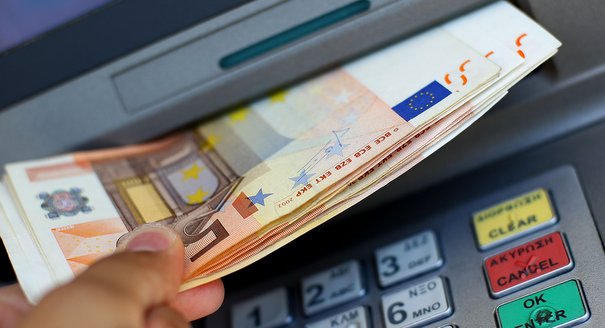
The Panama Papers leak exposes not only a global system of tax avoidance, but the corrupt networks between government officials, organized criminals, and private institutions.
Source: KCRW’s To the Point
The leak of 11.5 million documents from a Panamanian law firm has revealed a vast, deeply rooted infrastructure for hiding money and has caused embarrassment around the world. The Prime Minister of Iceland has resigned. Vladimir Putin has gone on television to deny that his assets are hidden in a shell company owned by a friend. The president of China has demanded censorship of reporting on the “Panama Papers.”
Sarah Chayes spoke to To the Point’s Warren Olney about how U.S. law and companies help foster such corrupt practices. She further explained how kleptocratic governments fuel insecurity from Afghanistan to Nigeria.
This interview was original broadcast on KCRW’s To the Point.
Former Senior Fellow, Democracy, Conflict, and Governance Program
Sarah Chayes is internationally recognized for her innovative thinking on corruption and its implications. Her work explores how severe corruption can help prompt such crises as terrorism, revolutions and their violent aftermaths, and environmental degradation.
Recent Work
Sarah Chayes
Carnegie does not take institutional positions on public policy issues; the views represented herein are those of the author(s) and do not necessarily reflect the views of Carnegie, its staff, or its trustees.

An overwhelming victory by a far-right-wing party in a small state in eastern Germany will have major repercussions for Chancellor Friedrich Merz’s coalition.

Judy Dempsey
Congress needs to step up and make EXIM a low-carbon financing powerhouse.
Jesse Young
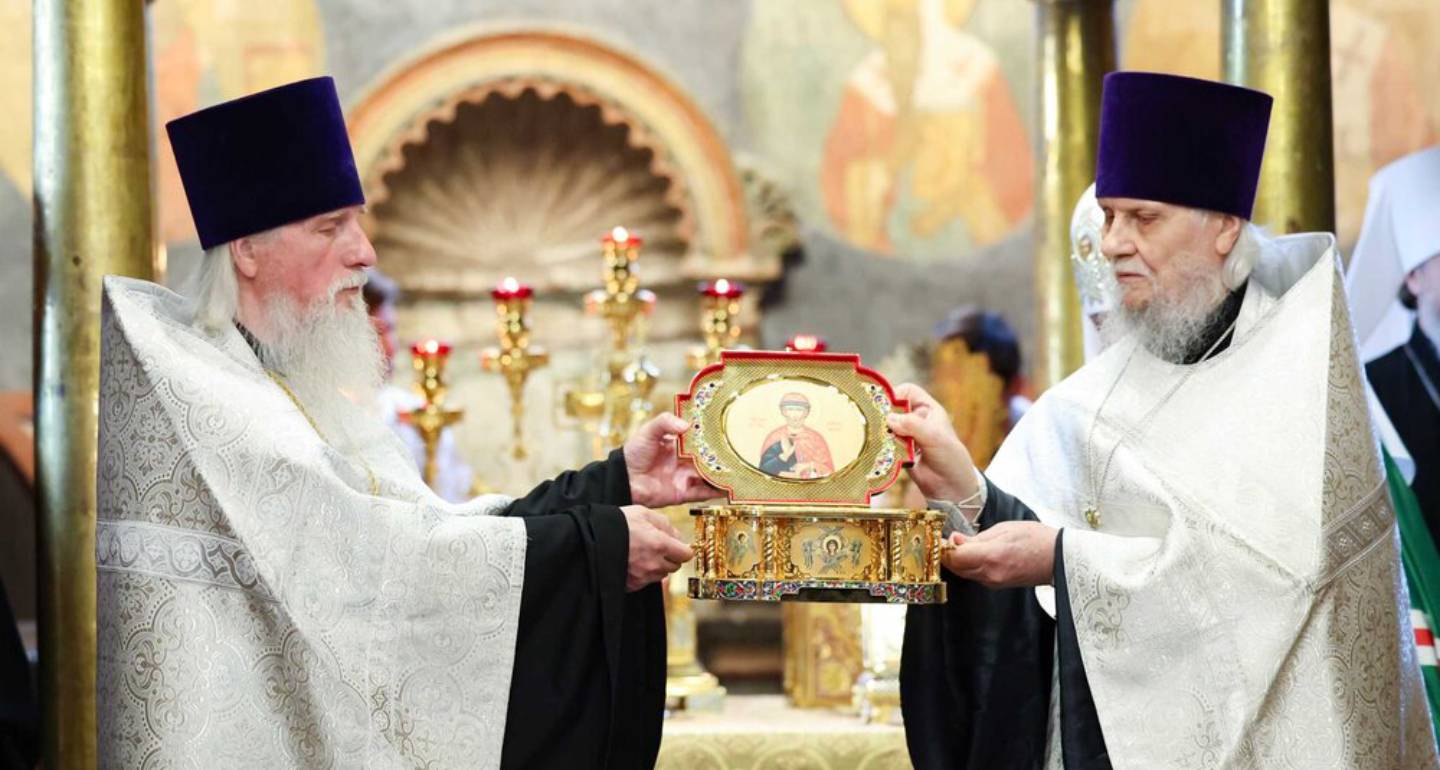
The recent uncovering of Dmitry Donskoy’s relics in the Cathedral of the Archangel is yet another attempt by the Russian Orthodox Church to help the state solve its problems. However, parroting the state’s version of Russian history leaves the Church with no message except “patriotism.”
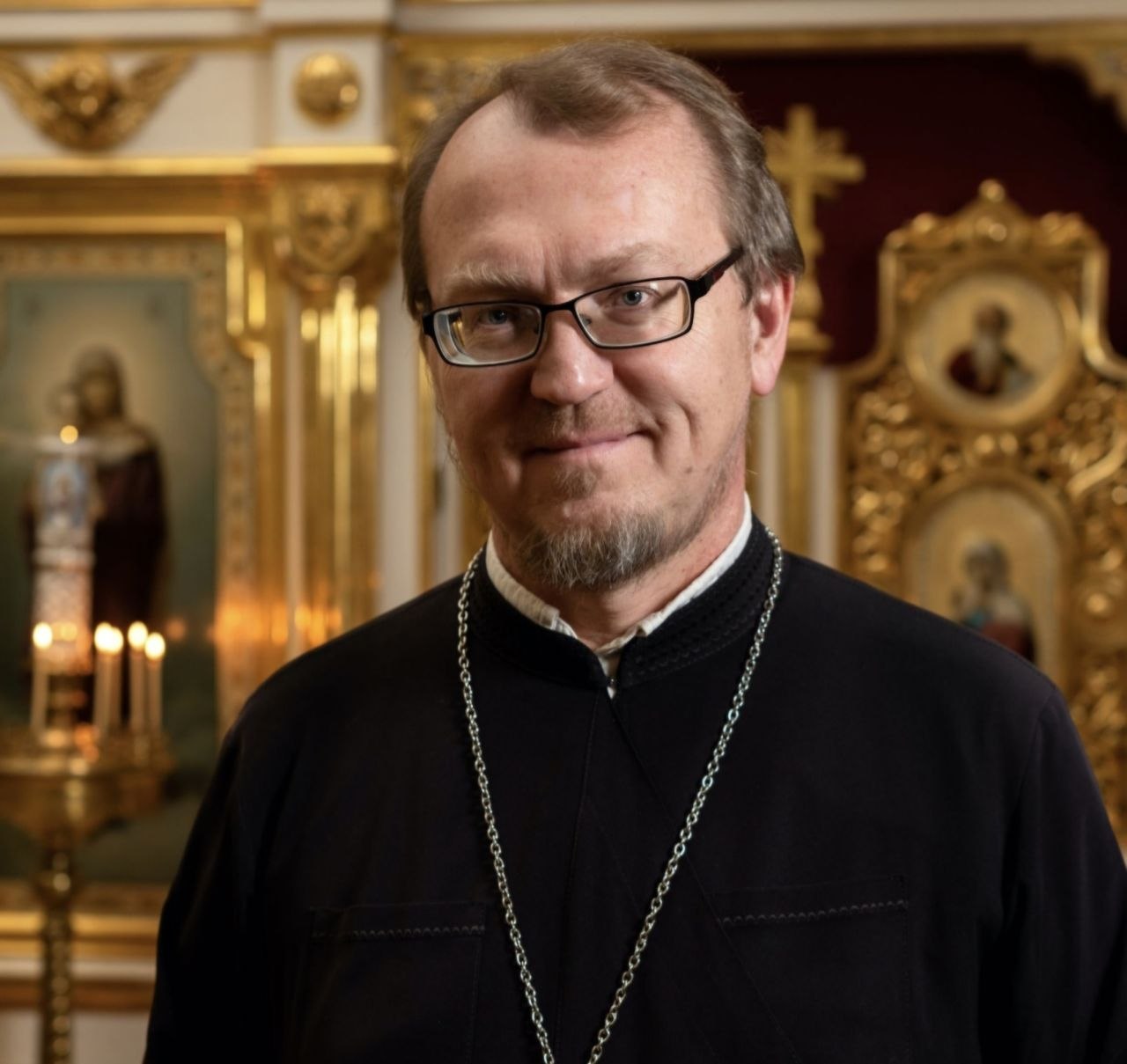
Alexander Zanemonets

With the growth in points of friction between the great powers, organizations like the SCO will continue to play a role in the strategic adaptation of the smaller powers caught between them.

Temur Umarov

Canadian Prime Minister Mark Carney has twice inspired praise for standing up to U.S. President Donald Trump: at the 2026 World Economic Forum in Davos and on Canada-U.S. trade negotiations. Is Carney showing a third way better than the EU has in dealing with the Trump administration?

Rym Momtaz, ed.