

Commentary
By fueling the arguments of both supporters and opponents of Armenian Prime Minister Nikol Pashinyan, Azerbaijan wants to ensure he is re-elected with a weaker mandate.
Bashir Kitachaev
{
  "authors": [
    "Ukraine Reform Monitor Team"
  ],
  "type": "other",
  "centerAffiliationAll": "dc",
  "centers": [
    "Carnegie Endowment for International Peace",
    "Carnegie Europe"
  ],
  "collections": [
    "Ukraine Reform Monitor"
  ],
  "englishNewsletterAll": "ctw",
  "nonEnglishNewsletterAll": "",
  "primaryCenter": "Carnegie Endowment for International Peace",
  "programAffiliation": "russia",
  "programs": [
    "Russia and Eurasia"
  ],
  "projects": [
    "Reforming Ukraine"
  ],
  "regions": [
    "Eastern Europe",
    "Ukraine"
  ],
  "topics": [
    "Political Reform",
    "Economy",
    "Security",
    "Foreign Policy"
  ]
}
Source: Getty
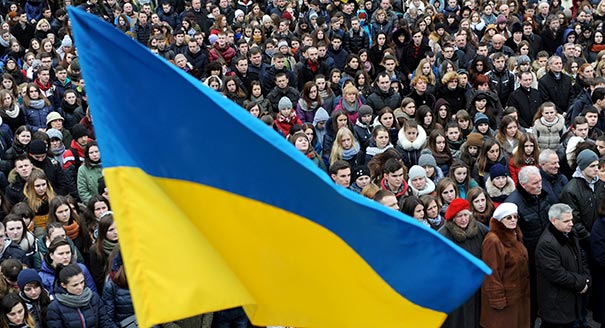
Ukraine is in danger of repeating its experience after the 2004 Orange Revolution, when reformers won the vote in national elections but failed to govern effectively.
The Ukraine Reform Monitor provides independent, rigorous assessments of the extent and quality of reforms in Ukraine. The Carnegie Endowment has assembled an independent team of Ukraine-based scholars to analyze reforms in four key areas. This fifth memo covers the period from mid-February to mid-April 2016. The monitor is supported in part by a grant from the Open Society Foundations.
At the start of 2016, Ukraine plunged into a major political crisis that paralyzed both the executive and the legislative branches. The governing reform coalition that was propelled to power in 2014 came apart, torn by long-simmering rivalries and mutual accusations of corruption.
The consequences for Ukraine have been severe. The IMF had been holding up a package of financial assistance even before the crisis erupted, and the government paralysis has created a standoff until Kyiv demonstrates its commitment to, in the words of IMF Managing Director Christine Lagarde, “improving governance and fighting corruption, and reducing the influence of vested interests in policymaking.” Although a new prime minister has been appointed and a new coalition formed, the government’s reformist reputation has been dealt a serious blow, and the country’s image abroad has been tarnished. Ukraine’s supporters now have a much harder task before them to make the case for EU financial and technical assistance. Ukraine is in danger of repeating its experience after the 2004 Orange Revolution, when reformers won the vote in national elections but failed to govern effectively and descended into endless cycles of acrimony and recrimination.
Since the Ukraine Reform Monitor began in summer 2015, the reform process has presented a mixed picture.
Ukraine Reform Monitor Team
Carnegie does not take institutional positions on public policy issues; the views represented herein are those of the author(s) and do not necessarily reflect the views of Carnegie, its staff, or its trustees.

By fueling the arguments of both supporters and opponents of Armenian Prime Minister Nikol Pashinyan, Azerbaijan wants to ensure he is re-elected with a weaker mandate.

Bashir Kitachaev
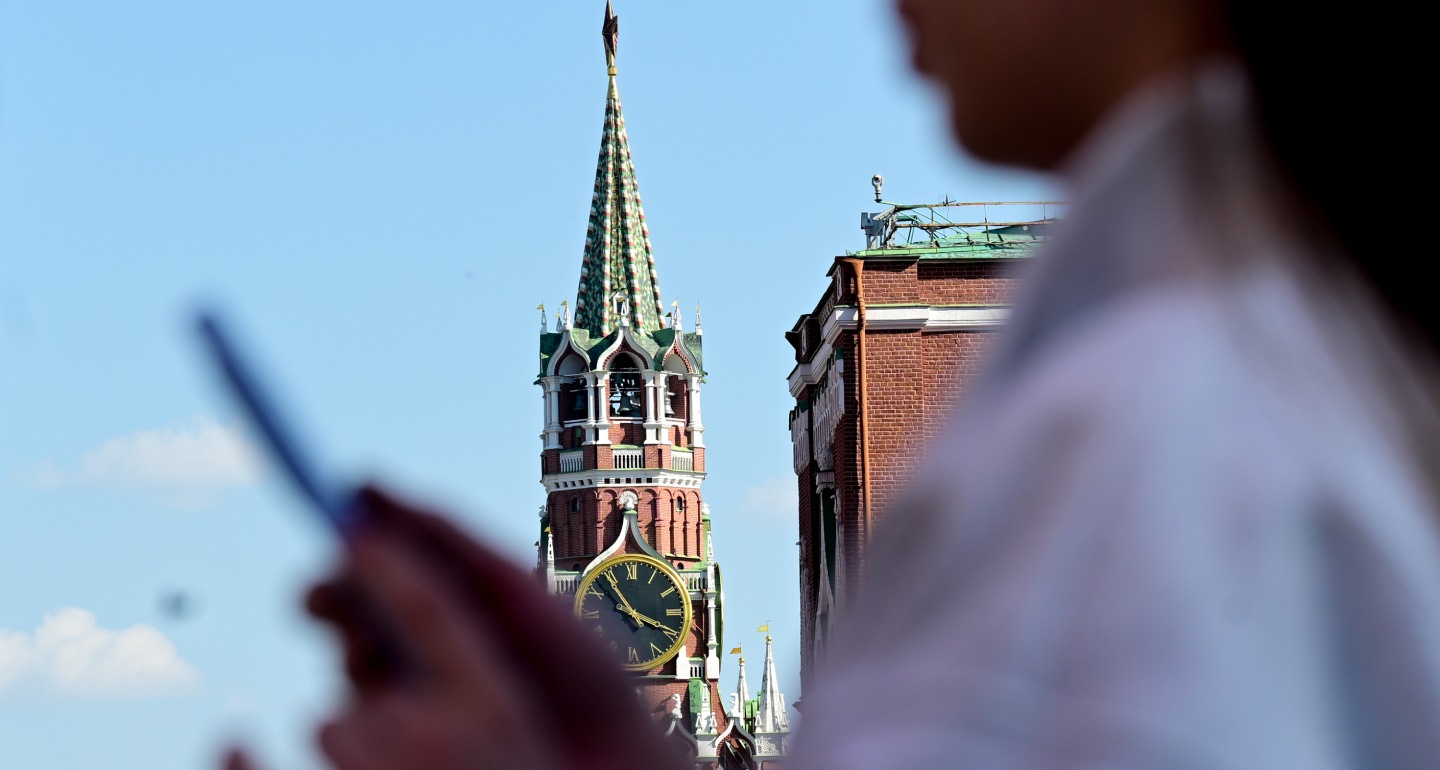
A much-discussed disagreement over internet restrictions in Russia was never an existential threat for Putin: It was about elite groups protecting their interests.

Alexandra Prokopenko

This piece argues that India’s central challenge is not managing a single flashpoint but resolving the underlying tension between expansion and institutional coherency of the BRICS grouping.

Vrinda Sahai
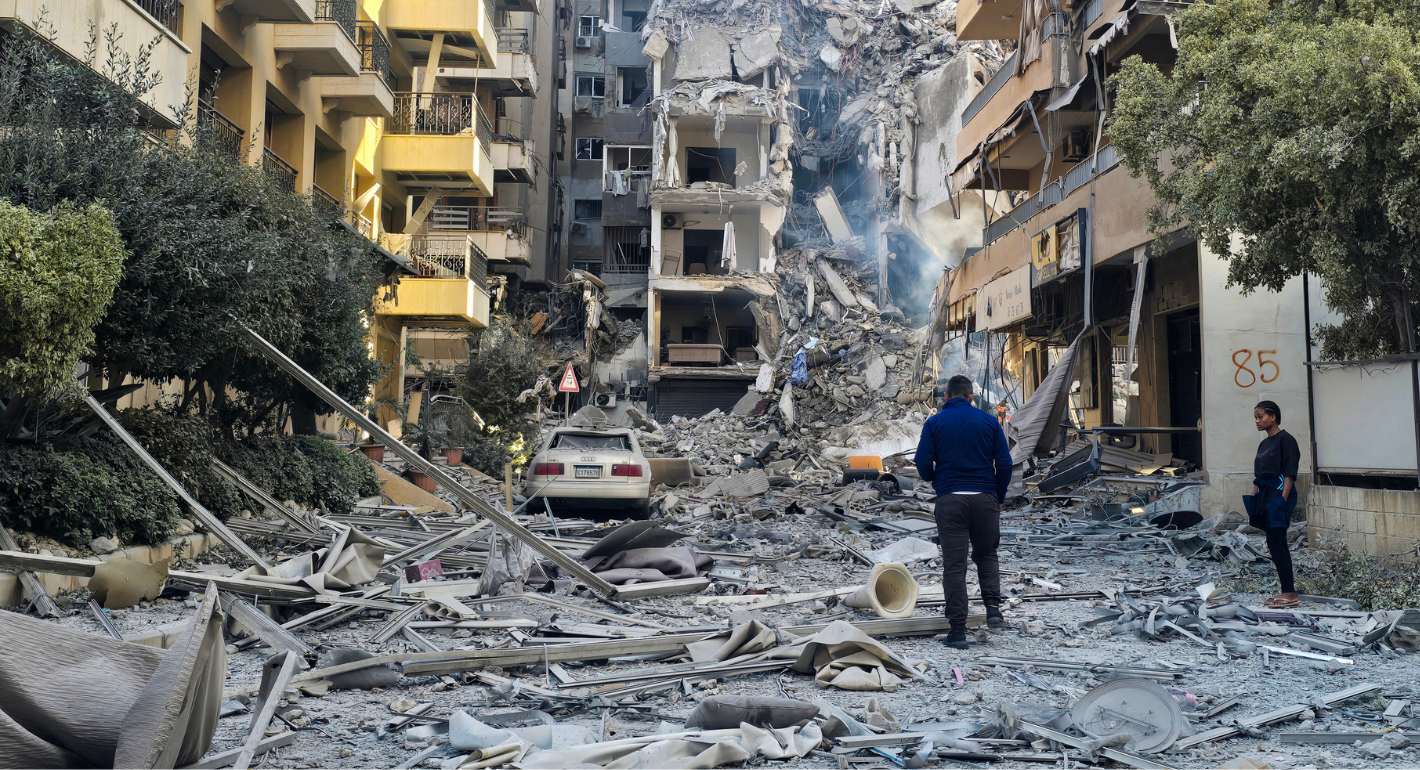
Europe seems to have accepted its sidelining in the Middle East. The EU must reassert its support for the international rules-based order and step up engagement.

Rym Momtaz
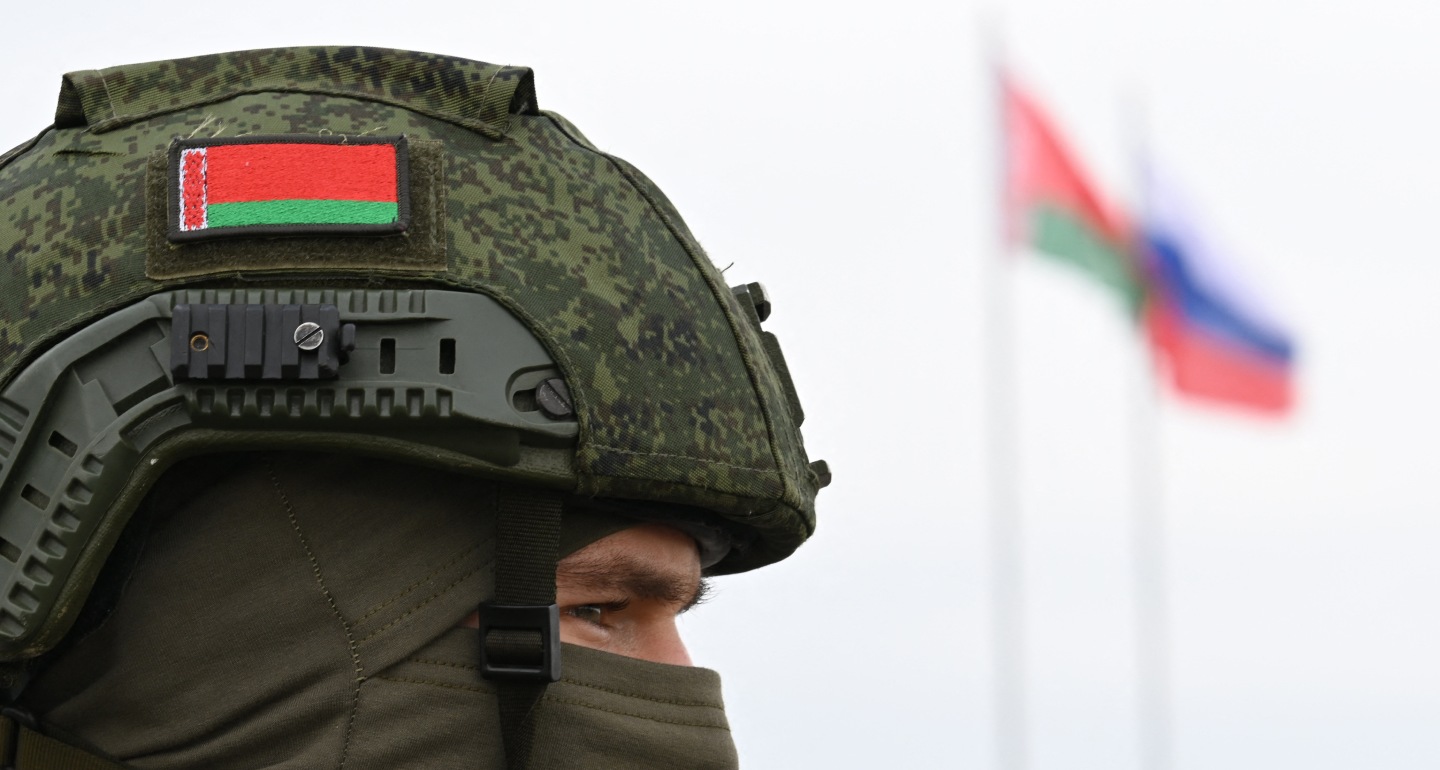
By reminding the world that Lukashenko is a threat to NATO and Ukraine, Kyiv is trying to return the focus to why the Belarusian regime needs to be contained rather than rewarded.

Artyom Shraibman