

Commentary
Sarah Chayes
{
  "authors": [
    "Sarah Chayes"
  ],
  "type": "legacyinthemedia",
  "centerAffiliationAll": "dc",
  "centers": [
    "Carnegie Endowment for International Peace"
  ],
  "collections": [
    "Anti-Corruption"
  ],
  "englishNewsletterAll": "democracy",
  "nonEnglishNewsletterAll": "",
  "primaryCenter": "Carnegie Endowment for International Peace",
  "programAffiliation": "DCG",
  "programs": [
    "Democracy, Conflict, and Governance"
  ],
  "projects": [],
  "regions": [],
  "topics": [
    "Political Reform",
    "Democracy"
  ]
}
Source: Getty
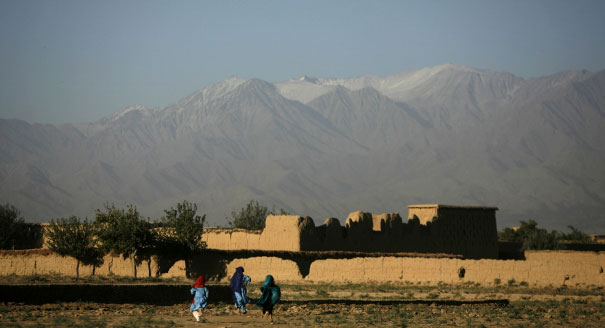
Confronting corruption at a deep level demands a significant cultural shift away from money and income as a primary virtue, and an intellectual movement away from treating corruption as a victimless crime.
Source: Global Dispatches
Speaking to Mark Leon Goldberg of Global Dispatches, Carnegie’s Sarah Chayes talked about about her scholarship, career, and life experiences. She explained that corruption, driven by kleptocratic networks which wheld private, public, and rising criminal sector actors, is driving violence and insurgency worldwide. Ultimately, she concluded, confronting corruption at a deep level demands a significant cultural shift away from money and income as a primary virtue, and an intellectual movement away from treating corruption as a victimless crime.
This interview was originally broadcast by Global Dispatches.
Former Senior Fellow, Democracy, Conflict, and Governance Program
Sarah Chayes is internationally recognized for her innovative thinking on corruption and its implications. Her work explores how severe corruption can help prompt such crises as terrorism, revolutions and their violent aftermaths, and environmental degradation.
Recent Work
Sarah Chayes
Carnegie does not take institutional positions on public policy issues; the views represented herein are those of the author(s) and do not necessarily reflect the views of Carnegie, its staff, or its trustees.
The new Serbian leadership may have promised to keep on cooperating with Russia, but soon they will have to make a choice between fighting corruption and sealing lucrative deals with Moscow. The two are mutually exclusive, even if the new leaders in Belgrade haven’t yet realized it.
Maksim Samorukov
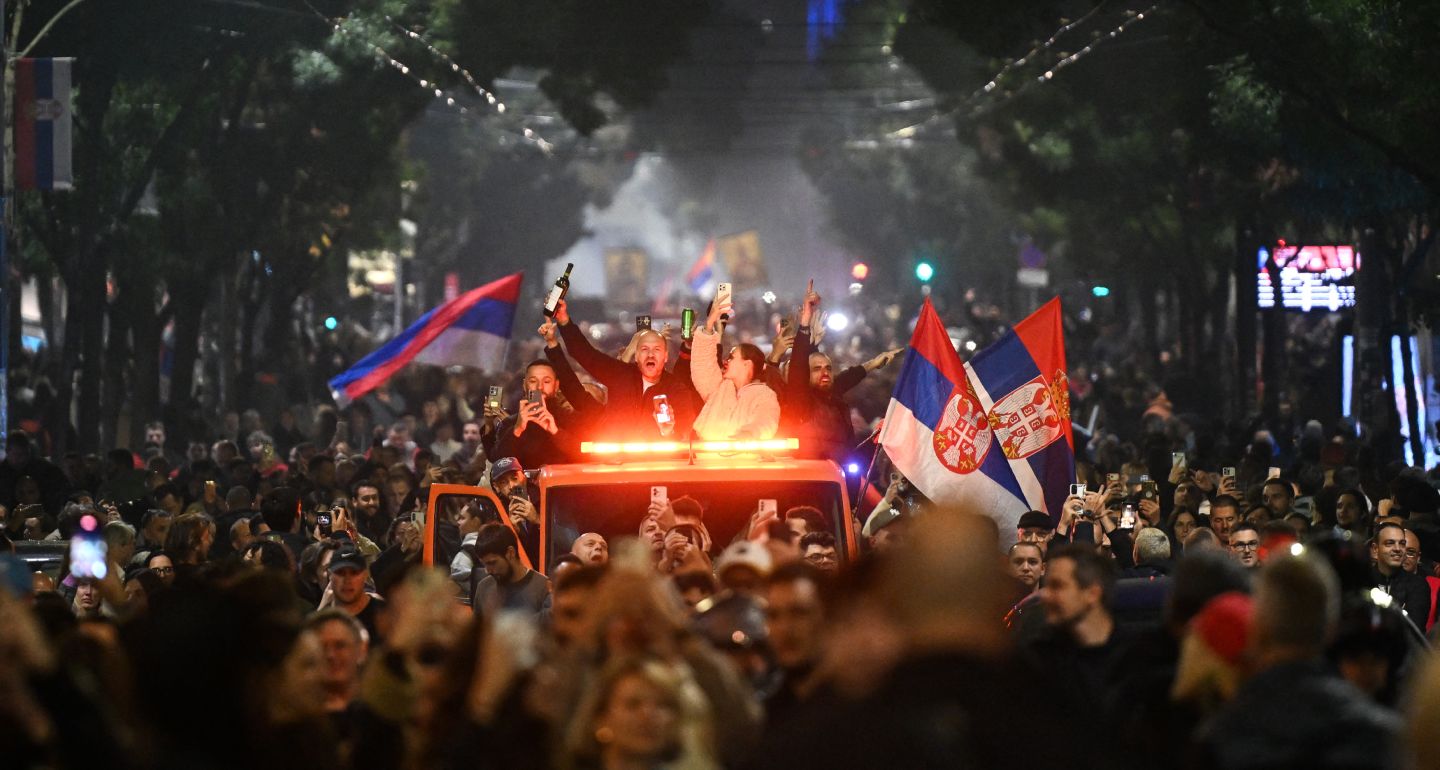
Serbia’s electoral earthquake is an extremely rare example of an entire political system being defeated by street protesters who played by the rules.
Alexander Baunov

The concept authored by Sergei Kiriyenko and his team can be considered not only an apologia for the Putin regime, but also a blueprint for Russia’s future configuration.
Andrey Pertsev

The illusion of reproducing the ideology would come at the cost of the continent’s prosperity.
Giovanna De Maio
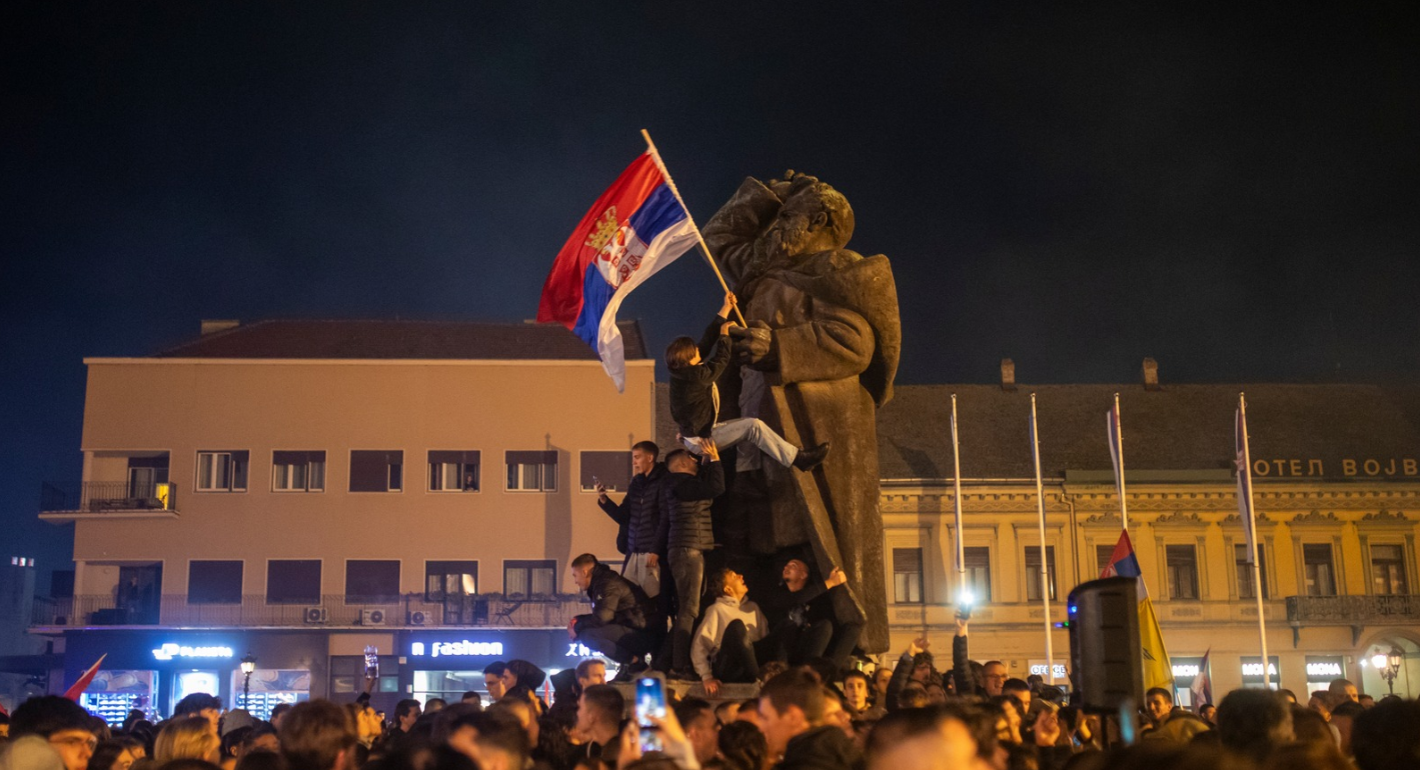
Excitement is in the air following Aleksandar Vučić’s defeat in Serbia. To build a truly democratic state, the movement that unseated the former president must learn from the mistakes of the past.
Ivan Vejvoda