

Research
- +4
Milan Vaishnav, Rahul Verma, Rukmini S., …
{
  "authors": [
    "Christophe Jaffrelot"
  ],
  "type": "other",
  "centerAffiliationAll": "dc",
  "centers": [
    "Carnegie Endowment for International Peace"
  ],
  "collections": [],
  "englishNewsletterAll": "ctw",
  "nonEnglishNewsletterAll": "",
  "primaryCenter": "Carnegie Endowment for International Peace",
  "programAffiliation": "SAP",
  "programs": [
    "South Asia"
  ],
  "projects": [],
  "regions": [
    "South Asia",
    "India"
  ],
  "topics": [
    "Democracy",
    "Economy"
  ]
}
Source: Getty
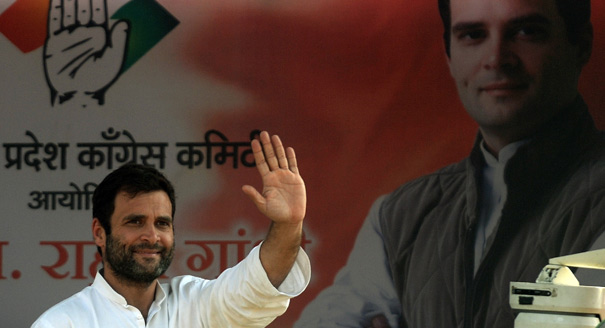
Caste politics are partially returning to Gujarat, as the Patel caste has begun to back Congress once more. Their shift away from the BJP is in response to growing inequality.
Source: Studies in Indian Politics
The Patels, a dominant caste of Gujarat, rallied around the Congress in the 1920s and remained behind the ruling party until the 1980s, when they shifted to the Bharatiya Janata Party (BJP) because of the pro-Other Backward Classes (OBCs) reservation policy of the Congress Chief Minister Madhavsinh Solanki. As evident from the 2015 local elections, rural Patels are getting back to Congress. They resent the fact that the BJP, the ruling party for almost two decades, refuses to include Patels on the list of the OBCs. This demand, articulated by Hardik Patel, and other youth leaders, reflects the growing socio-economic inequalities within this caste group, not only because of the gap between peasants and urban dwellers but also because of the scarcity of good jobs in the private sectors, one of the outcomes of the ‘Gujarat model’....
This article was originally published in Studies in Indian Politics.

Former Nonresident Scholar, South Asia Program
Jaffrelot’s core research focuses on theories of nationalism and democracy, mobilization of the lower castes and Dalits (ex-untouchables) in India, the Hindu nationalist movement, and ethnic conflicts in Pakistan.
Recent Work


Milan Vaishnav, Rahul Verma, Rukmini S., …
Christophe Jaffrelot
Carnegie does not take institutional positions on public policy issues; the views represented herein are those of the author(s) and do not necessarily reflect the views of Carnegie, its staff, or its trustees.

The Bureau of Industry and Security needs to adjust its focus and practices to maintain its position as the U.S. government’s primary champion of international technological competition.

Geoffrey Irving

Despite myriad challenges and occasional stumbles, the new Hungarian government is moving ahead with energy and conviction to uproot years of illiberalism and corruption and rebuild Hungarian democracy.

Thomas Carothers

Depleted financial reserves and a shrinking tax base mean it is no longer possible to simultaneously deliver high defense spending, price stability, and economic growth.

Alexandra Prokopenko

Radical-right parties are expected to do well in upcoming elections in four of the EU's biggest member states. If successful, they could prevent the union from addressing key challenges ahead.

Stefan Lehne

U.S. trading partners in Asia are closely watching the dispute for signs of how it may affect their own interests.

Barbara Weisel