

Paper
Chung Min Lee
{
  "authors": [
    "Chung Min Lee"
  ],
  "type": "other",
  "centerAffiliationAll": "dc",
  "centers": [
    "Carnegie Endowment for International Peace"
  ],
  "collections": [
    "Inside Korea"
  ],
  "englishNewsletterAll": "asia",
  "nonEnglishNewsletterAll": "",
  "primaryCenter": "Carnegie Endowment for International Peace",
  "programAffiliation": "AP",
  "programs": [
    "Asia"
  ],
  "projects": [],
  "regions": [
    "East Asia",
    "South Korea"
  ],
  "topics": [
    "Security",
    "Foreign Policy"
  ]
}
Source: Getty
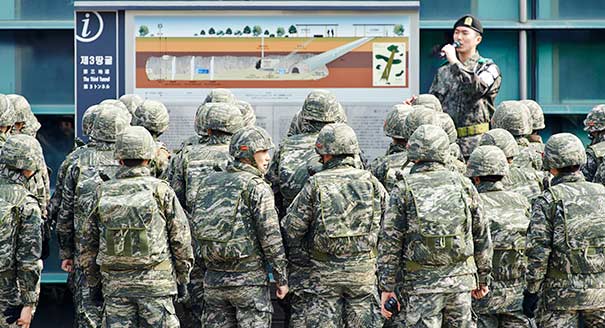
Given that South Korea is the only country on the entire Asian continent where the United States continues to deploy ground forces and air assets, the U.S. alliance with the Republic of Korea plays a critical role in supporting U.S. power projection in Northeast Asia and by extension, in East Asia.
Source: Breakthrough on the Peninsula: Third Offset Strategies and the Future Defense of Korea
Given that South Korea is the only country on the entire Asian continent where the United States continues to deploy ground forces and air assets, the U.S. alliance with the Republic of Korea plays a critical role in supporting America’s power projection in Northeast Asia and by extension, in East Asia. The focus of this chapter is on how the Third Offset Strategy will affect U.S. power projection capabilities on the Korean Peninsula. The chapter is organized around three broad questions. First, how will future U.S. power projection capabilities built largely to cope with rising Chinese military power affect the alliance? Second, what operational burdens and challenges could the alliance face following regime collapse or other major political turbulence in North Korea? Third, what impact might the Third Offset have on South Korea’s own medium- to longer-term force modernization and defense reform pathways?
These questions attempt to identify some of the dynamics that could be triggered by the implementation of a Third Offset, combined with the ROK armed
forces’ own offset strategies and programs to cope more effectively with North Korea’s growing asymmetrical capabilities. In short, this chapter seeks to capture the strategic ramifications of the Third Offset for the U.S.-ROK alliance and Northeast Asia.
Read full text

Senior Fellow, Asia Program
Chung Min Lee is a senior fellow in Carnegie’s Asia Program. He is an expert on Korean and Northeast Asian security, defense, intelligence, and crisis management.
Recent Work
Chung Min Lee
Carnegie does not take institutional positions on public policy issues; the views represented herein are those of the author(s) and do not necessarily reflect the views of Carnegie, its staff, or its trustees.
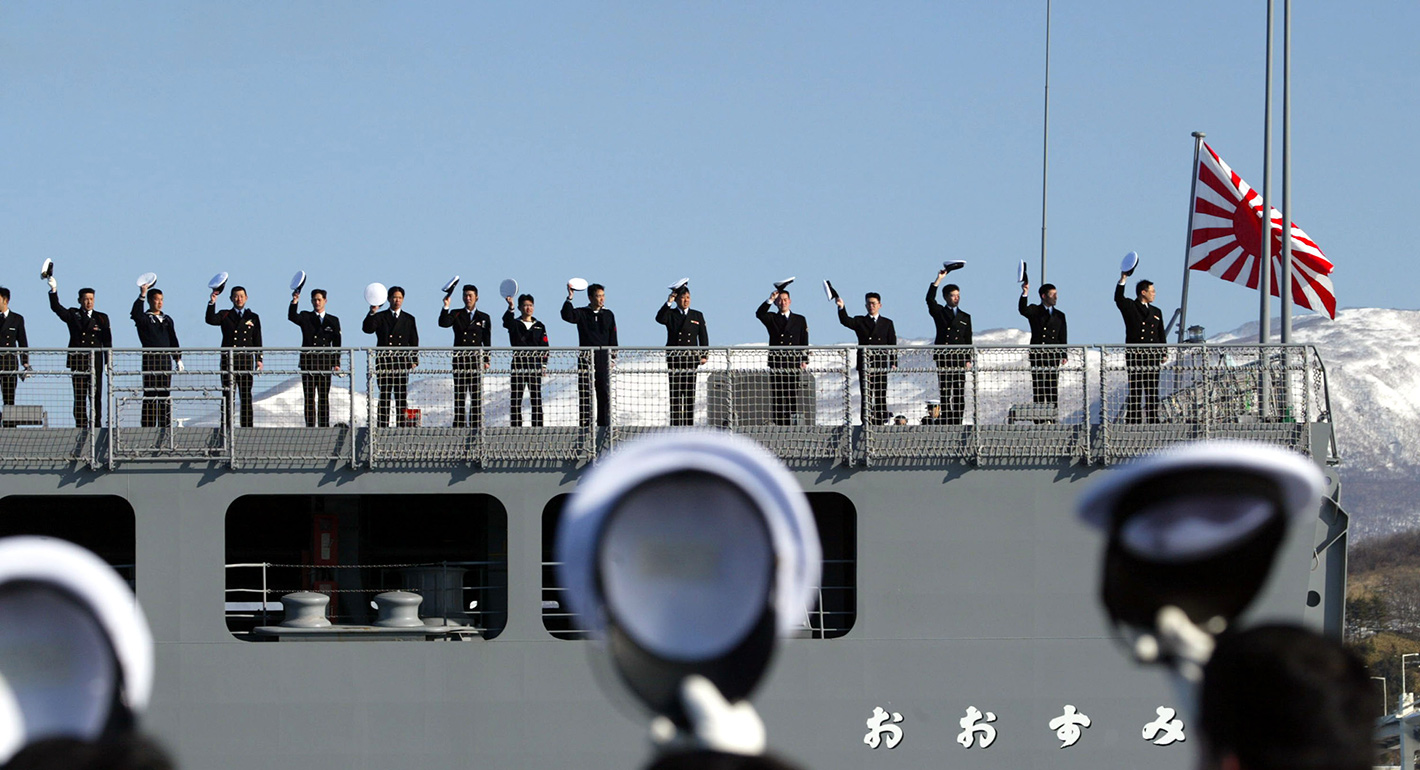
Japan’s response to U.S. pressure over Hormuz highlights a broader dilemma: How to preserve the alliance while remaining bound by legal limits, public opinion, and an Asia-centered security agenda. Tokyo gained diplomatic space through an alliance-embracing strategy, but only under conditions that may not endure.

Ryo Sahashi
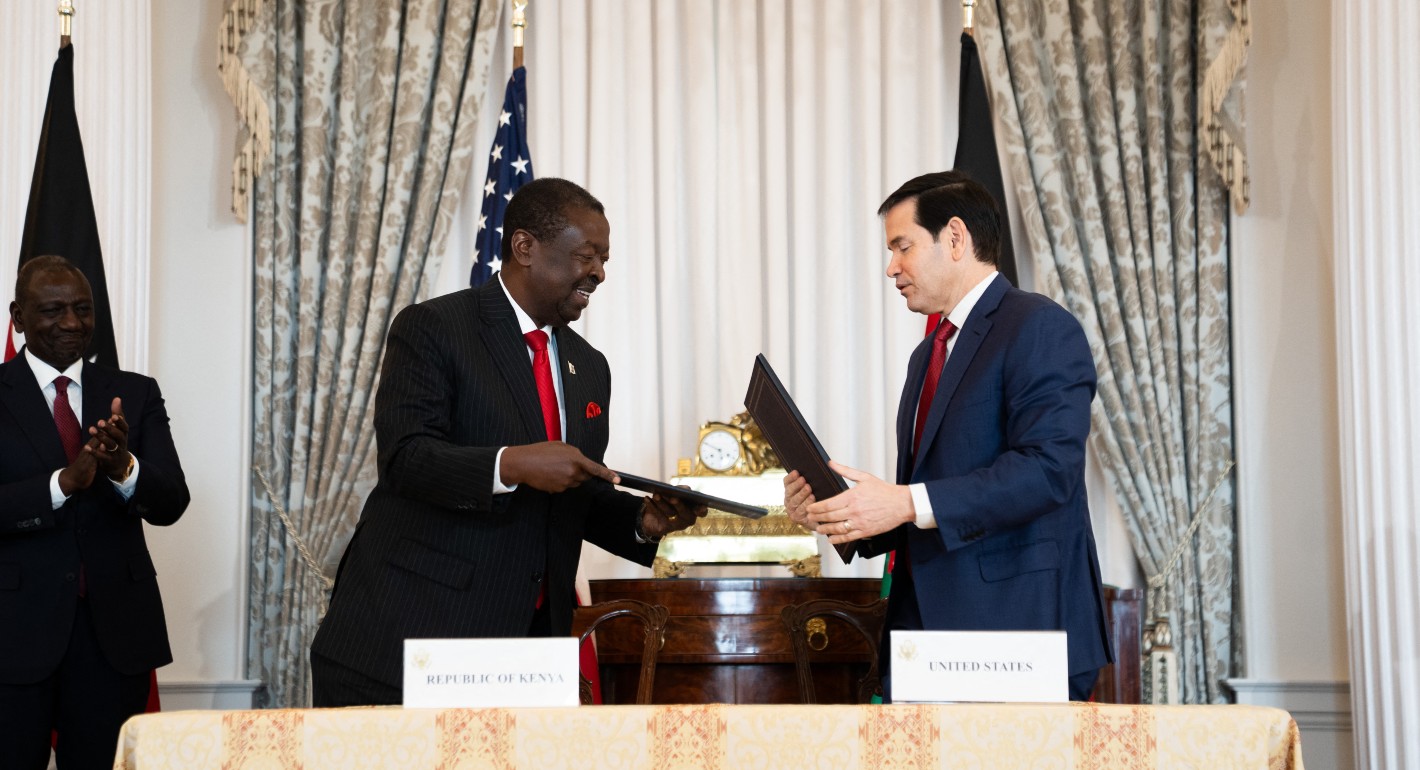
U.S. agreements must contend with national data protection laws to make durable foreign policy instruments.


Jane Munga, Rose Mosero
A conflict launched in the name of American security is producing the opposite effect.

Sarah Yerkes
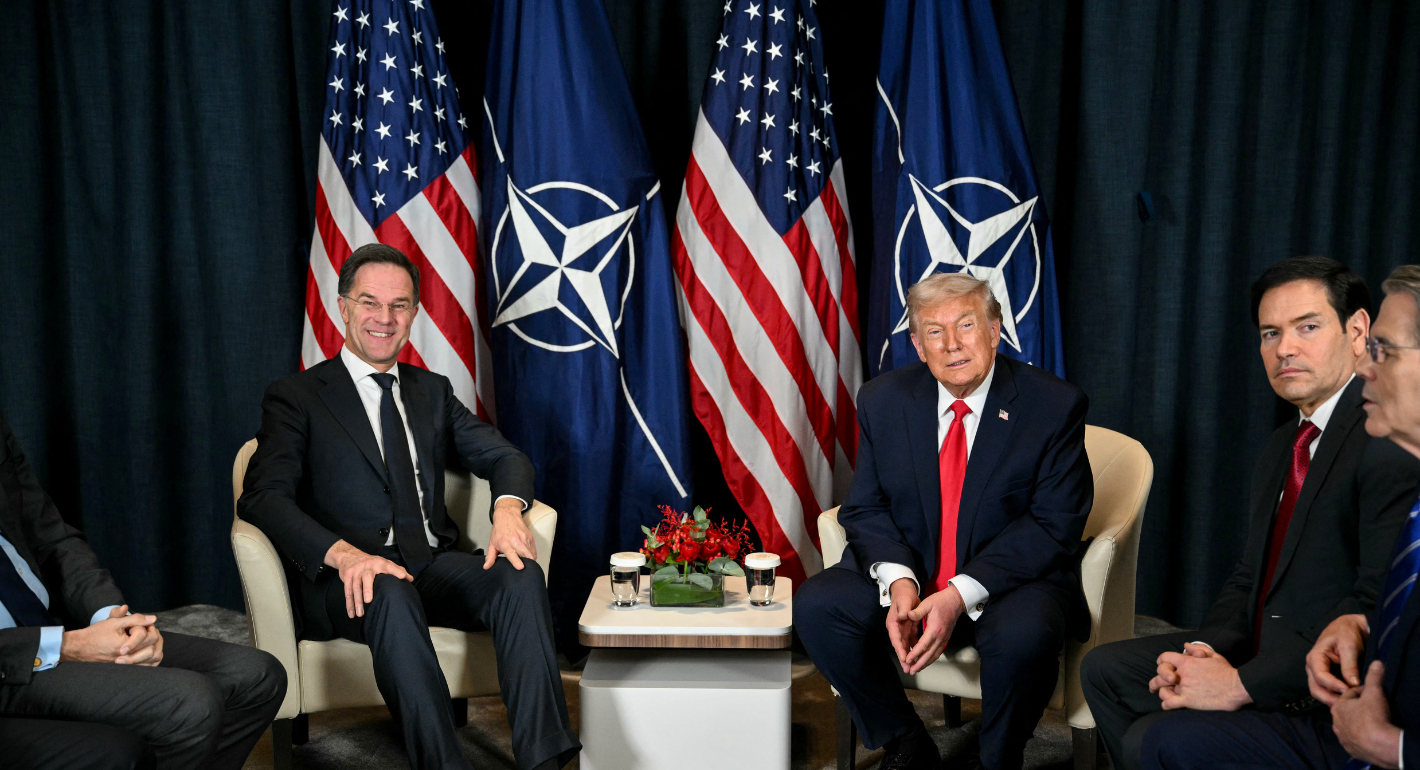
Donald Trump has demanded that European allies send ships to the Strait of Hormuz while his war of choice in Iran rages on. He has constantly berated NATO while the alliance’s secretary-general has emphatically supported him.

Rym Momtaz, ed.

Trump 2.0 has unsettled India’s external environment—but has not overturned its foreign policy strategy, which continues to rely on diversification, hedging, and calibrated partnerships across a fractured order.



Milan Vaishnav, ed., Sameer Lalwani, Tanvi Madan, …