

Commentary
- +11
Cornelius Adebahr, Dan Baer, Rosa Balfour, …
{
  "authors": [
    "Erik Brattberg"
  ],
  "type": "legacyinthemedia",
  "centerAffiliationAll": "dc",
  "centers": [
    "Carnegie Endowment for International Peace"
  ],
  "collections": [],
  "englishNewsletterAll": "ctw",
  "nonEnglishNewsletterAll": "",
  "primaryCenter": "Carnegie Endowment for International Peace",
  "programAffiliation": "EP",
  "programs": [
    "Europe"
  ],
  "projects": [
    "Carnegie Oil Initiative"
  ],
  "regions": [
    "North America",
    "United States",
    "Western Europe",
    "Iran"
  ],
  "topics": [
    "Climate Change",
    "Foreign Policy"
  ]
}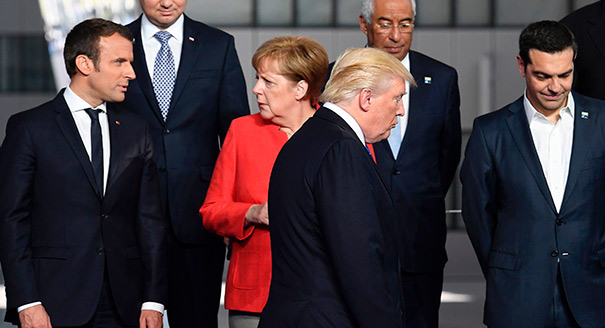
Source: Getty
A U.S. withdrawal from the Paris Climate Agreement could have significant repercussions for U.S.-EU relations.
Source: CGTN
U.S. President Donald Trump described last week’s European trip as “a great success for America. Hard work but big results!” However, that is not how many others viewed his trip, including German Chancellor Angela Merkel. And on Wednesday, Trump caused further consternation among Western leaders by tweeting that the United States is withdrawing from the Paris climate agreement within the “next few days.” How will the decision impact U.S.-EU relations? CGTN’s Liu Xin is joined by Erik Brattberg, director of the Carnegie Europe Program at the Carnegie Endowment for International Peace, from Washington; and in Bonn by Dr. Hans-Dieter Heumann, former president of the Federal Academy for Security Policy in Berlin.
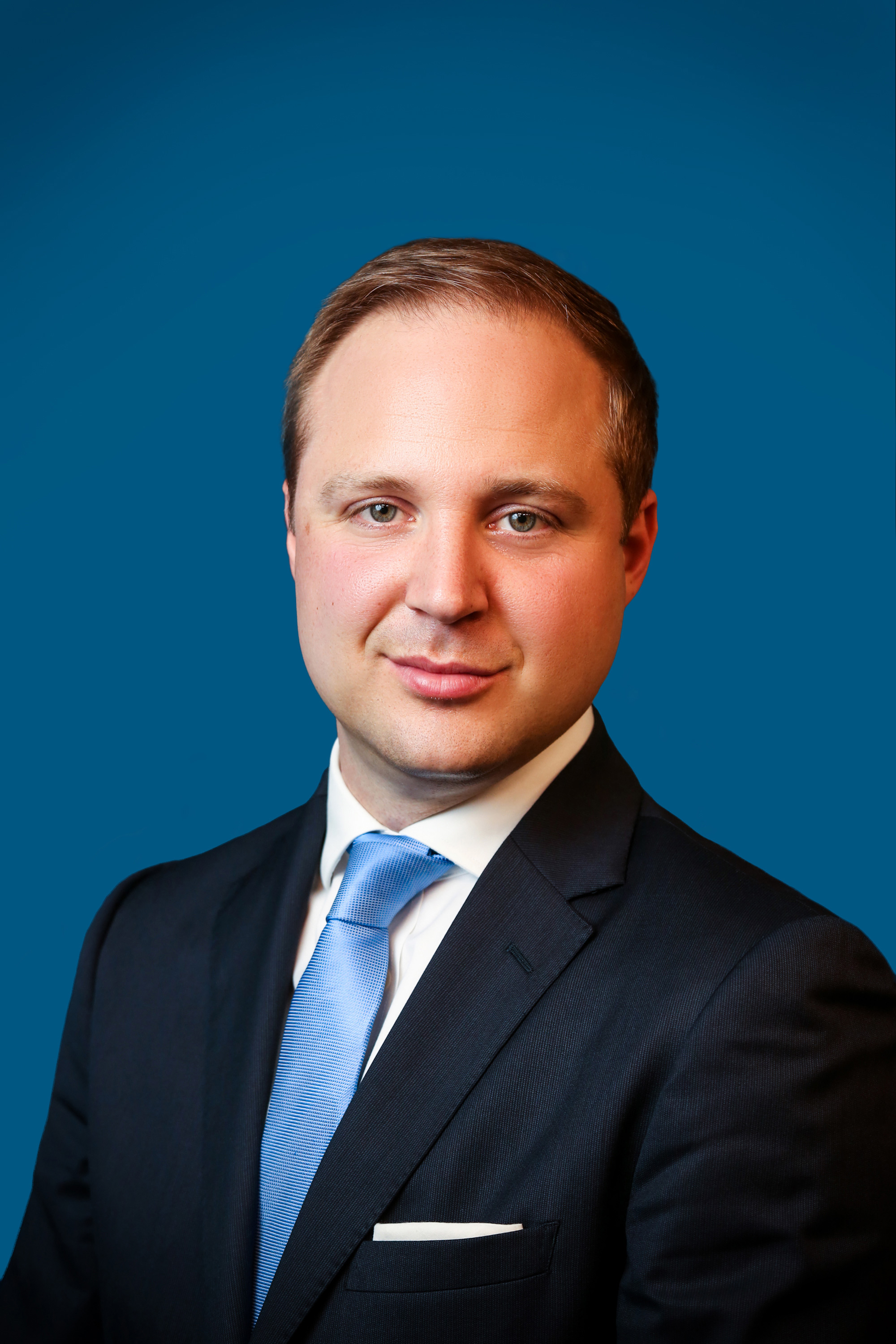
Former Director, Europe Program, Fellow
Erik Brattberg was director of the Europe Program and a fellow at the Carnegie Endowment for International Peace in Washington. He is an expert on European politics and security and transatlantic relations.
Recent Work


Cornelius Adebahr, Dan Baer, Rosa Balfour, …

Erik Brattberg, Philippe Le Corre, Paul Stronski, …
Carnegie does not take institutional positions on public policy issues; the views represented herein are those of the author(s) and do not necessarily reflect the views of Carnegie, its staff, or its trustees.
Russia’s maximalist demands are preventing any serious attempt at ending the war in Ukraine. To make peace a realistic prospect, Putin must recognize that diplomacy is a two-way street.
Kadri Liik
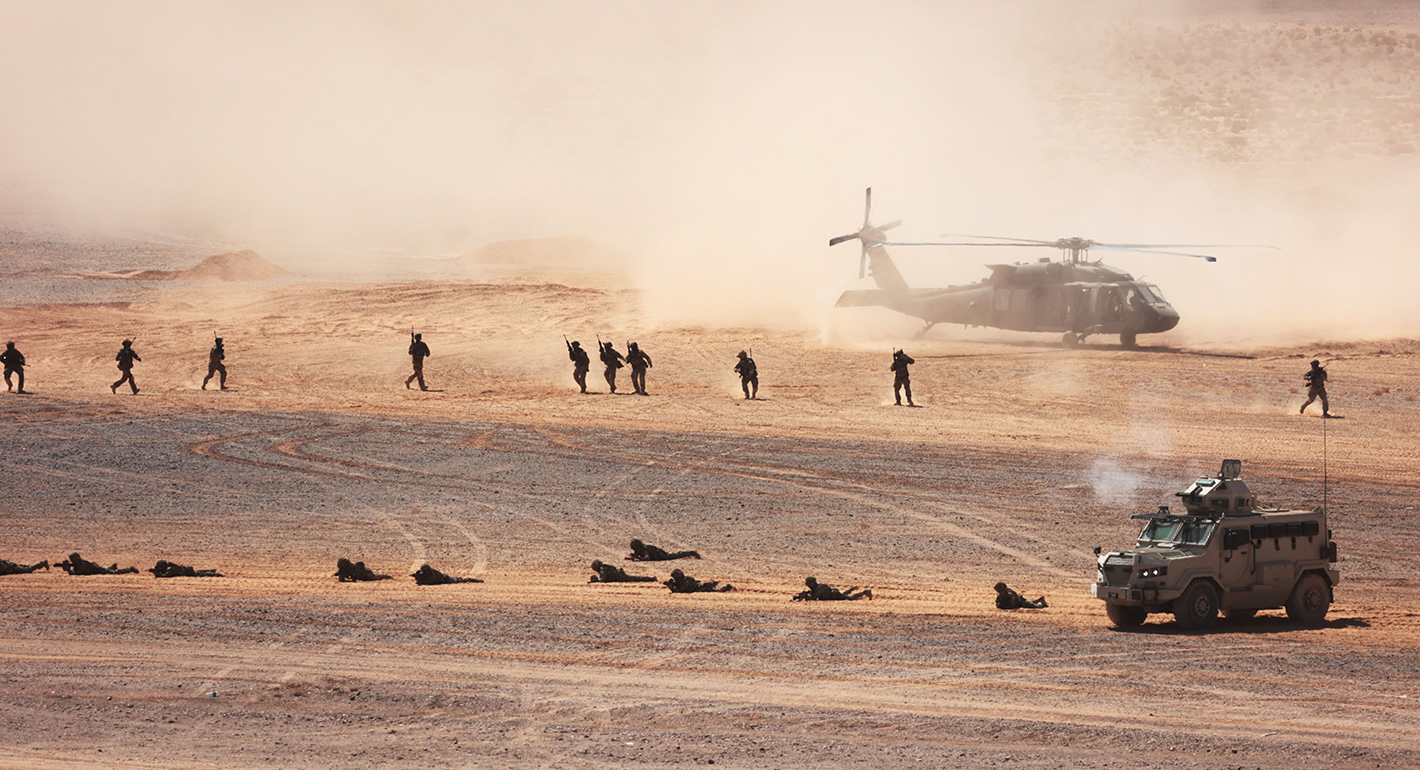
An overreliance on coercive military action has moved the United States further from its goals in the Middle East and North Africa.
Amr Hamzawy, Kathryn Selfe
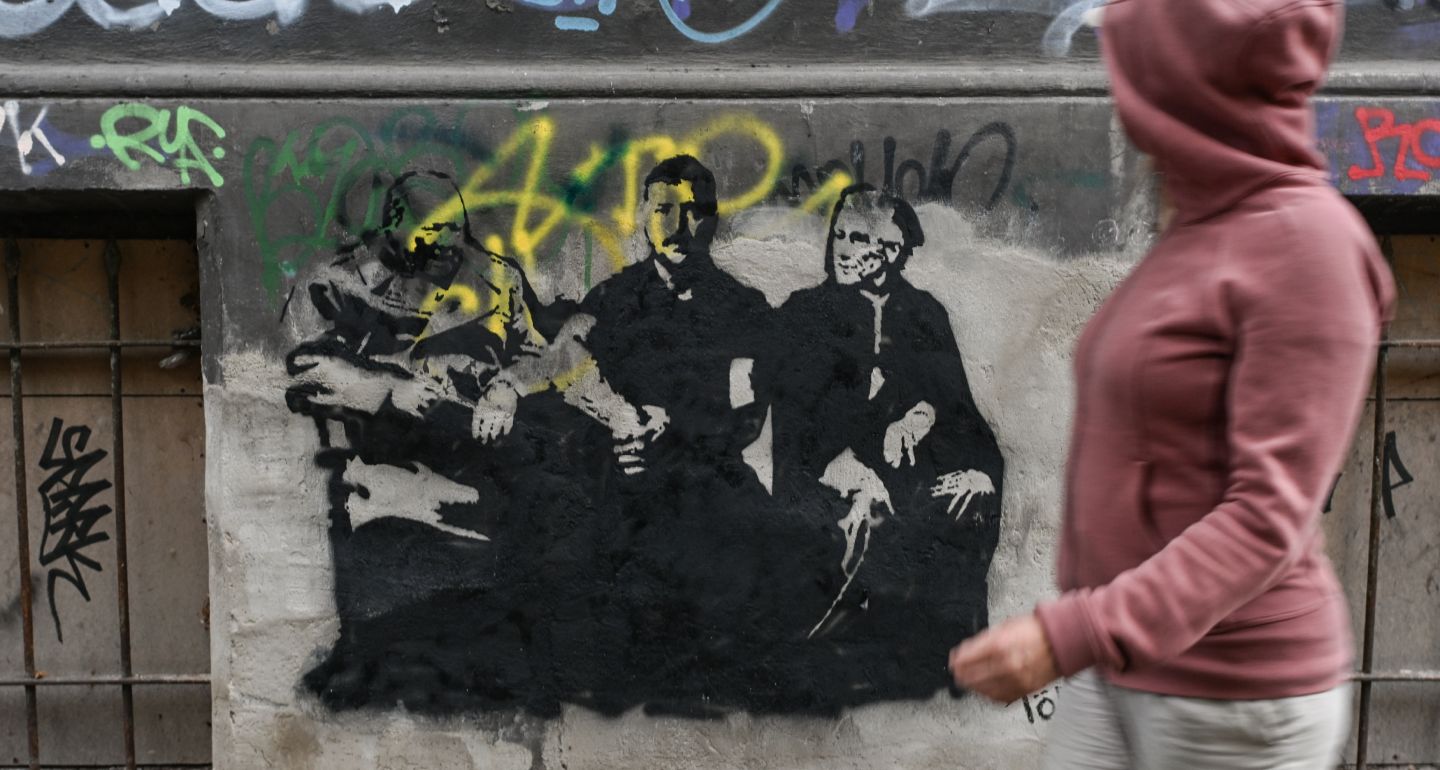
The concrete goal of an end to the hostilities in Ukraine has been replaced by a host of vague Russian demands concerning a range of issues and regions.
Alexander Baunov
Conference delegates must decide whether their legacy will be stalled progress or a major step forward.

Shana Tabak

In an increasingly competitive landscape, Seoul should expand its current partnership with Washington and deepen ties with Brussels and New Delhi.

Darcie Draudt-Véjares, Milo McBride