

Report
- +2
George Perkovich, Jessica Tuchman Mathews, Joseph Cirincione, …
{
  "authors": [
    "Jon Wolfsthal"
  ],
  "type": "other",
  "centerAffiliationAll": "dc",
  "centers": [
    "Carnegie Endowment for International Peace"
  ],
  "collections": [
    "Korean Peninsula"
  ],
  "englishNewsletterAll": "ctw",
  "nonEnglishNewsletterAll": "",
  "primaryCenter": "Carnegie Endowment for International Peace",
  "programAffiliation": "NPP",
  "programs": [
    "Nuclear Policy"
  ],
  "projects": [],
  "regions": [
    "East Asia",
    "North Korea"
  ],
  "topics": [
    "Nuclear Policy",
    "Arms Control"
  ]
}
Source: Getty
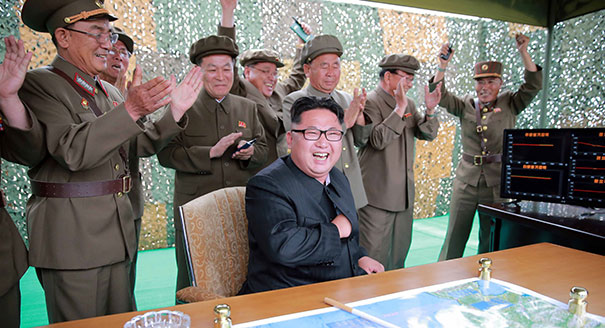
Kim Jong Un is likely to view President Trump much like his predecessors—as a president who doesn’t like North Korea’s nuclear capabilities but with few realistic options for stopping it.
Source: Politico
Most Americans think North Korea is a crazy place, led by a crazy man bent on global destruction. This view, of course, is almost completely wrong and explains in part why the current public discussion about what to do with a nuclear North Korea is so unsatisfying. Far from crazy, Kim Jong Un has been methodical and careful enough in advancing his nuclear and missile programs to suggest that he is deterred by America’s overwhelming military capabilities, and at the very least is not eager to spark a military conflict—at least not yet.
But what does Kim think of us? If we are going to continue to rely, as we have for decades, on deterrence to prevent a major conflict on the Korean Peninsula, it helps to know both a little about who we are trying to deter and what our deterrence partner thinks about America. As a senior director in the Obama White House charged with coordinating nonproliferation policy, I thought about this question a lot as we tried to ensure our actions and words intended to influence North Korea would send the right deterrent and diplomatic messages to Pyongyang.
This article was originally published in Politico
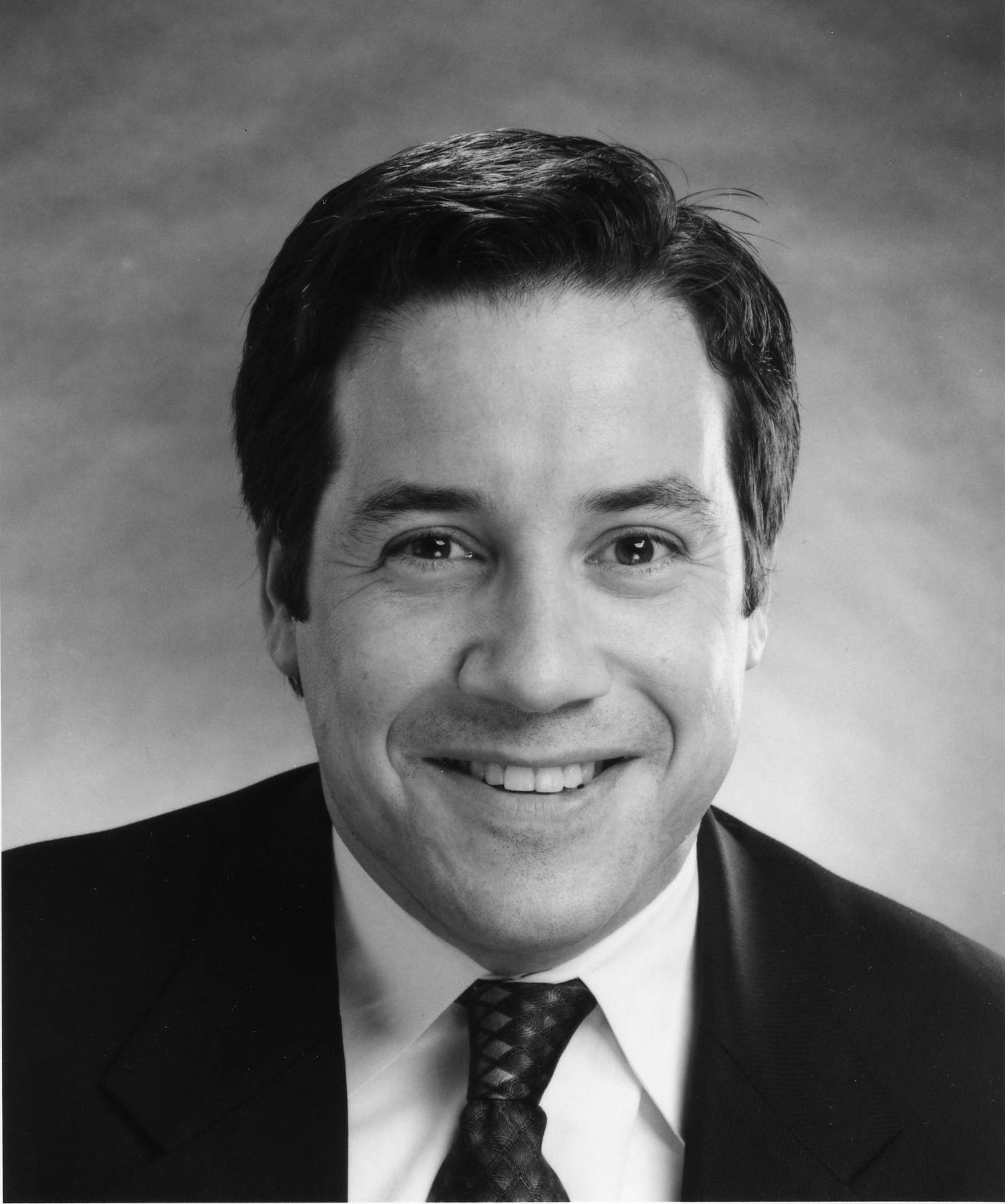
Former Nonresident Scholar, Nuclear Policy Program
Jon Wolfsthal was a nonresident scholar with the Nuclear Policy Program.
Recent Work



George Perkovich, Jessica Tuchman Mathews, Joseph Cirincione, …
Jon Wolfsthal
Carnegie does not take institutional positions on public policy issues; the views represented herein are those of the author(s) and do not necessarily reflect the views of Carnegie, its staff, or its trustees.
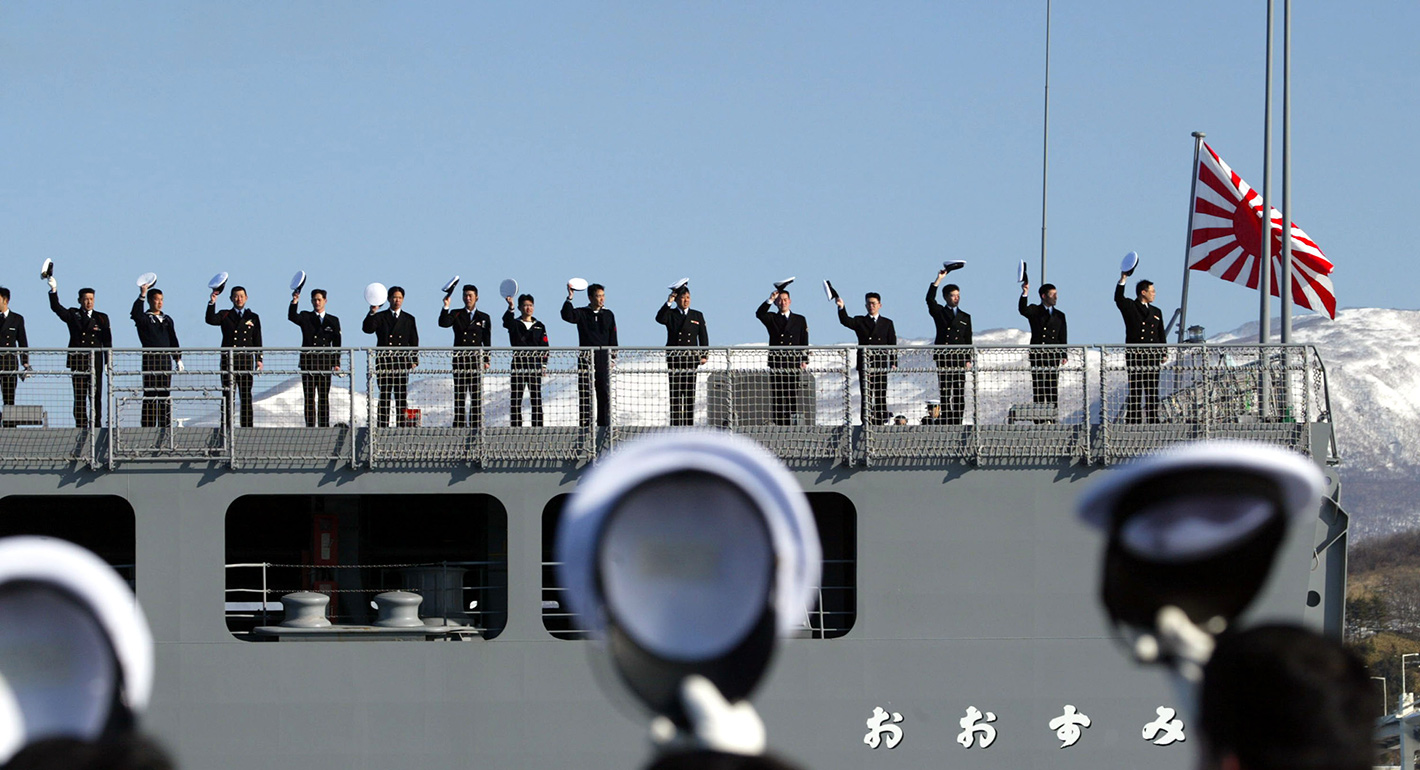
Japan’s response to U.S. pressure over Hormuz highlights a broader dilemma: How to preserve the alliance while remaining bound by legal limits, public opinion, and an Asia-centered security agenda. Tokyo gained diplomatic space through an alliance-embracing strategy, but only under conditions that may not endure.
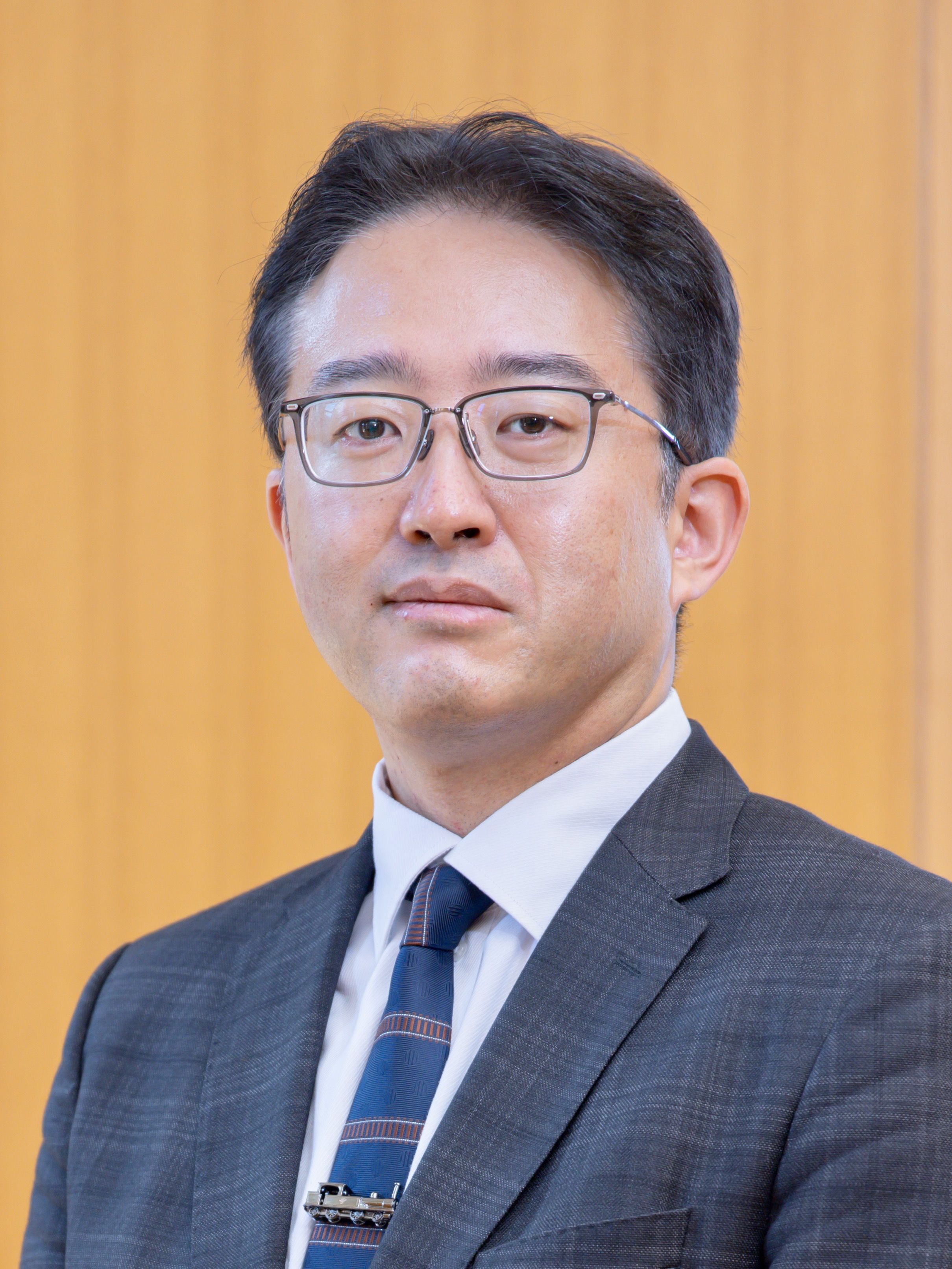
Ryo Sahashi
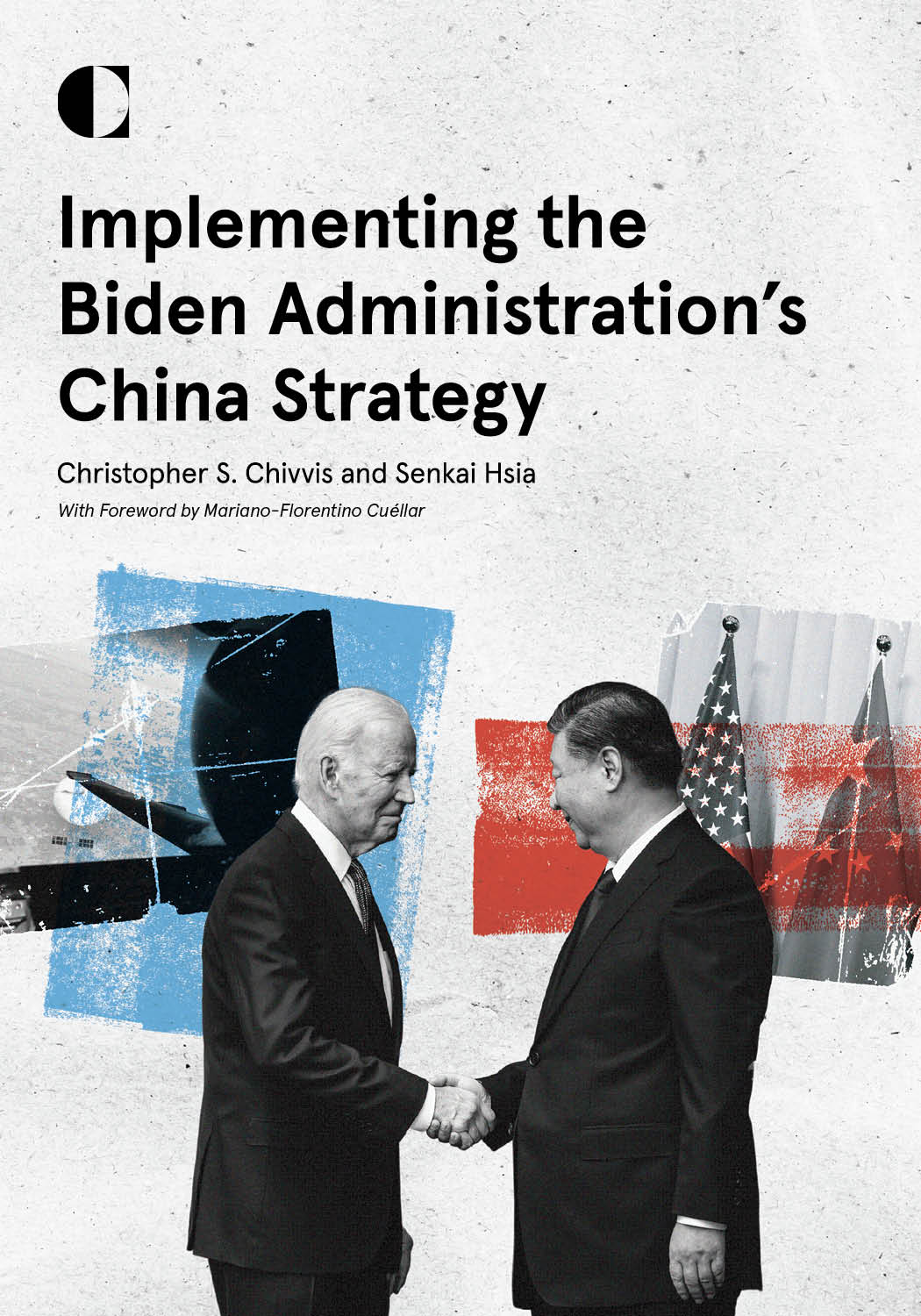
At the heart of Biden’s approach to China was the consolidation of a framework for strategic competition with an eye toward coexistence.
Christopher S. Chivvis, Senkai Hsia
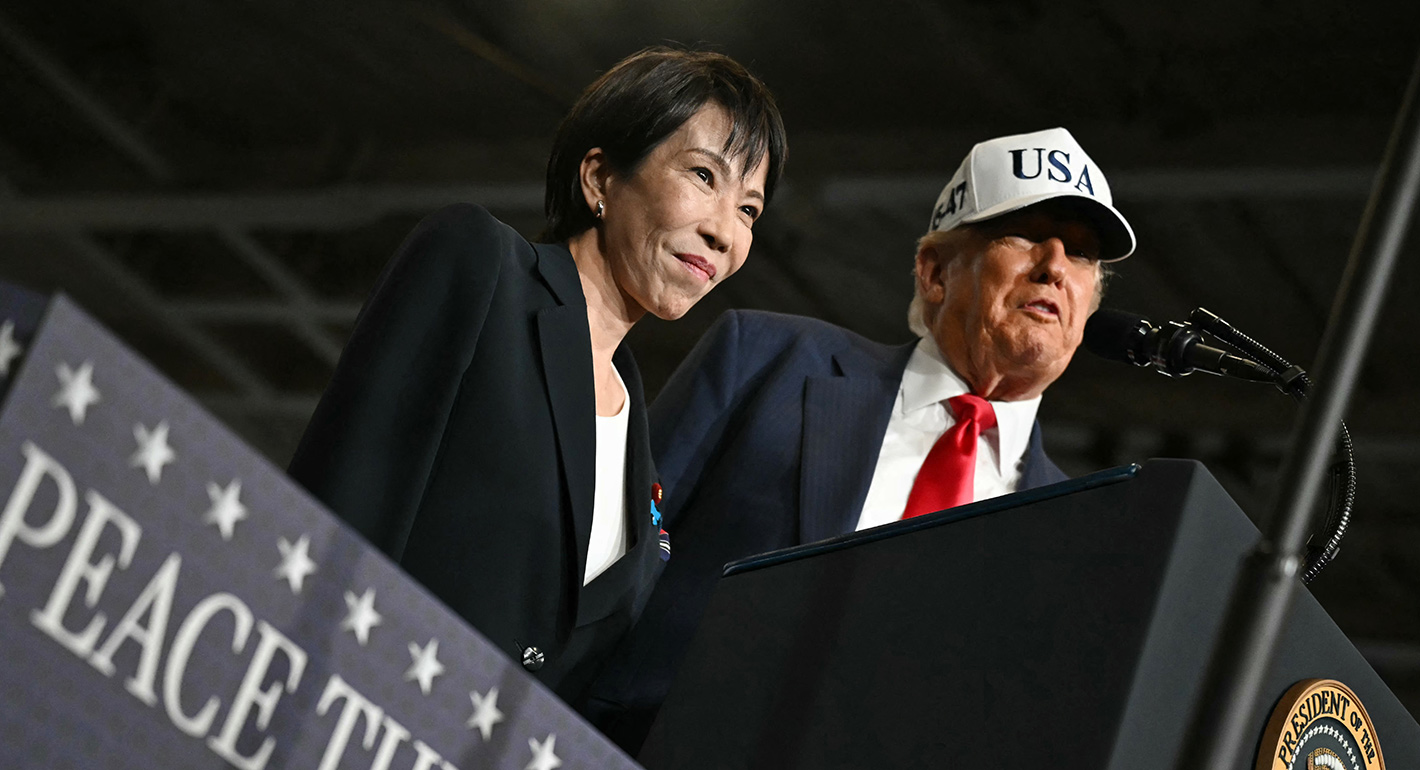
Backed by a new LDP supermajority, Prime Minister Takaichi aspires to revise Japan’s long-standing security doctrine. Ahead of her visit to Washington, she faces fiscal hurdles for her proposed defense spending while needing to navigate President Trump’s request for naval assets to the Strait of Hormuz.
Harukata Takenaka
Japan’s prime minister, Takaichi Sanae, may kickstart a discussion on Japan’s non-nuclear principles.
Shizuka Kuramitsu

French President Emmanuel Macron has unveiled his country’s new nuclear doctrine. Are the changes he has made enough to reassure France’s European partners in the current geopolitical context?

Rym Momtaz, ed.