

Article
Garima Mohan
{
  "authors": [
    "Garima Mohan"
  ],
  "type": "other",
  "centerAffiliationAll": "",
  "centers": [
    "Carnegie Endowment for International Peace",
    "Carnegie India"
  ],
  "collections": [],
  "englishNewsletterAll": "",
  "nonEnglishNewsletterAll": "",
  "primaryCenter": "Carnegie India",
  "programAffiliation": "",
  "programs": [],
  "projects": [],
  "regions": [],
  "topics": [
    "Foreign Policy"
  ]
}
Source: Getty
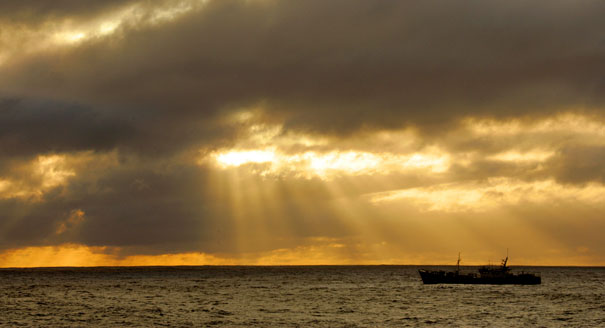
The Indian Ocean, despite its geographical distance, has significant economic and strategic importance for Germany and Europe.
Source: Global Public Policy Institute
The Indian Ocean, despite its geographical distance, has significant economic and strategic importance for Germany and Europe. A majority of European sea trade transits through the Ocean, along with half of Germany’s sea-borne supply and two-thirds of all containers carrying German exports. The Indian Ocean is also Germany’s primary gateway to the Asia-Pacific markets, which receive the second largest share of German exports after Europe, constituting 18.5 percent of all exports. In addition to being a conduit for trade, the Indian Ocean Region (IOR) is a driver of growth itself, which has recalibrated the region’s economic importance for Germany and Europe. With their high growth rates, emerging markets in South Asia and East Africa are important investment destinations. Increasing regional integration, demand for maritime technologies and infrastructure, emerging ‘Blue Economy’, and untapped mineral and energy reserves in the Ocean offer several economic opportunities.
Related to its economic importance, maritime security in the Indian Ocean is of vital interest to Germany as well. As an exporting nation, it is highly dependent on unimpeded maritime trade routes in the Indian Ocean. In addition, the Indian Ocean contains strategic chokepoints including the Straits of Hormuz and Malacca through which 34 million barrels of crude oil and petroleum are transported per day towards Europe and Asia – constituting 61 percent of the global maritime oil trade. Germany’s dependence on these trade and energy sea-lines of communication (SLOCs) makes securing them necessary.
However, both economic opportunities in the region and the security of sea-lanes will be impacted significantly by changing dynamics in the Indian Ocean – particularly the increasing geopolitical and geo-economic competition. This study analyzes the most important developments in the IOR focusing on the changing security dynamics, economic shifts, and emerging multilateral arrangements. It investigates the opportunities and challenges these create for Germany and Europe, and outlines what German engagement in the Indian Ocean could look like.
Former Nonresident Fellow, Carnegie India
Garima Mohan was a nonresident fellow at Carnegie India. Her research focuses on the foreign and security policies of rising powers, particularly that of India, and on Europe-India relations.
Recent Work
Garima Mohan
Carnegie does not take institutional positions on public policy issues; the views represented herein are those of the author(s) and do not necessarily reflect the views of Carnegie, its staff, or its trustees.

The conflict is exposing the deep energy vulnerabilities of Korea’s chip industry.


Darcie Draudt-Véjares, Tim Sahay
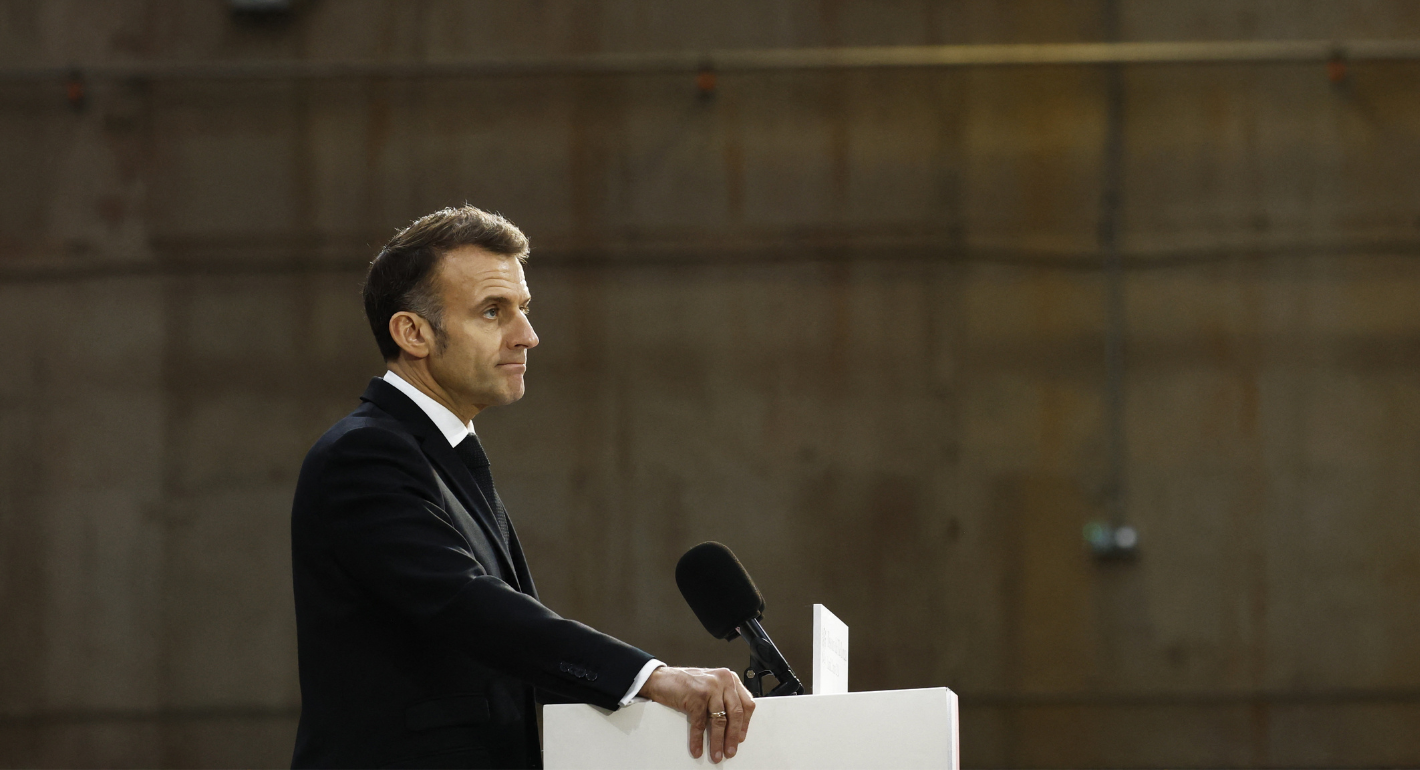
French President Emmanuel Macron has unveiled his country’s new nuclear doctrine. Are the changes he has made enough to reassure France’s European partners in the current geopolitical context?

Rym Momtaz, ed.
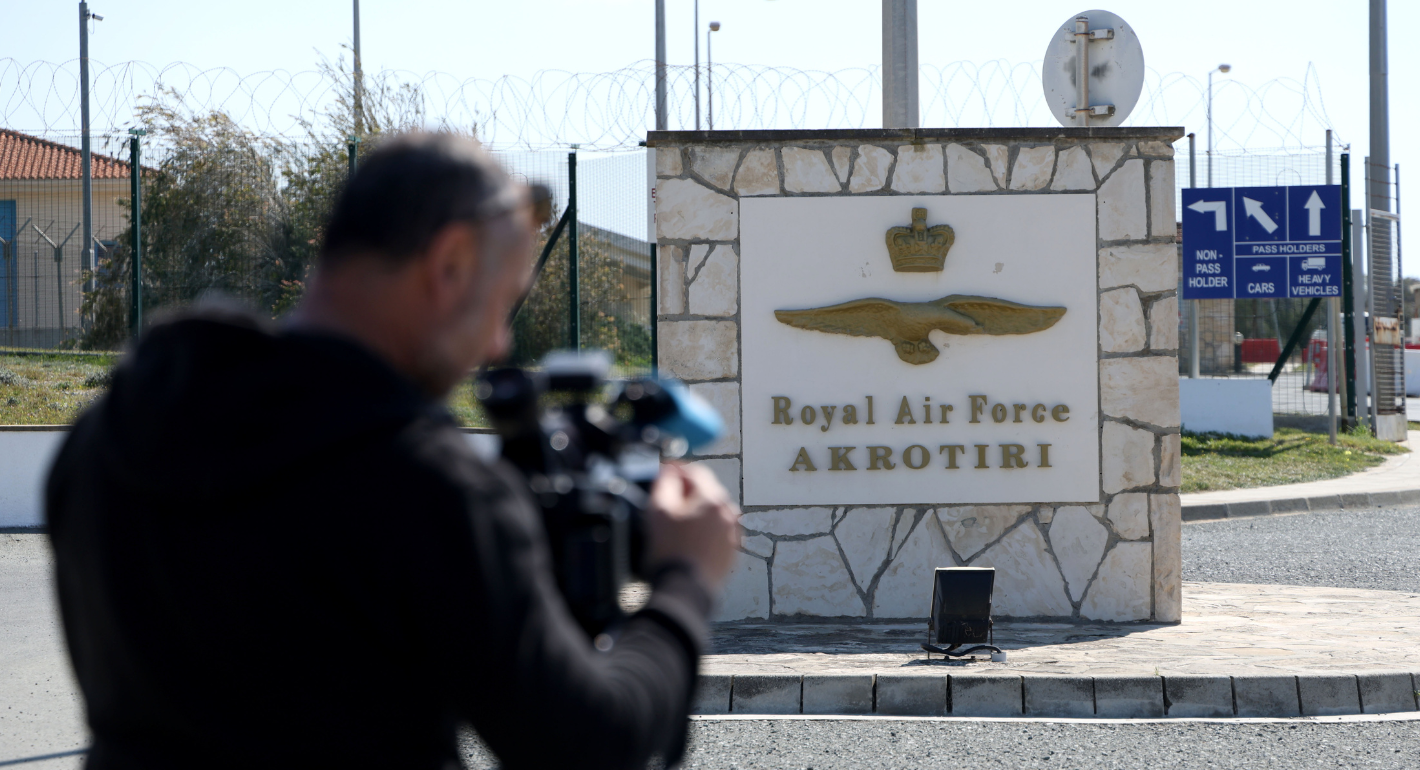
The drone strike on the British air base in Akrotiri brings Europe’s proximity to the conflict in Iran into sharp relief. In the fog of war, old tensions in the Eastern Mediterranean risk being reignited, and regional stakeholders must avoid escalation.

Marc Pierini
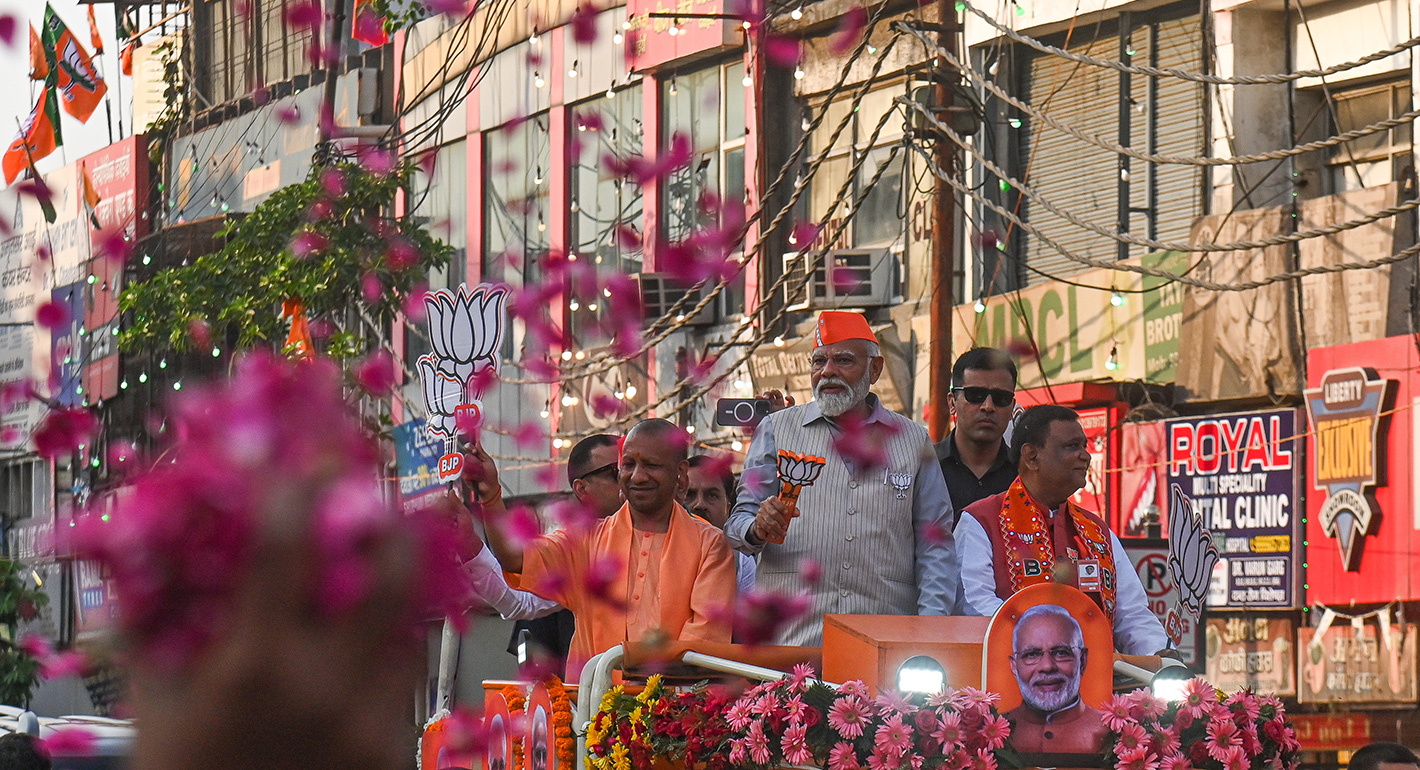
Domestic mobilization, personalized leadership, and nationalism have reshaped India’s global behavior.

Sandra Destradi
For years, the United States anchored global cyber diplomacy. As Washington rethinks its leadership role, the launch of the UN’s Cyber Global Mechanism may test how allies adjust their engagement.


Patryk Pawlak, Chris Painter