

Paper
Julia Gurganus, Eugene Rumer
{
  "authors": [
    "Julia Gurganus"
  ],
  "type": "legacyinthemedia",
  "centerAffiliationAll": "dc",
  "centers": [
    "Carnegie Endowment for International Peace"
  ],
  "collections": [],
  "englishNewsletterAll": "ctw",
  "nonEnglishNewsletterAll": "",
  "primaryCenter": "Carnegie Endowment for International Peace",
  "programAffiliation": "russia",
  "programs": [
    "Russia and Eurasia"
  ],
  "projects": [
    "The Return of Global Russia: A Reassessment of the Kremlin’s International Agenda"
  ],
  "regions": [
    "United States",
    "Afghanistan",
    "Russia"
  ],
  "topics": [
    "Foreign Policy"
  ]
}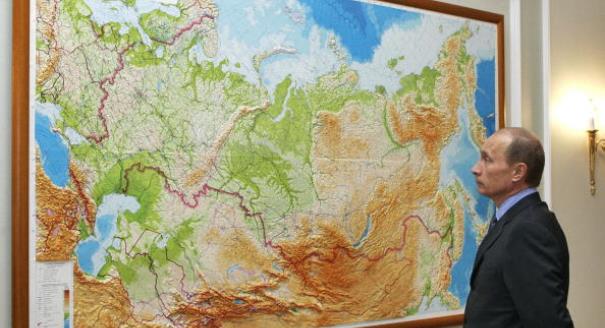
Source: Getty
Over the last couple of years, the gap between the Russian and U.S. strategies in Afghanistan has grown. Russia increasingly believes that the U.S. approach isn’t working and is convinced that it must be prepared to deal with an unstable Afghanistan on its own.
Source: Foreign Affairs
For the last decade and a half, Russia and the United States have had largely similar aims in Afghanistan: preventing chaos and the reemergence of a safe haven for terrorists. That convergence has allowed the two countries to work together. But beneath the surface, there are important differences. Although both want stability, they define it in very different ways. The U.S. approach is founded on creating a strong central government in Kabul and a well-equipped and well-trained national security force; Russia, meanwhile, works with a wide range of actors, some of which compete directly with the government in Kabul. Moscow has even reached out to the Taliban, legitimizing a group that continues to threaten the security of both the Afghan government and U.S. and NATO forces.
Former Nonresident Scholar, Russia and Eurasia Program
Julia Gurganus was a nonresident scholar with the Russia and Eurasia Program at the Carnegie Endowment for International Peace. Her research focus is on trends in Russian foreign policy and Russia-U.S. relations.
Recent Work
Julia Gurganus, Eugene Rumer
Julia Gurganus
Carnegie does not take institutional positions on public policy issues; the views represented herein are those of the author(s) and do not necessarily reflect the views of Carnegie, its staff, or its trustees.

U.S. trading partners in Asia are closely watching the dispute for signs of how it may affect their own interests.

Barbara Weisel

The aftermath of the Ceuta crisis shows Europe has drawn the wrong lessons. Rather than doubling down on failed migration policies, the EU needs to address the underlying roots of such episodes.

Richard Youngs
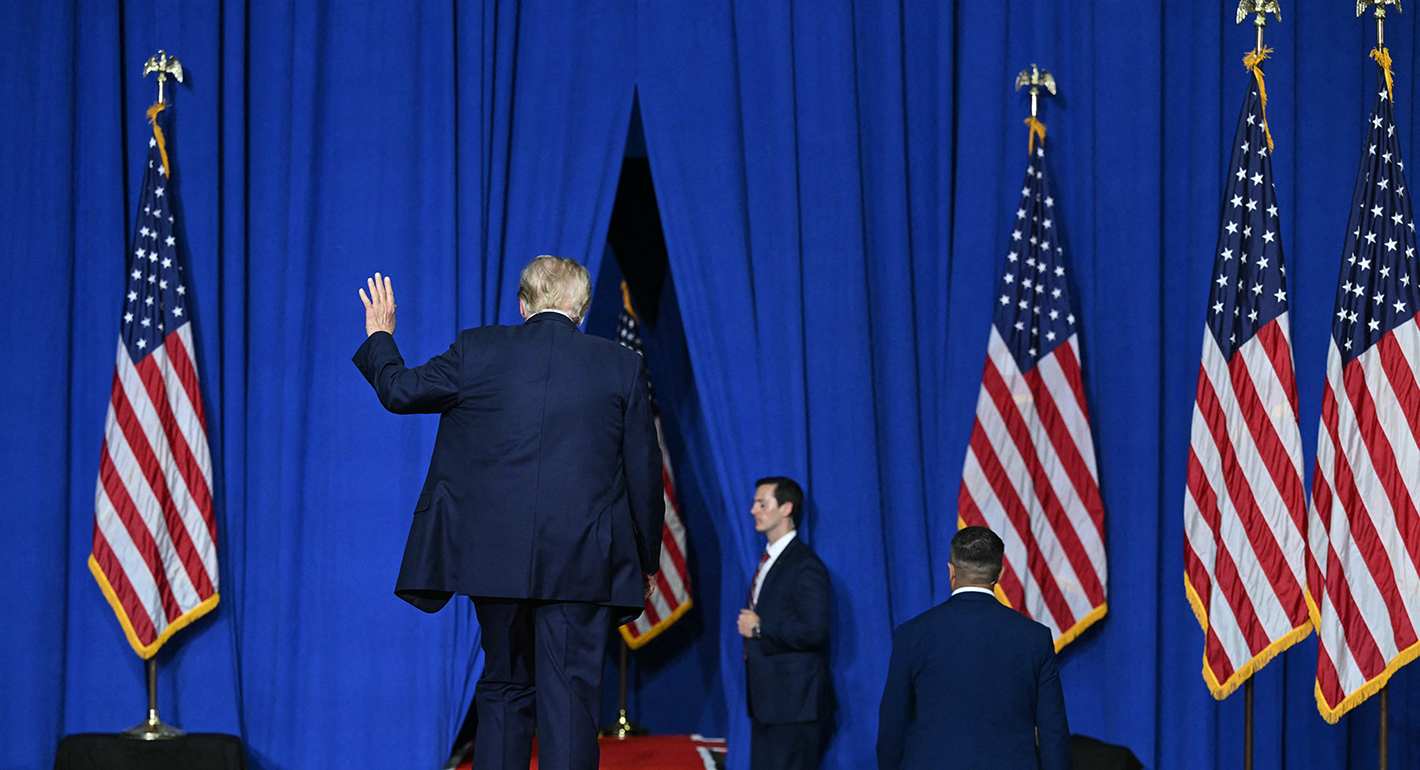
By abandoning past U.S. pro-democracy policies and adopting several lines of pro-autocratic action, the Trump administration has fundamentally repositioned the United States vis-à-vis democracy in the world.

Thomas Carothers
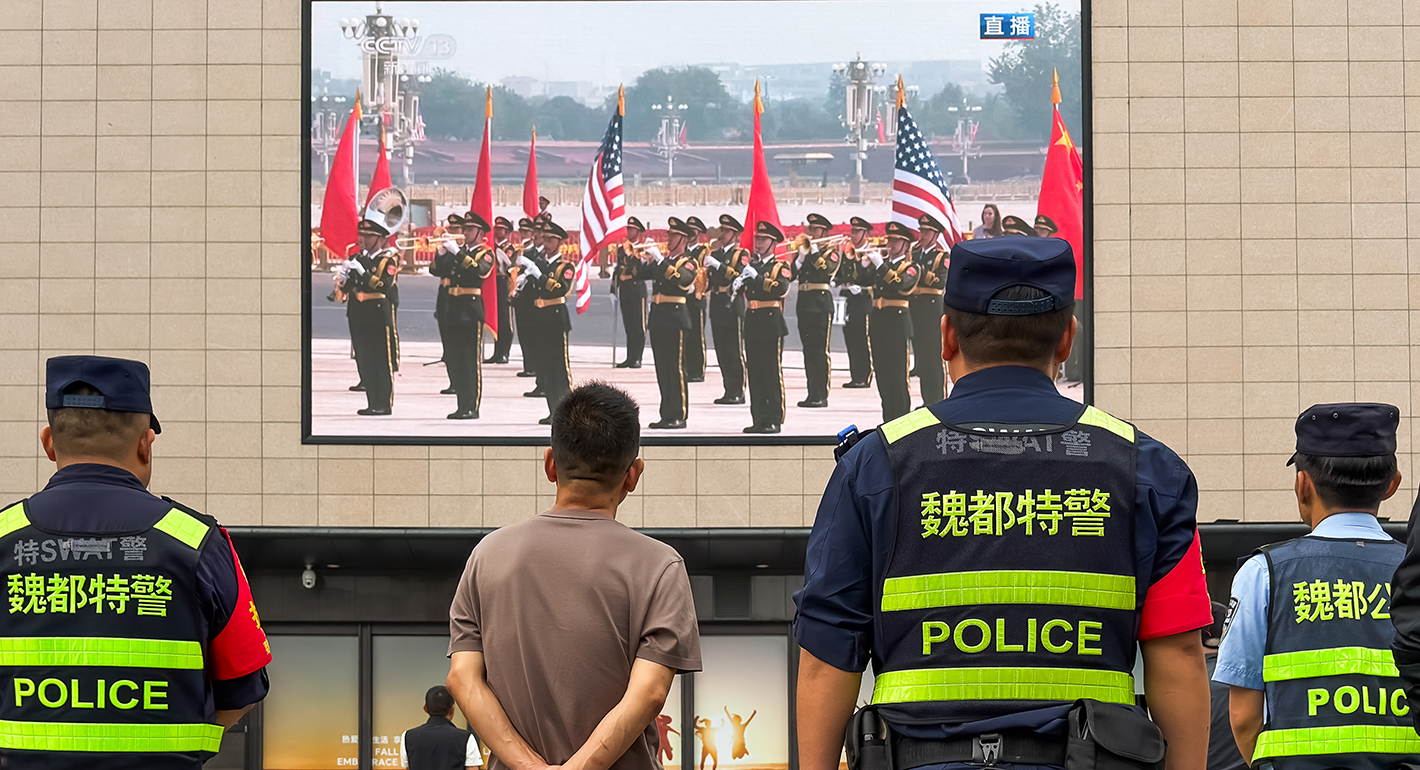
Chinese strategists are once again debating whether American power is declining and whether U.S. hegemony is experiencing irreversible decay.
Wu Xinbo
Congress should ask tough questions about the agreement’s more unique features and whether they advance U.S. interests or compromise them.

Jane Darby Menton