

Article
C. Raja Mohan, Darshana M. Baruah
{
  "authors": [
    "C. Raja Mohan"
  ],
  "type": "legacyinthemedia",
  "centerAffiliationAll": "dc",
  "centers": [
    "Carnegie Endowment for International Peace",
    "Carnegie India"
  ],
  "collections": [],
  "englishNewsletterAll": "ctw",
  "nonEnglishNewsletterAll": "",
  "primaryCenter": "Carnegie India",
  "programAffiliation": "SAP",
  "programs": [
    "South Asia"
  ],
  "projects": [],
  "regions": [
    "United States",
    "Asia",
    "South Asia",
    "India",
    "East Asia",
    "China"
  ],
  "topics": [
    "Foreign Policy",
    "Economy",
    "Trade"
  ]
}
Source: Getty
As Beijing begins to recognize the potential dangers to China from U.S. President Trump’s policies on trade and security, President Xi has turned on the charm offensive towards its Asian neighbors.
Source: Indian Express
Last week’s informal summit in Wuhan between Prime Minister Narendra Modi and President Xi Jinping was widely billed as India’s ‘reset’ of its China policy. A close look suggests it was Beijing that was really recasting its policy towards its Asian neighbours. Delhi was merely responding to an unexpected opportunity.
A closer examination, however, suggests China’s reset of its regional policy was itself a response to the American upheaval under President Donald Trump.
In a short span of 16 months, Trump has single-handedly challenged widespread perception that the balance of power between America and China was tilting in favour of the latter. Trump, in his own peculiar way, has said, ‘not so fast’.
Trump’s threat to launch a trade war against Beijing, his denial of market access to the Chinese technology companies and above all, the demonstration of the ability to upend the politics of the Korean Peninsula in the front yard of China have in a short period altered the international context for Xi Jinping.
As the dangers to China from Trump’s policies on trade and security began to dawn on Beijing, Xi has turned on the charm offensive towards its Asian neighbours. Beijing, which seemed so condescending towards Delhi through 2016 and 2017, now appears quite eager to find what some reporters from Wuhan have called a ‘new modus vivendi’ with India. Xi’s outreach is not limited to India, but also extends to his other difficult neighbours, Japan and Vietnam.
The intense opposition of the old foreign policy establishment and the daily recrimination with the mainstream media have tended to mask the full significance of the changes wrought by Trump. As he enters the second summer of his presidency, the perceptions of Trump are rapidly changing in the US and beyond.
Consider for example the seemingly quixotic idea that Trump should be awarded the Nobel peace prize.
When US President Donald Trump was addressing a large crowd in Michigan last week and referred to his upcoming summit with the North Korean leader Kim Jong-un, the crowds starting chanting ‘Nobel, Nobel’. South Korean President Moon Jae-in was quick to endorse the idea that Trump deserves the Nobel for opening the pathway to peace and reconciliation on the peninsula.
In America the talk about the Nobel prize for Trump is entirely political. If Barack Obama can get a Nobel in 2009 for a mere speech on nuclear disarmament, Trump’s supporters say, the president deserves for his role promoting peace in the Korean Peninsula.
Trump might have been a neophyte in politics, American or international. But he has begun to shake up the global trading order, walked out of the trans-pacific economic partnership, demanded that US allies in Europe and Asia pick up a fair share of the common defence burden, tore up the Paris accord on climate change, pressed China to step up sanctions against North Korea, warned Pakistan against its support for terror and is now threatening to discard the Iran nuclear deal.
To make it even worse, Trump has no time for the traditional protocols of diplomacy. With his bluster, unpredictability, and the early morning policy tweets Trump seemed to invent a whole new way of doing business with the world.
As Trump started turning the US foreign policy upside down, America’s international interlocutors were reassuring themselves that this was a temporary aberration that would be set right, either by the ‘adults’ in Trump’s team or the ‘deep state’ that would compel him back to the straight and narrow.
But as Trump’s domestic approval ratings rise, it has become quite reasonable to assume that Trump may last the full term of his presidency. Nor is it outlandish to think that he might well win a second term for the White House in 2020. And as Trump dumps most of the traditionalists from his team, the change in US approach to the world may be here to stay. Unsurprisingly most countries are scrambling to adapt to the new normal in Washington.
At Wuhan, China’s talk on collaborating with India on saving globalisation, defending the WTO, promoting a multipolar world, and emphasising ‘strategic autonomy’ was very much part of China’s international mobilisation against Trump. At the same time, China is also trying to find ways to accommodate some of Trump’s concerns on trade. After all, China’s economic stakes in America are massive.
As Trump makes America a big variable in world politics today, it is not clear if India has fully appreciated the implications. While Indian diplomats might be pleased at the space Trump has opened up vis a vis China and Pakistan, their counterparts in the Commerce Ministry don’t seem get it. Amidst Trump’s growing challenges to India on trade and immigration issues, Delhi’s claims that it is in ‘compliance with the WTO’ or its insistence on ‘free movement of labour’ into America appear utterly innocent of the new dynamics shaping Trump’s demand for rewriting the trade rules and opposition to open borders.
At Wuhan, China has shown it is taking Trump seriously and finding ways to manage the multiple uncertainties generated by him. India appears miles away from constructing a coherent strategic response that will take advantage from some of Trump’s policies while limiting the damage from others.
This article was originally published in the Indian Express.
Former Nonresident Senior Fellow, Carnegie India
A leading analyst of India’s foreign policy, Mohan is also an expert on South Asian security, great-power relations in Asia, and arms control.
Recent Work

C. Raja Mohan, Darshana M. Baruah


Alexander Gabuev, Paul Haenle, C. Raja Mohan, …
Carnegie does not take institutional positions on public policy issues; the views represented herein are those of the author(s) and do not necessarily reflect the views of Carnegie, its staff, or its trustees.
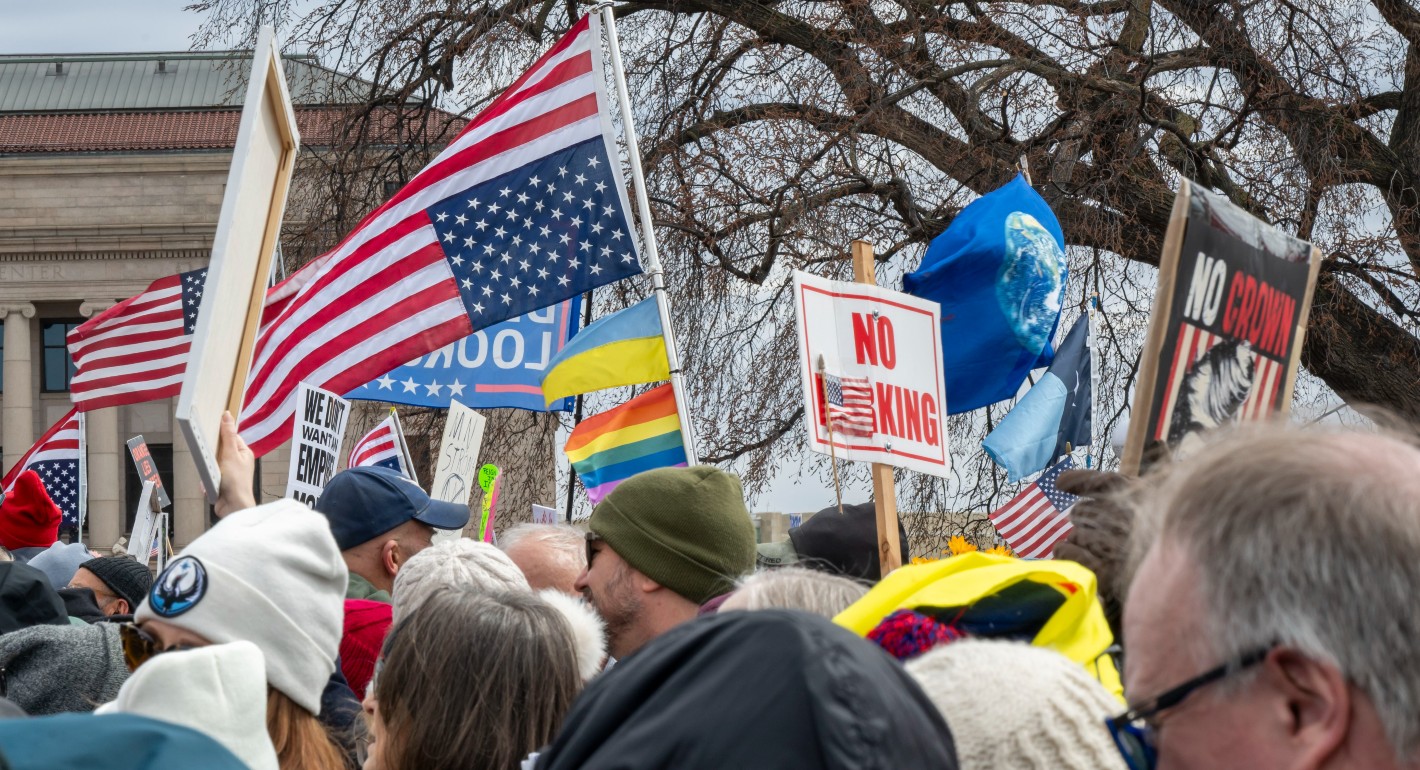
Lessons from other backsliding democracies show that mass mobilization needs to feed into an electoral strategy.

Saskia Brechenmacher, Shreya Joshi
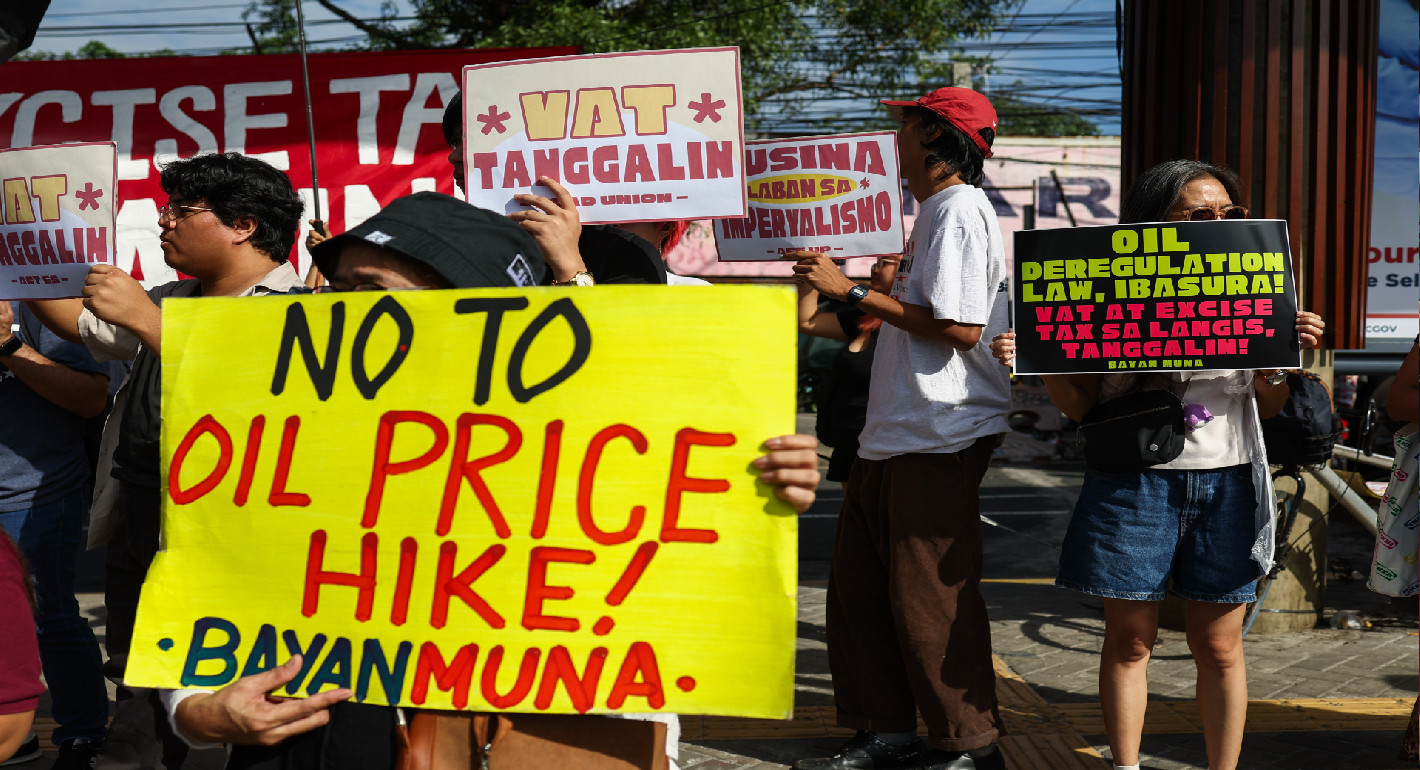
There is no better time for the countries of Southeast Asia to reconsider their energy security than during this latest crisis.
Gita Wirjawan
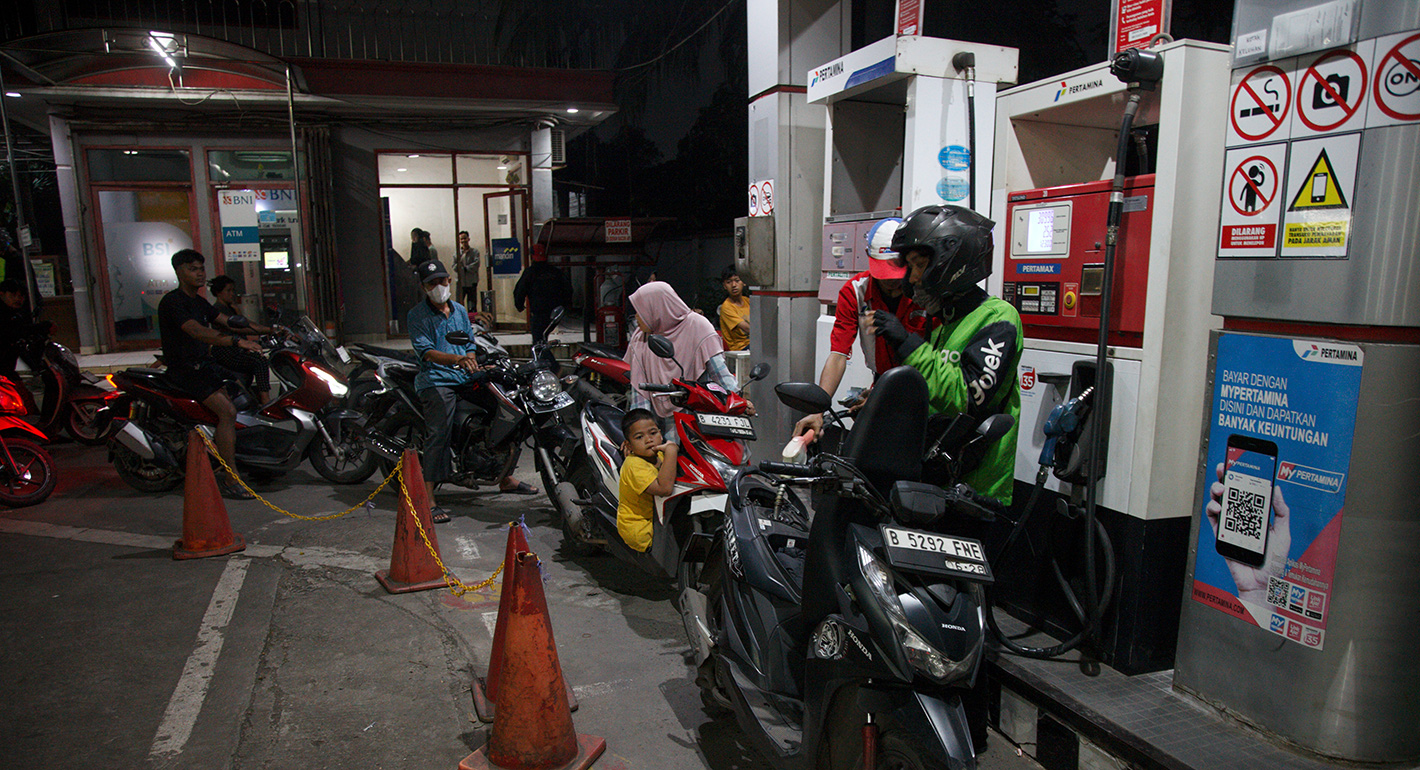
As conflict in the Middle East drives up fuel costs across Asia, Indonesia faces difficult policy trade-offs over subsidies, inflation, and fiscal credibility. President Prabowo’s personalized governance style may make these hard choices even harder to navigate.

Sana Jaffrey
The wars in Ukraine and the Middle East are existential threats to Europe as a peace project. Leaders and citizens alike must reaffirm their solidarity to face up to today’s multifaceted challenges.

Marc Pierini
The United States ignores the region’s lived experience—and the tough political and social trade-offs the war has produced—at its peril.

Evan A. Feigenbaum