

Commentary
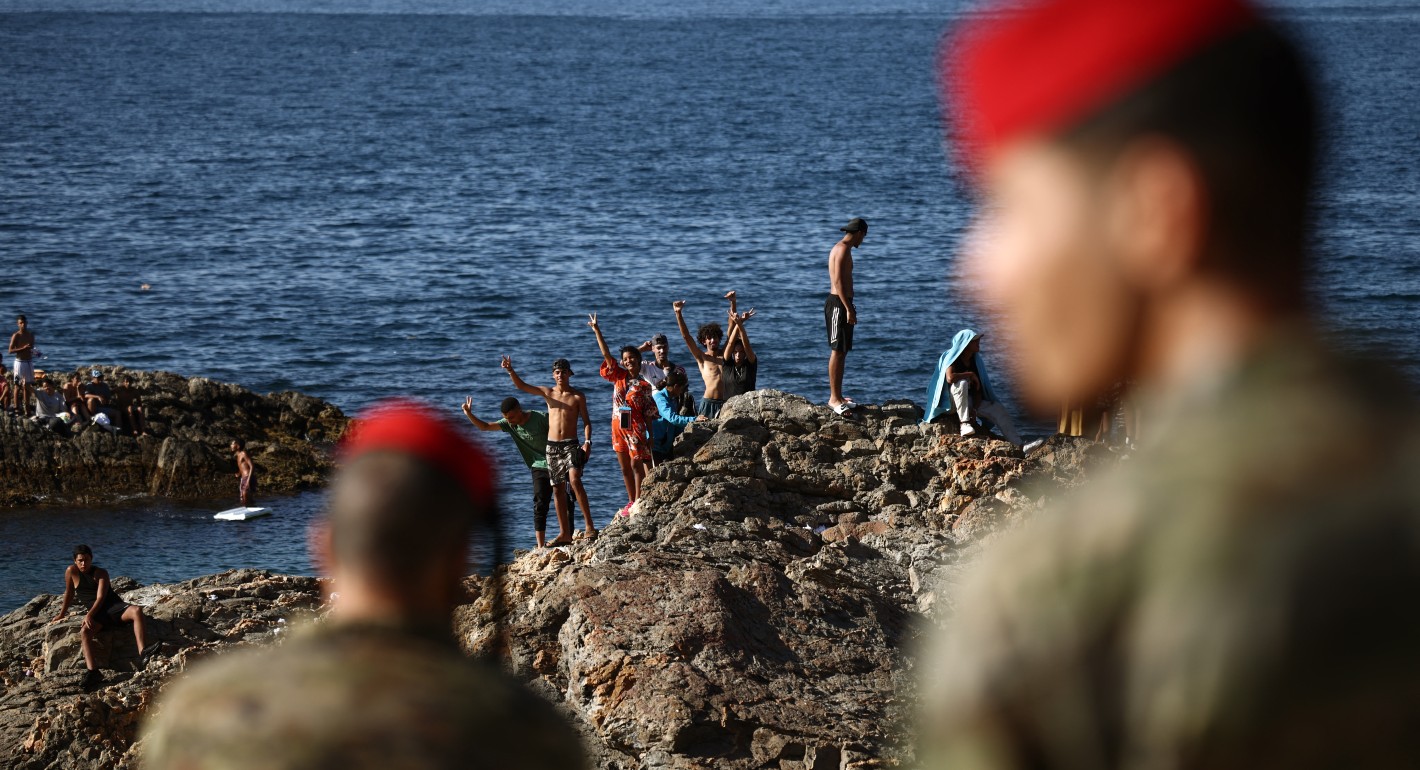
Most migrants may have left Ceuta, but the effects may linger.
Alejandro Martin Rodriguez, Sarah Yerkes
{
  "authors": [
    "Rhea Menon"
  ],
  "type": "legacyinthemedia",
  "centerAffiliationAll": "",
  "centers": [
    "Carnegie Endowment for International Peace",
    "Carnegie India"
  ],
  "collections": [],
  "englishNewsletterAll": "",
  "nonEnglishNewsletterAll": "",
  "primaryCenter": "Carnegie India",
  "programAffiliation": "",
  "programs": [],
  "projects": [],
  "regions": [
    "Southeast Asia",
    "China"
  ],
  "topics": [
    "Foreign Policy"
  ]
}
Source: Getty
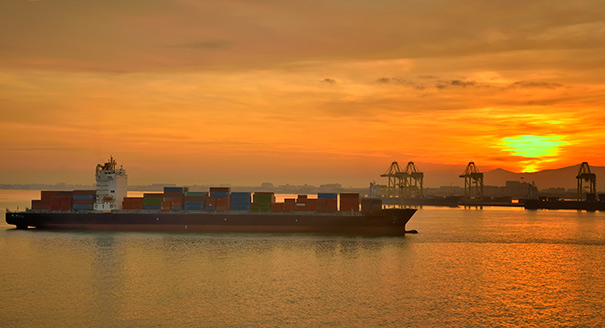
The establishment of a Kra Canal in Thailand may soon become a reality as part of China’s Belt and Road Initiative (BRI). The canal would permit ships to bypass the Malacca Strait, a crucial maritime chokepoint, amplifying the strategic significance of the project.
Source: Diplomat
The establishment of a Kra Canal in Thailand may soon become a reality as part of China’s Belt and Road Initiative (BRI). The canal would permit ships to bypass the Malacca Strait, a crucial maritime chokepoint, amplifying the strategic significance of the project.
Throughout history, there have been multiple attempts by the Thai monarchy and European colonists to capitalize on the commercial and strategic importance of the region by constructing a canal across the narrow isthmus that connects Thailand to the Malay peninsula. In recent times, China’s global vision of a new Maritime Silk Road has renewed the attention on the possibility of developing the Kra Canal. The modern Kra or Thai Canal project would be connected to the various Chinese infrastructure and connectivity projects in the region.
Rhea Menon
Rhea Menon is a research assistant at Carnegie India.
Carnegie does not take institutional positions on public policy issues; the views represented herein are those of the author(s) and do not necessarily reflect the views of Carnegie, its staff, or its trustees.
Most migrants may have left Ceuta, but the effects may linger.


Alejandro Martin Rodriguez, Sarah Yerkes
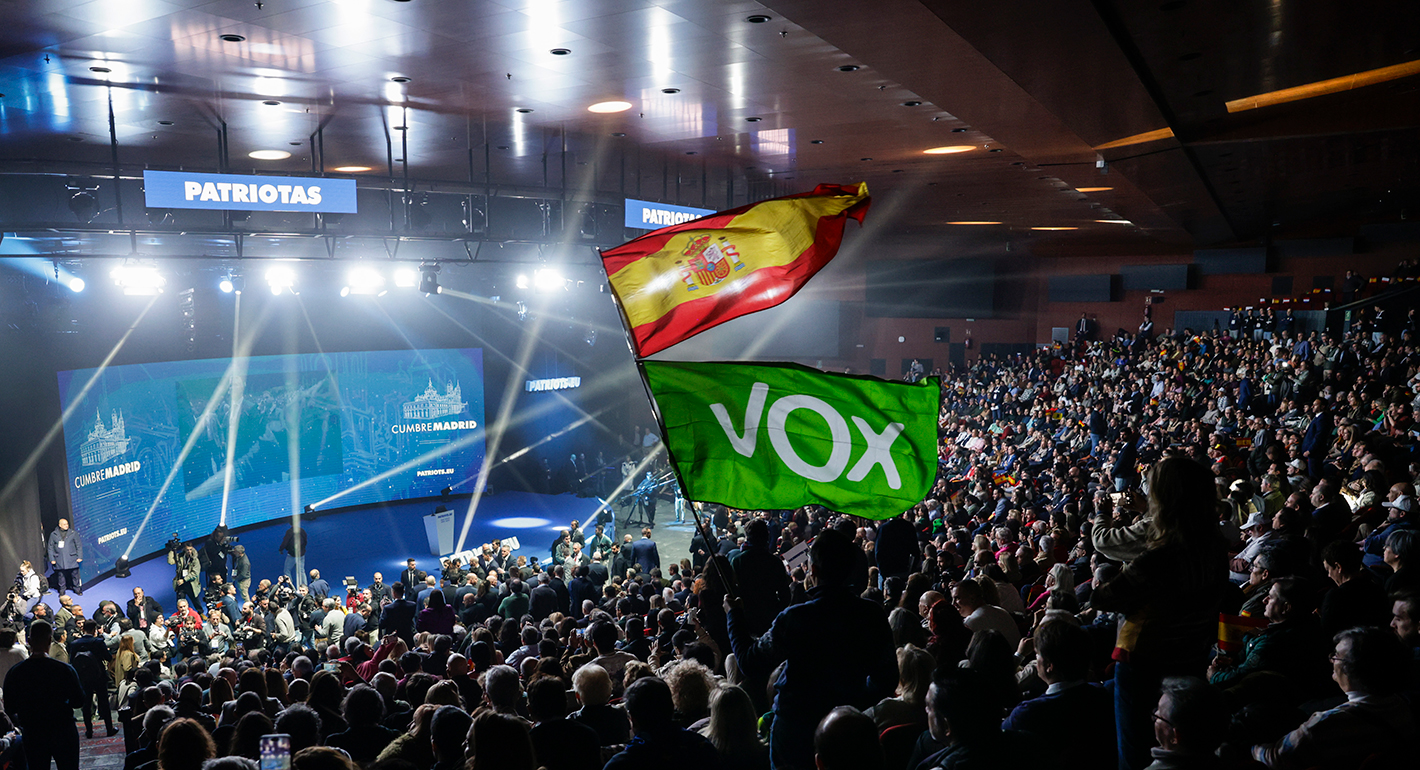
There is a transnational far-right populist movement that links middle powers in a global movement that extends well beyond Trump.

Christopher S. Chivvis, Rohan Mukherjee, Milan Vaishnav

When faced with fuel shortages in the past, Central Asian governments could always count on additional supplies from Moscow. That safety net no longer exists.

Galiya Ibragimova
Saied’s main accomplishment has been to destroy a decade’s worth of democratic progress.
Sarah Yerkes
The targeting of Damietta Port appears to be more than a mere security message.

Amr Hamzawy