

Commentary
Matthew T. Page, Feyi Fawehinmi
{
  "authors": [
    "Matthew T. Page"
  ],
  "type": "other",
  "centerAffiliationAll": "dc",
  "centers": [
    "Carnegie Endowment for International Peace"
  ],
  "collections": [
    "Anti-Corruption"
  ],
  "englishNewsletterAll": "democracy",
  "nonEnglishNewsletterAll": "",
  "primaryCenter": "Carnegie Endowment for International Peace",
  "programAffiliation": "DCG",
  "programs": [
    "Democracy, Conflict, and Governance"
  ],
  "projects": [],
  "regions": [
    "Southern, Eastern, and Western Africa"
  ],
  "topics": [
    "Political Reform",
    "Democracy"
  ]
}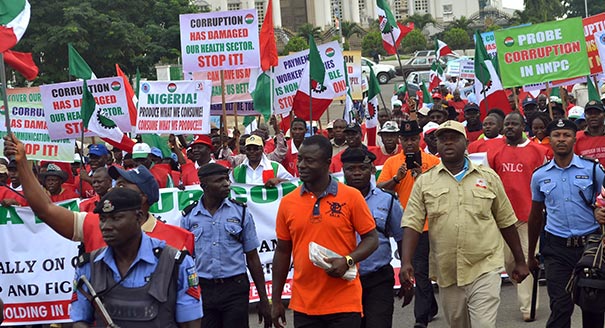
Source: Getty
Security votes, or discretionary funds allocated to officials, fuel corruption through lack of transparency; as a result, banning security votes would be a crucial step for reform.
Source: Transparency International
‘Security votes’ are opaque corruption-prone security funding mechanisms widely used by Nigerian officials.
A relic of military rule, these funds are provided to certain federal, state and local government officials to disburse at their discretion. In theory, they are reserved for covering unforeseen security needs. Transacted mostly in cash, security vote spending is not subject to legislative oversight or independent audit because of its ostensibly sensitive nature. Although officials often spend some of these funds on security, they also channel them into political activities or embezzle them outright.
In Nigeria, popular and official narratives about security vote diverge sharply.
Among average Nigerians, the words ‘security vote’ are synonymous with official corruption and abuse of power. Yet the beneficiaries of security votes—politicians and security officials—argue that are needed to subsidise the operations of Nigeria’s overstretched and underfunded federal security agencies. State officials claim this practice is necessary but nevertheless allows the federal government to shift the cost of national security activities onto the states with no accountability for how those funds are spent. As a result, security votes have become a ‘cancerous tumor’ in the state budget, according to one senior state official.1
Transparency International estimates that these secretive, unaccounted-for, cash expenditures add up to over $670 million (N241.2 billion2 ) annually.
Our analysis of 29 state budgets (no data exists for 7 states) reveals they spend an average of $580 million (N208.8 billion) in total each year on security votes (see Annex B). Federal government security votes average over $50 million (N18 billion) annually (see Annex A). Assuming the chairpersons of Nigeria’s 774 local government areas each receive on average $55,000 (N20 million) in security vote funding each year, local government security votes would amount to another $42.6 million.
The sum total of Nigeria’s various security votes dwarfs the international security assistance it receives, and is comparable to budgeted spending on national defence and security institutions.
In just one year, these in-cash, extra-budgetary expenditures add up to over nine times the amount of US security assistance to Nigeria since 2012 ($68.6 million) and over twelve times the $53.5 million (£40 million) in counterterrorism support the UK promised Nigeria from 2016 to 2020.3 Looking at it from another angle, security vote spending exceeds 70 percent of the annual budget of the Nigeria Police Force, more than the Nigerian Army’s annual budget, and more than the Nigerian Navy and Nigerian Air Force’s annual budget combined.4
Rather than phasing out the use of corruption-prone security votes, the current adminstration has expanded their use in both scope and scale.
In December 2017, the government announced the withdrawal of $1 billion from the Excess Crude Account—nearly half of Nigeria’s dwindling rainy day fund—for ad hoc security expenditures.5 Likewise, Buhari has increased the number of security votes tucked into the federal budget from about 30 in 2016 to over 190 in 2018. The total value of these votes increased from $46.2 million (N9.3 billion at the time) to $51 million (N18.4 billion now) over those two years. If President Buhari is serious about reining in official corruption in Nigeria, he has an opportunity to curtail his own government’s widespread use of security votes.
1 Author interview with a senior state government official, October 2017.
2 The value of all naira-to-dollar conversions in this paper were calculated as of 1 January 2018 ($1=N360) unless otherwise noted.
3 U.S. security assistance to Nigeria (FY2012-FY2018) via Security Assistance Monitor. Available at: https://securityassistance.org/data/program/military/Nigeria/2012/2018/all/Global//. UK Foreign and Commonwealth Office. “Foreign Secretary attendance at Regional Security Summit in Nigeria”, 14 May 2016. Available at: https://www.gov.uk/government/news/foreign-secretaryattendance-at-regional-security-summit-in-nigeria
4 Federal Government of Nigeria Appropriation Act (2017). Available at: http://www.nationalplanning.gov.ng/index.php/budget-office/nigeria-budget/national-budget/2017-appropriation-act
5 Onuah, Felix. “Nigeria to release $1 billion from excess oil account to fight Boko Haram”, Reuters, 14 December 2017. Available at: https://www.reuters.com/article/us-nigeria-security/nigeriato-release-1-billion-from-excess-oil-account-to-fight-boko-haram-idUSKBN1E821A
This paper was originally published by Transparency International Defense & Security.

Former Nonresident Scholar, Democracy, Conflict, and Governance Program
Matthew T. Page was a nonresident scholar at the Carnegie Endowment for International Peace.
Recent Work
Matthew T. Page, Feyi Fawehinmi
Matthew T. Page, Abdul H. Wando
Carnegie does not take institutional positions on public policy issues; the views represented herein are those of the author(s) and do not necessarily reflect the views of Carnegie, its staff, or its trustees.

Putin’s conservative staffing policies and search for ever greater control have cemented parliament’s transformation into a bureaucratic appendage of the executive branch.

Andrey Pertsev

Ex-president Gurbanguly Berdimuhamedov remains interested in politics, but his son Serdar, Turkmenistan’s current president, is becoming increasingly independent and willing to break with his father’s legacy. If their covert rivalry goes too far, both risk losing power.

Galiya Ibragimova

A notable degree of participative democracy has firmly arrived in Europe. But to have more far-reaching impact, democratic deliberation needs to move into a radically new phase.

Richard Youngs
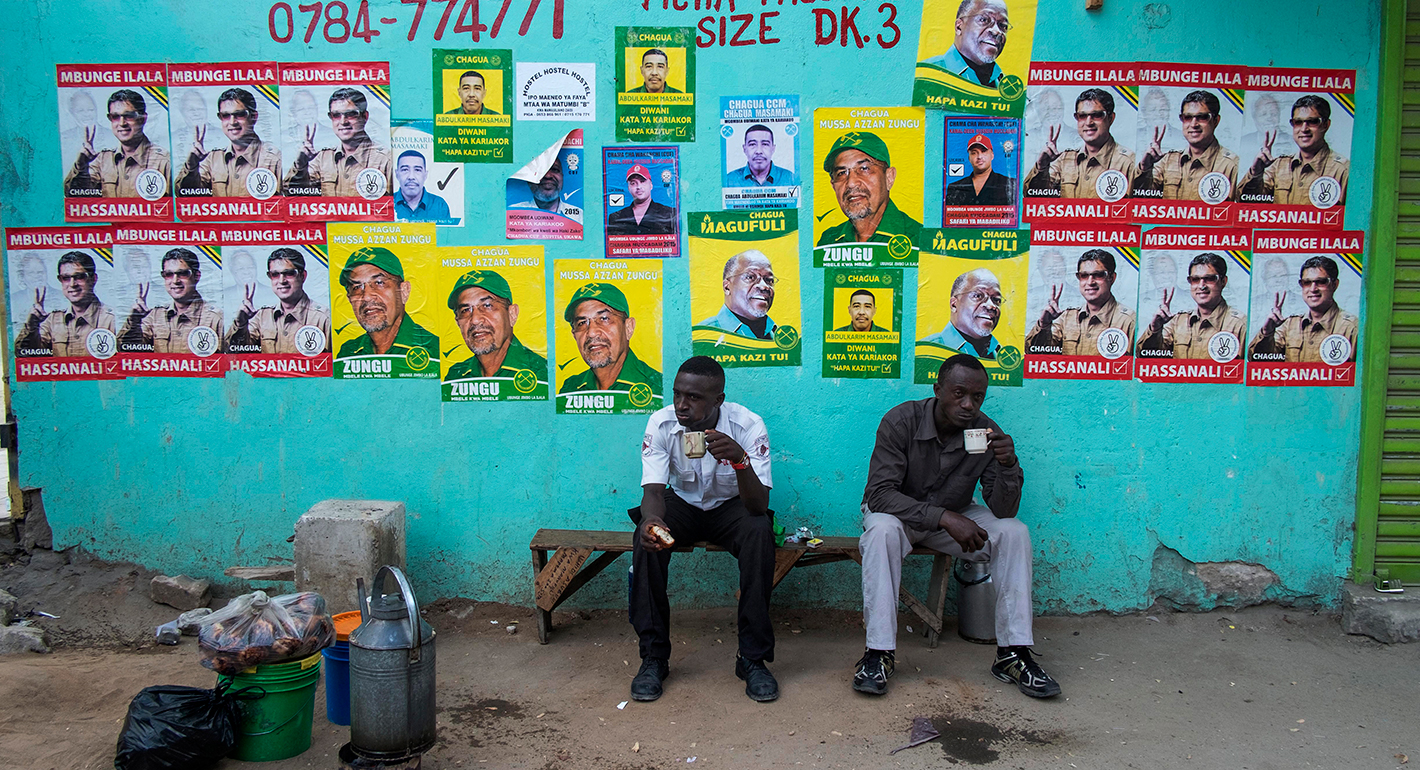
Today’s global democratic recession is partly rooted in a common perception that democracies have a delivery problem, with many citizens in both autocracies and democracies alike now believing that strongmen can achieve better governance outcomes. But a study of four countries in Africa reveals that democratic-leaning governments have demonstrated better governance performance than autocratic governments.


Sarah Yerkes, Natalie Triche, Amr Hamzawy
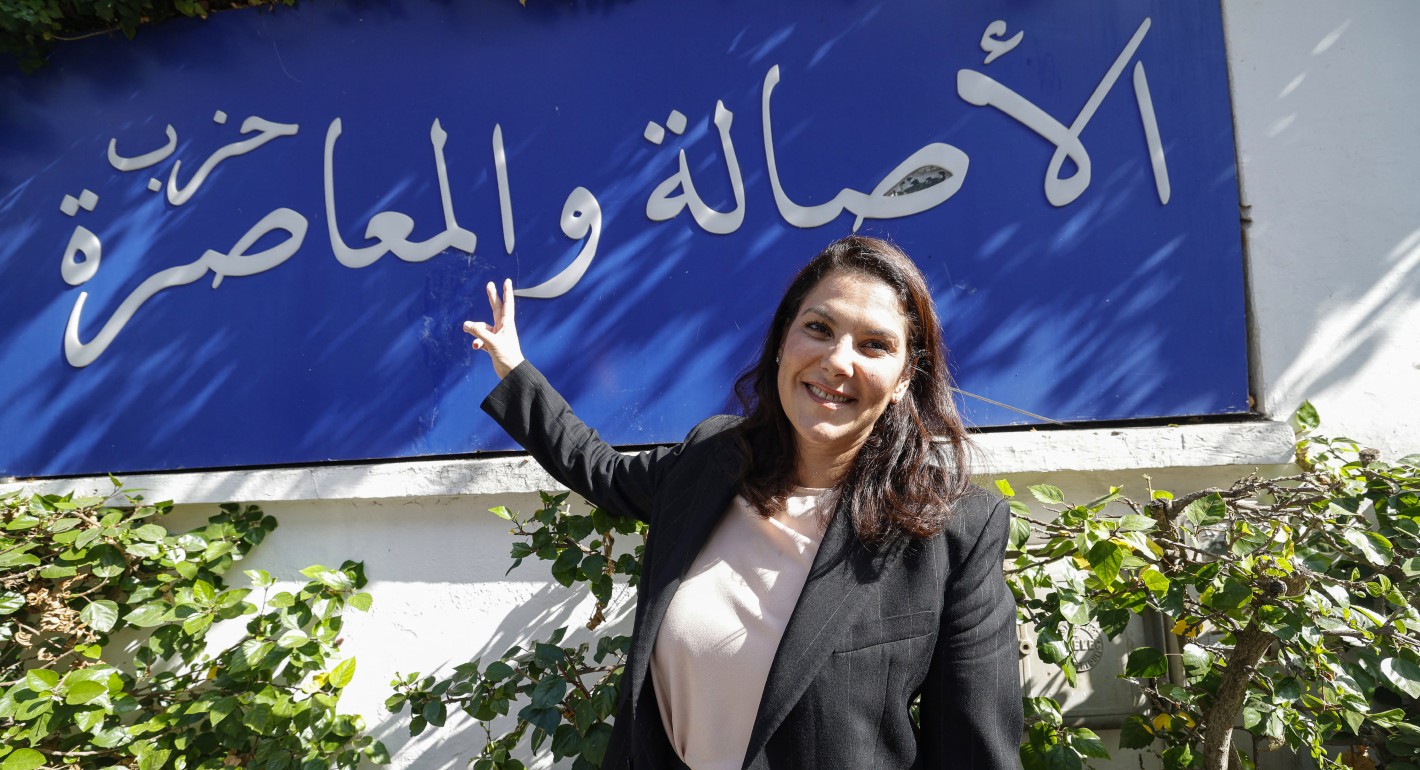
Fatima El Mansouri is the country’s first female prime minister. She’s also a privileged insider in a largely ceremonial position.
Sarah Yerkes