

Research
- +10
Rosa Balfour, Frances Z. Brown, Yasmine Farouk, …
{
  "authors": [
    "Moisés Naím"
  ],
  "type": "legacyinthemedia",
  "centerAffiliationAll": "",
  "centers": [
    "Carnegie Endowment for International Peace"
  ],
  "collections": [],
  "englishNewsletterAll": "",
  "nonEnglishNewsletterAll": "",
  "primaryCenter": "Carnegie Endowment for International Peace",
  "programAffiliation": "",
  "programs": [],
  "projects": [],
  "regions": [
    "North America",
    "South America",
    "Russia"
  ],
  "topics": [
    "Political Reform",
    "Democracy",
    "Global Governance"
  ]
}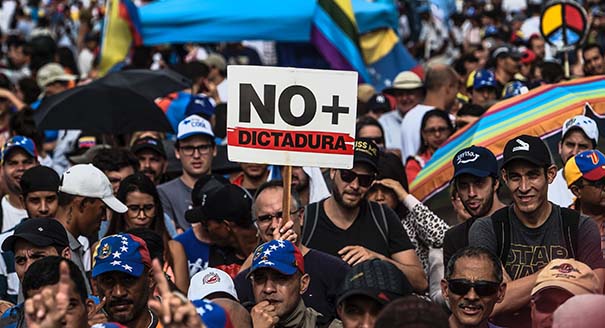
Source: Getty
Those in power now have much graver consequences due to globalization, technology, and the complexity of society. The kleptocracy and kakistocracy feed back on each other.
Source: El País
Scoundrels have always been in the halls of power, along with amateurs, the inept and the deranged. But these days the criminality of some political leaders has reached levels worthy of the tyrants of antiquity. And the ineptitude of those in power now has much graver consequences due to globalization, technology, the complexity of society, as well as the speed with which things happen.
We are no longer talking just about “normal” corruption, such as when a government official gets a kickback for a weapons procurement deal or for awarding a lucrative construction contract to a friend. Nor is it an isolated case in which the class dunce arrives, to the surprise of his former colleagues, to the highest office in the land.
No, in a kleptocracy criminal behavior is not individual, opportunistic, or sporadic, but rather collective, systematic, strategic, and permanent. It is a system in which all the high-level government officials are complicit, where they deliberately work to enrich themselves, and then use their accumulated wealth to perpetuate themselves in power. For the kleptocrats the common good and people’s needs are secondary and only looked at when they are at the service of their primary goal: to fatten their fortunes and make sure they stay in power.
The case of the inept in power is something different. Kakistocracies (literally, governments by the worst) proliferate in weak and disorganized political systems that repel the talented and attract the inept and most debased. Obviously, sometimes they they come together producing a government that is both criminal and incompetent. When the two coincide, the kleptocracy and the kakistocracy feed back on each other.
In a kleptocracy criminal behavior is collective, systematic, strategic, and permanent
An example that illustrates the outrageous conduct of kleptocratic governments was recently revealed by the respected Brazilian journalist Leonardo Coutinho. Coutinho gathered the testimony of a Bolivia Air Force pilot named Marco Antonio Rocha who was involved in the trafficking of large volumes of cocaine from Bolivia to Venezuela and Cuba. Rocha says that every week he flew an Air Force plane from La Paz, Bolivia to Caracas, Venezuela and Havana, Cuba carrying sealed “diplomatic pouches” that were delivered to the plane by the Venezuelan embassy’s military attachés in La Paz. In this case, however, they were not diplomatic pouches but rather enormous bundles containing 500 kilos of cocaine. Obviously, an operation of this magnitude, regularity and impunity requires the complicity of high-level officials in at least three countries. Which makes this not just the story of another drug-trafficking operation, but rather a glimpse into the activities of an alliance of kleptocratic governments.
Other instances of the kleptocrats’ audacity abound. The newly deposed prime minister of Malaysia, Najib Razak, has been accused of organizing a financial scam that allowed him to transfer $42 billion from a government fund to private accounts controlled by his relatives and accomplices. In Brazil, the scandal known as “Operation Car Wash” revealed a vast, sophisticated, and permanent network of corruption that went on for years and involved hundreds of powerful politicians, governors, and businessmen not only in Brazil, but throughout Latin America.
It is a mistake to think that it is only in countries with weak institutions that thieves and goons can reach important
A common mistake is to assume that kleptocracies only occur in the poorest and most underdeveloped corners of the globe. Yet Russia, a rather advanced country, shows all the marks of a kleptocracy. One of the fundamental pillars of the Russian regime is a small but powerful coterie of oligarchs: former secret agents of the KGB who run huge companies that work hand in hand with the Kremlin. In his testimony before the United States Senate in 2017, Bill Browder, a businessman with vast experience in Russia and a staunch critic of its government, asserted that Putin has become the richest man in the world. “I estimate that he has accumulated $200 billion in ill-gotten gains,” Browder said.
It is also a mistake to think that it is only in countries with weak institutions and immature political systems that thieves and goons can reach the most important positions. What we are seeing today in the United States and in many European countries that have long democratic traditions simply shows that no nation is immune to the rise of a kakistocracy. Internet searches for this word, derived from ancient Greek, have seen a huge boom since Donald Trump got to the White House.
Like all good illusionists, the kleptocrats know how to distract us from looking at their misdeeds and the kakistocrats know how to distract us from their ineptitude. They do it by talking to us about ideology and attacking those of their rivals. While we watch and play our part in these ideological circuses, they steal. Or tinker with government policies they don’t really understand.
And we pay the price.
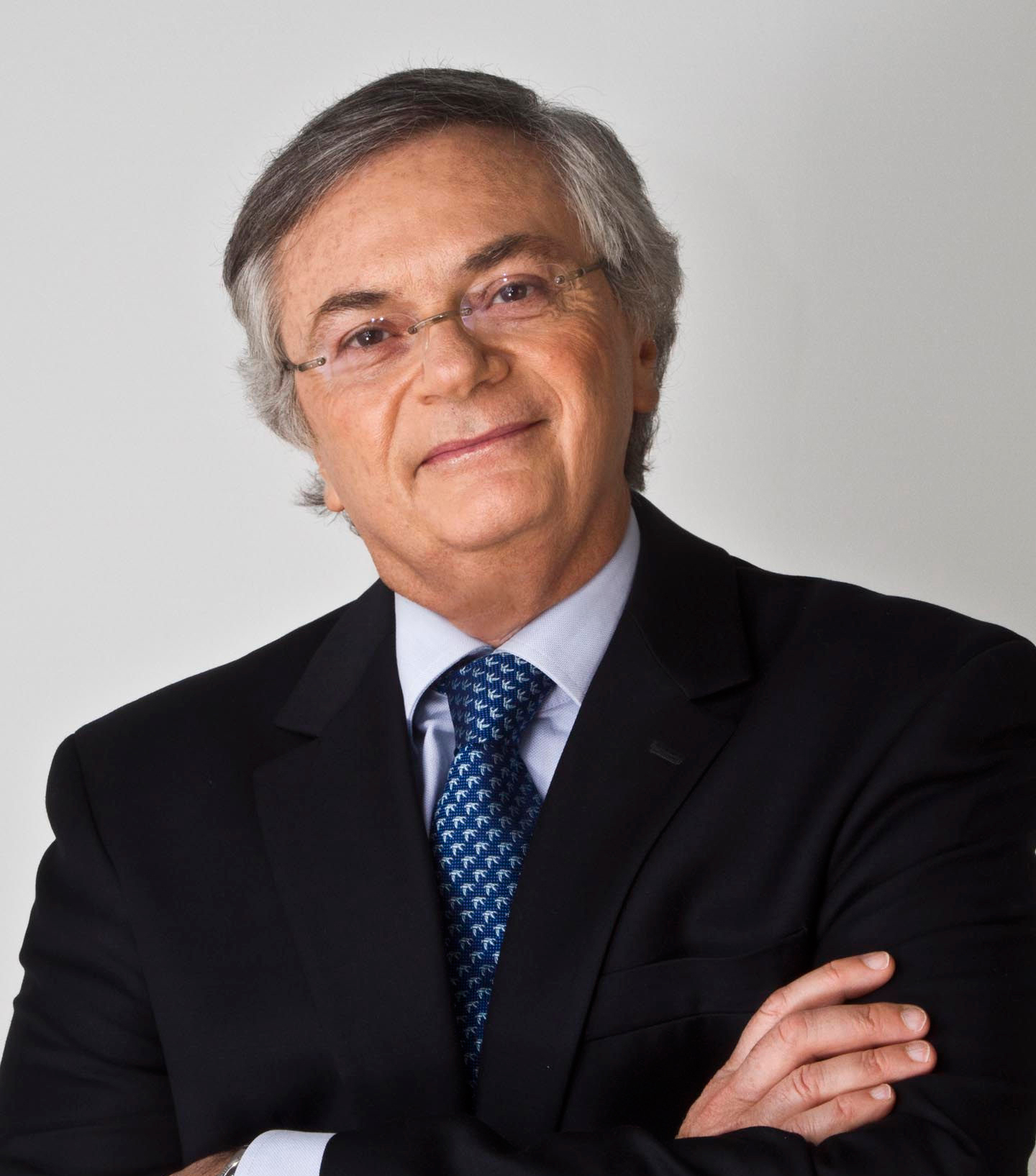
Distinguished Fellow
Moisés Naím is a distinguished fellow at the Carnegie Endowment for International Peace, a best-selling author, and an internationally syndicated columnist.
Recent Work


Rosa Balfour, Frances Z. Brown, Yasmine Farouk, …
Moisés Naím
Carnegie does not take institutional positions on public policy issues; the views represented herein are those of the author(s) and do not necessarily reflect the views of Carnegie, its staff, or its trustees.

A trilateral summit in China was advertised as the new Yalta but yielded little more than a photo opportunity for Vladimir Putin. The real work was being done by the Europeans, quietly, in rural Poland.

Rym Momtaz

While the current surge in grain trading activity in the Caspian Sea is undeniably impressive, it is constrained by financial, infrastructure, geographic, military, and environmental factors.
Nikita Smagin

The Trump administration’s disruption attempts at the UN shipping agency are a test of multilateralism’s ability to defy the United States.
Theodore Zaritsky, Stewart Patrick
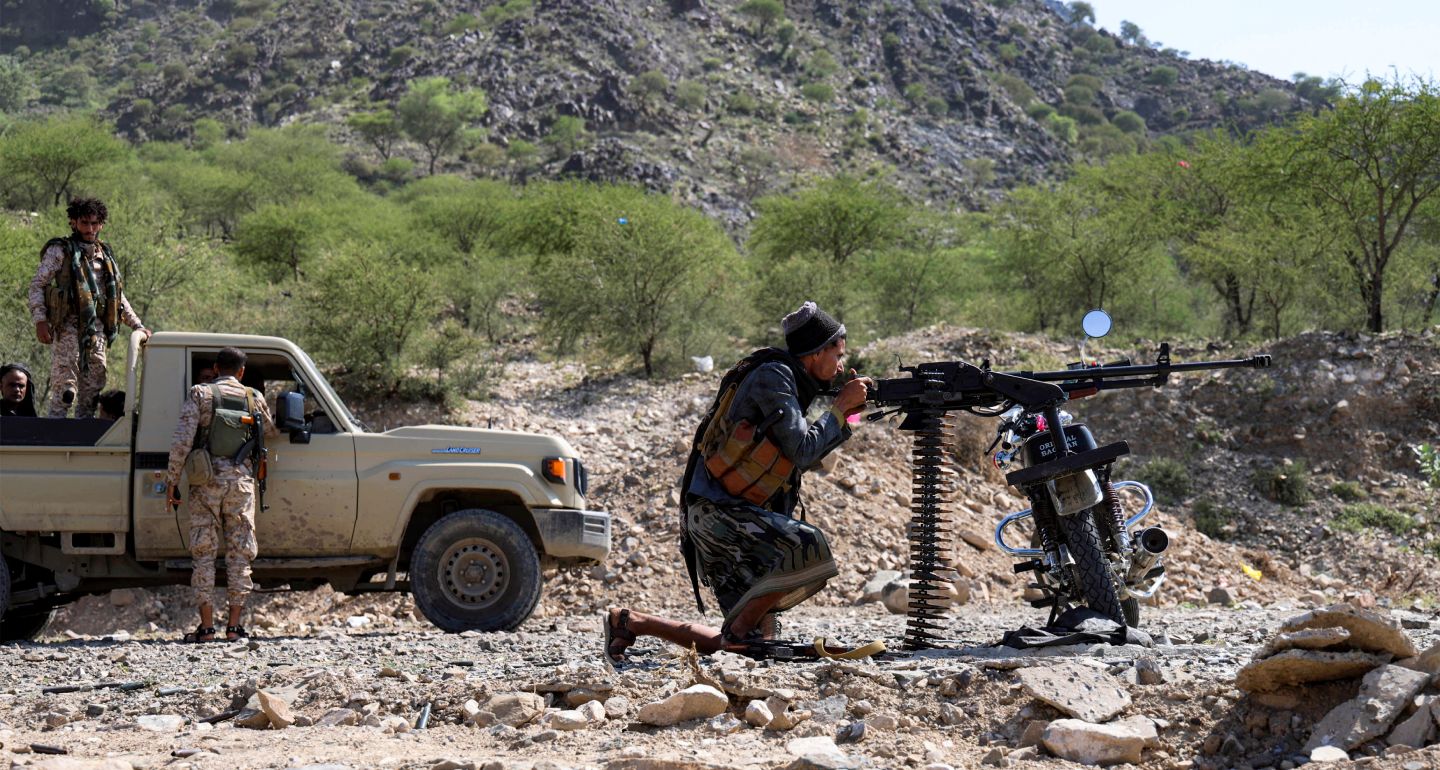
Russia officially endorses Yemen’s formal government while quietly providing military support to the Houthi rebels. However, recent escalation in Yemen has thrust Russia’s game into the spotlight—and risks endangering its relations with the Gulf states.
Ruslan Suleymanov
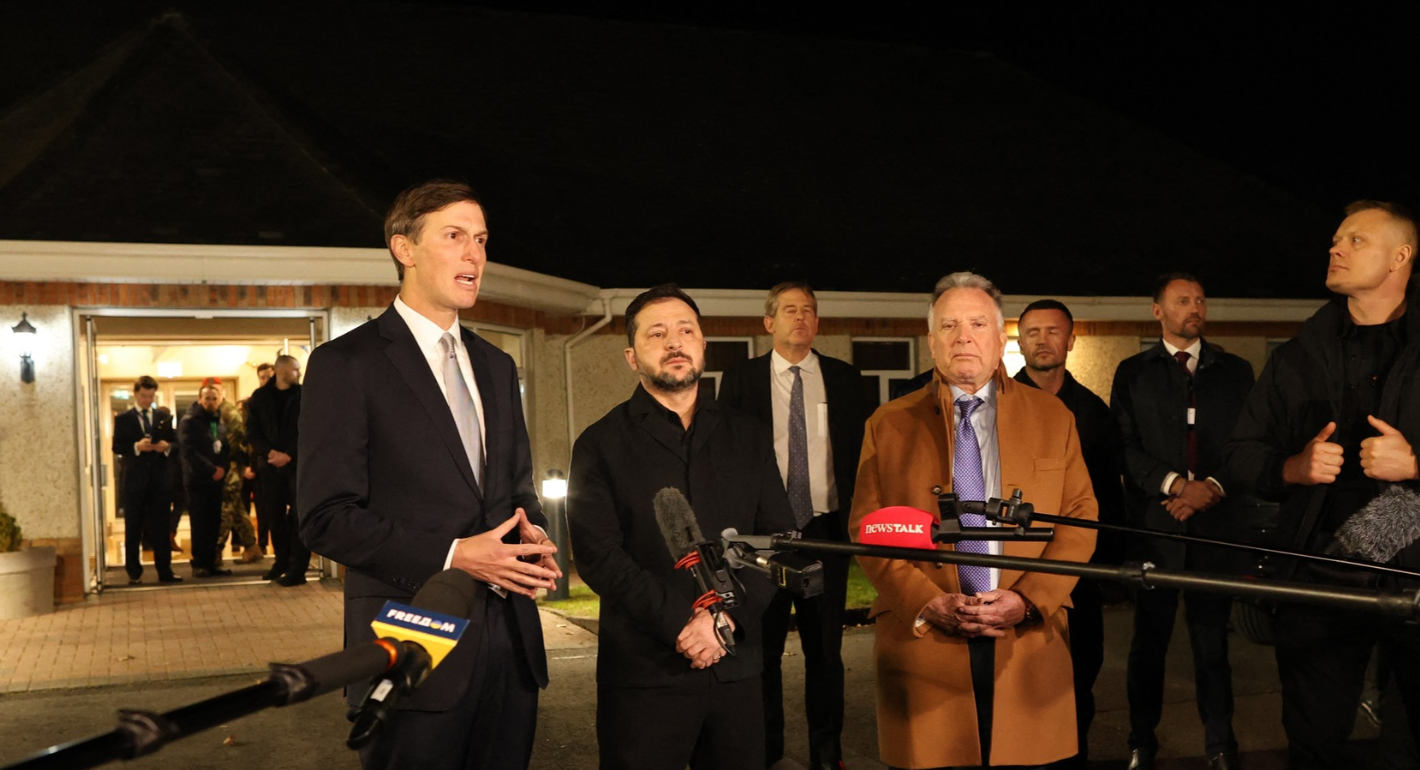
Russia’s maximalist demands are preventing any serious attempt at ending the war in Ukraine. To make peace a realistic prospect, Putin must recognize that diplomacy is a two-way street.
Kadri Liik