

Report
Tim Maurer, Arthur Nelson
{
  "authors": [
    "Tim Maurer"
  ],
  "type": "other",
  "centerAffiliationAll": "dc",
  "centers": [
    "Carnegie Endowment for International Peace"
  ],
  "collections": [],
  "englishNewsletterAll": "ctw",
  "nonEnglishNewsletterAll": "",
  "primaryCenter": "Carnegie Endowment for International Peace",
  "programAffiliation": "TIA",
  "programs": [
    "Technology and International Affairs"
  ],
  "projects": [],
  "regions": [
    "North America",
    "United States",
    "East Asia",
    "China",
    "Iran"
  ],
  "topics": [
    "Foreign Policy",
    "Technology"
  ]
}
Source: Getty
Increasingly disruptive and destructive cyber attacks pose an unprecedented threat to the global financial system. This challenge presents an opportunity for the United States and China to work together rallying behind their shared interest in protecting financial stability.
Source: Hoover Institution
Geopolitical tensions are on the rise worldwide, including between China and the United States. This will make multilateral cooperation and engagement generally, and diplomatic efforts focusing on more comprehensive frameworks specifically, more challenging. At the same time, the technological change will persist, transforming societies that become increasingly digitally connected in terms of both humans and machines. Governments can either manage emerging risks associated with this transformation proactively or respond reactively to them after major incidents. Some of these risks have a systemic dimension requiring particular attention. This includes the financial system, and clear warning signs are already on the horizon. The United States and China have an opportunity to proactively mitigate these risks given their shared interest and their combined influence. Cooperating in this more narrowly defined area holds greater promise in the current political environment than more ambitious initiatives do. The initiative outlined in this paper could be the blueprint for such a joint endeavor when the political window of opportunity presents itself.
This piece was originally published as part of the Hoover Institution’s Aegis Paper Series.

Former Senior Fellow, Technology and International Affairs Program
Dr. Tim Maurer was a senior fellow in Carnegie’s Technology and International Affairs program.
Recent Work

Tim Maurer, Arthur Nelson
Tim Maurer, Garrett Hinck
Carnegie does not take institutional positions on public policy issues; the views represented herein are those of the author(s) and do not necessarily reflect the views of Carnegie, its staff, or its trustees.
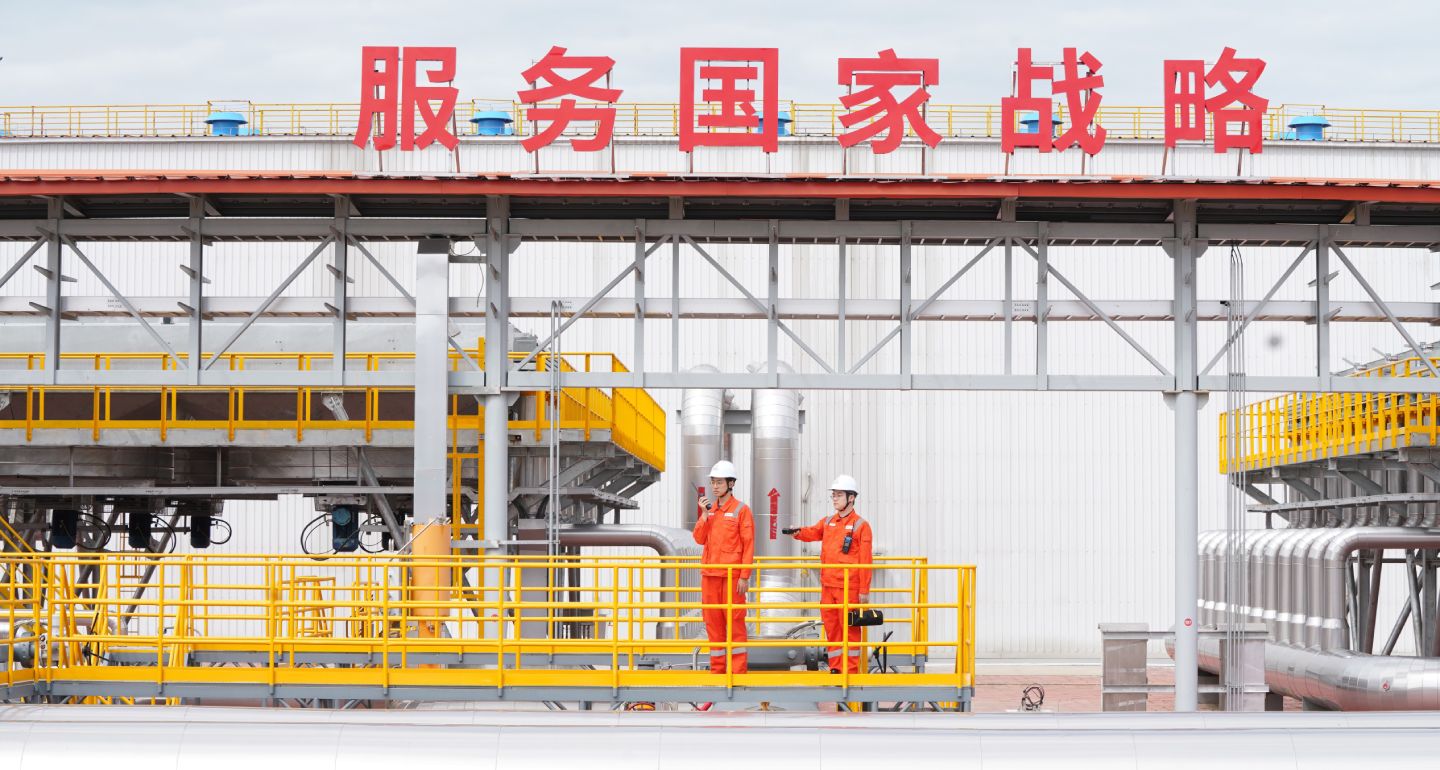
A leak of Russian gas price data helps establish that China is paying Russia far less than Central Asian countries and Gazprom’s former European customers.

Sergey Vakulenko

China’s political future will be shaped between now and next October. As the Communist Party enters its intense “campaign season” to prepare for a major political transition in 2027, reading Beijing's actions and responses may become more difficult as domestic politics weigh on its behavior more than usual.

Damien Ma

The EU can impose sanctions but struggles to enforce them without the United States. With Washington increasingly disinterested in backing European interests, the bloc must now fend for itself.


Nicu Popescu, Tiago Antunes
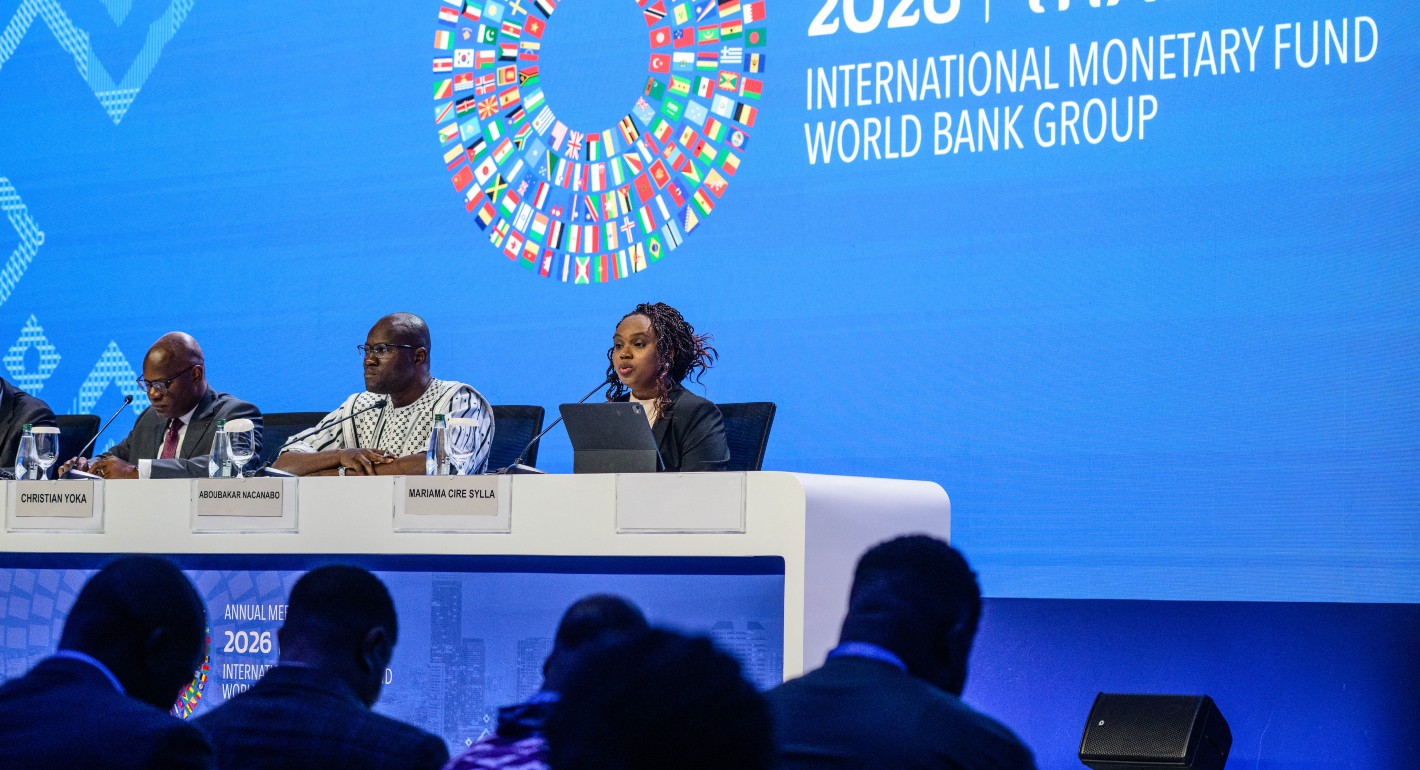
Global and rising powers will need to engage with Africa’s priorities and agency in order to secure the continent’s increasingly attractive partnerships.

Fonteh Akum

Rubio’s recent visit brought welcome attention, but more capital requires governance changes that may be a hard sell for regional governments.

Jennifer B. Murtazashvili