

Paper
Domestic mobilization, personalized leadership, and nationalism have reshaped India’s global behavior.
Sandra Destradi
{
  "authors": [
    "Neil Noronha"
  ],
  "type": "legacyinthemedia",
  "centerAffiliationAll": "",
  "centers": [
    "Carnegie Endowment for International Peace",
    "Carnegie India"
  ],
  "collections": [],
  "englishNewsletterAll": "",
  "nonEnglishNewsletterAll": "",
  "primaryCenter": "Carnegie India",
  "programAffiliation": "",
  "programs": [],
  "projects": [],
  "regions": [
    "India"
  ],
  "topics": [
    "Domestic Politics",
    "Economy"
  ]
}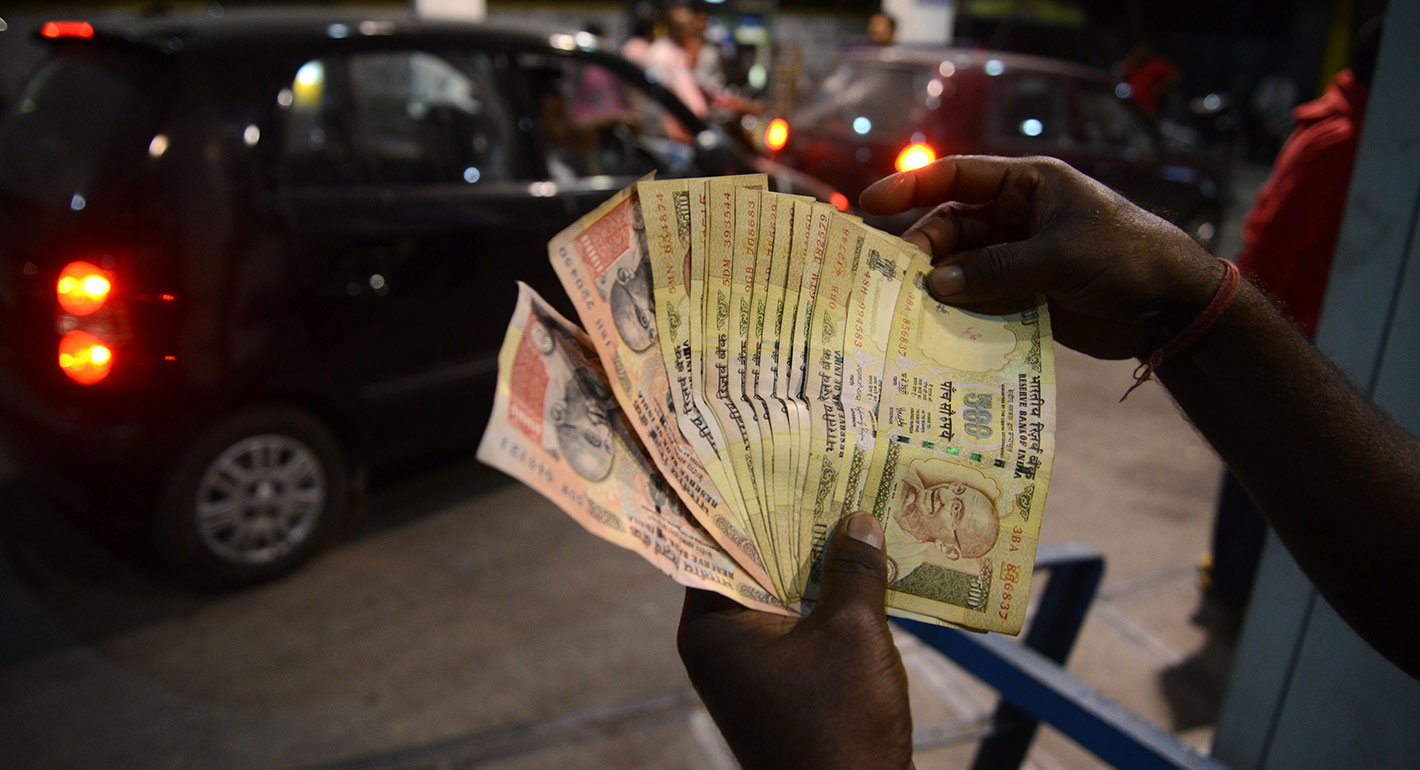
Source: Getty
There is now an opportunity for India to take the lead on a global platform to combat money laundering and tax evasion–and for Modi to take his campaign promise forward.
Source: Print
Cracking down on black money has been the centerpiece of Prime Minister Narendra Modi’s campaign. There is now an opportunity for India to take the lead on a global platform to combat money laundering and tax evasion – and for Modi to take his campaign promise forward.
Neil Noronha
Neil Noronha is a Henry Luce scholar, and a visiting scholar with Carnegie India.
Carnegie does not take institutional positions on public policy issues; the views represented herein are those of the author(s) and do not necessarily reflect the views of Carnegie, its staff, or its trustees.
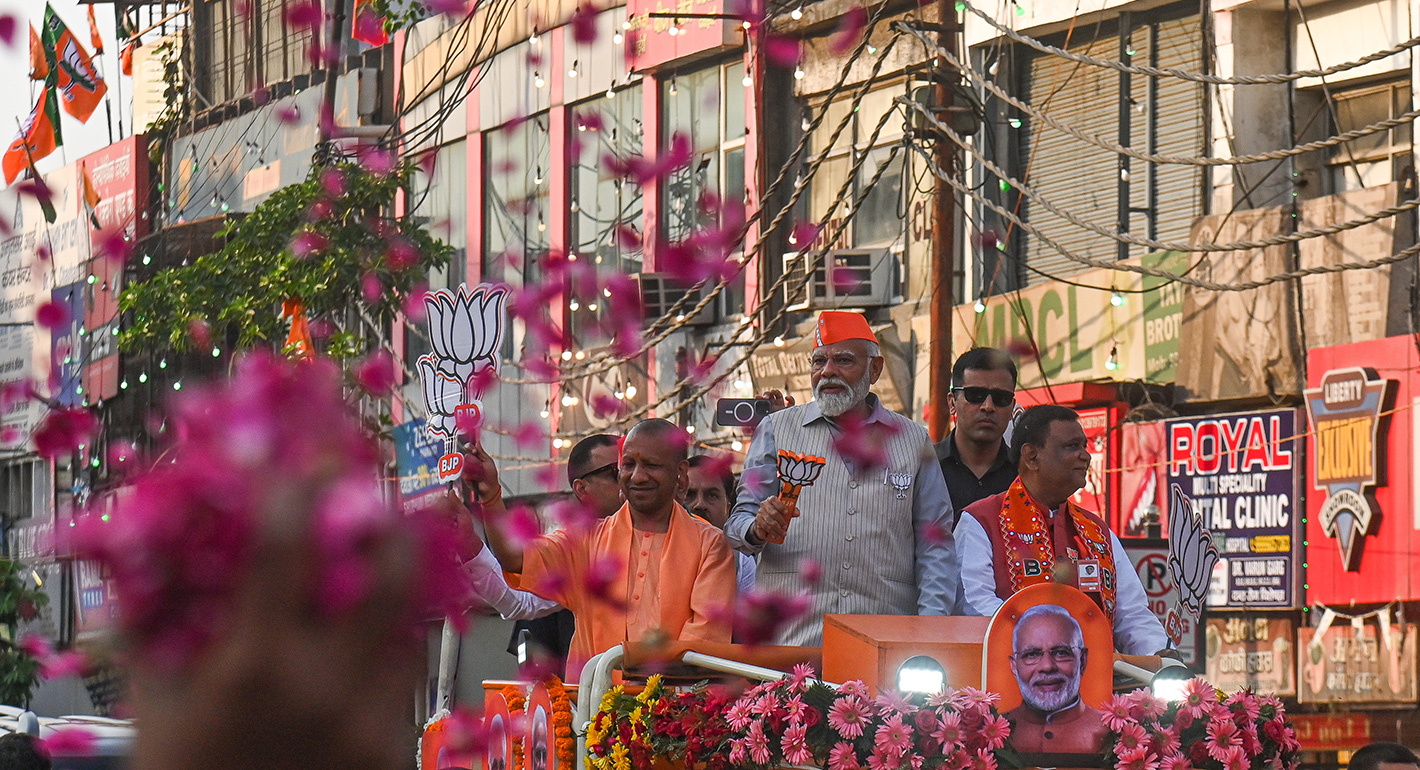
Domestic mobilization, personalized leadership, and nationalism have reshaped India’s global behavior.

Sandra Destradi
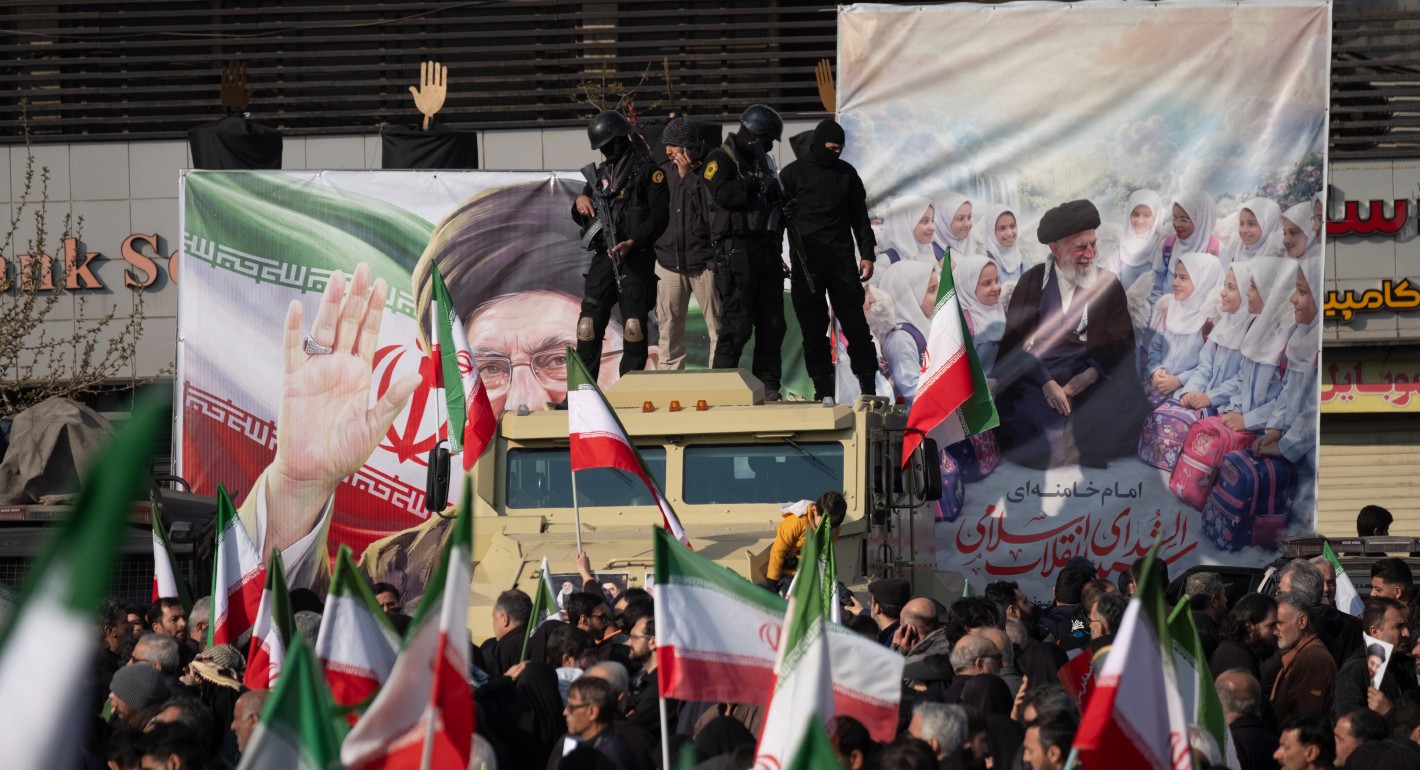
The recent record of citizen uprisings in autocracies spells caution for the hope that a new wave of Iranian protests may break the regime’s hold on power.


Thomas Carothers, McKenzie Carrier

Internet service providers can facilitate internet access but also draconian control.
Irene Poetranto
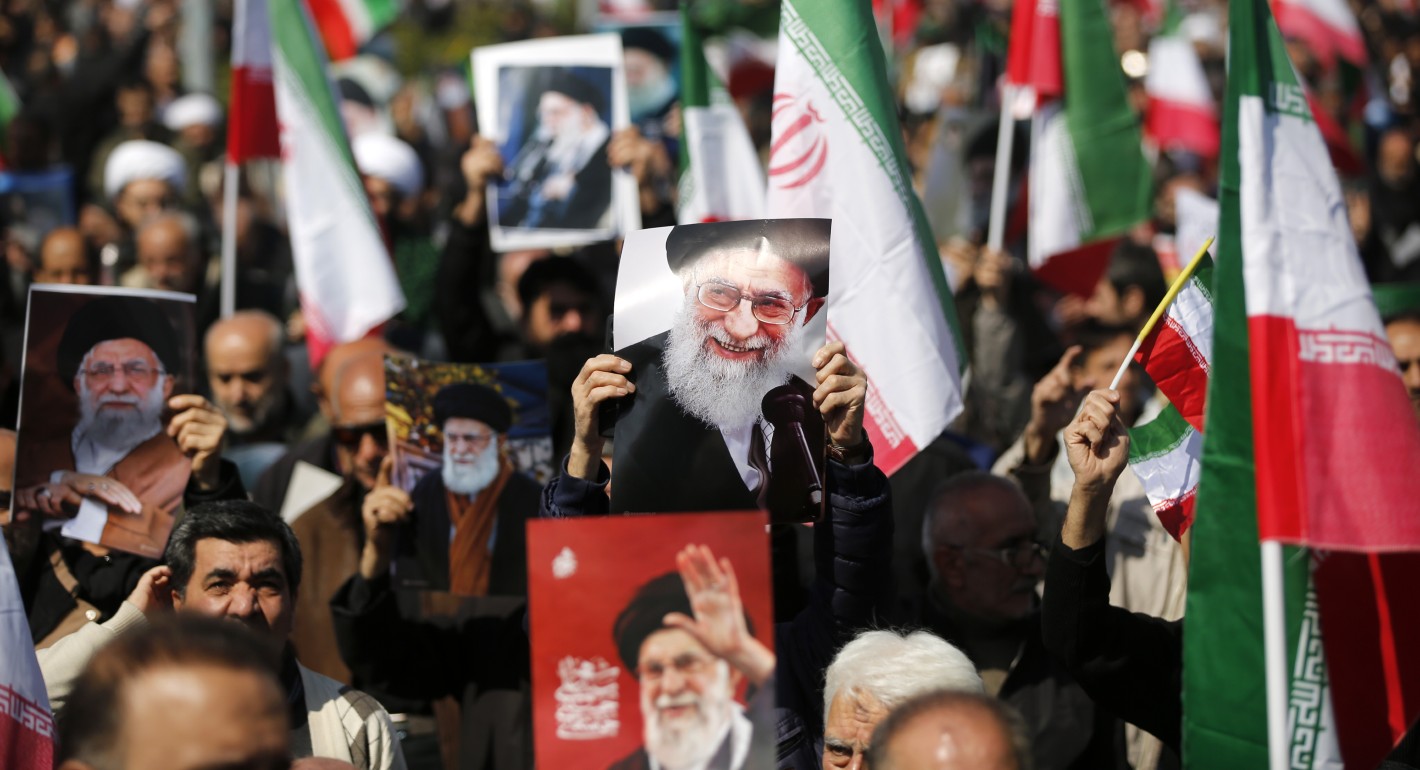
If the succession process can be carried out as Khamenei intended, it will likely bring a hardliner into power.

Eric Lob
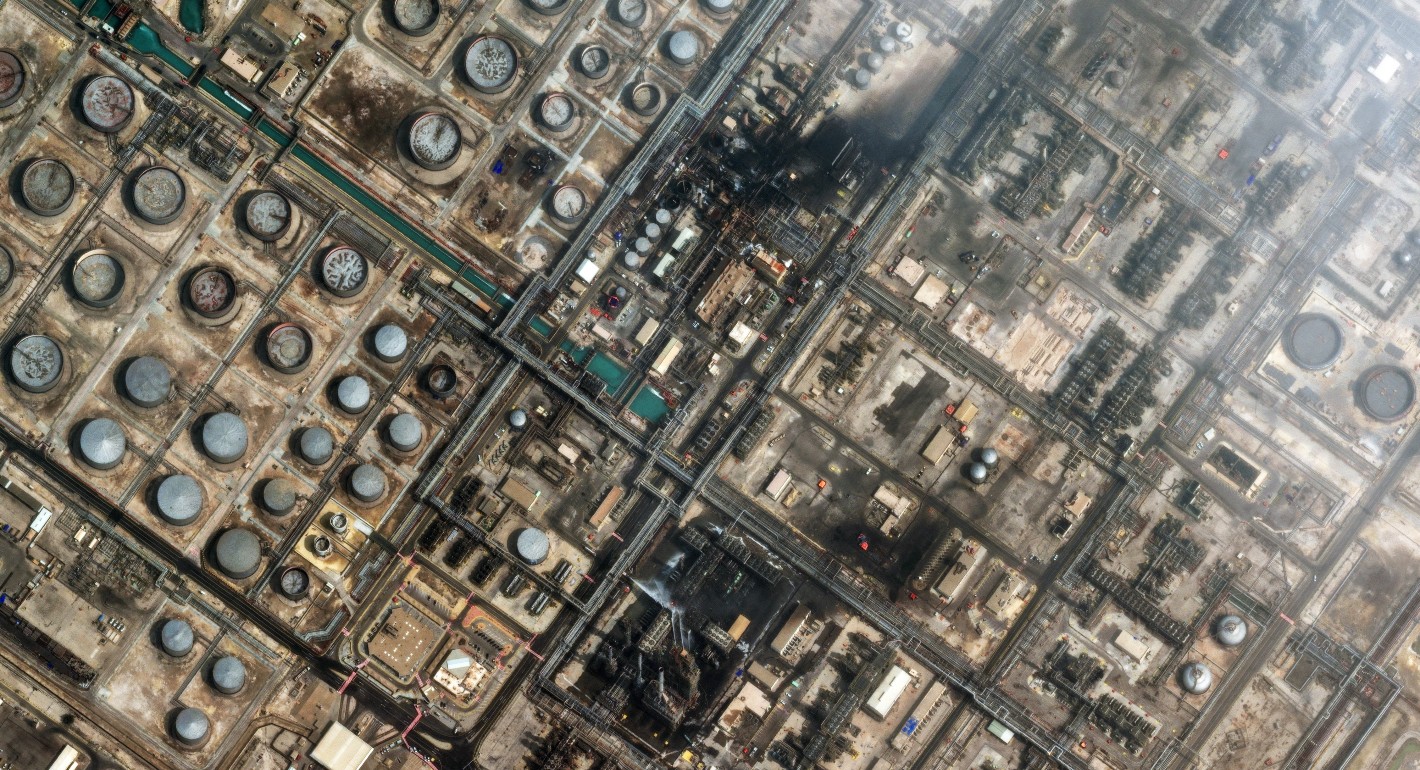
Tehran’s attacks are reshaping the security situation in the Middle East—and forcing the region’s clock to tick backward once again.

Amr Hamzawy