

Article
C. Raja Mohan, Darshana M. Baruah
{
  "authors": [
    "C. Raja Mohan"
  ],
  "type": "legacyinthemedia",
  "centerAffiliationAll": "",
  "centers": [
    "Carnegie Endowment for International Peace",
    "Carnegie India"
  ],
  "collections": [],
  "englishNewsletterAll": "",
  "nonEnglishNewsletterAll": "",
  "primaryCenter": "Carnegie India",
  "programAffiliation": "",
  "programs": [],
  "projects": [],
  "regions": [
    "South Asia",
    "Pakistan",
    "India"
  ],
  "topics": [
    "Foreign Policy"
  ]
}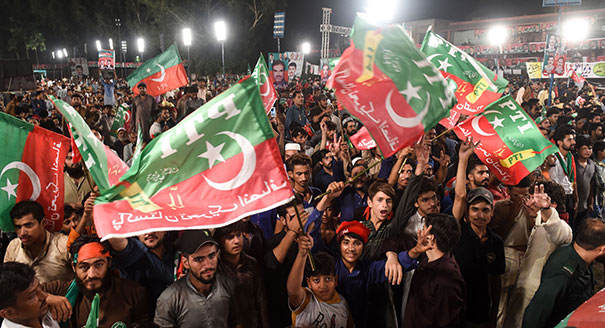
Source: Getty
The election of Imran Khan makes little difference to Pakistan's India policy, which is controlled by the army and the so-called state institutions.
Source: Indian Express
Building a ‘new Pakistan’ has been the main slogan of Imran Khan’s election campaign. But few in New Delhi would bet on any significant change in Islamabad’s policy towards India if Imran Khan does become the prime minister of Pakistan in the next few days. For the Indian security establishment has few expectations that normalisation of relations with Pakistan is possible.
Yet, India can’t give up hope for influencing Pakistan’s political evolution over the longer term. India’s opportunities will arise less from the election of Imran Khan than the deepening pressures on Pakistan to change course. Here then is the paradox of Pakistan’s power structure and its consequences for India-Pakistan relations.
The election of Imran Khan makes little difference to its India policy, which is controlled by the army and the so-called state institutions. But the army’s ability to fix Pakistan’s political, economic and security challenges appears to be under increasing stress. It is the consequent instability that might create the conditions for change in Pakistan’s internal and external orientation.
Few modern leaders of Pakistan have had more intensive contact with the Indian elite than Imran Khan. A spectacular cricketing career, huge fan following in India, and his frequent visits across the border have probably given Imran Khan a rare familiarity with the Indian elite. That might suggest greater sensitivity on Imran’s part to Pakistan’s many suppressed possibilities with India.
To be sure, Imran indulged in customary India-bashing during the campaign; but there was no excessive obsession with it. In the end though, what Imran thinks of India, for good or bad, is not really consequential for bilateral relations. For, as PM, Imran might have little wiggle room to innovate on India-Pakistan relations.
To put it more bluntly, Imran can contribute neither to the improvement nor the deterioration of Pakistan’s relations with India. Pakistan’s prime ministers have long lost influence, what little they had three decades ago in the immediate aftermath of Gen Zia-ul-Haque’s death, over the direction and shape of Islamabad’s foreign policy. Over these decades, Pakistan army has gained absolute control over important national security issues relating to Afghanistan, United States, China, Jihadi forces and India.
Imran’s two recent predecessors — Prime Minister Nawaz Sharif of the Pakistan Muslim League and President Asif Ali Zardari of the People’s Party — were strong leaders with some mass support. Both were committed to improving ties with India, but could not overcome the Army’s apparent veto on normalising relations with India. Imran Khan, therefore, may have even less of a chance of orchestrating any new thinking on India.
Wednesday’s general elections in Pakistan certainly look set to produce a change in the government. But there is going to be no ‘regime change’ in Pakistan. Yet the ‘regime crisis’ is difficult to ignore. It expresses itself in multiple ways. One is the ‘legitimacy’ of this election. Whatever the merit behind the charges that he has been ‘selected’ rather than ‘elected’, Imran may not have an easy time time running the government.
The problems on the macro economic front are only likely to be exacerbated in the near term. If China can’t continue to bail out Pakistan, Islamabad has no choice but to go to the International Monetary Fund and accept a major and painful programme for structural adjustment. While the US was ready to cut slack for Pakistan in the past for political reasons, it is now bearing down on the question of Pakistan nurturing international terror and is threatening new sanctions.
US president Donald Trump has demanded that Pakistan stop destabilising Afghanistan; and if he does follow through on his punitive threats, Rawalpindi will find itself in an unenviable position. In the past the Pakistan army was both lucky and smart in navigating itself out of tricky positions like these.
Will the army’s luck hold one more time? It has multiple problems to deal with and India is not necessarily at the top of the list. And that may be one good reason why Delhi must keep an open mind on exploring potential opportunities to engage Pakistan, especially the GHQ, either in public or in private.
This article was originally published in the Indian Express.
Former Nonresident Senior Fellow, Carnegie India
A leading analyst of India’s foreign policy, Mohan is also an expert on South Asian security, great-power relations in Asia, and arms control.
Recent Work

C. Raja Mohan, Darshana M. Baruah


Alexander Gabuev, Paul Haenle, C. Raja Mohan, …
Carnegie does not take institutional positions on public policy issues; the views represented herein are those of the author(s) and do not necessarily reflect the views of Carnegie, its staff, or its trustees.
To carry out its global AI agenda, Washington will need strategic relationships with emerging markets in Africa, starting with Kenya.
Jane Munga
Europe’s industrial supply chains leave it vulnerable to global shocks. The EU needs a pragmatic green industrial strategy that balances durable partnerships and bolsters homegrown clean tech without sacrificing low-carbon ambition.


Milo McBride, Pauline Gerard
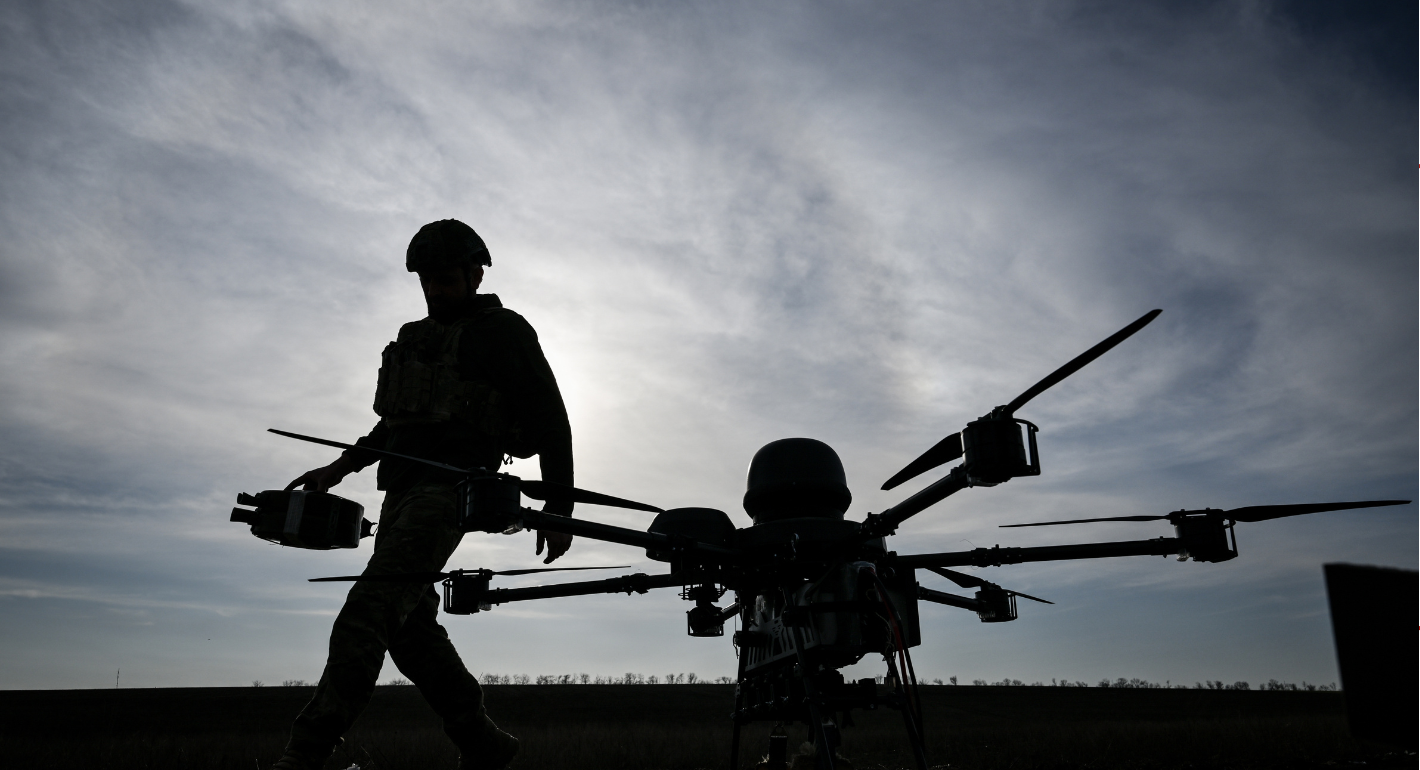
Defense tech innovations will be at the heart of Europe’s new security strategy. But so far, Brussels has been making moves without a broader plan, undermining readiness and credibility.

Raluca Csernatoni
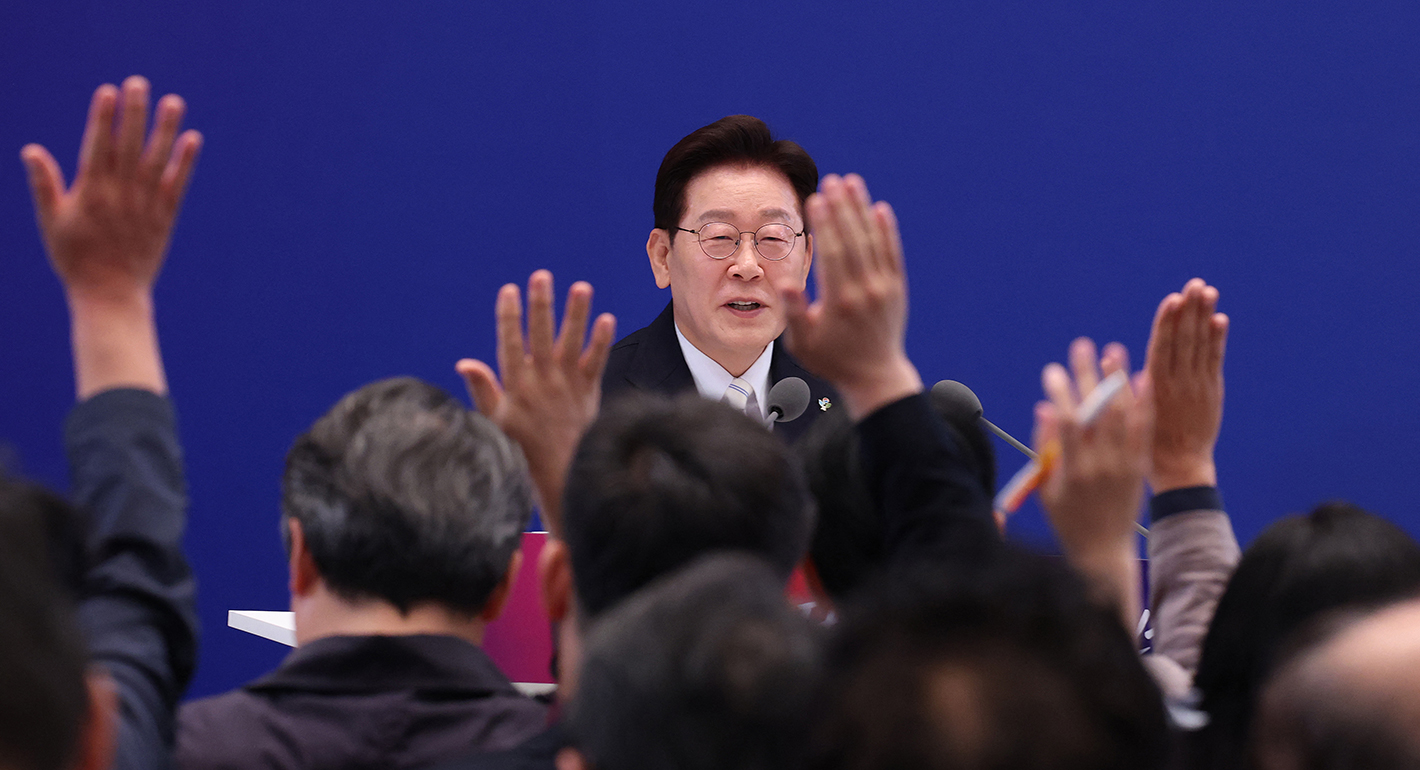
President Lee marked his first year in office after one of the most tumultuous periods in South Korean politics. Though Lee has enjoyed a high approval rating, a large majority in the National Assembly, and foreign policy victories, Lee and his party’s political fortunes depend on generating economic growth, learning the right lessons from the recent local elections, and managing contentious factional strife within his political base.
Chung Min Lee

This year’s wars have made alternative routes to transit through Russia no less risky for Central Asian countries.

Galiya Ibragimova