

Commentary
With the growth in points of friction between the great powers, organizations like the SCO will continue to play a role in the strategic adaptation of the smaller powers caught between them.
Temur Umarov
{
  "authors": [
    "Andrey Movchan"
  ],
  "type": "legacyinthemedia",
  "centerAffiliationAll": "",
  "centers": [
    "Carnegie Endowment for International Peace",
    "Carnegie Russia Eurasia Center"
  ],
  "collections": [],
  "englishNewsletterAll": "",
  "nonEnglishNewsletterAll": "",
  "primaryCenter": "Carnegie Endowment for International Peace",
  "programAffiliation": "",
  "programs": [],
  "projects": [],
  "regions": [
    "Russia"
  ],
  "topics": [
    "Political Reform"
  ]
}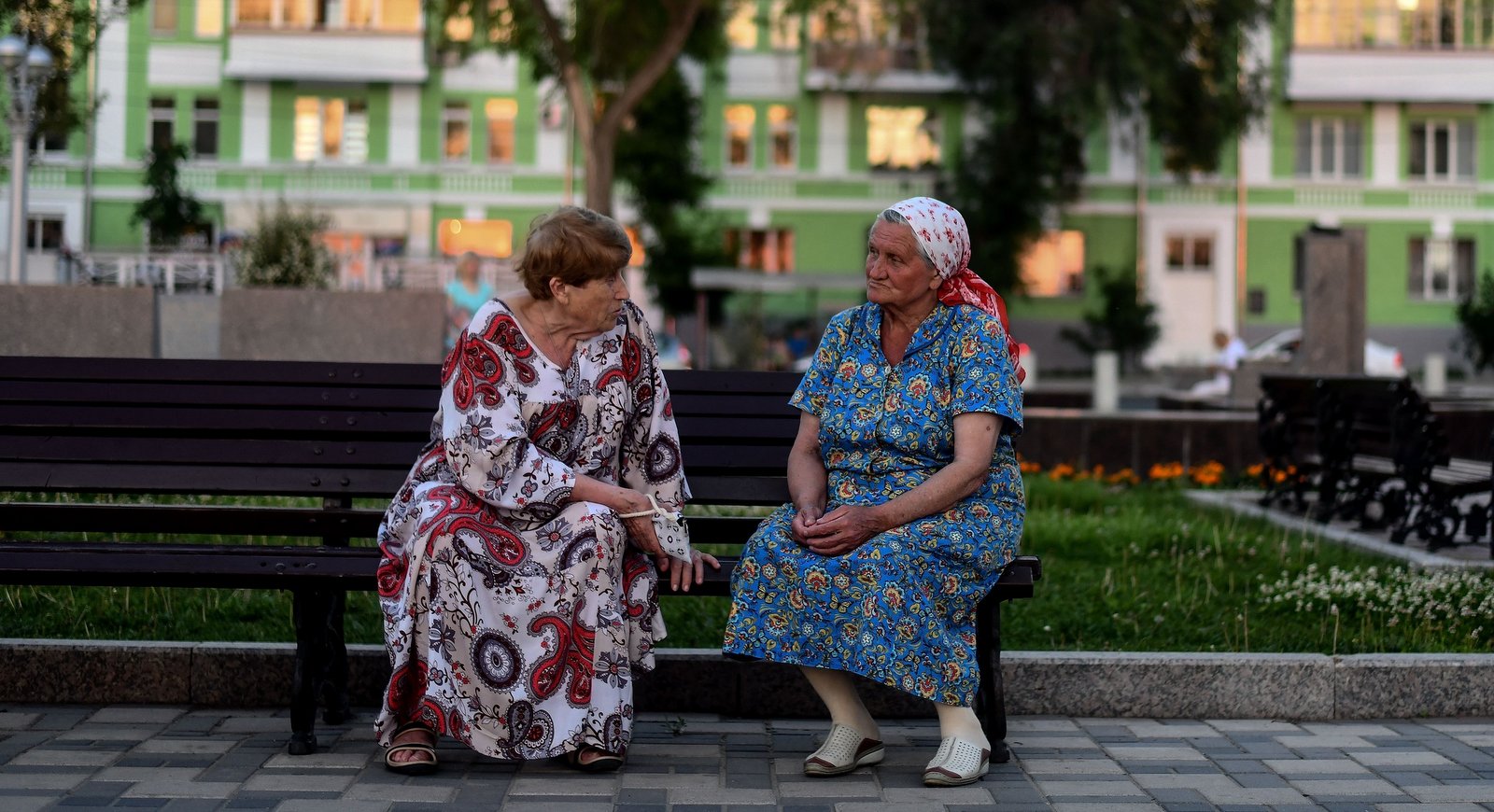
Source: Getty
Russia’s crony-capitalist economic model requires an ever-increasing volume of funds to be burned on lavish mega-projects that generate huge profits for a dozen families close to the Kremlin. Now it seems to be pensioners’ turn to make the sacrifices needed to finance the appetites of Russia’s new aristocracy.
Source: Project Syndicate
Modern Russia has never had a proper pension system. It inherited from the Soviet Union both very low retirement ages – 55 for women and 60 for men – and paltry resources to fund state pensions. But the recent decision of President Vladimir Putin and the Duma (parliament) to raise the retirement age will not fix the problem – and may create more serious problems than it solves.
Since 1991, at least six different pension reforms have been implemented, with each contradicting the one that preceded it. And when the government tried to facilitate the emergence of private pension funds, the new vehicles soon went bankrupt, owing to massive fraud. All told, the various reforms have had few discernible results.
Raising the retirement age – to 60 for women and 65 for men – seems like a simple way to help close the financing shortfall. But it has proven to be spectacularly unpopular, with Putin’s approval rating plummeting at least a dozen percentage points since the spring, to a level not seen since before the 2014 annexation of Crimea.
Popular opposition to the move reflects neither discomfort with change nor an unwillingness to work. With Russian male life expectancy averaging just 67 years, increasing the pension age to 65 is akin to issuing men an actuarial death sentence. (Russian women live much longer – not least because they drink far less alcohol – and will do reasonably well, by global standards, in the new system.)
But, leaving aside popular opposition, raising the retirement age addresses the wrong issue in the wrong way. The reform is meant to ease strain on the public budget, by enabling the government to reduce subsidies to the pension fund. But, while Russia’s pension fund does have a massive shortfall, state subsidies to it amount to less than 10% of the total consolidated budget – less than the fluctuation caused by changes in oil prices each year. For a country with negligible sovereign debt, a stable budget surplus, and foreign-currency reserves that grow by $30 billion each year, spending an extra $30 billion to subsidize pensions should not be a major problem.
What will be a major problem is the effect of the higher retirement age on the labor market. If older workers keep their jobs for longer, younger workers will have a harder time finding employment in many fields. For companies that prefer younger employees – say, because they operate in a cutting-edge or fast-changing industry – there may even be incentive to bribe labor inspectors, in order to avoid penalties for discriminating against older workers.
Instead, Russia’s leaders should recognize that the real challenge their country faces is an aging population, and that raising the retirement age is thus little more than a Band-Aid. After all, if the pension fund were to remain sustainable using this approach alone, the retirement age would have to increase by another five years in 2028. If the Russian economy remains stagnant, as expected, the pension tax (already 22% of income) will also have to rise in five years, to keep the fund’s financing levels stable.
A more sustainable approach to covering the financing shortfall would focus on improving the management of Russia’s pension fund, which, with over 100,000 employees and thousands of offices around the country, is far too costly to run. In fact, much of the fund’s shortfall can be eliminated simply by streamlining operations and the associated costs.
Resources could also be found by reallocating money from the pensions of “special categories” of citizens, such as members of the security services, who currently have the option of retiring at 45. Russian state officials are not only entitled to retire earlier; they are also paid 2-3 times more than other citizens.
Another reform that could go a long way toward resolving Russia’s pension troubles – a fixed-contribution scheme – was actually initiated in 2002. In 2009, a co-financing scheme was launched, with the state matching individuals’ voluntary contributions up to a certain level and for a limited period.
In 2013, however, the fixed-contribution experiment ended abruptly. While reintroducing such a scheme today would demand even greater government financial support, at least at first, in the long run, it would create a sustainable and self-sufficient system.
The obvious question is why Russia’s government is sacrificing public support to pursue an ineffective reform aimed simply at cutting pension expenditure, rather than genuinely trying to place the system on a sound financial footing. The answer probably lies in Russia’s approach to governance, which still emphasizes Soviet-style centralized control. Russia’s ruling elite would rather cut off payments to millions of pensioners than allow the emergence of a self-sufficient private system that empowers individuals to make their own choices.
Russia’s crony-capitalist economic model requires an ever-increasing volume of funds to be burned on lavish mega-projects that generate huge profits for a dozen families close to the Kremlin. Now it seems to be pensioners’ turn to make the sacrifices needed to finance the appetites of Russia’s new aristocracy. And, because raising the retirement age won’t save the pension fund, it is only a matter of time before the government demands more cuts to keep Putin’s cronies happy.
Andrey Movchan
Former Nonresident Scholar, Carnegie Moscow Center
Movchan is a nonresident scholar at the Carnegie Moscow Center.
Carnegie does not take institutional positions on public policy issues; the views represented herein are those of the author(s) and do not necessarily reflect the views of Carnegie, its staff, or its trustees.

With the growth in points of friction between the great powers, organizations like the SCO will continue to play a role in the strategic adaptation of the smaller powers caught between them.

Temur Umarov
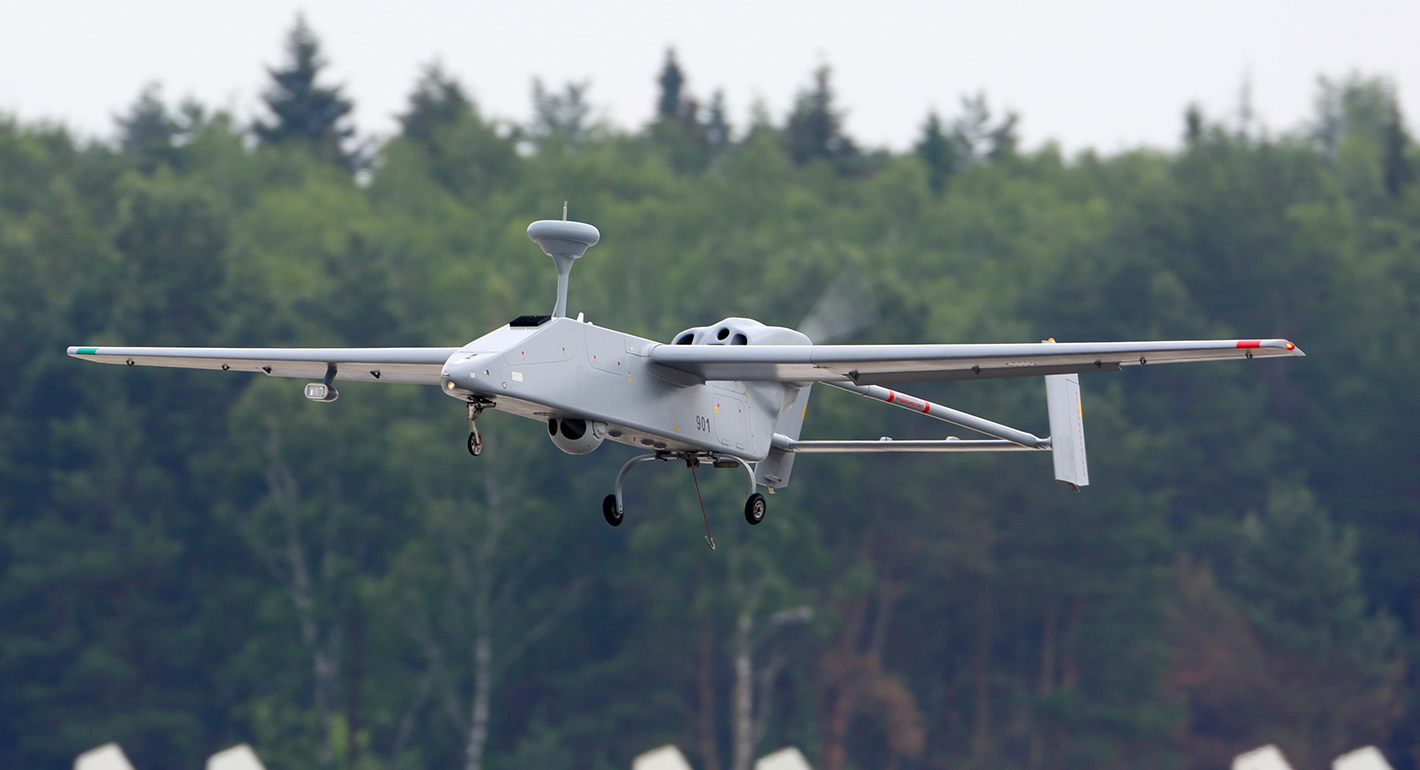
Moscow is testing Europe’s defenses with drone incursions and could decide to use drones against the continent on a much larger scale once the war in Ukraine pauses. European countries will need Kyiv to help them prepare for such a possibility.
Pavlo Zvenyhorodskyi

The war in Ukraine and a change in ownership led VK to neglect its commercial ventures in favor of implementing the Kremlin’s online agenda. Now it’s been sanctioned by the EU.

Maria Kolomychenko
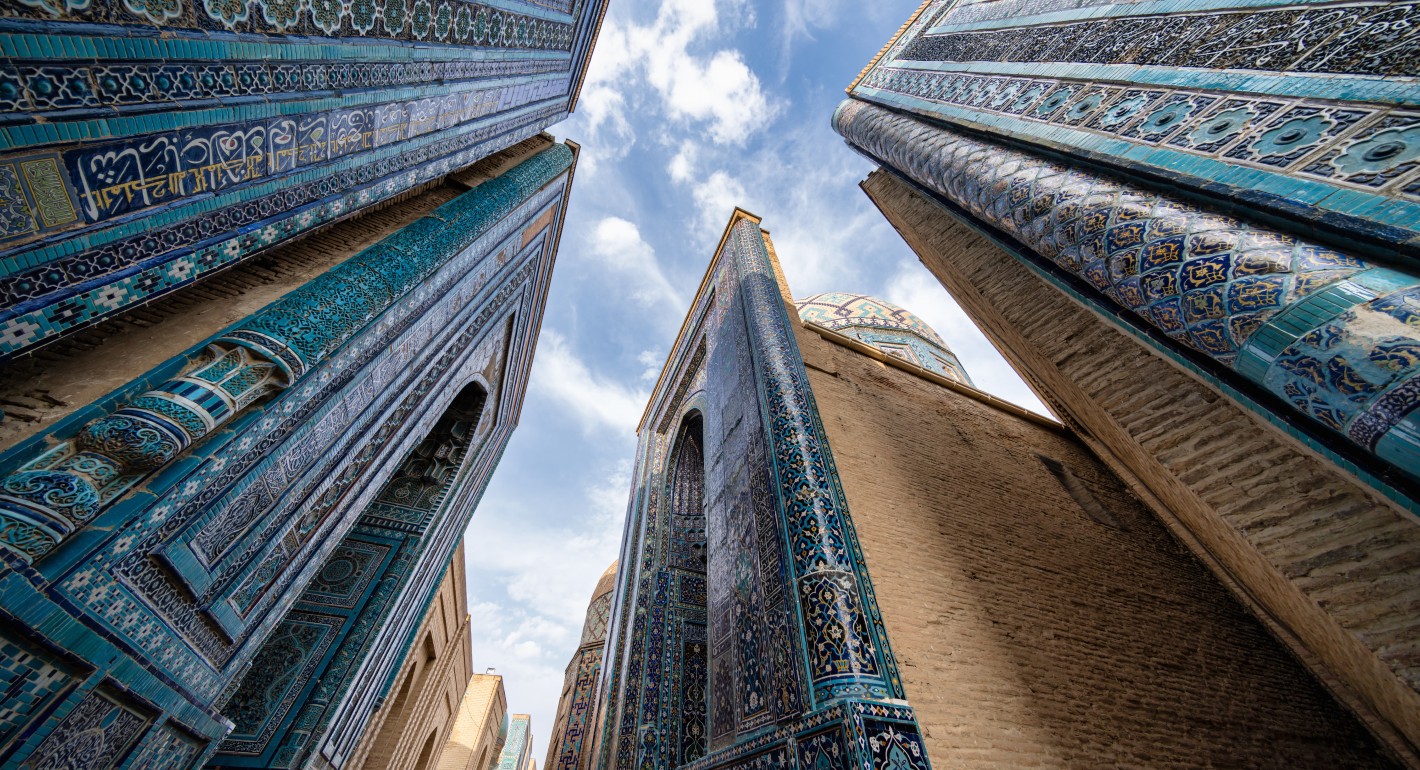
Xi, Putin, and other regional leaders are back-slapping in Bishkek, but the SCO has yet to answer the most serious questions about continental Asia's economic future.

Evan A. Feigenbaum

The EU’s responses to two recent incidents expose the gulf between European perceptions and capabilities. Unless the union can bridge that gap, it will never become a real geostrategic power.

Rym Momtaz