

Paper
- +3
Rajesh Bansal, Anirudh Burman, Rudra Chaudhuri, …
{
  "authors": [
    "Srinath Raghavan"
  ],
  "type": "legacyinthemedia",
  "centerAffiliationAll": "",
  "centers": [
    "Carnegie Endowment for International Peace",
    "Carnegie India"
  ],
  "collections": [],
  "englishNewsletterAll": "",
  "nonEnglishNewsletterAll": "",
  "primaryCenter": "Carnegie India",
  "programAffiliation": "",
  "programs": [],
  "projects": [],
  "regions": [
    "India"
  ],
  "topics": [
    "Domestic Politics"
  ]
}
Source: Getty
Recent revelations about the Rafale deal have all focused on one central question: was the contract for 36 aircrafts secured by the NDA government on better terms than the older UPA negotiations for 126 medium multi-role combat aircrafts, especially with respect to cost and delivery time?
Source: Print
Recent revelations about the Rafale deal have all focused on one central question: Was the contract for 36 aircraft secured by the NDA government on better terms than the older UPA negotiations for 126 medium multi-role combat aircraft (MMRCA), especially with respect to cost and delivery time?
Two documents made public Wednesday throw further light on these issues. The Hindu reproduced an eight-page dissenting note by three members of the Indian Negotiating Team (INT), claiming that the contract for the 36 aircraft was not on better terms. The CAG report tabled in Parliament, on the other hand, asserts that the government did manage to secure a better deal—but to a lesser extent than it claimed.

Nonresident Senior Fellow
Srinath Raghavan is a nonresident senior fellow at Carnegie India. His primary research focus is on the contemporary and historical aspects of India’s foreign and security policies.
Recent Work


Rajesh Bansal, Anirudh Burman, Rudra Chaudhuri, …
Srinath Raghavan
Carnegie does not take institutional positions on public policy issues; the views represented herein are those of the author(s) and do not necessarily reflect the views of Carnegie, its staff, or its trustees.
While France and Australia are seeking to establish the legal obligations of messaging apps like Telegram, Russia wants total subordination.

Maria Kolomychenko

To remain effective, organizations need to master new media and legitimacy markers to make a once-in-a-century shift.
Renée DiResta, Rachel Kleinfeld, Margot Treadwell
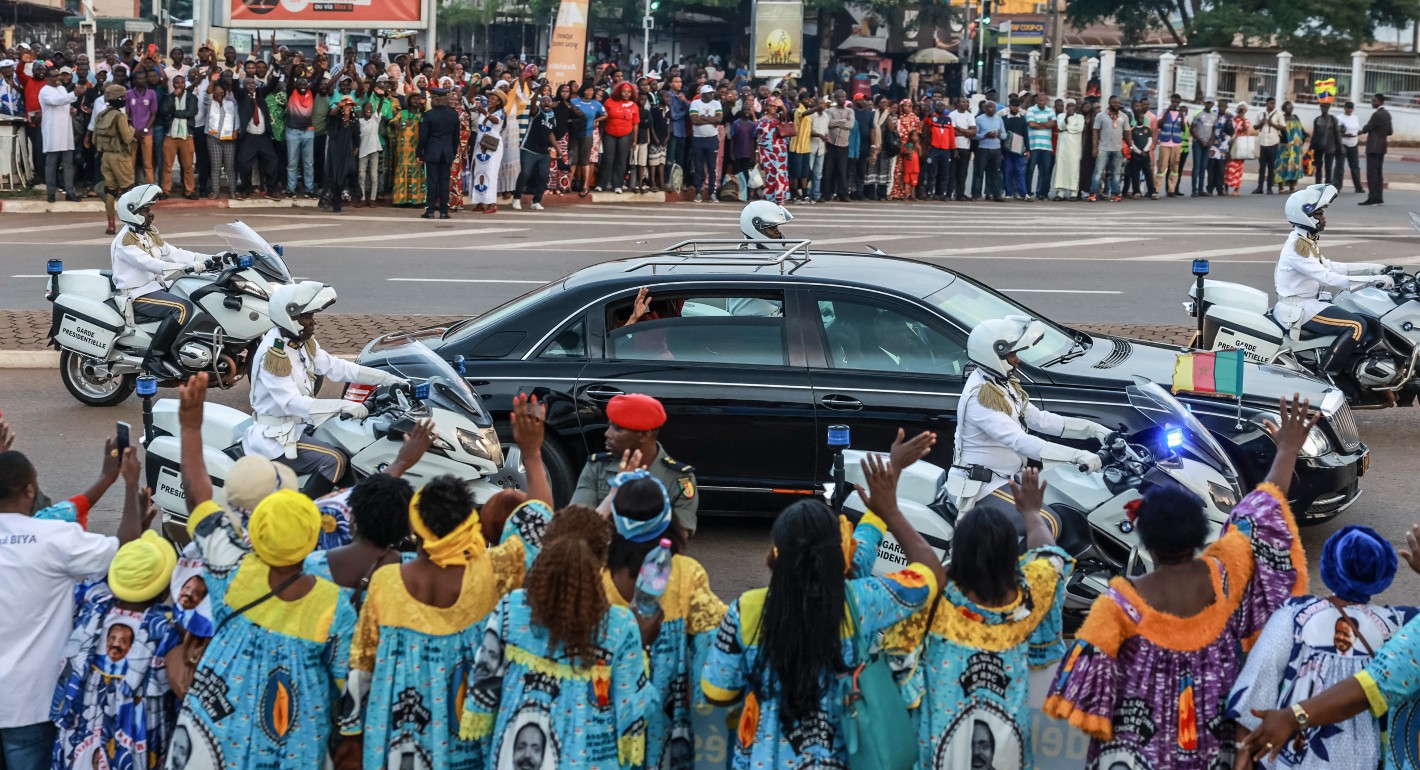
The ninety-three-year-old Biya’s absence and refusal to name a vice president threaten to upend domestic and regional stability.

Lesley Anne Warner
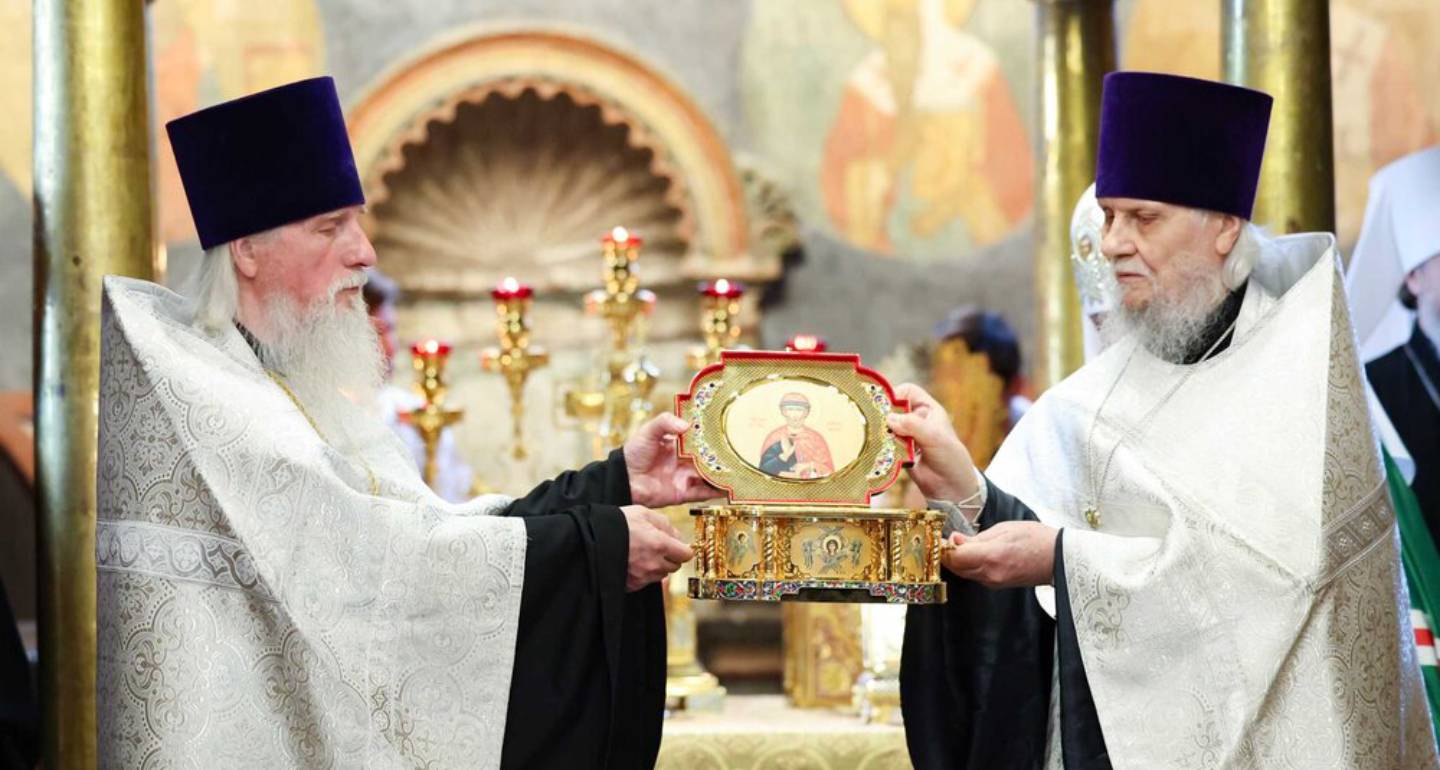
The recent uncovering of Dmitry Donskoy’s relics in the Cathedral of the Archangel is yet another attempt by the Russian Orthodox Church to help the state solve its problems. However, parroting the state’s version of Russian history leaves the Church with no message except “patriotism.”
Alexander Zanemonets

With the growth in points of friction between the great powers, organizations like the SCO will continue to play a role in the strategic adaptation of the smaller powers caught between them.

Temur Umarov