

Paper
- +3
Rajesh Bansal, Anirudh Burman, Rudra Chaudhuri, …
{
  "authors": [
    "Srinath Raghavan"
  ],
  "type": "legacyinthemedia",
  "centerAffiliationAll": "",
  "centers": [
    "Carnegie Endowment for International Peace",
    "Carnegie India"
  ],
  "collections": [],
  "englishNewsletterAll": "",
  "nonEnglishNewsletterAll": "",
  "primaryCenter": "Carnegie India",
  "programAffiliation": "",
  "programs": [],
  "projects": [],
  "regions": [
    "South Asia",
    "Pakistan",
    "India",
    "China"
  ],
  "topics": [
    "Foreign Policy"
  ]
}
Source: Getty
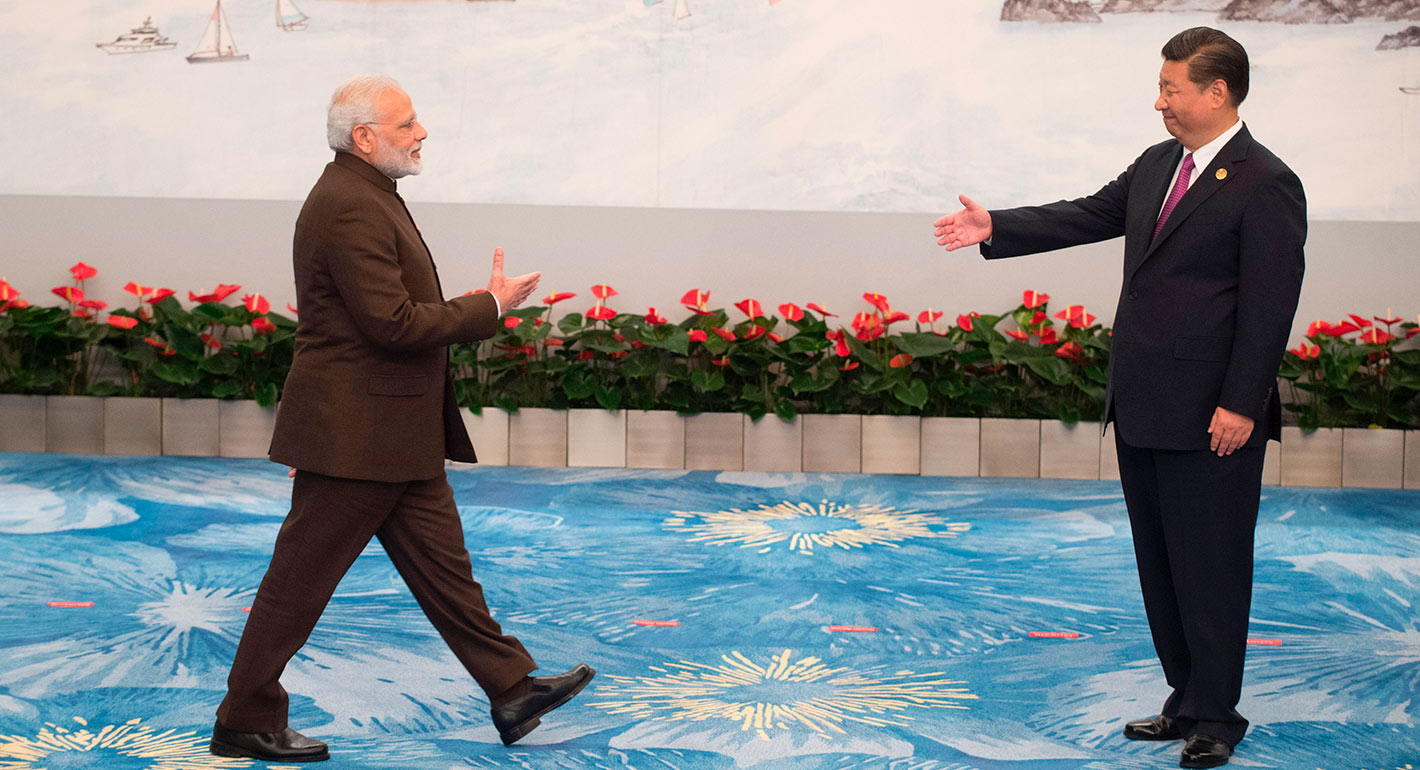
New Delhi’s efforts should be geared toward getting China to yet again calibrate its approach to India and Pakistan.
Source: Print
The Chinese People’s Liberation Army Air Force has sent a contingent of its J-10 fighter jets to participate in Pakistan’s National Day celebrations on 23 March. This is not the first time that Chinese aircraft have performed in Pakistan. Yet, coming on the heels of the recent India-Pakistan standoff, this is evidently an affirmation of China’s “all-weather” friendship with Pakistan.
China’s decision to impose yet again a technical hold on listing Masood Azhar on the United Nations’ list of terrorists has already complicated India’s diplomatic efforts against terrorism. Although the Prime Minister Narendra Modi-led government has taken a sober line on this issue and avoided a confrontational stance towards China, it is imperative for New Delhi to nudge Beijing towards a more balanced posture between India and Pakistan.

Nonresident Senior Fellow
Srinath Raghavan is a nonresident senior fellow at Carnegie India. His primary research focus is on the contemporary and historical aspects of India’s foreign and security policies.
Recent Work


Rajesh Bansal, Anirudh Burman, Rudra Chaudhuri, …
Srinath Raghavan
Carnegie does not take institutional positions on public policy issues; the views represented herein are those of the author(s) and do not necessarily reflect the views of Carnegie, its staff, or its trustees.

Despite Morocco’s hopes that its film industry would reap rewards, the blockbuster’s success will be tainted by controversy surrounding filming in occupied Western Sahara.

Sarah Yerkes
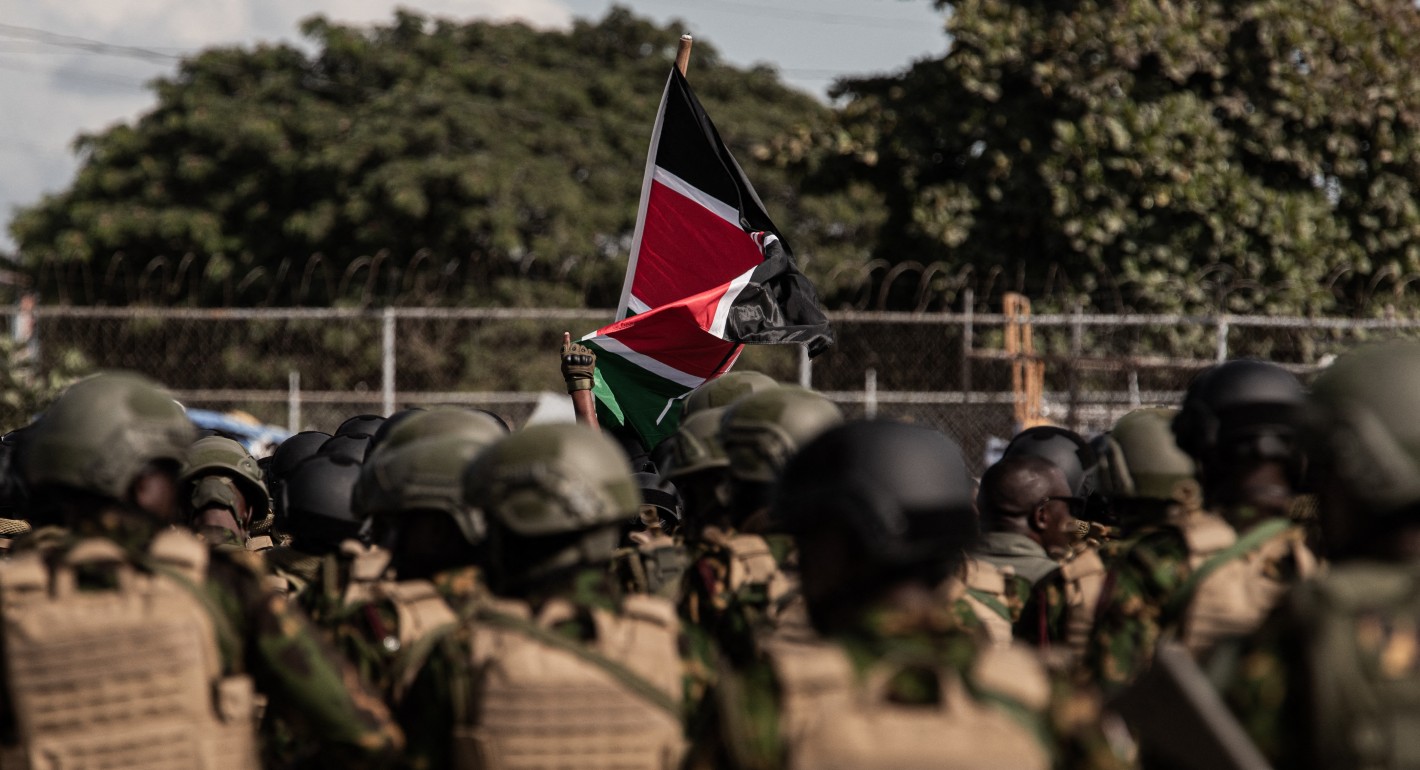
Helping to stabilize Haiti is in the United States’ national interest and can be done by making wise use of various foreign policy tools in addition to supporting international security forces.

Christopher Shell

Networks—from international payments platforms to key economic sectors—underlie many aspects of U.S. power. But they are suffering under an extractive approach to foreign policy.
Daniel W. Drezner
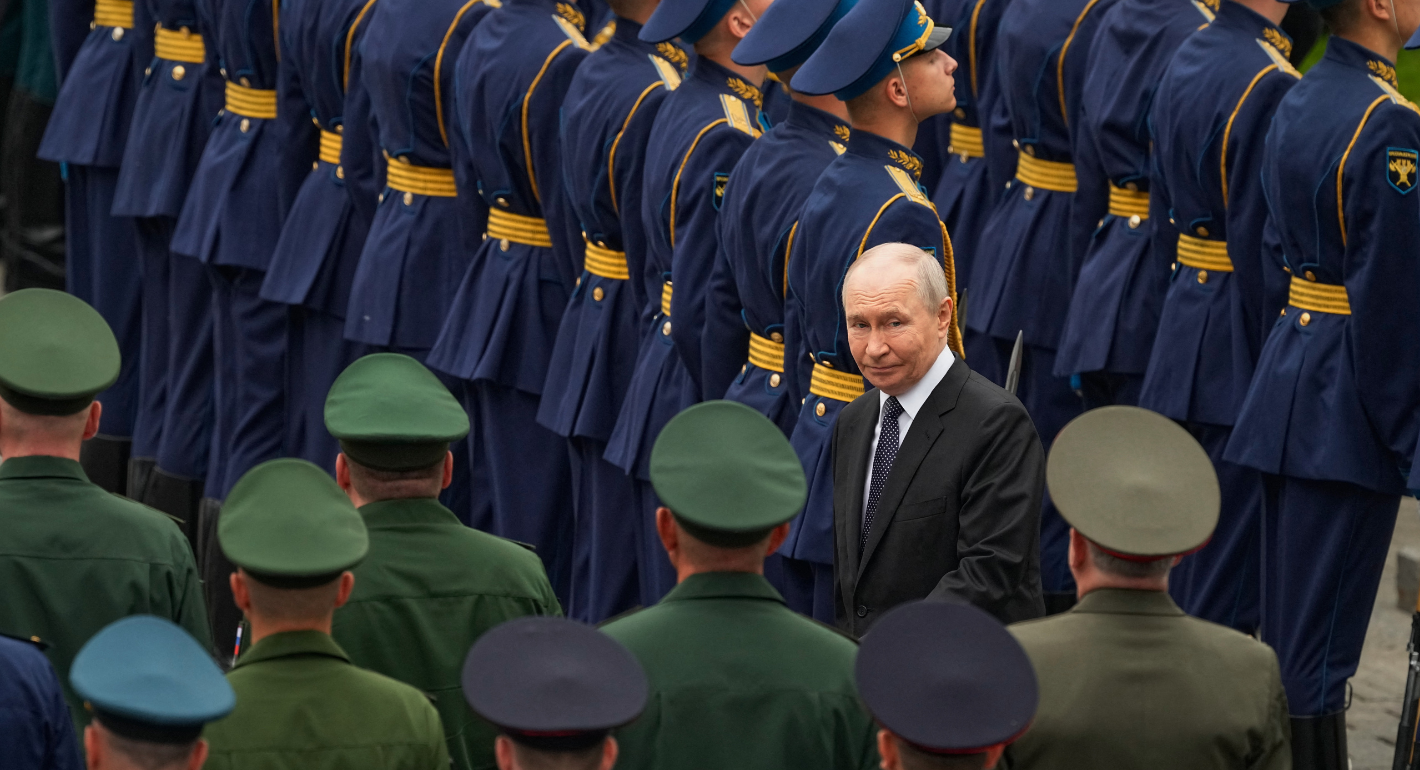
While Russia is not ready to sue for peace on Europe’s terms, it could still either seek a ceasefire in Ukraine or try escalation. Brussels needs to prepare for both and prioritize that preparation over normative discussions.
Kadri Liik
Five major trends are shaping U.S. policy in the Middle East.


Daniel C. Kurtzer, Aaron David Miller