

Commentary
Kazakhstan’s new constitution is an embodiment of the ruling elite’s fears and a self-serving attempt to preserve the status quo while they still can.
Serik Beysembaev
{
  "authors": [
    "Anirudh Burman",
    "Bhargavi Zaveri"
  ],
  "type": "legacyinthemedia",
  "centerAffiliationAll": "",
  "centers": [
    "Carnegie Endowment for International Peace",
    "Carnegie India"
  ],
  "collections": [],
  "englishNewsletterAll": "",
  "nonEnglishNewsletterAll": "",
  "primaryCenter": "Carnegie India",
  "programAffiliation": "",
  "programs": [],
  "projects": [
    "Political Economy"
  ],
  "regions": [
    "India"
  ],
  "topics": [
    "Domestic Politics",
    "Economy"
  ]
}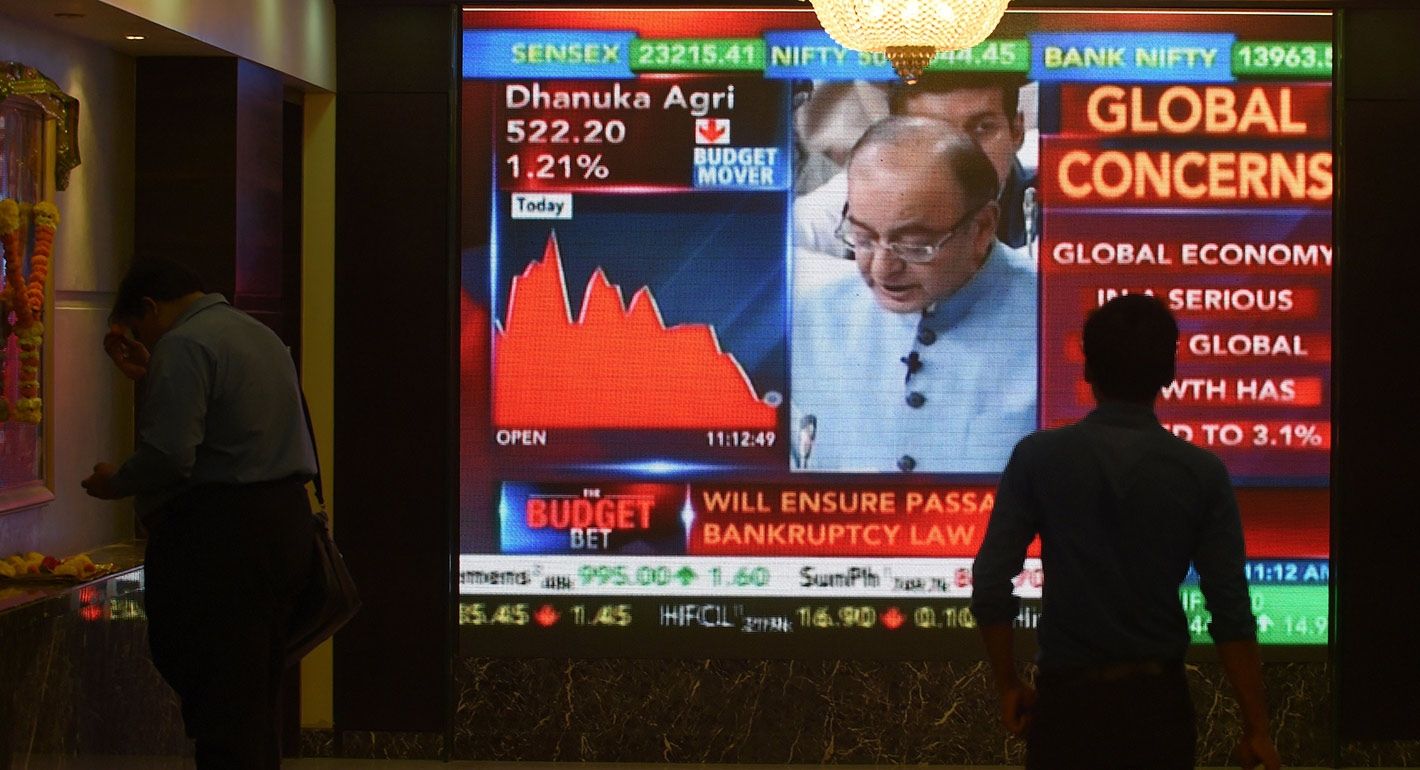
Source: Getty
India’s transition to private markets is predicated on how well it regulates private activities across a range of economic sectors, such as finance, telecom, and infrastructure.
Source: BloombergQuint
India’s transition to private markets is predicated on how well it regulates private activities across a range of economic sectors such as finance, telecom, and infrastructure. Since 1991, the government has signaled its willingness to regulate private markets technocratically and neutrally by creating independent regulators such as the Securities and Exchange Board of India, Telecom Regulatory Authority of India, Insolvency and Bankruptcy Board of India, and others.

Former Associate Research Director and Fellow, Carnegie India
Anirudh Burman was an associate research director and fellow at Carnegie India. He works on key issues relating to public institutions, public administration, the administrative and regulatory state, and state capacity.

Bhargavi Zaveri
Bhargavi Zaveri is part of the Finance Research Group, Mumbai. She works in the areas of financial regulation, land and access to finance and regulatory governance. She has previously held research positions at IGIDR, the National Institute of Public Finance and Policy and the Harvard Law School. She has advised the Ministry of Finance on issues relating to financial regulation. She has published academic work on Indian financial regulation in Indian and international journals. She often writes about land and access to finance in the public media.
Carnegie does not take institutional positions on public policy issues; the views represented herein are those of the author(s) and do not necessarily reflect the views of Carnegie, its staff, or its trustees.
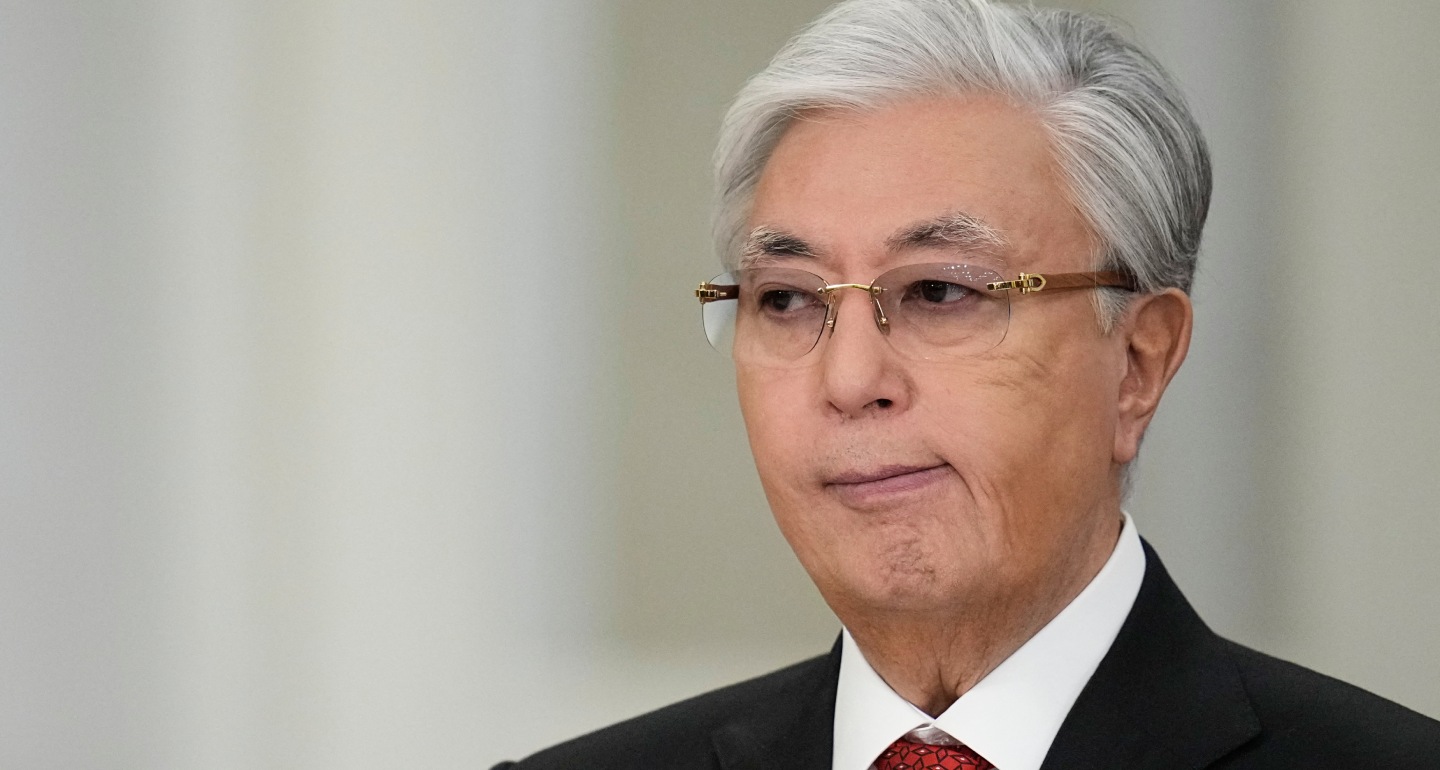
Kazakhstan’s new constitution is an embodiment of the ruling elite’s fears and a self-serving attempt to preserve the status quo while they still can.

Serik Beysembaev

It’s disingenuous to criticize a film for simplifying Russia’s complexities when Russia is waging a brutally simple war of aggression against its neighbor.

Alexander Baunov
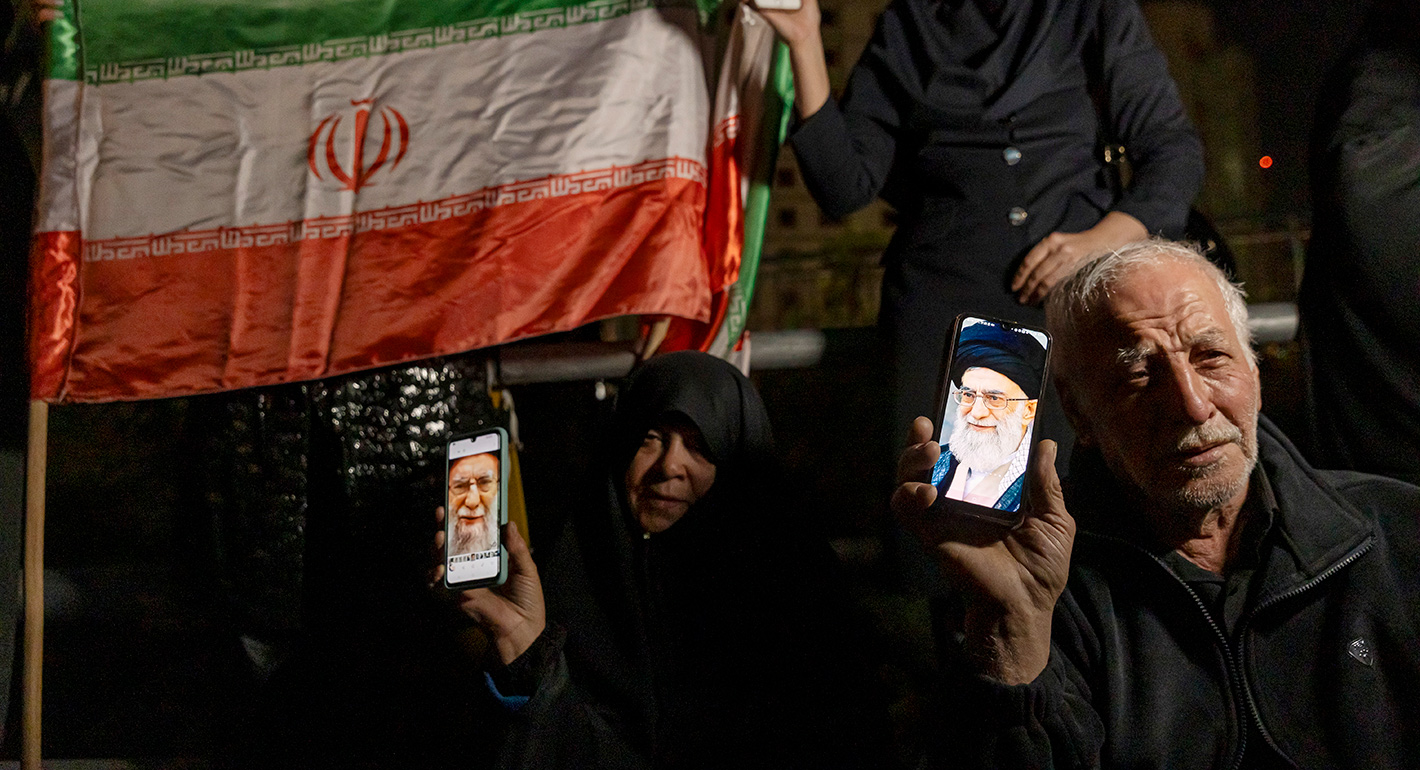
In an effort to disseminate its preferred message, the Iranian regime is offering a simple transaction: connectivity for amplification.

Mahsa Alimardani
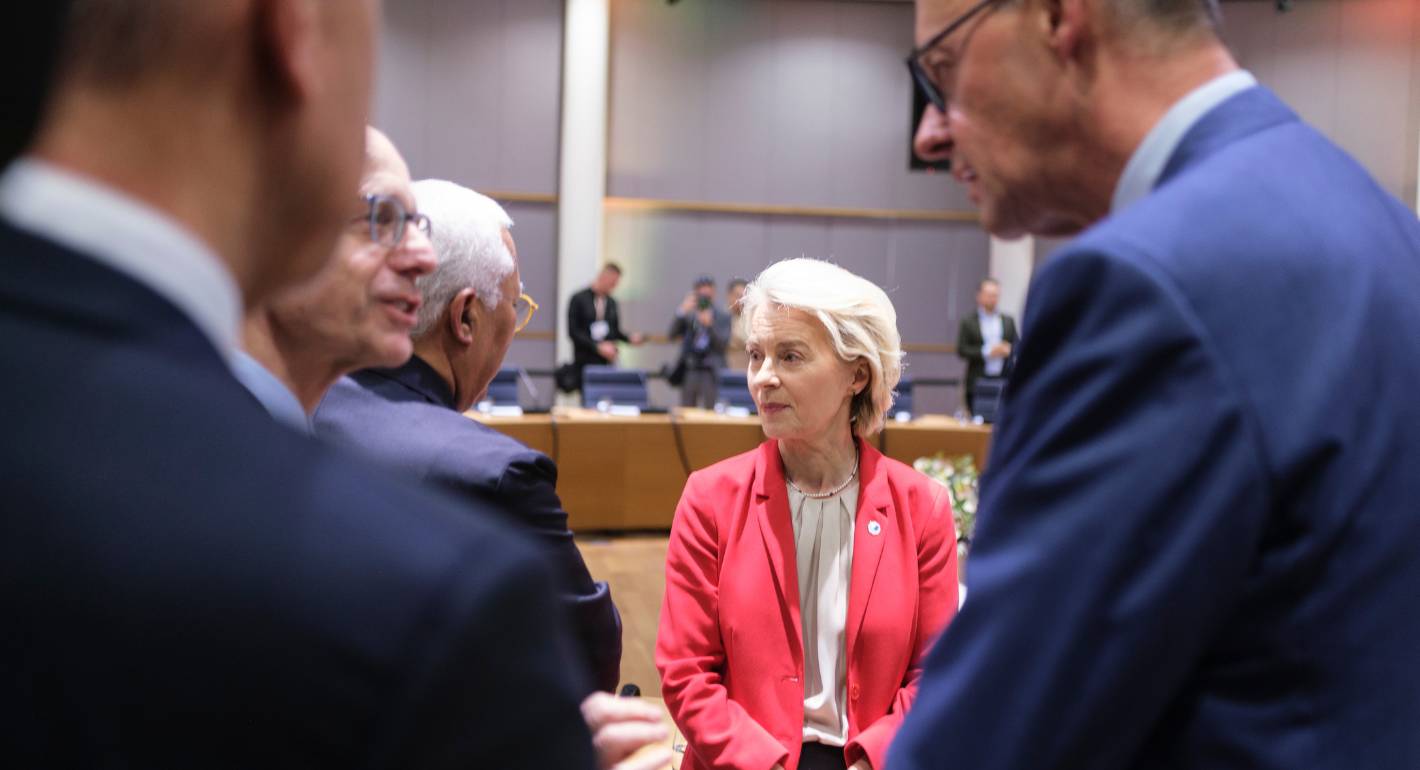
The war in Iran proves the United States is now a destabilizing actor for Europe and the Arab Gulf. From protect their economies and energy supplies to safeguarding their territorial integrity, both regions have much to gain from forming a new kind of partnership together.

Rym Momtaz

The current U.S. indifference to human rights means Astana no longer has any incentive to refuse extradition requests from its authoritarian neighbors—including Russia.

Temur Umarov