


• Research
  • Emissary
  • About
  • Experts
Carnegie Global logoCarnegie lettermark logo
Democracy
  • Donate
{
  "authors": [
    "Suyash Rai",
    "Anirudh Burman"
  ],
  "type": "legacyinthemedia",
  "centerAffiliationAll": "",
  "centers": [
    "Carnegie Endowment for International Peace",
    "Carnegie India"
  ],
  "collections": [],
  "englishNewsletterAll": "",
  "nonEnglishNewsletterAll": "",
  "primaryCenter": "Carnegie India",
  "programAffiliation": "",
  "programs": [],
  "projects": [
    "Political Economy"
  ],
  "regions": [
    "India",
    "South Asia"
  ],
  "topics": [
    "Domestic Politics",
    "Democracy"
  ]
}
In The Media
Carnegie India

Indian Society Must Find Ways to Hold ‘Privileged’ Judicial Community Accountable

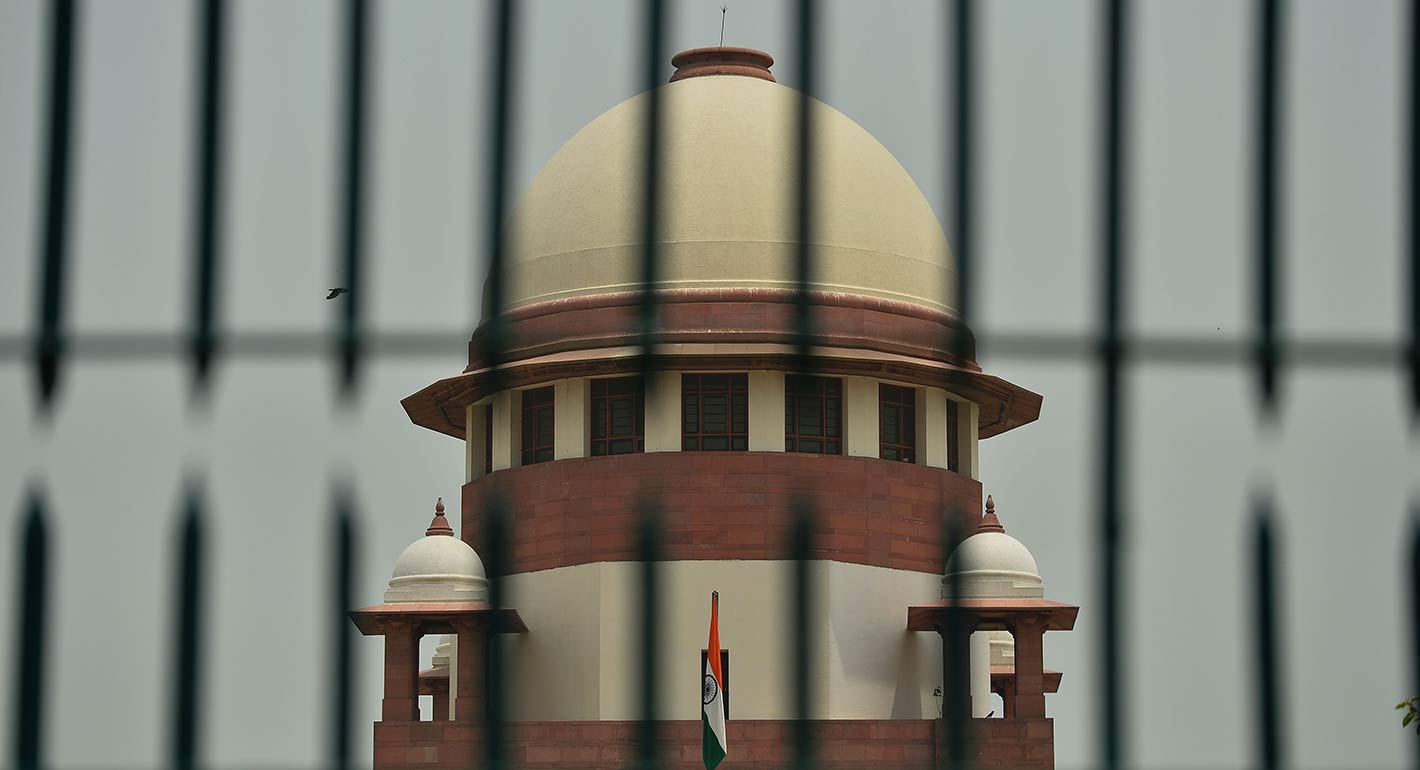
In recent years, some of the most dramatic situations in Indian public life have arisen in the higher judiciary—an arm of the state ideally characterized by collegiality, scholarship, predictability, and remoteness from raucous politics.

Link Copied
By Suyash Rai and Anirudh Burman
Published on May 7, 2019
Project hero Image

Project

Political Economy

This program studies contemporary developments in India’s political economy, with a view towards understanding and informing India’s developmental choices. Scholars in the program analyze economic and regulatory policies, design and working of public institutions, interfaces between politics and the economy, and performance of key sectors of the economy such as finance and land.

Learn More

Source: Print

In recent years, some of the most dramatic situations in Indian public life have arisen in the higher judiciary – an arm of the state ideally characterised by collegiality, scholarship, predictability, and remoteness from raucous politics.

From the disregard of principles of natural justice and public squabbling among the judges to the politically consequential activism around the National Register of Citizens (NRC) and unpredictable reasoning in judgments (treatment of money bill argument in the Aadhaar case, and ignoring of evidence of low fatalities in the liquor ban case), the reality of the higher judiciary is increasingly divergent from the ideal conception. These situations also remind us how difficult it is to hold the higher judiciary accountable.

Read the Full Text

This article was originally published in the Print.

Authors

Suyash Rai
Former Fellow, Carnegie India
Suyash Rai
Anirudh Burman
Former Associate Research Director and Fellow, Carnegie India
Anirudh Burman
Domestic PoliticsDemocracyIndiaSouth Asia

Carnegie does not take institutional positions on public policy issues; the views represented herein are those of the author(s) and do not necessarily reflect the views of Carnegie, its staff, or its trustees.

More Work from Carnegie Endowment for International Peace

  • Commentary
    Strategic Europe
    The EU and India in Tandem

    As European leadership prepares for the sixteenth EU-India Summit, both sides must reckon with trade-offs in order to secure a mutually beneficial Free Trade Agreement.

      Dinakar Peri

  • Trump speaking to a room of reporters
    Commentary
    Emissary
    Unpacking Trump’s National Security Strategy

    Carnegie scholars examine the crucial elements of a document that’s radically different than its predecessors.

      • Cecily Brewer
      • +18

      James M. Acton, Saskia Brechenmacher, Cecily Brewer, …

  • Aerial View of Oil Refinery with a big U.S. flag in Wilmington, California
    Paper
    What Americans Think About American Power Today

    Most Americans believe the United States is declining in global power and influence, and nearly two-thirds say China’s power now equals or exceeds that of the United States.

      Christopher S. Chivvis, Stephen Wertheim, Liana Schmitter-Emerson

  • Commentary
    Carnegie Politika
    How Yulia Tymoshenko Returned to the Center of Ukrainian Politics Yet Again

    The story of a has-been politician apparently caught red-handed is intersecting with the larger forces at work in the Ukrainian parliament.

      Konstantin Skorkin

  • Commentary
    Europe’s American Predicament

    Between Greenland and U.S. interference in Europe’s democracies, transatlantic relations risk rising to an unprecedented level of crisis. Amid continued arguments on how Brussels should react, tough times lie ahead for European leaders.

      Marc Pierini

Get more news and analysis from
Carnegie Endowment for International Peace
Carnegie global logo, stacked
1779 Massachusetts Avenue NWWashington, DC, 20036-2103Phone: 202 483 7600Fax: 202 483 1840
  • Research
  • Emissary
  • About
  • Experts
  • Donate
  • Programs
  • Events
  • Blogs
  • Podcasts
  • Contact
  • Annual Reports
  • Careers
  • Privacy
  • For Media
  • Government Resources
Get more news and analysis from
Carnegie Endowment for International Peace
© 2026 Carnegie Endowment for International Peace. All rights reserved.