

Article
Suyash Rai, Anirudh Burman
{
  "authors": [
    "Suyash Rai"
  ],
  "type": "legacyinthemedia",
  "centerAffiliationAll": "",
  "centers": [
    "Carnegie Endowment for International Peace",
    "Carnegie India"
  ],
  "collections": [],
  "englishNewsletterAll": "",
  "nonEnglishNewsletterAll": "",
  "primaryCenter": "Carnegie India",
  "programAffiliation": "",
  "programs": [],
  "projects": [
    "Political Economy"
  ],
  "regions": [
    "India"
  ],
  "topics": [
    "Economy"
  ]
}
Source: Getty
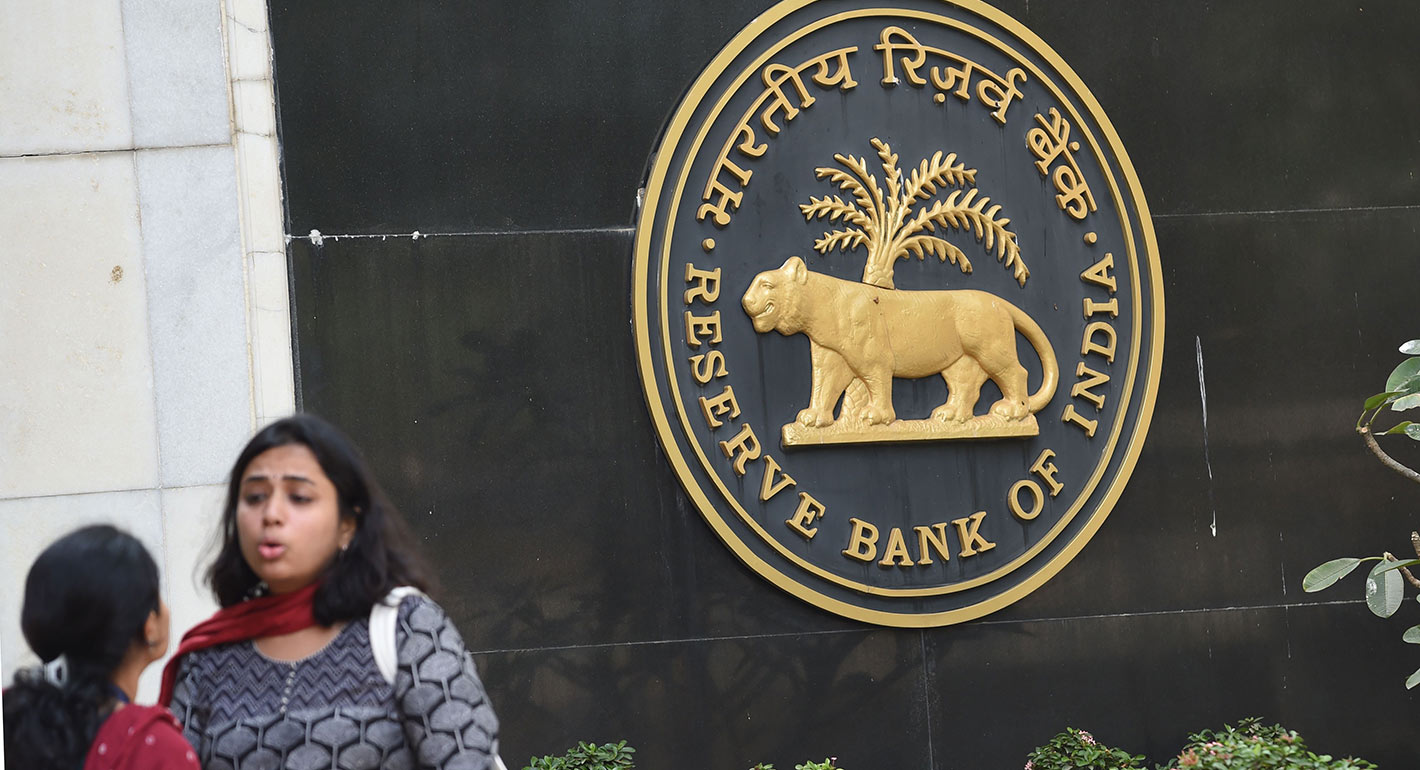
Due to its expansive role, the Reserve Bank of India (RBI) is a site of many conflicts.
Source: Print
Philosopher John Anderson once suggested that for a public institution, instead of asking “what end or purpose does it serve?”, we should ask, “of what conflicts is it the scene?”
Due to its expansive role, the Reserve Bank of India (RBI) is a site of many conflicts.
A conflict that has recently come to the fore is about the RBI’s surplus income. The main source of this income is the sovereign power to issue currency. The RBI purchases securities with currency, and after accounting for the cost of producing and distributing currency, this generates a huge surplus. Before giving dividend to the government, the RBI sets aside money for operational expenditure and for reserves to cover losses in the future.
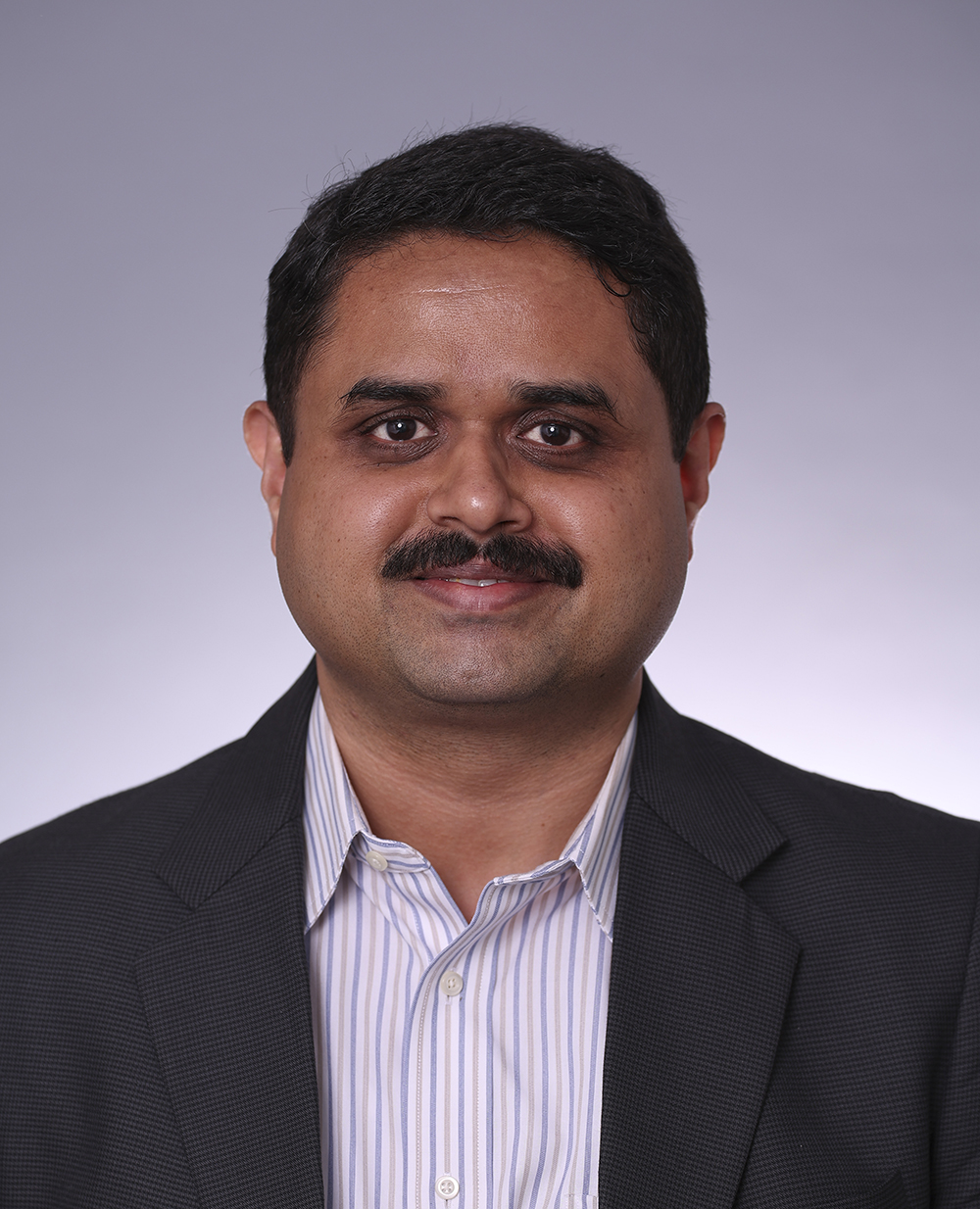
Former Fellow, Carnegie India
Suyash Rai was a fellow at Carnegie India. His research focuses on the political economy of economic reforms, and the performance of public institutions in India.
Recent Work

Suyash Rai, Anirudh Burman


Shruti Sharma, Suyash Rai, Konark Bhandari, …

A summer of escalation in the Black Sea has hurt Ukraine economically and is exacerbating world food security. A truce is needed—as is a broader reframing of Europe’s Ukraine strategy.

Thomas de Waal
The Bureau of Industry and Security needs to adjust its focus and practices to maintain its position as the U.S. government’s primary champion of international technological competition.
Geoffrey Irving

Depleted financial reserves and a shrinking tax base mean it is no longer possible to simultaneously deliver high defense spending, price stability, and economic growth.

Alexandra Prokopenko

U.S. trading partners in Asia are closely watching the dispute for signs of how it may affect their own interests.

Barbara Weisel

With the growth in points of friction between the great powers, organizations like the SCO will continue to play a role in the strategic adaptation of the smaller powers caught between them.

Temur Umarov