

Other
François Godement, Ashley J. Tellis
{
  "authors": [
    "François Godement"
  ],
  "type": "legacyinthemedia",
  "centerAffiliationAll": "dc",
  "centers": [
    "Carnegie Endowment for International Peace"
  ],
  "collections": [],
  "englishNewsletterAll": "asia",
  "nonEnglishNewsletterAll": "",
  "primaryCenter": "Carnegie Endowment for International Peace",
  "programAffiliation": "AP",
  "programs": [
    "Asia"
  ],
  "projects": [],
  "regions": [
    "South Asia",
    "India"
  ],
  "topics": [
    "Technology"
  ]
}
Source: Getty
There appears to be a shifting and unsettled balance between the Indian state, individuals and foreign companies.
Source: Institut Montaigne
If one had any doubt about the intensity and breadth of public policy debates in India, or about the centrality of the country for the future of the digital world, three simultaneous developments should prove that it is essential to follow the world’s largest data market. Let’s remember that the country has nearly 600 million internet users, who downloaded 12 billion apps in 2018, while the entire population now has an individual digital identity.
India’s Supreme Court cites Charles Dickens and goes on to censor the central government on its indefinite blockade of internet services in Kashmir. A two-year-old inception of a detailed Personal Data Protection Bill (PDPB) culminates in a parliamentary debate of both Houses. And an antitrust inquiry is launched against Amazon during the very visit to India by Jeff Bezos, who came promising billions to help small Indian shopkeepers and boost the export of more Indian products…
Each of these three events has its own dynamic and its own finality. Taken together, they suggest a shifting and unsettled balance between the Indian state, individuals and foreign companies. The Supreme Court judgment by a panel of three judges reflects a legal culture of checks and balances, heavily invested in British and in fact more often American case law. It positions internet communications as part of the right to free expression, as well as a key component of the economy and trade. It recognizes the central government’s argument on terrorism in the region, and it does not challenge directly the contention that the terrorist threat in India has cross-border characteristics. Nor does it take exception, of course, with the wide restrictions to free expression provided by article 19 of India’s Constitution.
This article was originally published by Institut Montaigne.

Former Nonresident Senior Fellow, Asia Program
Godement, an expert on Chinese and East Asian strategic and international affairs, was a nonresident senior fellow in the Asia Program at the Carnegie Endowment for International Peace.
Recent Work
François Godement, Ashley J. Tellis

François Godement, Abigaël Vasselier
Carnegie does not take institutional positions on public policy issues; the views represented herein are those of the author(s) and do not necessarily reflect the views of Carnegie, its staff, or its trustees.

Two experts discuss how drone technology is shaping yet another conflict and what the United States can learn from Ukraine.


Steve Feldstein, Dara Massicot
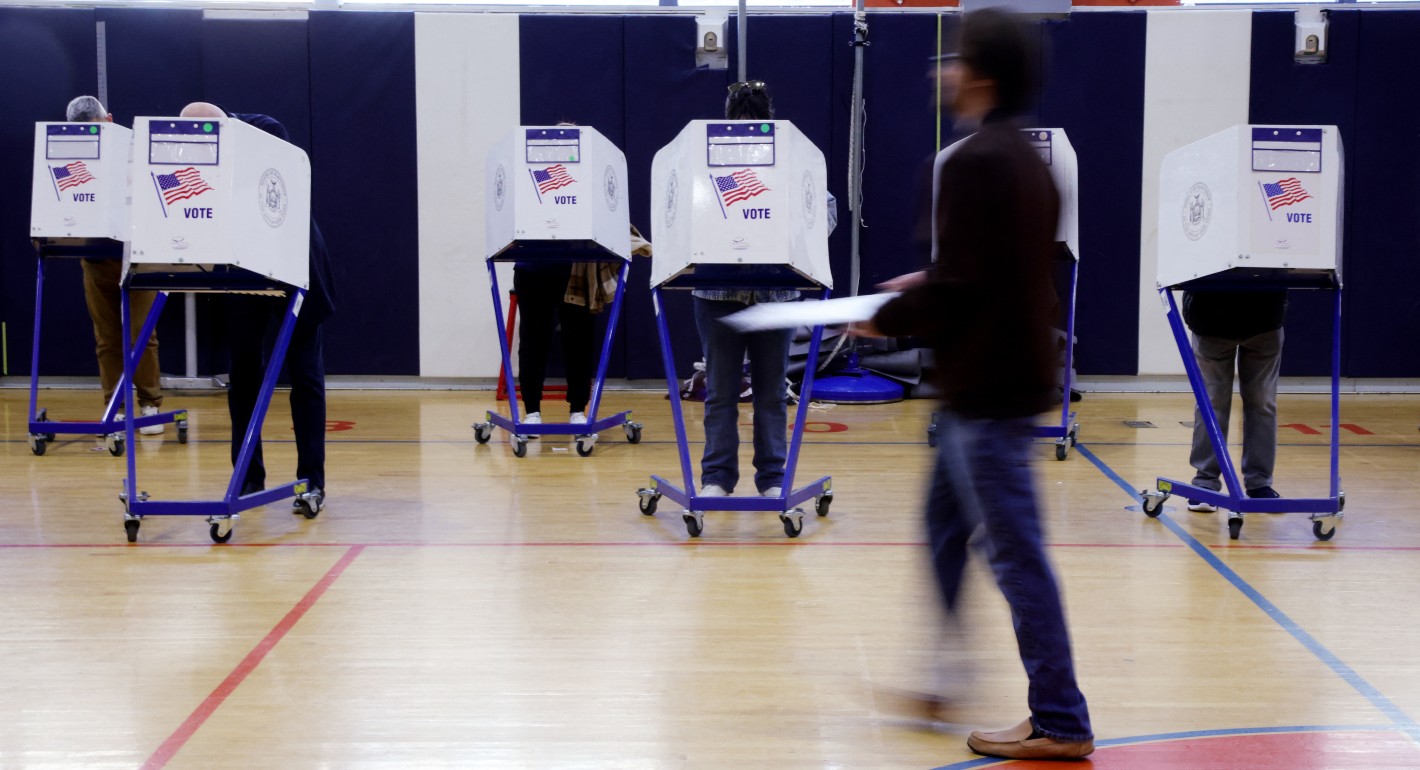
New data from the 2026 Indian American Attitudes Survey show that Democratic support has not fully rebounded from 2020.

Sumitra Badrinathan, Devesh Kapur, Andy Robaina, …

A new draft regulation on “anthropomorphic AI” could impose significant new compliance burdens on the makers of AI companions and chatbots.


Scott Singer, Matt Sheehan
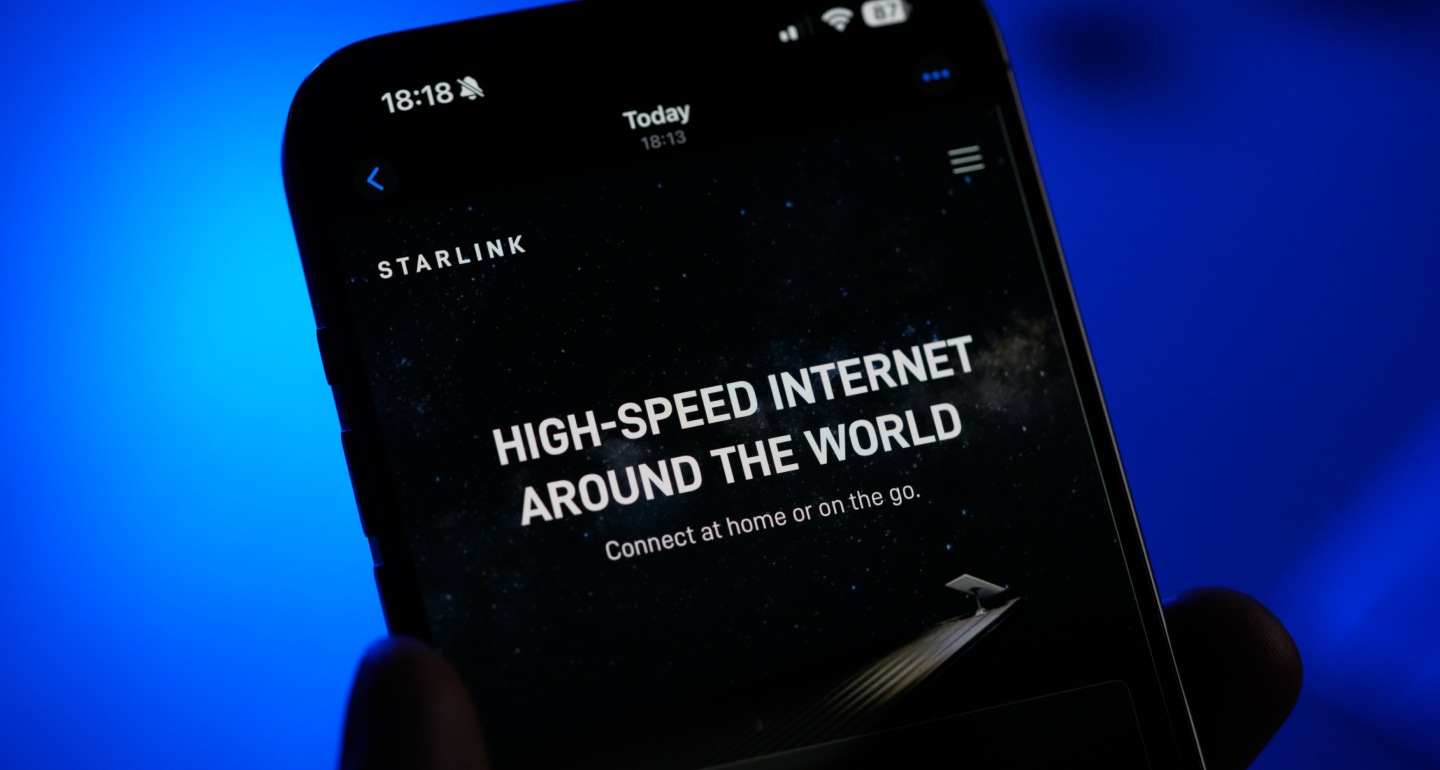
With the blocking of Starlink terminals and restriction of access to Telegram, Russian troops in Ukraine have suffered a double technological blow. But neither service is irreplaceable.

Maria Kolomychenko
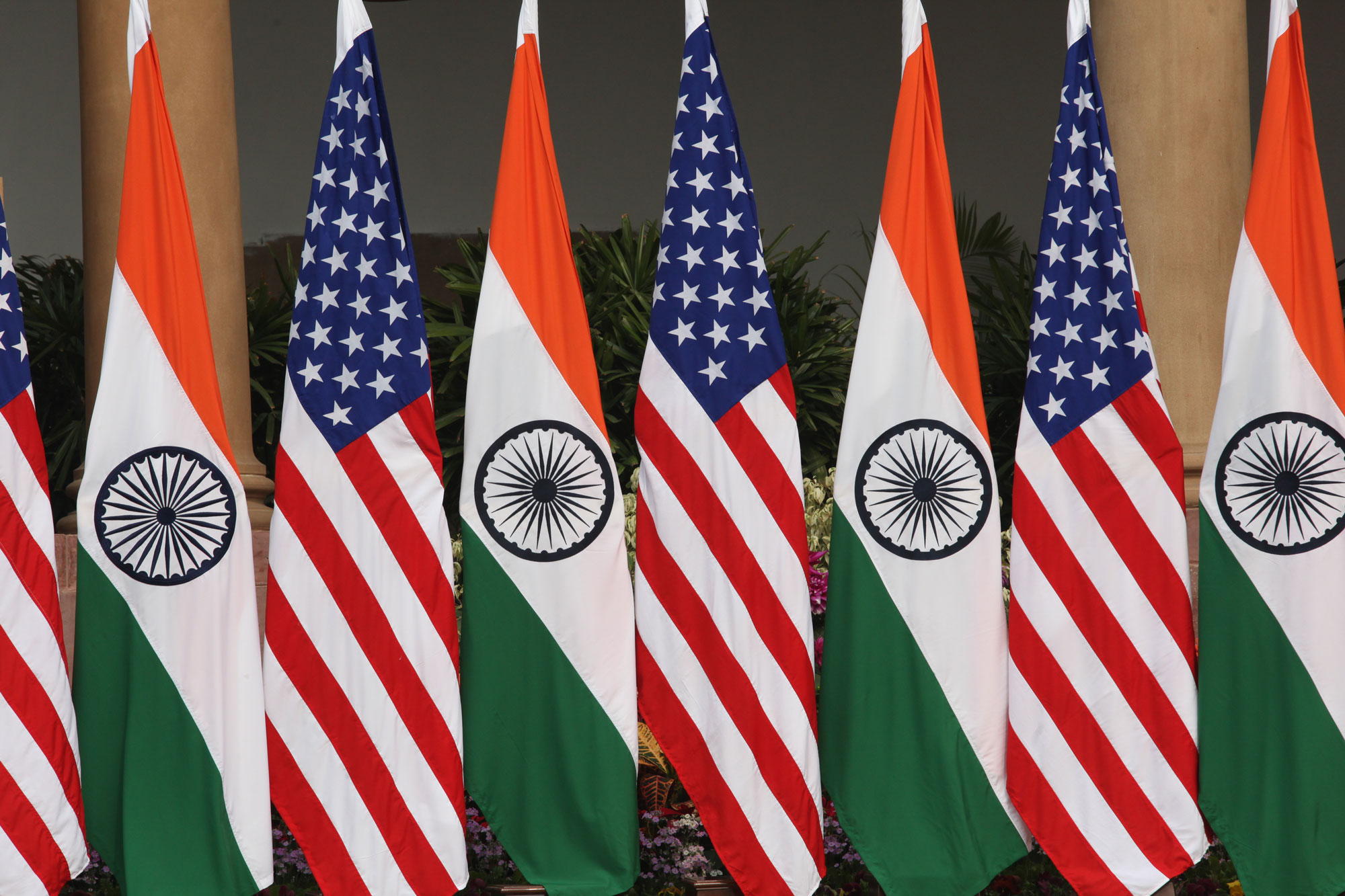
A new Carnegie survey of Indian Americans examines shifting vote preferences, growing political ambivalence, and rising concerns about discrimination amid U.S. policy changes and geopolitical uncertainty.

Milan Vaishnav, Sumitra Badrinathan, Devesh Kapur, …