

Article
- +1
Rudra Chaudhuri, Tejas Bharadwaj, Konark Bhandari, …
{
  "authors": [
    "Rudra Chaudhuri"
  ],
  "type": "legacyinthemedia",
  "centerAffiliationAll": "",
  "centers": [
    "Carnegie Endowment for International Peace",
    "Carnegie India"
  ],
  "collections": [],
  "englishNewsletterAll": "",
  "nonEnglishNewsletterAll": "",
  "primaryCenter": "Carnegie India",
  "programAffiliation": "",
  "programs": [],
  "projects": [
    "Security Studies"
  ],
  "regions": [
    "United States",
    "South Asia",
    "India"
  ],
  "topics": [
    "Foreign Policy"
  ]
}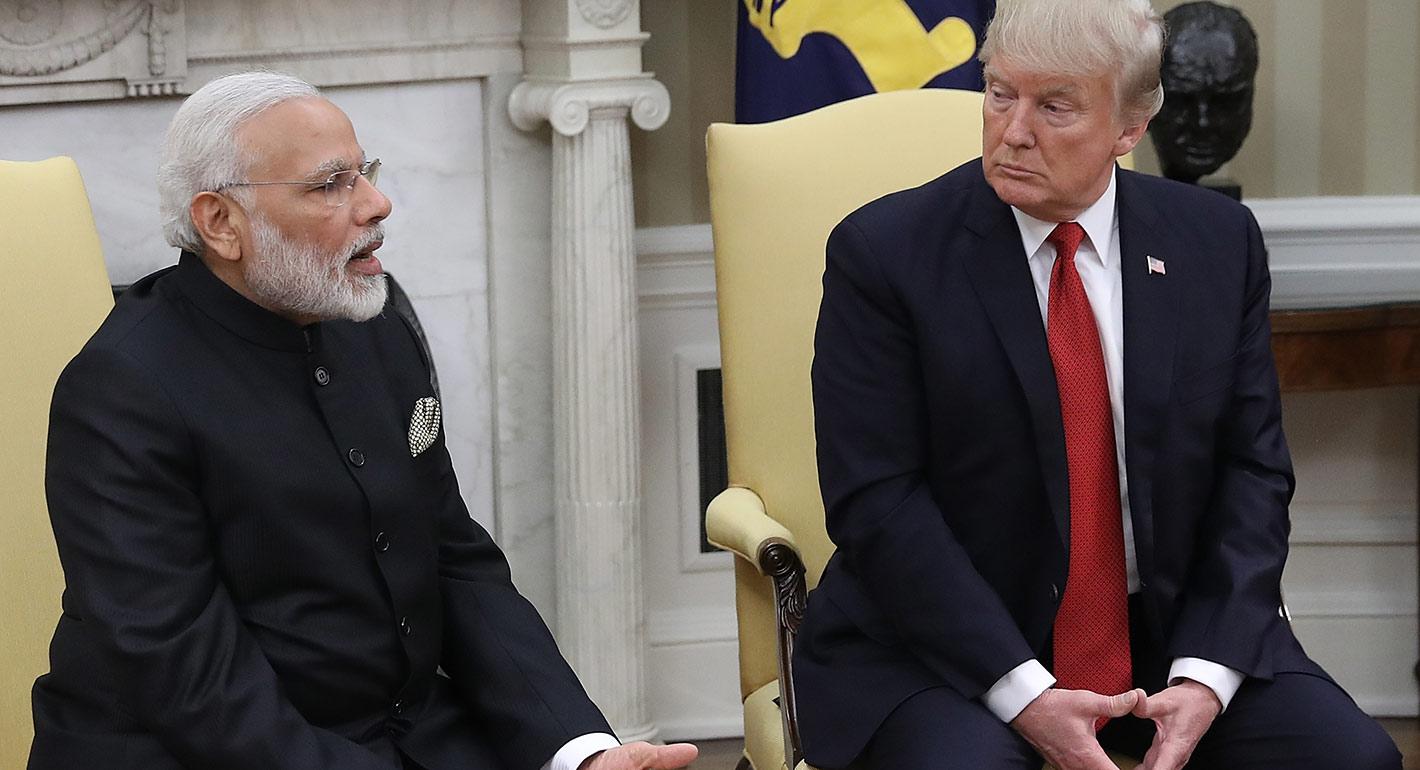
Source: Getty
U.S. President Donald Trump’s two-day visit is designed to partially tickle his vanity, but, as importantly, it is to boost his chances of returning to office in the 2020 U.S. general election.
Source: BBC
Mr Trump's two-day visit is designed to partially tickle his vanity, but, as importantly, it is to boost his chances of returning to office in the 2020 US general election.
He will visit three cities in India: the national capital, Delhi; Agra, where he will see the Taj Mahal; and Ahmedabad, the main city in the western state of Gujarat, where he is expected to address an audience of more than 100,000 people in an event aptly called "Namaste Trump".
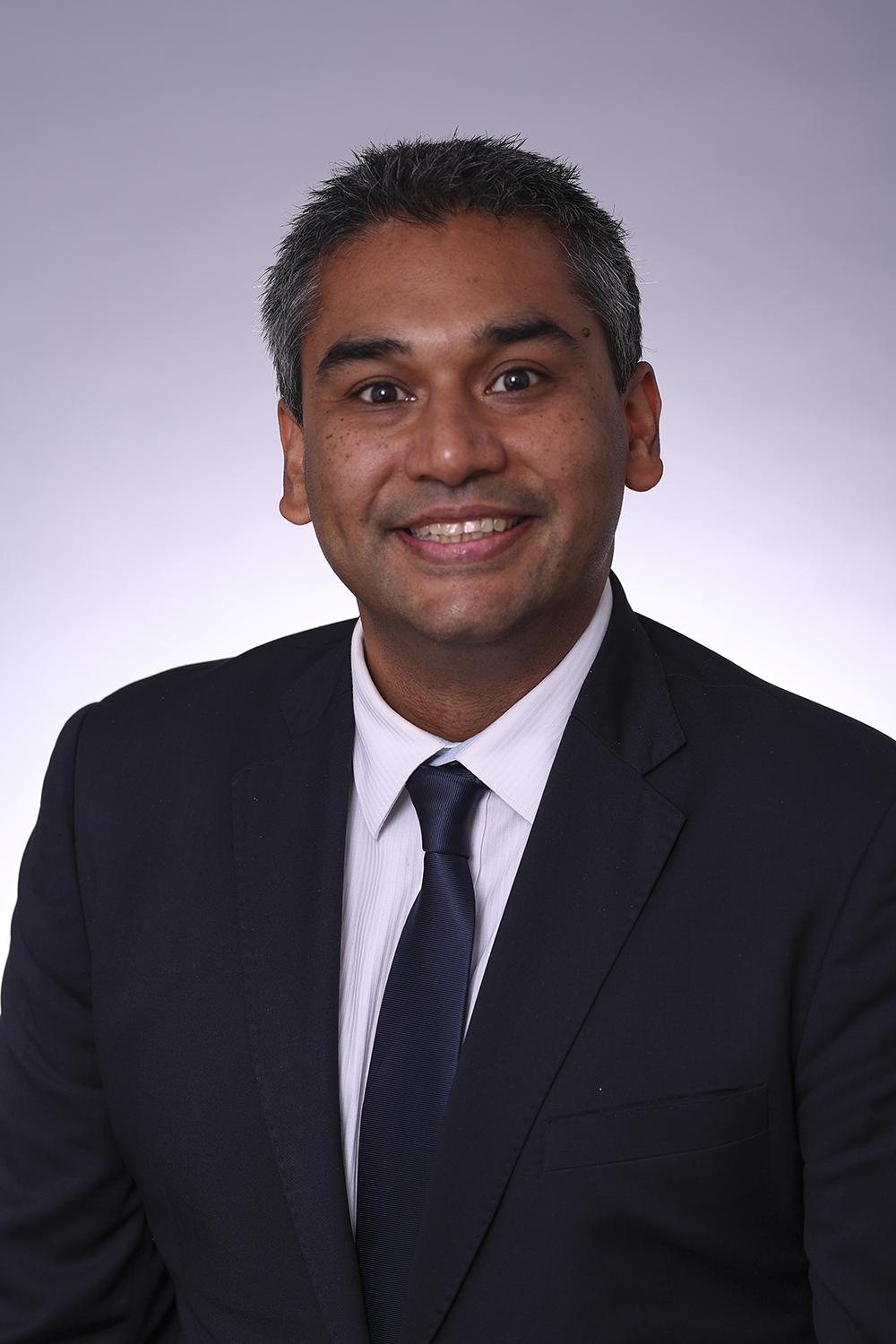
Former Director, Carnegie India
Rudra Chaudhuri was the director of Carnegie India. His research focuses on the diplomatic history of South Asia, contemporary security issues, and the important role of emerging technologies and digital public infrastructure in diplomacy, statecraft, and development. He and his team at Carnegie India chair and convene the Global Technology Summit, co-hosted with the Ministry of External Affairs, Government of India.
Recent Work
Rudra Chaudhuri, Tejas Bharadwaj, Konark Bhandari, …
Rudra Chaudhuri
Carnegie does not take institutional positions on public policy issues; the views represented herein are those of the author(s) and do not necessarily reflect the views of Carnegie, its staff, or its trustees.
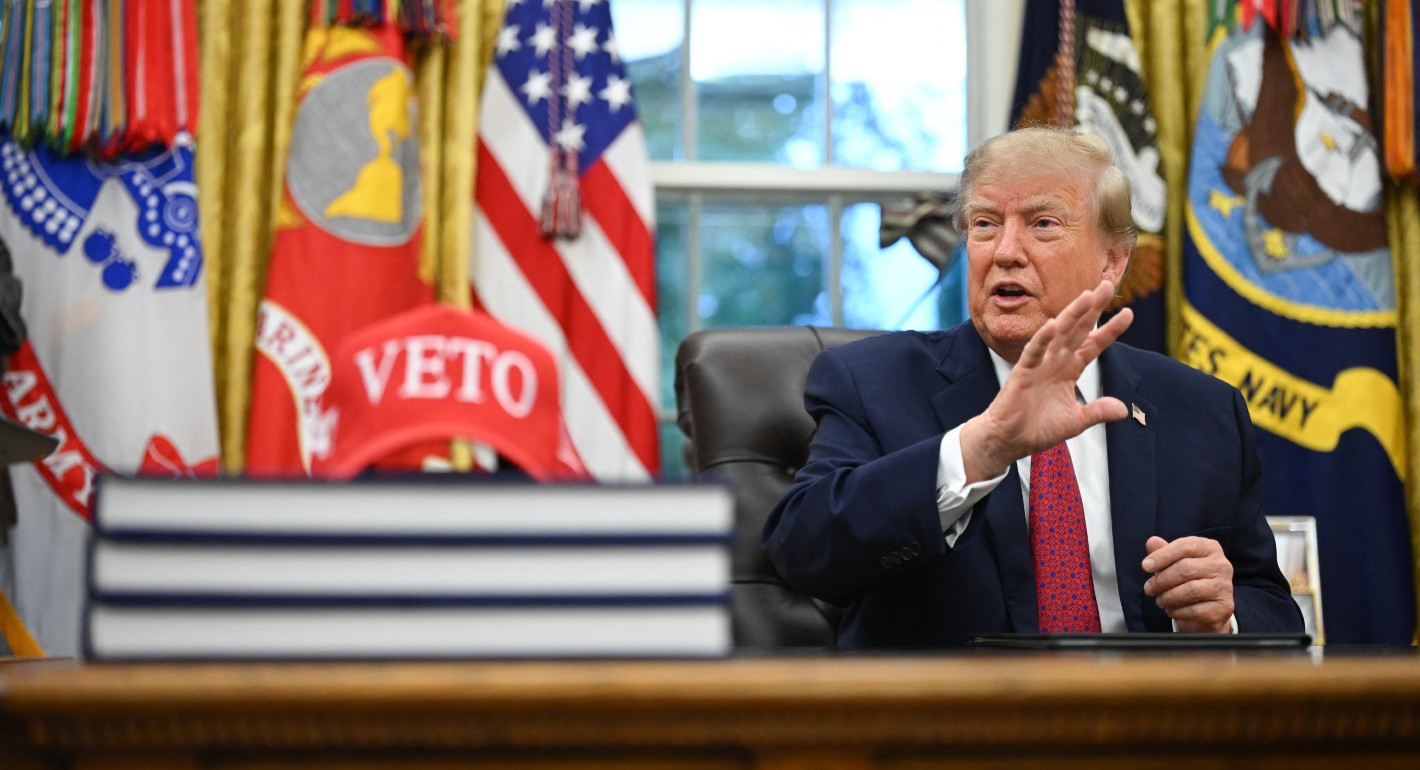
Even if the administration maintains its broader trade policy, it should use tariffs more strategically and work with U.S. partners, not against them.
Barbara Weisel
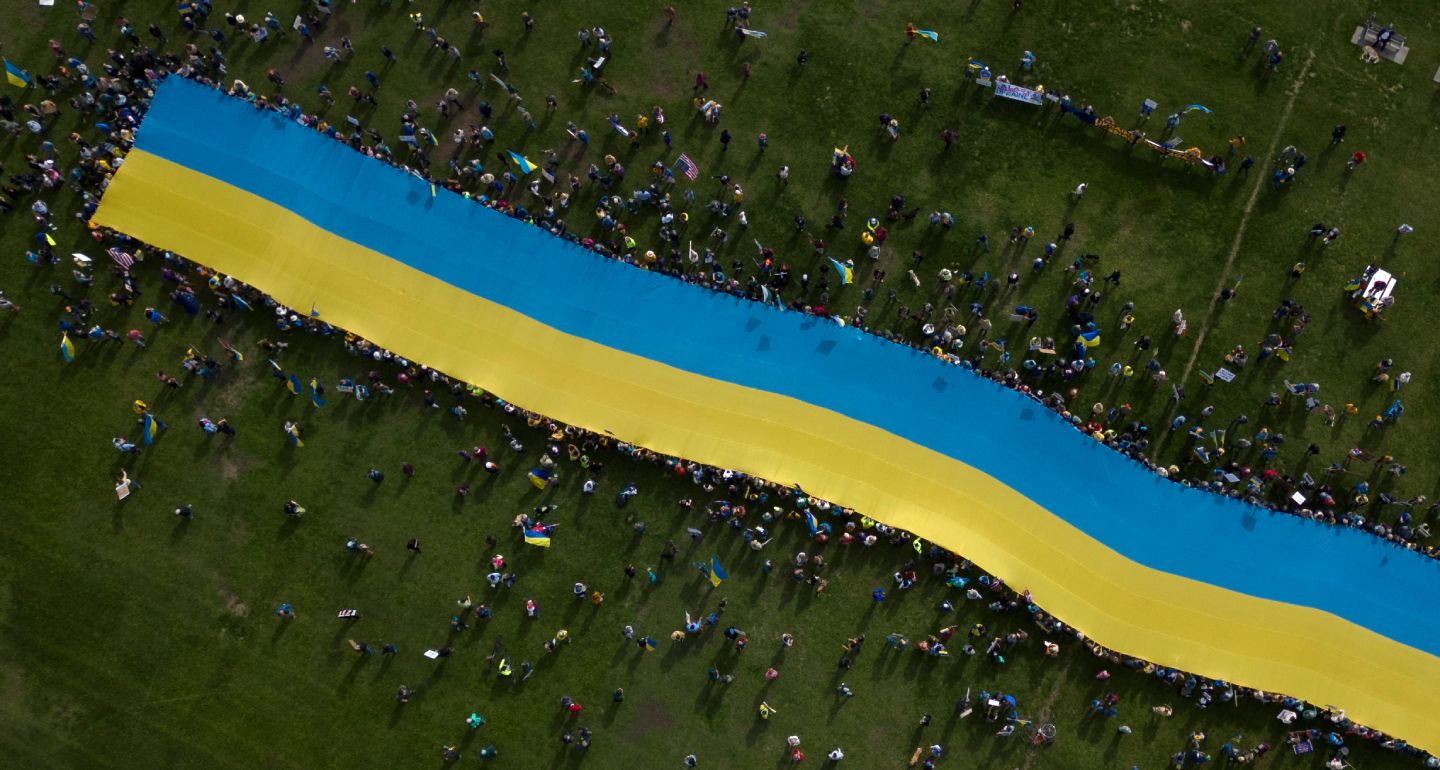
The war does threaten Putin’s existence. That is why he does not negotiate.
René Nyberg
Democrats now have the gavel and the purse, but the executive branch still pulls the levers on the U.S. role in the world.
James M. Acton, Dan Baer, Mark Baldassare, …
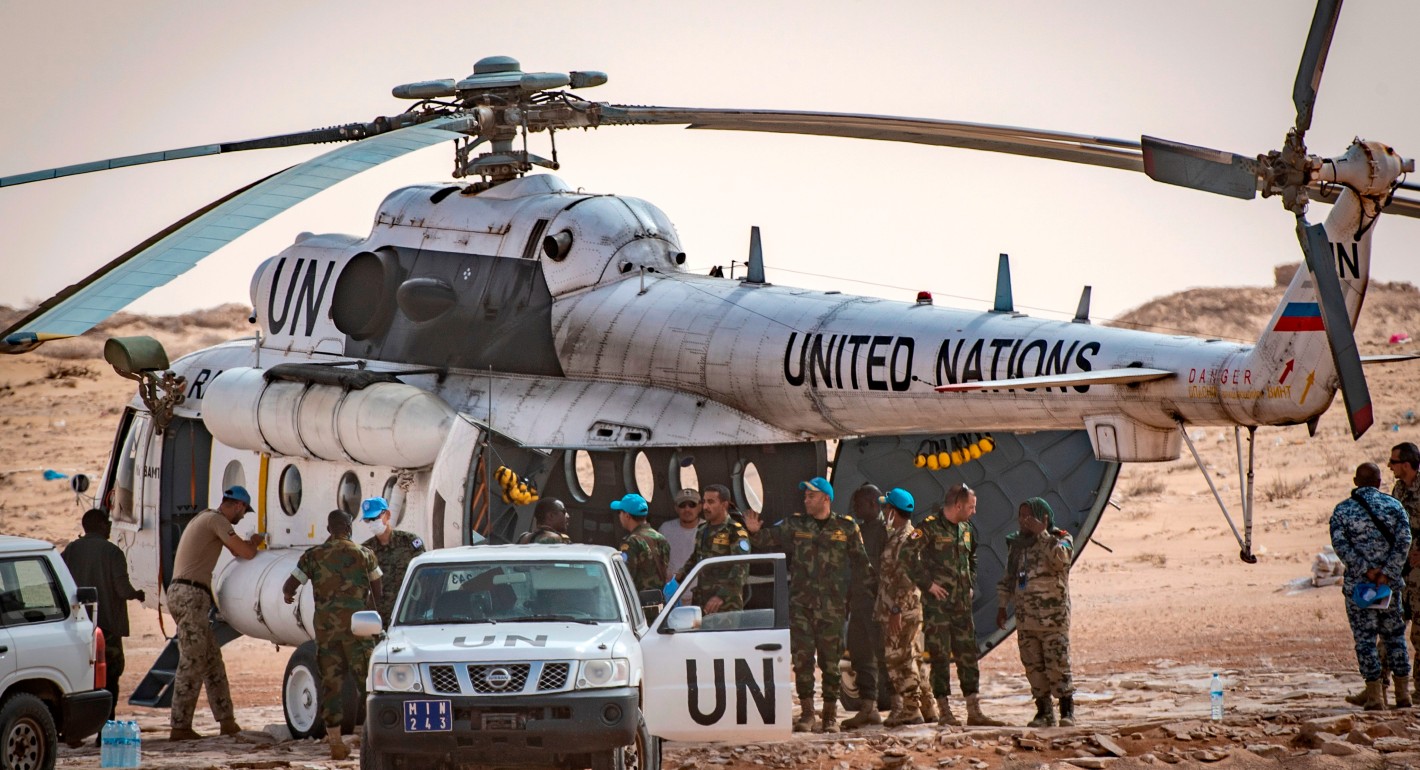
MINURSO’s renewal by the Security Council became highly politicized. Its expiration brings concerns about renewed violence and the future of demining efforts.
Sarah Yerkes
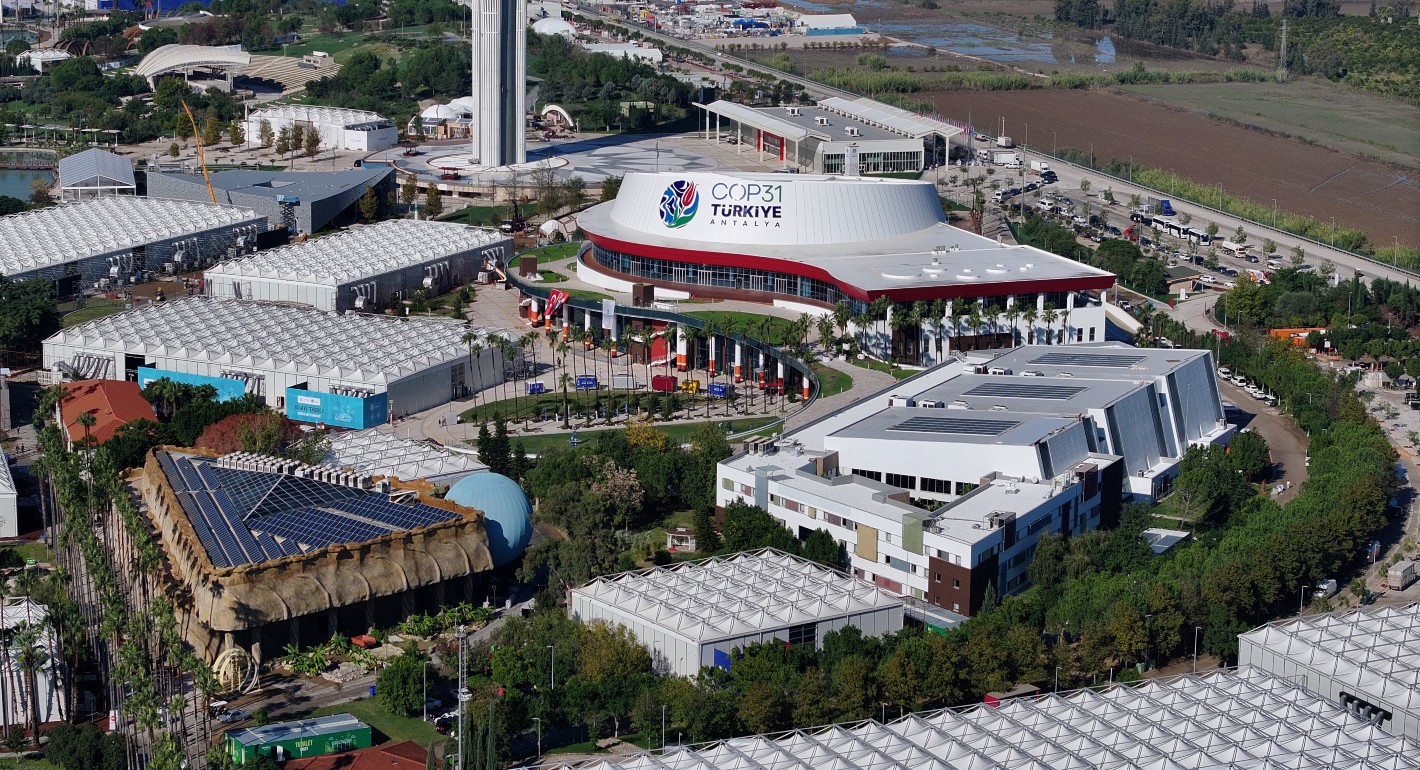
As the United States exits UN climate efforts, these smaller and less formal groupings will take on greater significance in global climate governance.
Theodore Zaritsky, Stewart Patrick