

Commentary
Judy Dempsey
{
  "authors": [
    "Judy Dempsey"
  ],
  "type": "commentary",
  "centerAffiliationAll": "dc",
  "centers": [
    "Carnegie Endowment for International Peace",
    "Carnegie Europe"
  ],
  "collections": [
    "Coronavirus"
  ],
  "englishNewsletterAll": "ctw",
  "nonEnglishNewsletterAll": "",
  "primaryCenter": "Carnegie Europe",
  "programAffiliation": "EP",
  "programs": [
    "Europe"
  ],
  "projects": [],
  "regions": [
    "Europe",
    "Eastern Europe",
    "Western Europe",
    "Iran"
  ],
  "topics": [
    "EU",
    "Political Reform"
  ]
}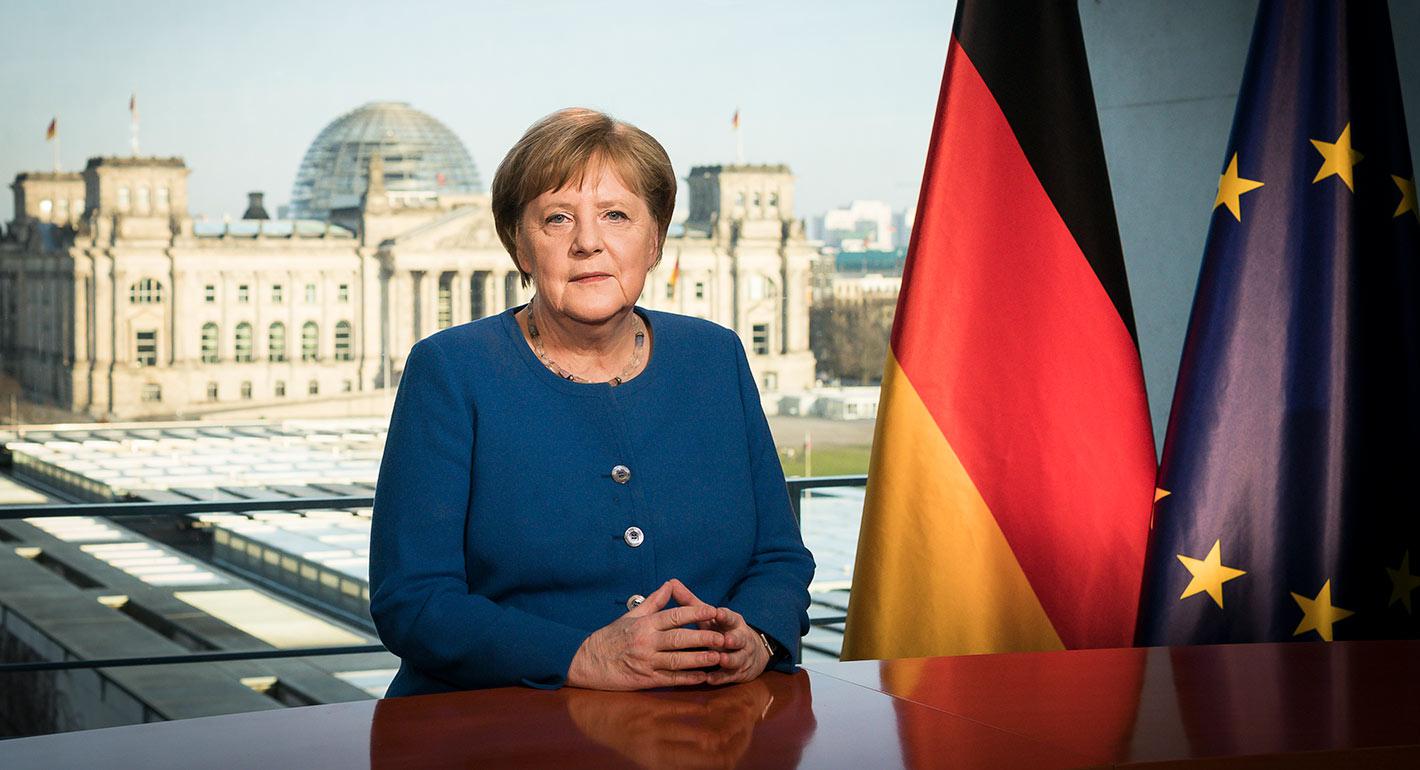
Source: Getty
The leader of Europe’s largest economy has pleaded with German citizens to take the coronavirus seriously. Her recent address provides a path for democracies everywhere.
German Chancellor Angela Merkel’s unscheduled television address about the novel coronavirus on March 18 captured the enormity of the crisis facing Germany and the world. She emphasized a dual challenge that is particularly acute for democracies: how to weigh security and restrictions against transparency and truth.
Merkel’s speech was significant in and of itself. Compared to other European leaders, Merkel rarely gives interviews or press conferences. In delivering her first national televised address since becoming chancellor in November 2005 (other than her annual New Year’s addresses), Merkel effectively signaled the gravity of the crisis. As of March 24, Germany reported 27,436 cases and 114 deaths.
Prime-time television news reports that aired just before Merkel’s address showed many people—most of them young—hanging out in city parks and enjoying a bout of warm weather. “The situation is serious; take it seriously,” Merkel pleaded. “Since German unification—no, since the Second World War—there has been no challenge to our nation that has demanded such a degree of common and united action.”
Having grown up in communist East Germany, Merkel understands the balance between security and transparency. “For someone like myself, for whom freedom of travel and movement were hard-won rights, such restrictions can only be justified when they are absolutely necessary,” she said in her address. “In a democracy, they should not be enacted lightly—and only ever temporarily. But at the moment they are essential in order to save lives.”
Merkel herself has set an example. She is now in a two-week quarantine, after learning on March 22 that a doctor she had recently seen tested positive for the virus.
Merkel won praise for her words but also some criticism. Not once did she mention solidarity with other European countries or the role of the EU. Had she broadened her speech, however, the far-right, euroskeptic Alternative for Germany party would have accused her of putting Europe before Germany. And her primary task was to get Germans on board to contain the virus.
Merkel’s other task was to demonstrate a special kind of leadership based on compassion, openness, and a hands-on approach. “We are a community in which every life and every person counts,” she said. Since she spoke, the government has moved into top gear as the reality has sunk in that many more people are going to become infected. Merkel’s capable team—led by Health Minister Jens Spahn, who has ambitions to become chancellor one day—has requisitioned hotels, hangars, and old trade fair halls to install intensive care units. Spahn has also cut through Germany’s infamous bureaucratic maze to speed up the delivery of supplies for hospitals and payments for those working overtime.
There’s yet another reality taking hold. If Germany—the EU’s biggest economy, one of the world’s leading exporters, and a highly efficient manufacturer—cannot quickly contain the coronavirus, it would bode ill for the rest of Europe. Merkel’s speech points the way forward to the unified, decisive response that is necessary and how democracies can best deliver it.

Nonresident Senior Fellow, Carnegie Europe
Judy Dempsey is a nonresident senior fellow at Carnegie Europe
Recent Work
Judy Dempsey
Judy Dempsey
Carnegie does not take institutional positions on public policy issues; the views represented herein are those of the author(s) and do not necessarily reflect the views of Carnegie, its staff, or its trustees.
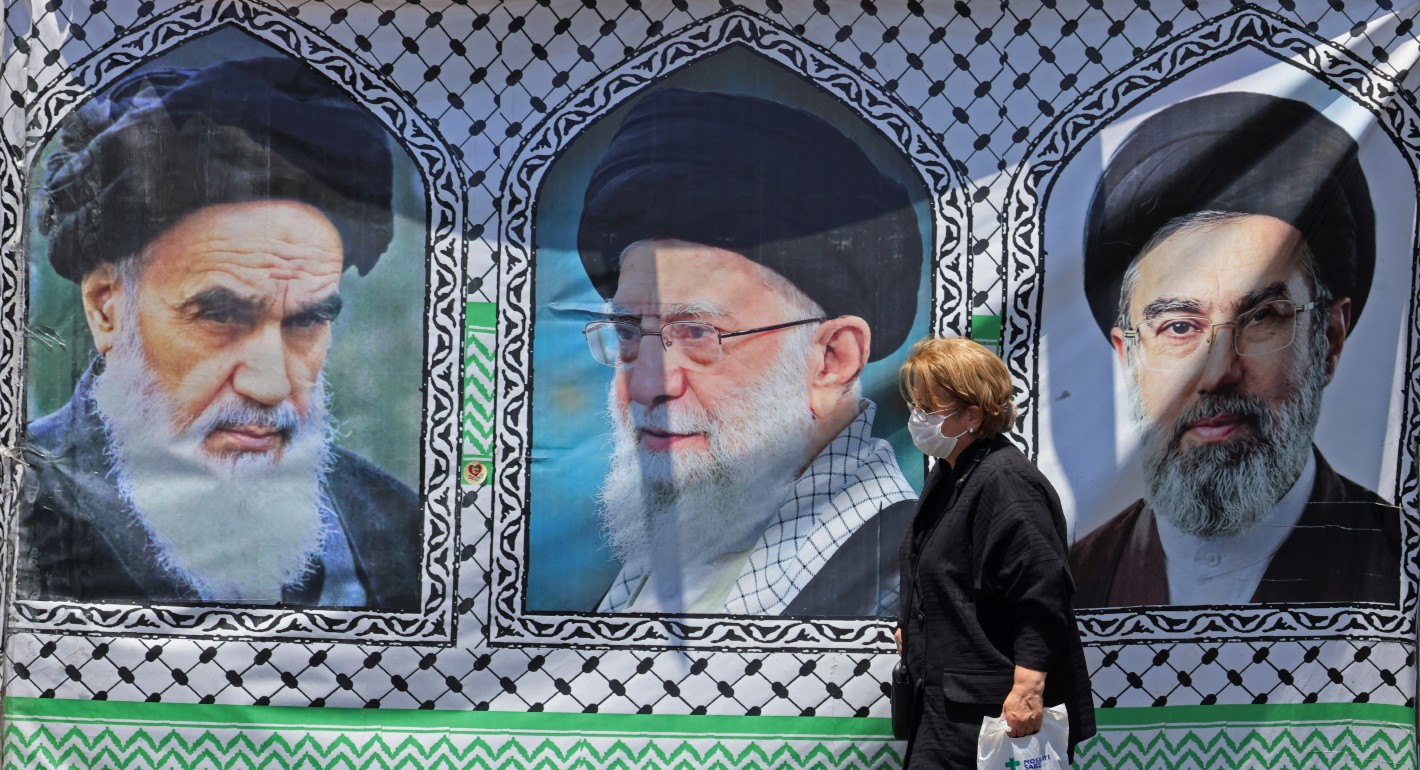
The Islamic Republic’s words and actions suggest that it has changed its approach to both diplomacy and war.
Mohammad Ayatollahi Tabaar
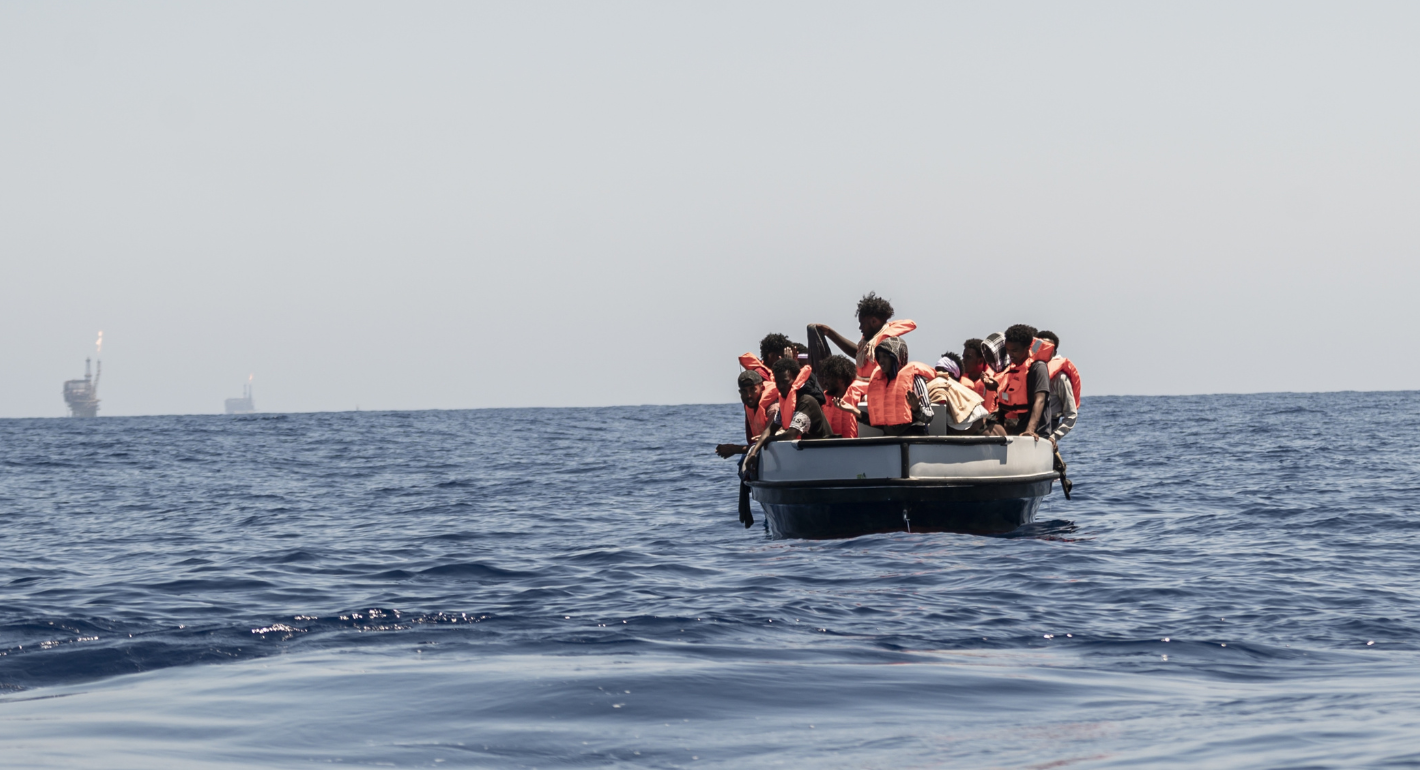
The EU’s new migration policy is not suited to today’s realities. With climate change increasingly becoming a driver of displacement, Europe needs to rethink its deterrence-focused approach.

Shana Tabak
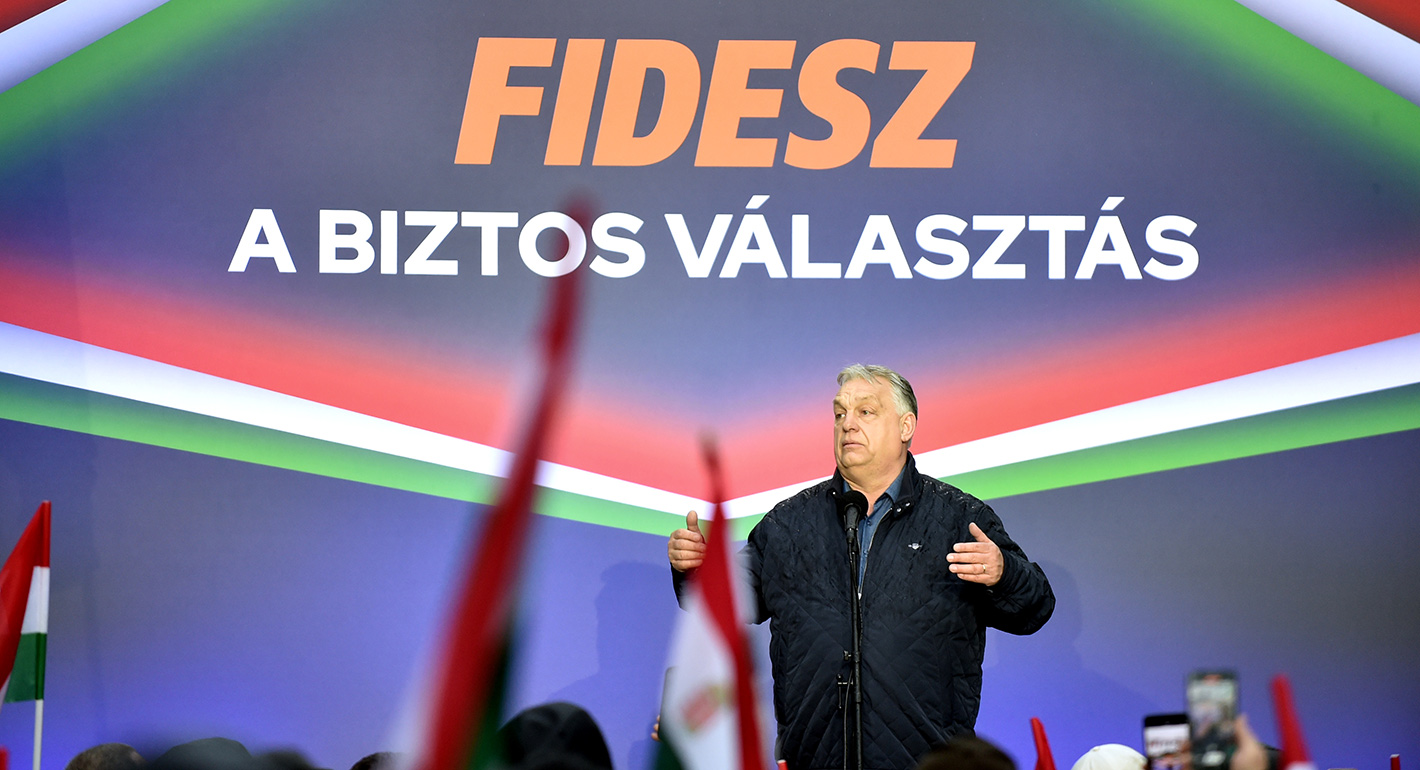
Hungary under Viktor Orbán deployed right-wing populism as a foreign policy strategy, embedding the country in a web of illiberal transnational networks whose legacy will endure even after his April 2026 electoral defeat.
Zsuzsanna Végh
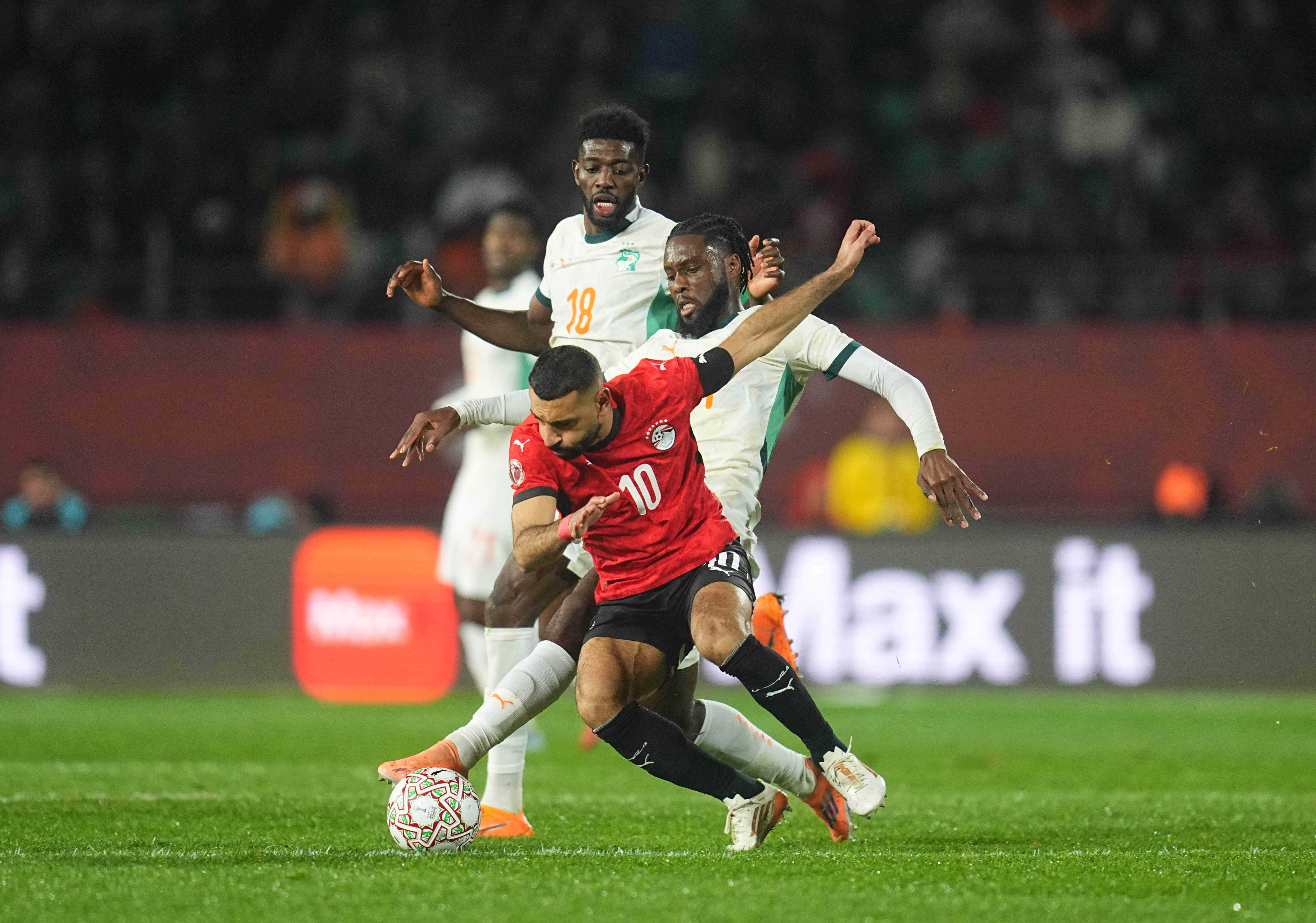
This will be the region’s most representative tournament, amid broad changes in its footballing landscape.

Issam Kayssi
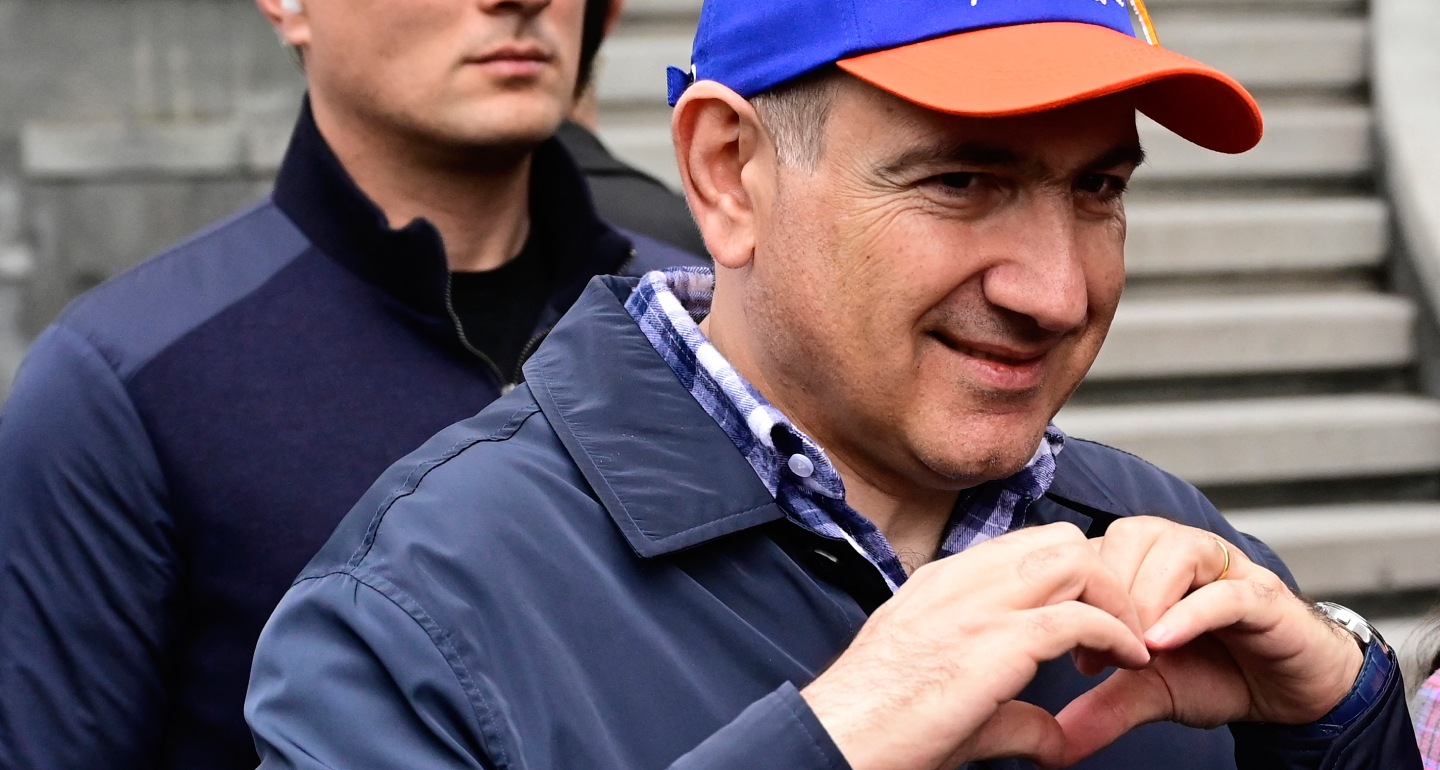
By fueling the arguments of both supporters and opponents of Armenian Prime Minister Nikol Pashinyan, Azerbaijan wants to ensure he is re-elected with a weaker mandate.

Bashir Kitachaev