

Paper
Rajesh Bansal, Somya Singh
{
  "authors": [
    "Rajesh Bansal"
  ],
  "type": "legacyinthemedia",
  "centerAffiliationAll": "",
  "centers": [
    "Carnegie Endowment for International Peace",
    "Carnegie India"
  ],
  "collections": [],
  "englishNewsletterAll": "",
  "nonEnglishNewsletterAll": "",
  "primaryCenter": "Carnegie India",
  "programAffiliation": "",
  "programs": [],
  "projects": [],
  "regions": [
    "South Asia",
    "India"
  ],
  "topics": [
    "Domestic Politics"
  ]
}
Source: Getty
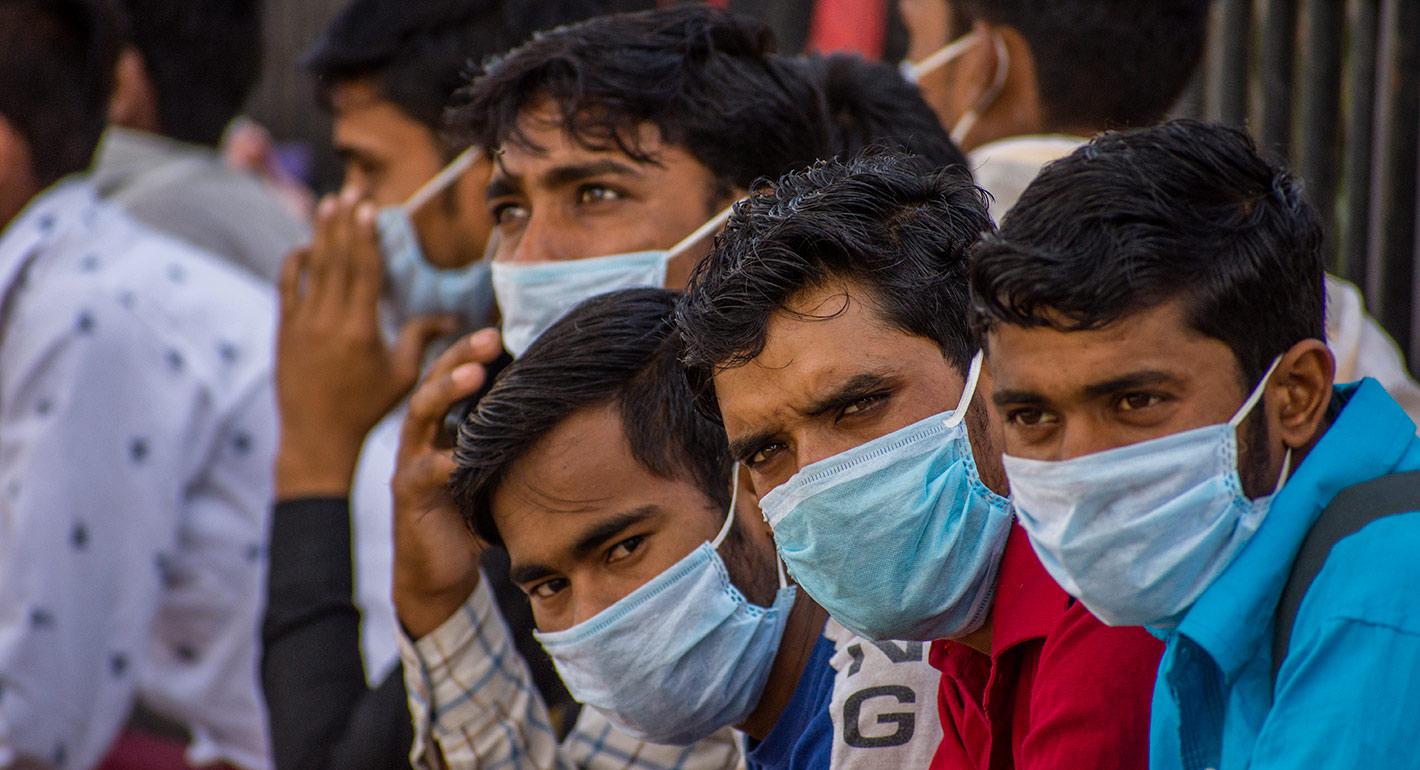
Large sections of India’s population are invisible to the state. That is why in crises like Covid and lockdown, we need one common social database.
Source: Print
In the current coronavirus crisis and the ensuing lockdown, most migrants in India find themselves suddenly jobless as factories close, supply chains shut down and services freeze. The Narendra Modi government has responded to the crisis by announcing several social protection schemes, including direct benefit transfers for certain sections of the population and free LPG refills, grains and pulses for the poor.

Former Senior Adviser, Carnegie India
Rajesh Bansal was a senior adviser at Carnegie India. His research focuses on financial technologies, particularly electronic payment systems, electronic cash transfers, and digital financial services to enable inclusive development. He leads the center’s technology and society program.
Recent Work
Rajesh Bansal, Somya Singh
Rajesh Bansal, Somya Singh
Carnegie does not take institutional positions on public policy issues; the views represented herein are those of the author(s) and do not necessarily reflect the views of Carnegie, its staff, or its trustees.

China’s political future will be shaped between now and next October. As the Communist Party enters its intense “campaign season” to prepare for a major political transition in 2027, reading Beijing's actions and responses may become more difficult as domestic politics weigh on its behavior more than usual.

Damien Ma
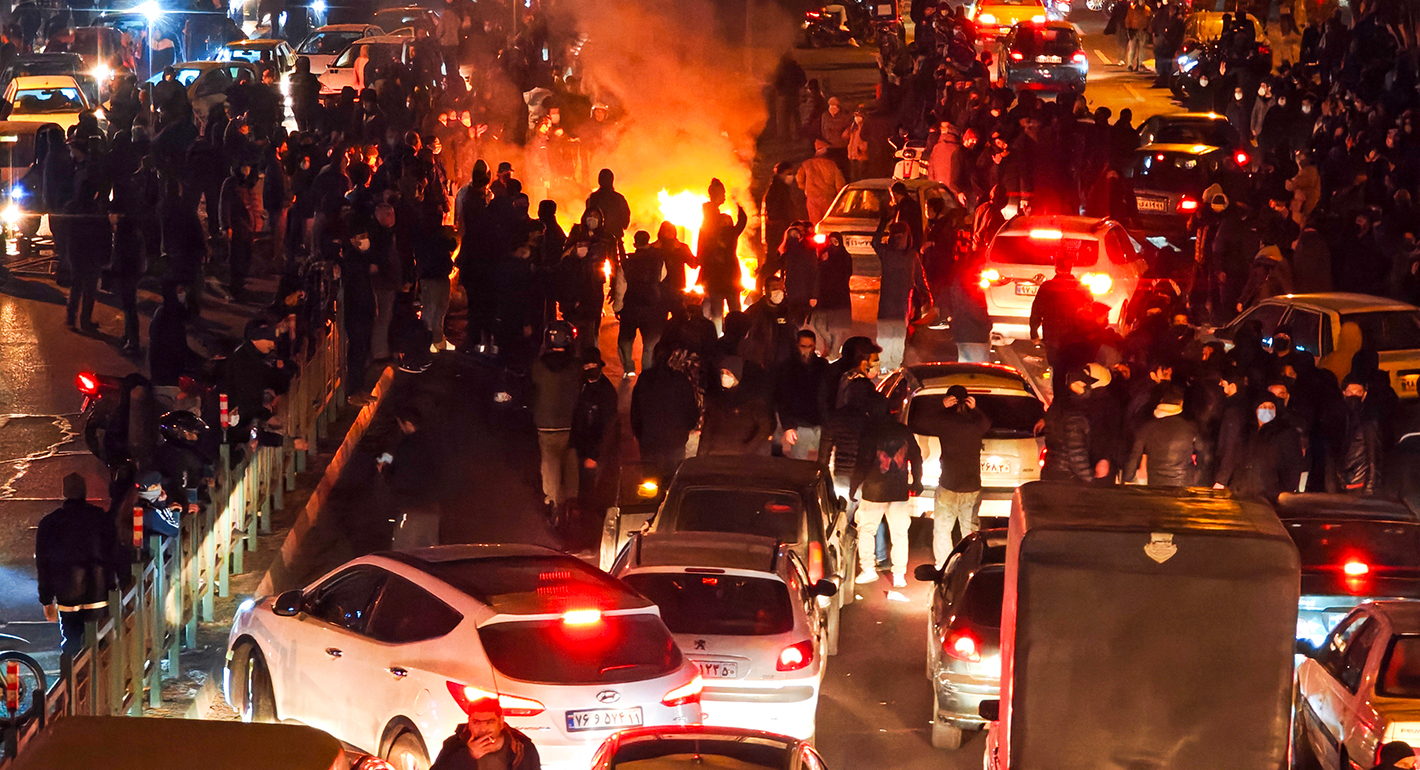
Protests in Iran follow a similar pattern: Economic grievances turn into political protests that spread nationwide. But increased state repression has begun to shift the arrangement.

Eric Lob

Despite public disputes over trade and immigration, the strategic partnership’s foundations remain sturdy.

Sameer Lalwani
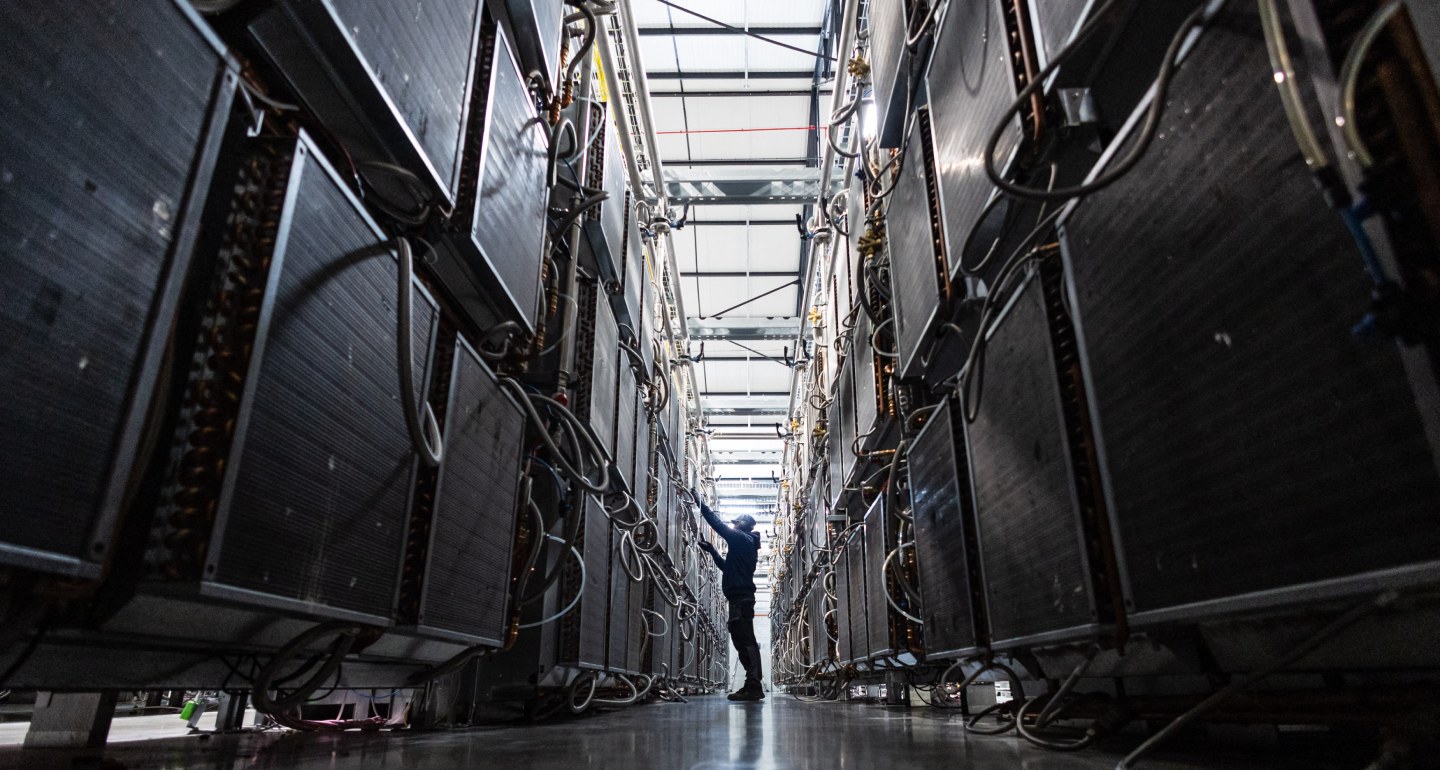
Russia spent years building a “sovereign internet,” concentrating web infrastructure exclusively within Russian territory. Ukrainian drone attacks have shown how vulnerable that approach has left the Russian internet.

Maria Kolomychenko

With its public finances in shambles, the far right polling at 35 percent ahead of the 2027 presidential election, and a growing protest movement, is France’s crisis a threat to the EU’s geopolitical awakening?

Rym Momtaz, ed.