

Article
Suyash Rai, Anirudh Burman
{
  "authors": [
    "Suyash Rai"
  ],
  "type": "legacyinthemedia",
  "centerAffiliationAll": "",
  "centers": [
    "Carnegie Endowment for International Peace",
    "Carnegie India"
  ],
  "collections": [],
  "englishNewsletterAll": "",
  "nonEnglishNewsletterAll": "",
  "primaryCenter": "Carnegie India",
  "programAffiliation": "",
  "programs": [],
  "projects": [
    "Political Economy"
  ],
  "regions": [
    "South Asia",
    "India"
  ],
  "topics": [
    "Economy"
  ]
}
Source: Getty
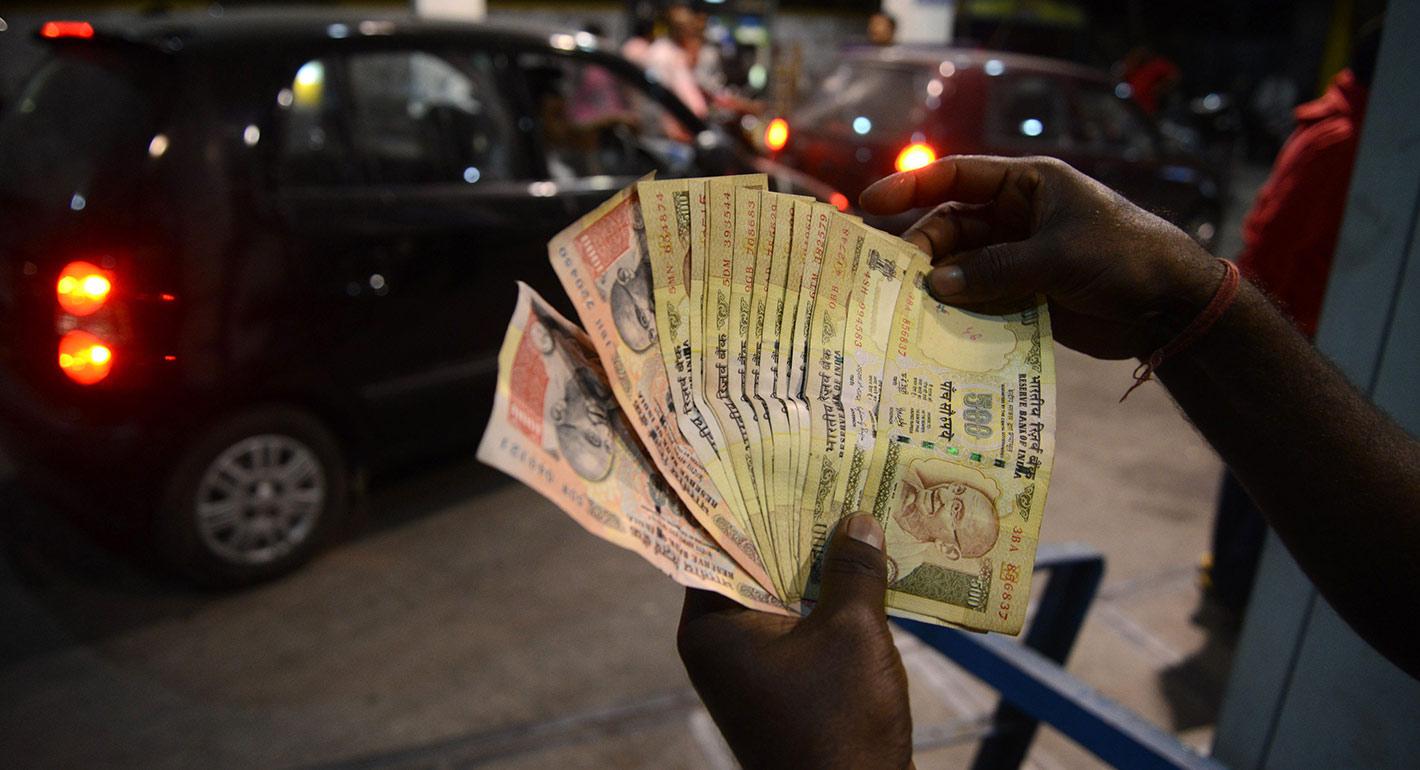
Prime Minister Narendra Modi’s speech on May 12 had two central messages: India will have to learn to live with the coronavirus disease (COVID-19), and India must pivot towards economic recovery.
Source: Hindustan Times
Prime Minister Narendra Modi’s speech on May 12 had two central messages: India will have to learn to live with the coronavirus disease (Covid-19), and India must pivot towards economic recovery.
The recovery strategy will be pursued through a package of fiscal and monetary measures and a reforms package. In some ways, this is an intensification of existing efforts. Since 2017, consumption expenditure financed by the government has grown rapidly — at an average real rate of 10.6%. Big reforms — the Goods and Services Tax (GST), insolvency reform, inflation targeting — have been implemented. India’s rank in the Ease of Doing Business index has improved from 130 in 2016 to 63 in 2019.
This article was originally published by the Hindustan Times.
Former Fellow, Carnegie India
Suyash Rai was a fellow at Carnegie India. His research focuses on the political economy of economic reforms, and the performance of public institutions in India.
Recent Work

Suyash Rai, Anirudh Burman


Shruti Sharma, Suyash Rai, Konark Bhandari, …
Carnegie does not take institutional positions on public policy issues; the views represented herein are those of the author(s) and do not necessarily reflect the views of Carnegie, its staff, or its trustees.

With the growth in points of friction between the great powers, organizations like the SCO will continue to play a role in the strategic adaptation of the smaller powers caught between them.

Temur Umarov
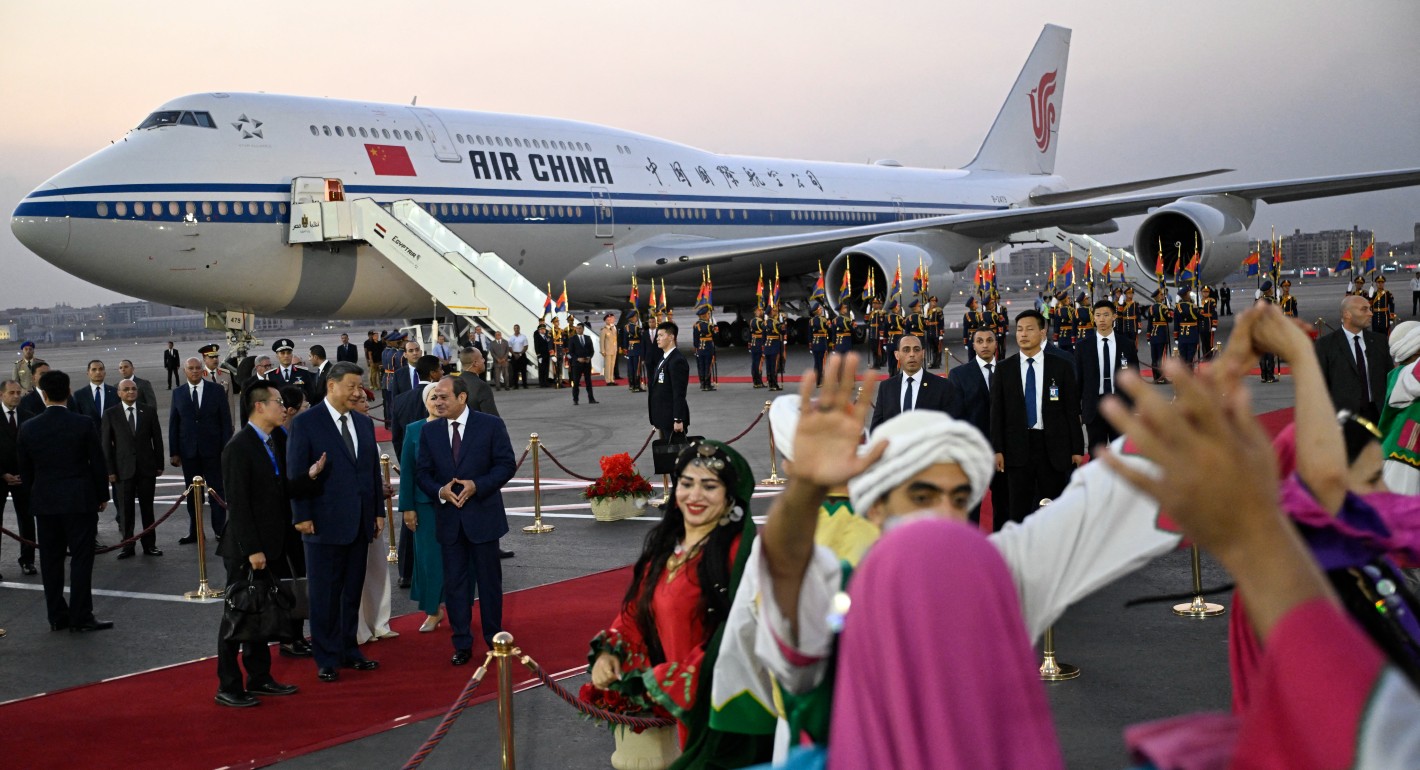
Amid celebrations of bilateral ties was a deeper focus on stability in the Middle East.

Amr Hamzawy

Xi, Putin, and other regional leaders are back-slapping in Bishkek, but the SCO has yet to answer the most serious questions about continental Asia's economic future.

Evan A. Feigenbaum

In any defense establishment, change is an ongoing process. However, despite the best of intentions, existing bureaucracies, bound by habit and years of socialization, have their limits in implementing transformative change.

Anit Mukherjee

The conflict has sent economic and political shock waves through a country with no representation at the negotiating table—and Kenya is not alone.
Georgia Schaefer-Brown, Jane Munga