

Commentary
It should address the shortcomings of previous crisis communication efforts and adapt to the demands of frontier AI.
Lucy Luo
{
  "authors": [
    "Darshana M. Baruah",
    "Yogesh Joshi"
  ],
  "type": "other",
  "centerAffiliationAll": "dc",
  "centers": [
    "Carnegie Endowment for International Peace"
  ],
  "collections": [],
  "englishNewsletterAll": "ctw",
  "nonEnglishNewsletterAll": "",
  "primaryCenter": "Carnegie Endowment for International Peace",
  "programAffiliation": "SAP",
  "programs": [
    "South Asia"
  ],
  "projects": [
    "Indian Ocean Initiative"
  ],
  "regions": [
    "South Asia",
    "Western Europe",
    "United Kingdom",
    "Europe",
    "Indo-Pacific"
  ],
  "topics": [
    "Foreign Policy"
  ]
}
Source: Getty
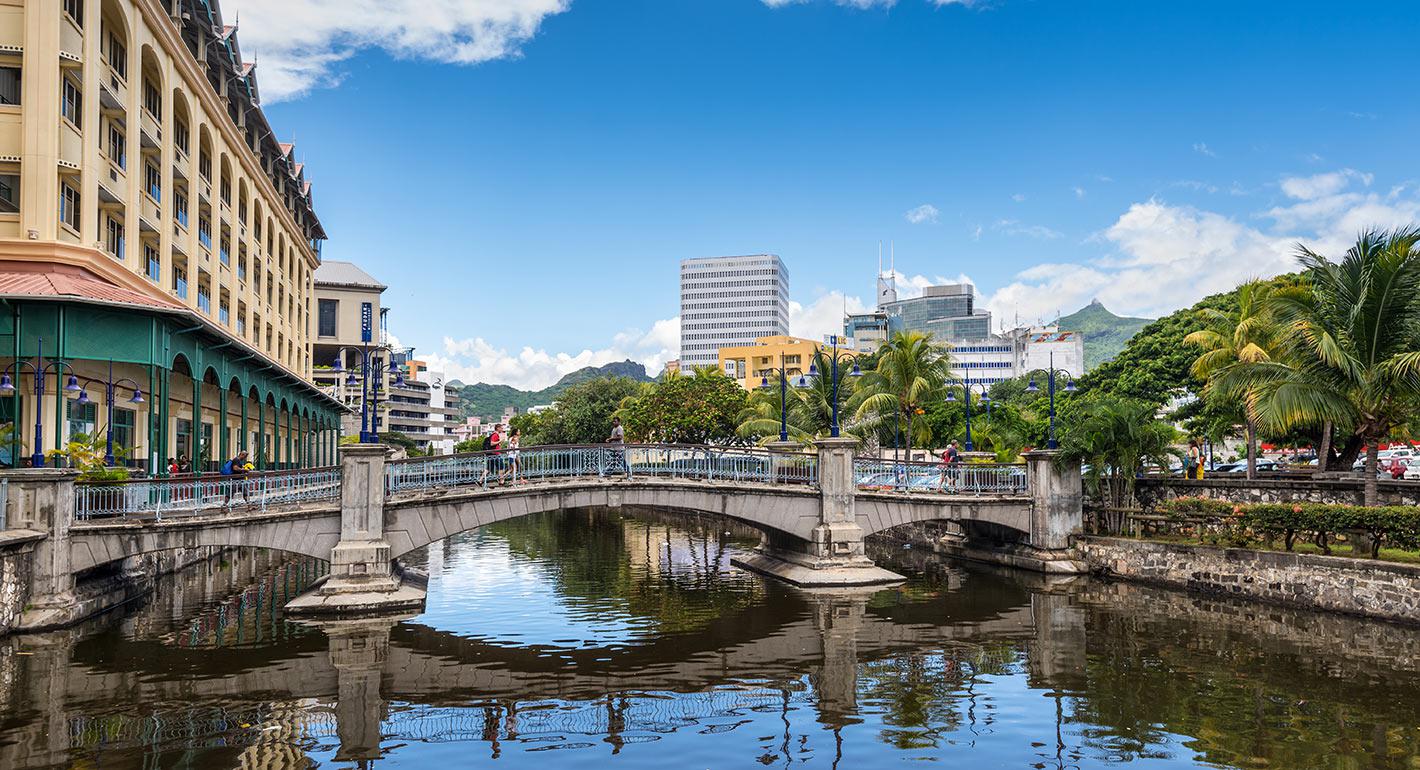
The ongoing contention between Mauritius and the UK over the sovereignty of the Diego Garcia presents a difficult challenge for Indian policymakers.
Source: Australian Journal of International Affairs
The ongoing contention between Mauritius and the UK over the sovereignty of the Diego Garcia presents a difficult challenge for Indian foreign policy-makers. New Delhi’s principled opposition to colonialism and its historical relationship with Port Louis has made it steadfastly support the Mauritian claim. However, such principled foreign policy militates against India’s quest to balance the growing Chinese influence in the Indian Ocean. Insofar, Diego Garcia allows the US Navy to maintain an active presence in the Indian Ocean, thereby keeping the Chinese naval power at bay. Balance of power considerations notwithstanding, the expanding trajectory of the Indo-US strategic partnership also demands New Delhi to weigh the burden of its policies on Diego Garcia carefully. This article juxtaposes India’s historical record on Diego Garcia during the Cold War with its contemporary approach to the issue. In doing so, it sheds further light on India’s strategic decisionmaking in the Indian Ocean, its dilemmas in confronting a genuinely hostile maritime power in the region, and deliberates on potential options for dispute resolution which can not only satisfy Mauritian demands but also ensure a healthy balance of power in the Indian Ocean.
This article was originally published in the Australian Journal of International Affairs.

Former Nonresident Scholar, South Asia Program
Darshana M. Baruah was a nonresident scholar with the South Asia Program at the Carnegie Endowment for International Peace where she directs the Indian Ocean Initiative.
Yogesh Joshi
Yogesh Joshi is a research fellow at the Institute of South Asian Studies, National University of Singapore. His research focuses on contemporary Indian foreign and national security policy, with an emphasis on Indo-Pacific’s balance of power, evolution of India’s military power and its approach to use of force in international relations. Before joining ISAS, Dr Joshi was a MacArthur and Stanton Nuclear Postdoctoral Fellow at the Center for International Security and Cooperation, Stanford University, USA.
Carnegie does not take institutional positions on public policy issues; the views represented herein are those of the author(s) and do not necessarily reflect the views of Carnegie, its staff, or its trustees.

It should address the shortcomings of previous crisis communication efforts and adapt to the demands of frontier AI.

Lucy Luo

If the Russian-speaking community in Latvia cannot articulate their interests without being seen as disloyal, they could end up embracing a pro-Kremlin agenda.

Sergejs Potapkins
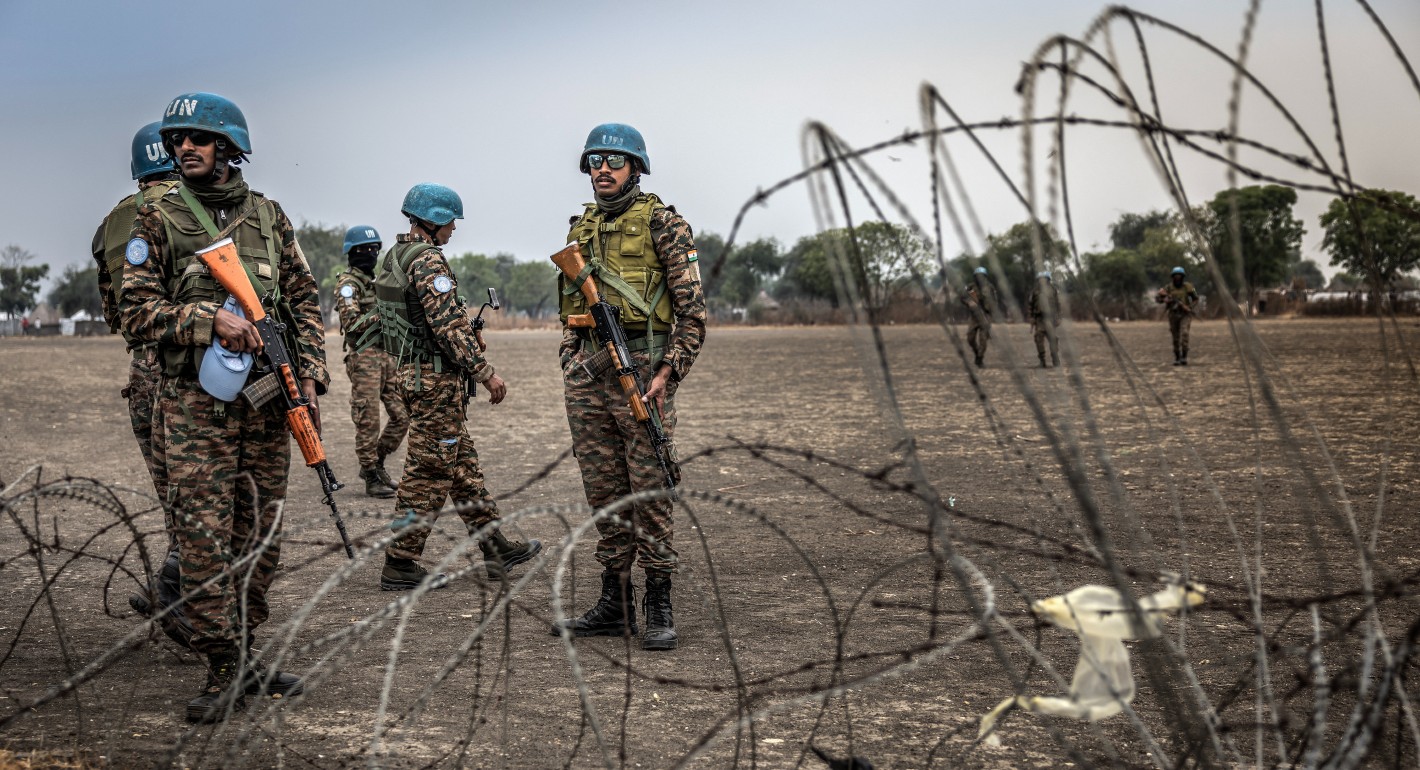
Washington’s decision to support some UN functions while letting others wither is pulling the organization apart at the seams.

Stewart Patrick, Theodore Zaritsky

Are Germany’s economic, industrial, and political struggles becoming a liability for the EU’s ability to rise to the geopolitical moment?

Rym Momtaz, ed.

China’s police training infrastructure construction projects provide benefits to recipient countries, promote China’s image as a major global security provider, and are likely to reinforce alignment between Beijing’s security priorities and those of countries in the Global South.

Cameron Waltz, Sheena Chestnut Greitens, Kim Nguyen, …