

Commentary
Five problems—and solutions—to make it actually work as a tool of great power competition.
Afreen Akhter
{
  "authors": [
    "Darshana M. Baruah",
    "Yogesh Joshi"
  ],
  "type": "other",
  "centerAffiliationAll": "dc",
  "centers": [
    "Carnegie Endowment for International Peace"
  ],
  "collections": [],
  "englishNewsletterAll": "ctw",
  "nonEnglishNewsletterAll": "",
  "primaryCenter": "Carnegie Endowment for International Peace",
  "programAffiliation": "SAP",
  "programs": [
    "South Asia"
  ],
  "projects": [
    "Indian Ocean Initiative"
  ],
  "regions": [
    "South Asia",
    "Western Europe",
    "United Kingdom",
    "Europe",
    "Indo-Pacific"
  ],
  "topics": [
    "Foreign Policy"
  ]
}
Source: Getty
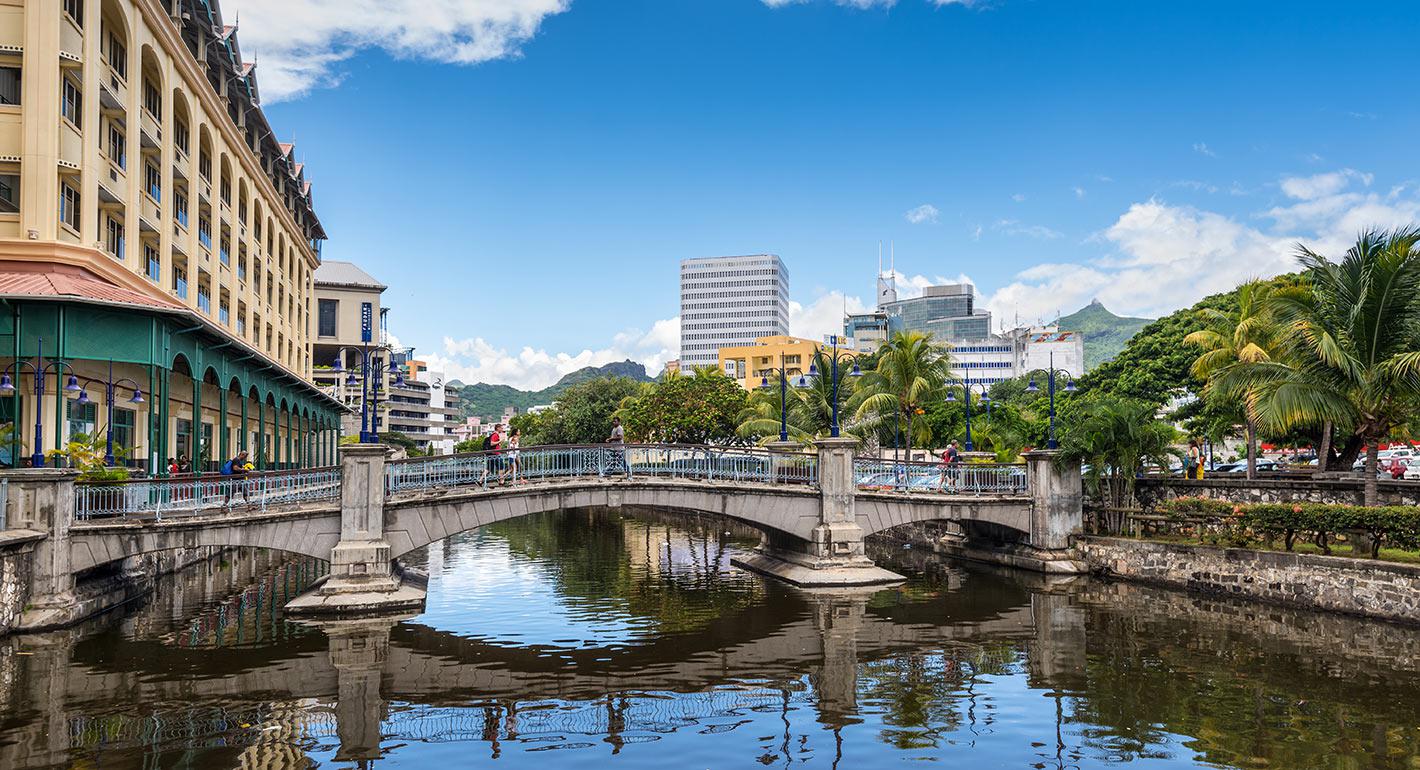
The ongoing contention between Mauritius and the UK over the sovereignty of the Diego Garcia presents a difficult challenge for Indian policymakers.
Source: Australian Journal of International Affairs
The ongoing contention between Mauritius and the UK over the sovereignty of the Diego Garcia presents a difficult challenge for Indian foreign policy-makers. New Delhi’s principled opposition to colonialism and its historical relationship with Port Louis has made it steadfastly support the Mauritian claim. However, such principled foreign policy militates against India’s quest to balance the growing Chinese influence in the Indian Ocean. Insofar, Diego Garcia allows the US Navy to maintain an active presence in the Indian Ocean, thereby keeping the Chinese naval power at bay. Balance of power considerations notwithstanding, the expanding trajectory of the Indo-US strategic partnership also demands New Delhi to weigh the burden of its policies on Diego Garcia carefully. This article juxtaposes India’s historical record on Diego Garcia during the Cold War with its contemporary approach to the issue. In doing so, it sheds further light on India’s strategic decisionmaking in the Indian Ocean, its dilemmas in confronting a genuinely hostile maritime power in the region, and deliberates on potential options for dispute resolution which can not only satisfy Mauritian demands but also ensure a healthy balance of power in the Indian Ocean.
This article was originally published in the Australian Journal of International Affairs.

Former Nonresident Scholar, South Asia Program
Darshana M. Baruah was a nonresident scholar with the South Asia Program at the Carnegie Endowment for International Peace where she directs the Indian Ocean Initiative.
Yogesh Joshi
Yogesh Joshi is a research fellow at the Institute of South Asian Studies, National University of Singapore. His research focuses on contemporary Indian foreign and national security policy, with an emphasis on Indo-Pacific’s balance of power, evolution of India’s military power and its approach to use of force in international relations. Before joining ISAS, Dr Joshi was a MacArthur and Stanton Nuclear Postdoctoral Fellow at the Center for International Security and Cooperation, Stanford University, USA.
Carnegie does not take institutional positions on public policy issues; the views represented herein are those of the author(s) and do not necessarily reflect the views of Carnegie, its staff, or its trustees.
Five problems—and solutions—to make it actually work as a tool of great power competition.
Afreen Akhter
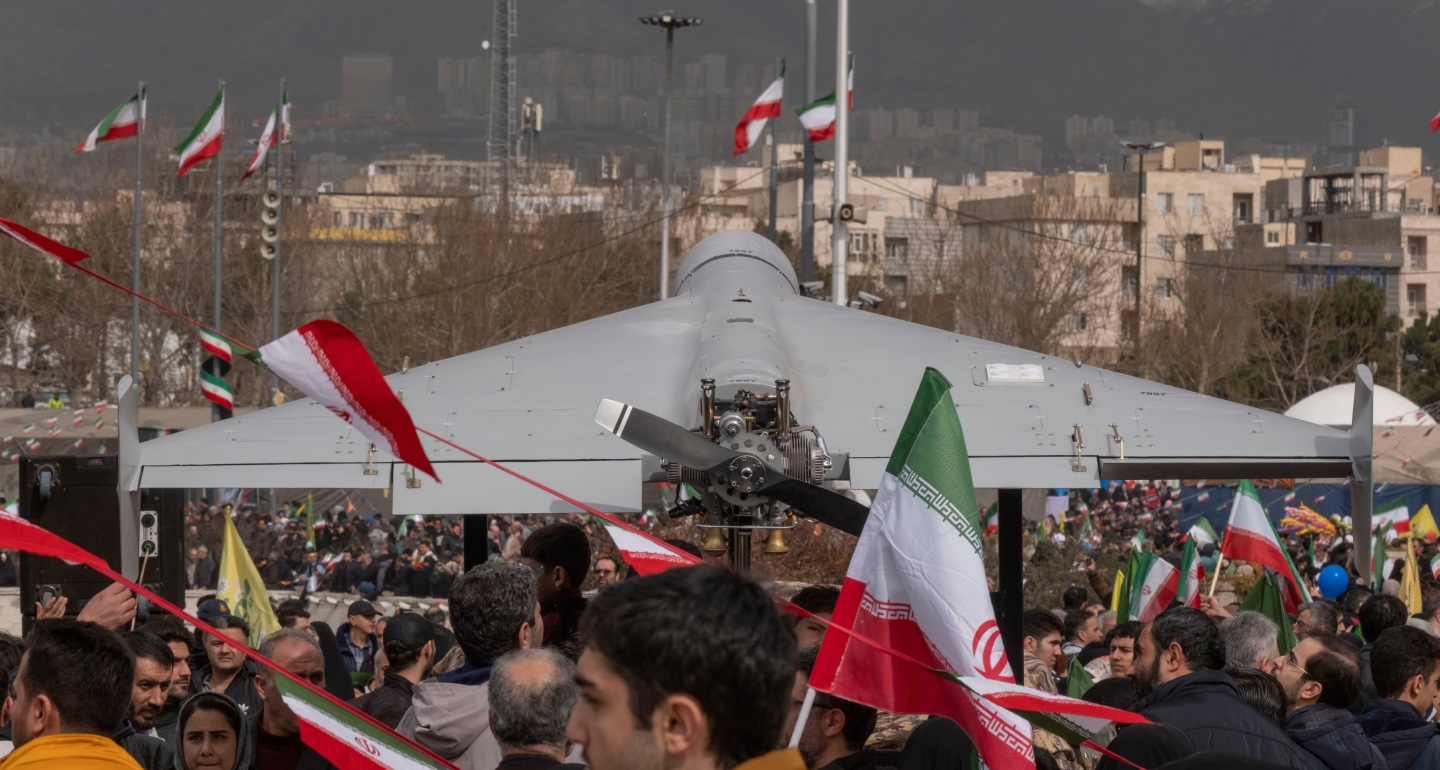
The Russian leadership wants to avoid a dangerous precedent in which it is squeezed out of Iran by the United States and Israel—and left powerless to respond in any meaningful way.

Nikita Smagin
One is hopeful. One is realistic. One is cautionary.

Andrew Leber, Sam Worby

In Ukraine, Gaza, and Iran, AI warfare has come to dominate, with barely any oversight or accountability. Europe must lead the charge on the responsible use of new military technologies.

Raluca Csernatoni
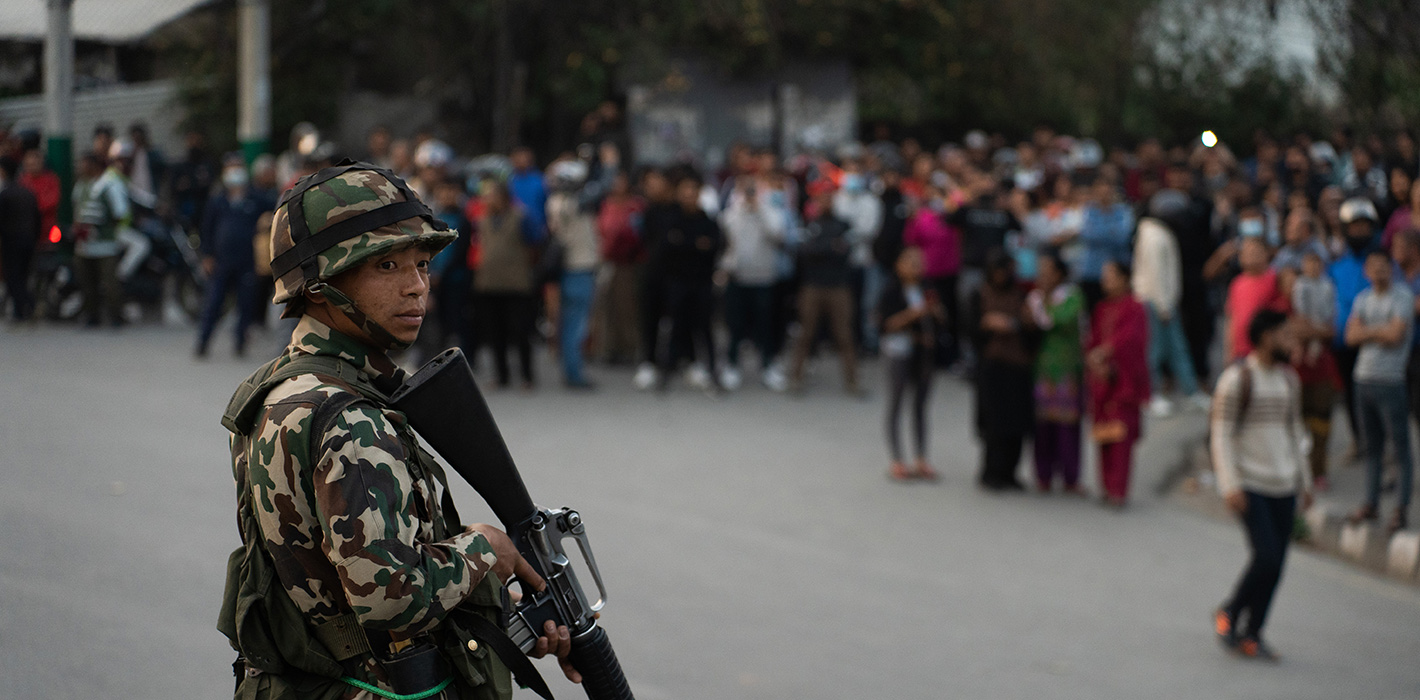
Military rule is now a defining political factor in South Asia. Here’s how analysts can understand and account for it.

Paul Staniland