

Commentary
- +11
Cornelius Adebahr, Dan Baer, Rosa Balfour, …
{
  "authors": [
    "Erik Brattberg"
  ],
  "type": "legacyinthemedia",
  "centerAffiliationAll": "",
  "centers": [
    "Carnegie Endowment for International Peace"
  ],
  "collections": [],
  "englishNewsletterAll": "",
  "nonEnglishNewsletterAll": "",
  "primaryCenter": "Carnegie Endowment for International Peace",
  "programAffiliation": "",
  "programs": [],
  "projects": [],
  "regions": [
    "North America",
    "United States",
    "Western Europe"
  ],
  "topics": [
    "Foreign Policy"
  ]
}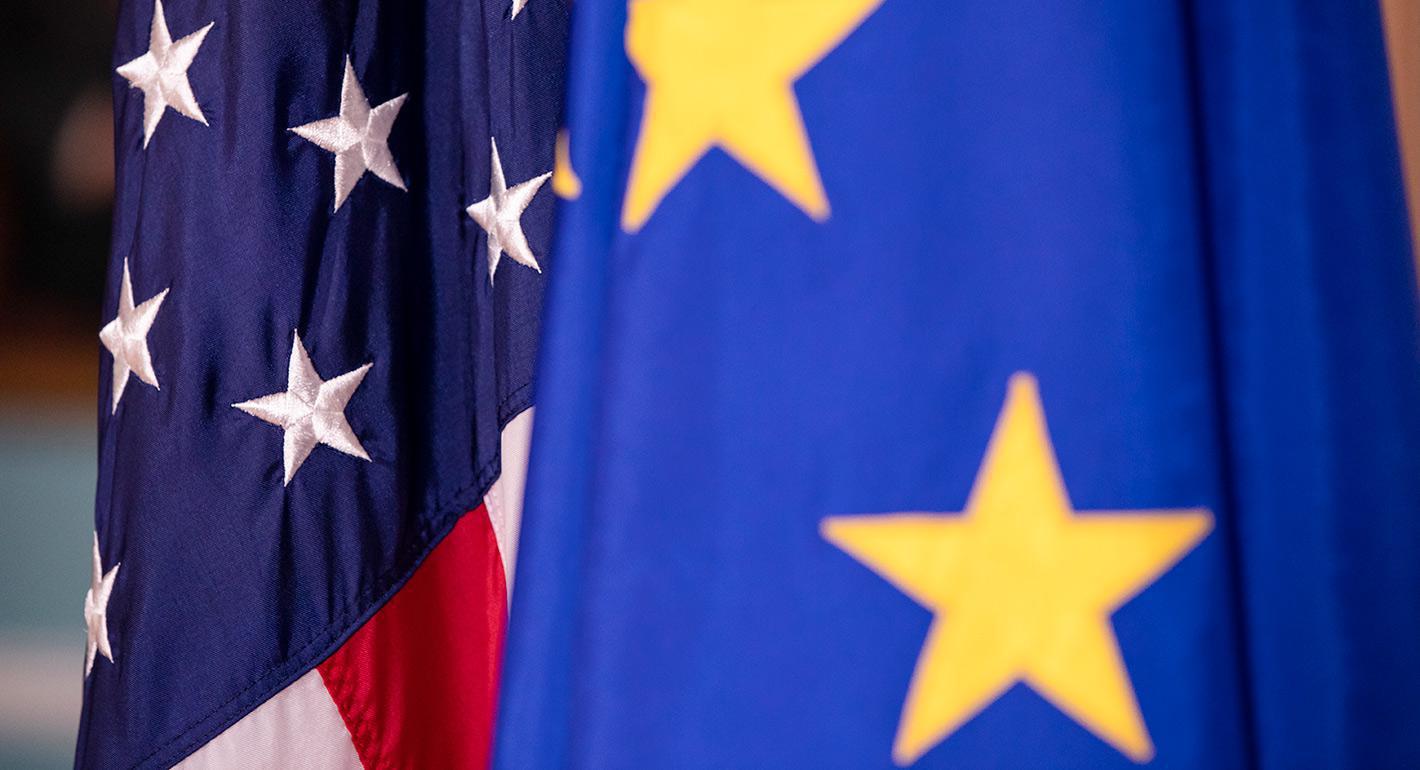
Source: Getty
Having already deteriorated significantly since President Donald Trump assumed office in 2017, the transatlantic relationship is now at risk of being further weakened during the coronavirus.
Source: Confrontations Europe
The Covid-19 pandemic is challenging international cooperation. This is notably the case of the already damaged relationship between the EU and the United States, since Donald Trump halted travels from Europe to US on March 11. Is the coronavirus crisis going to durably dash an already overstretched transatlantic link ? Read senior analyst Erik Brattberg’s insights.
Having already deteriorated significantly since President Donald Trump assumed office in 2017, the transatlantic relationship is now at risk of being further weakened during the coronavirus. Rather than serving as an impetus to restore the battered relationship between Washington and European capitals, the presence of the global pandemic is accelerating already existing negative transa-tlantic trends. If Trump is reelected in November, he will likely continue to double down on his “America First” foreign policy, skepticism of multilateralism, and trade protectionism, giving rise to further European disaffection with his administration’s leadership.
This article was originally published in Confrontations Europe.
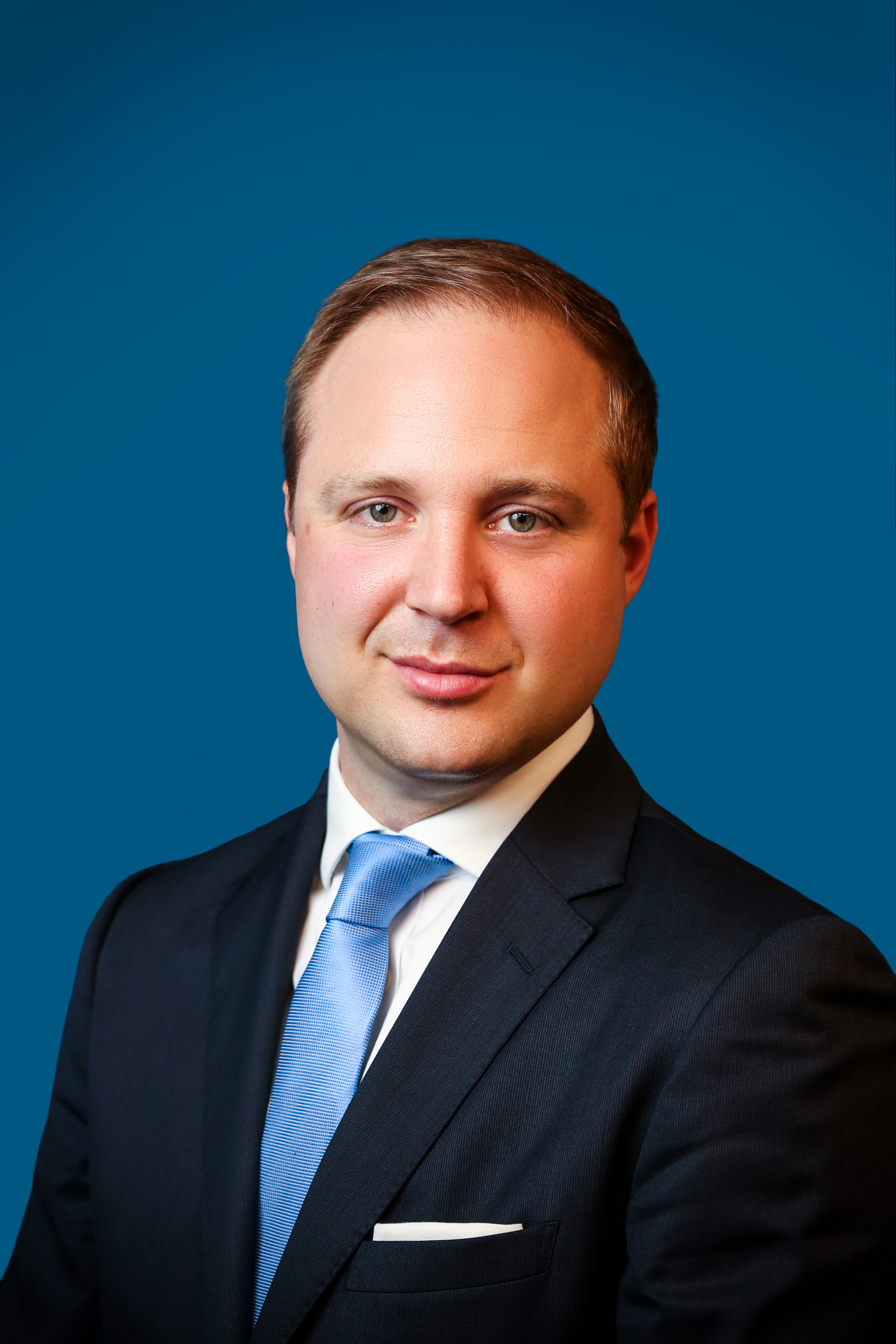
Former Director, Europe Program, Fellow
Erik Brattberg was director of the Europe Program and a fellow at the Carnegie Endowment for International Peace in Washington. He is an expert on European politics and security and transatlantic relations.
Recent Work


Cornelius Adebahr, Dan Baer, Rosa Balfour, …

Erik Brattberg, Philippe Le Corre, Paul Stronski, …
Carnegie does not take institutional positions on public policy issues; the views represented herein are those of the author(s) and do not necessarily reflect the views of Carnegie, its staff, or its trustees.

It should address the shortcomings of previous crisis communication efforts and adapt to the demands of frontier AI.

Lucy Luo

Washington’s decision to support some UN functions while letting others wither is pulling the organization apart at the seams.

Stewart Patrick, Theodore Zaritsky

While there are notable demographic, economic, and geographic divides over AI, there is also substantial alignment between Republicans and Democrats.


Ian Klaus, Mark Baldassare, Rachel George, …

Are Germany’s economic, industrial, and political struggles becoming a liability for the EU’s ability to rise to the geopolitical moment?

Rym Momtaz, ed.

China’s police training infrastructure construction projects provide benefits to recipient countries, promote China’s image as a major global security provider, and are likely to reinforce alignment between Beijing’s security priorities and those of countries in the Global South.


Cameron Waltz, Sheena Chestnut Greitens, Kim Nguyen, …