

Q&A
Dara Massicot, Aaron David Miller, Andrew S. Weiss
{
  "authors": [
    "Aaron David Miller"
  ],
  "type": "legacyinthemedia",
  "centerAffiliationAll": "",
  "centers": [
    "Carnegie Endowment for International Peace"
  ],
  "collections": [],
  "englishNewsletterAll": "",
  "nonEnglishNewsletterAll": "",
  "primaryCenter": "Carnegie Endowment for International Peace",
  "programAffiliation": "",
  "programs": [],
  "projects": [],
  "regions": [
    "Middle East",
    "Israel"
  ],
  "topics": [
    "Political Reform"
  ]
}
Source: Getty
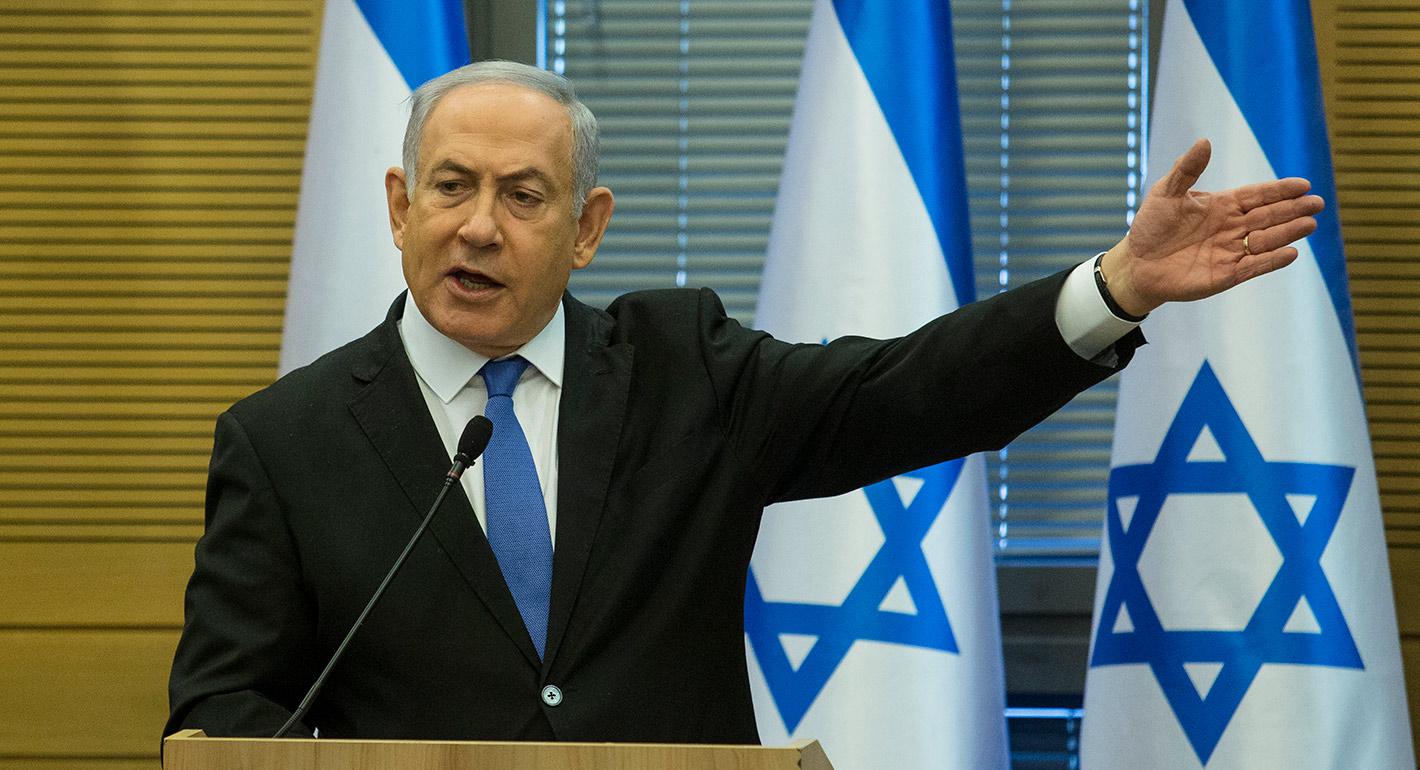
To move forward with annexation Netanyahu will need to persuade himself no matter how alluring and attractive the upsides that the downsides are manageable.
Source: TIME
To annex or not to annex, that is indeed the question
Like a modern day Hamlet, Benjamin Netanyahu is pondering his next most critical decision.
Already the longest governing Prime Minister in Israel’s history and on the verge of starting a fifth term, Netanyahu appears to have made his choice. He recently told a group of Christian evangelicals that he was “confident” he’d be able to annex large parts of the West Bank. Indeed, the terms of his coalition agreement with his rival turned partner Benny Gantz allow him as of July 1 to introduce proposals to do precisely that.
But will he? He’s been Prime Minister now for almost a decade and a half and his support for annexation—which not coincidentally reappeared in April 2019 shortly before the first Israeli elections—has remained largely rhetorical. Netanyahu is preternaturally accomplished as a politician; and in many respects as a Prime Minister, too. But when it comes to major decisions in peace or war, he is no bold leader like Menachem Begin, Yitzhak Rabin, or Ariel Sharon...

Senior Fellow, American Statecraft Program
Aaron David Miller is a senior fellow at the Carnegie Endowment for International Peace, focusing on U.S. foreign policy.
Recent Work

Dara Massicot, Aaron David Miller, Andrew S. Weiss



Sophia Besch, Eric Ciaramella, Steve Feldstein, …
Carnegie does not take institutional positions on public policy issues; the views represented herein are those of the author(s) and do not necessarily reflect the views of Carnegie, its staff, or its trustees.

China’s political future will be shaped between now and next October. As the Communist Party enters its intense “campaign season” to prepare for a major political transition in 2027, reading Beijing's actions and responses may become more difficult as domestic politics weigh on its behavior more than usual.

Damien Ma
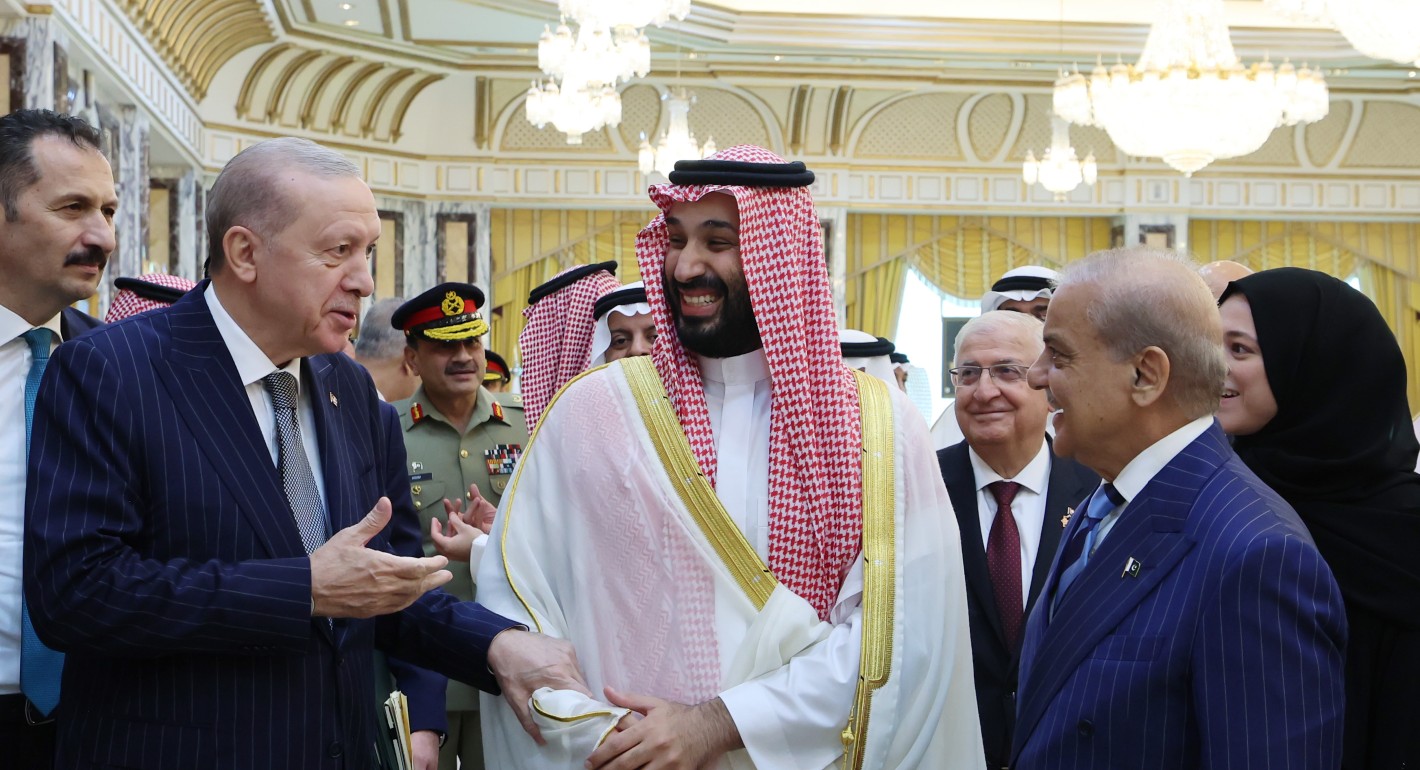
Why Pakistan, Saudi Arabia, and Turkey are joining forces on regional security.


Alper Coşkun, Amr Hamzawy
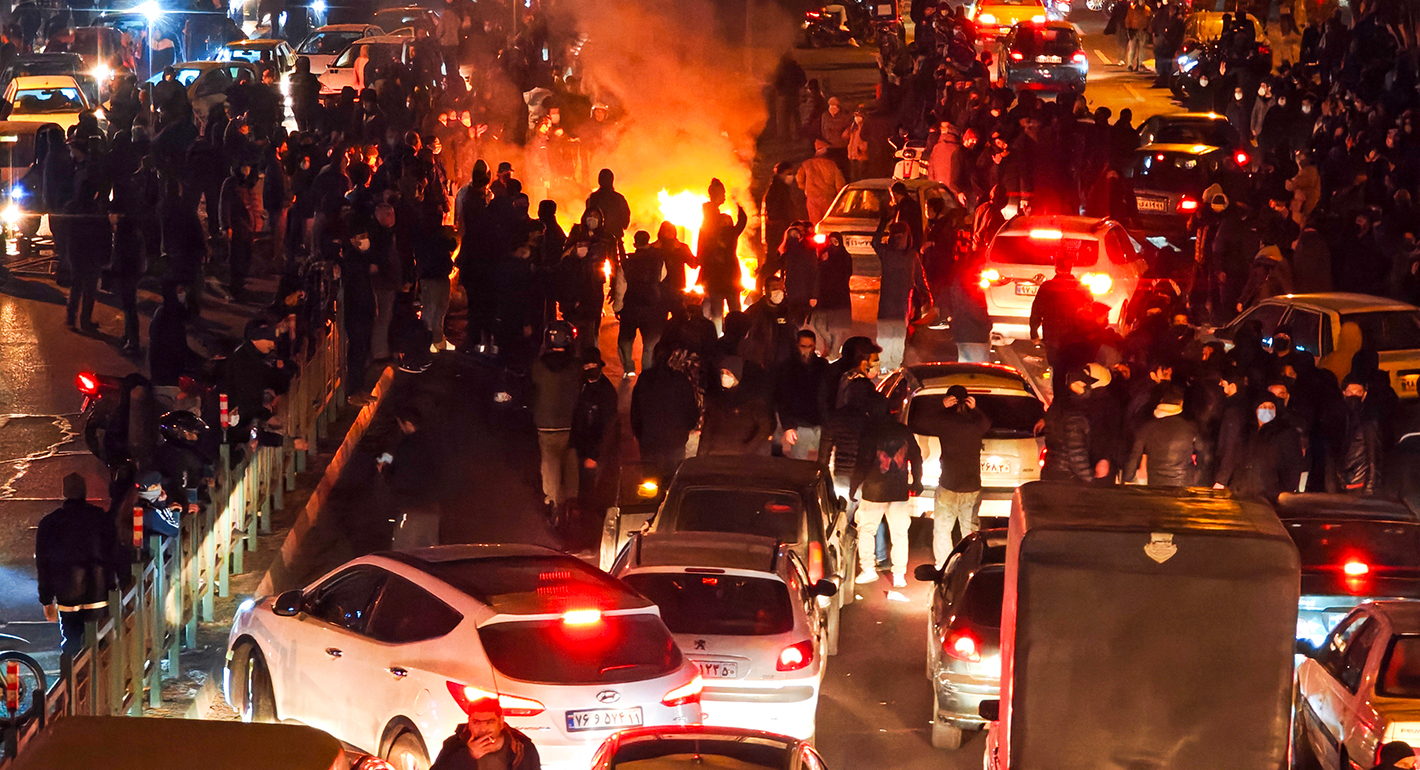
Protests in Iran follow a similar pattern: Economic grievances turn into political protests that spread nationwide. But increased state repression has begun to shift the arrangement.

Eric Lob

Putin’s conservative staffing policies and search for ever greater control have cemented parliament’s transformation into a bureaucratic appendage of the executive branch.

Andrey Pertsev

Ex-president Gurbanguly Berdimuhamedov remains interested in politics, but his son Serdar, Turkmenistan’s current president, is becoming increasingly independent and willing to break with his father’s legacy. If their covert rivalry goes too far, both risk losing power.

Galiya Ibragimova