

Other
- +5
Frances Z. Brown, Zainab Usman, Erin Jones, …
{
  "authors": [
    "Ashley Quarcoo"
  ],
  "type": "commentary",
  "centerAffiliationAll": "dc",
  "centers": [
    "Carnegie Endowment for International Peace"
  ],
  "collections": [
    "U.S. Democracy in Comparative Perspective"
  ],
  "englishNewsletterAll": "democracy",
  "nonEnglishNewsletterAll": "",
  "primaryCenter": "Carnegie Endowment for International Peace",
  "programAffiliation": "DCG",
  "programs": [
    "Democracy, Conflict, and Governance"
  ],
  "projects": [],
  "regions": [
    "North America",
    "United States"
  ],
  "topics": [
    "Political Reform",
    "Democracy",
    "Civil Society"
  ]
}
Source: Getty
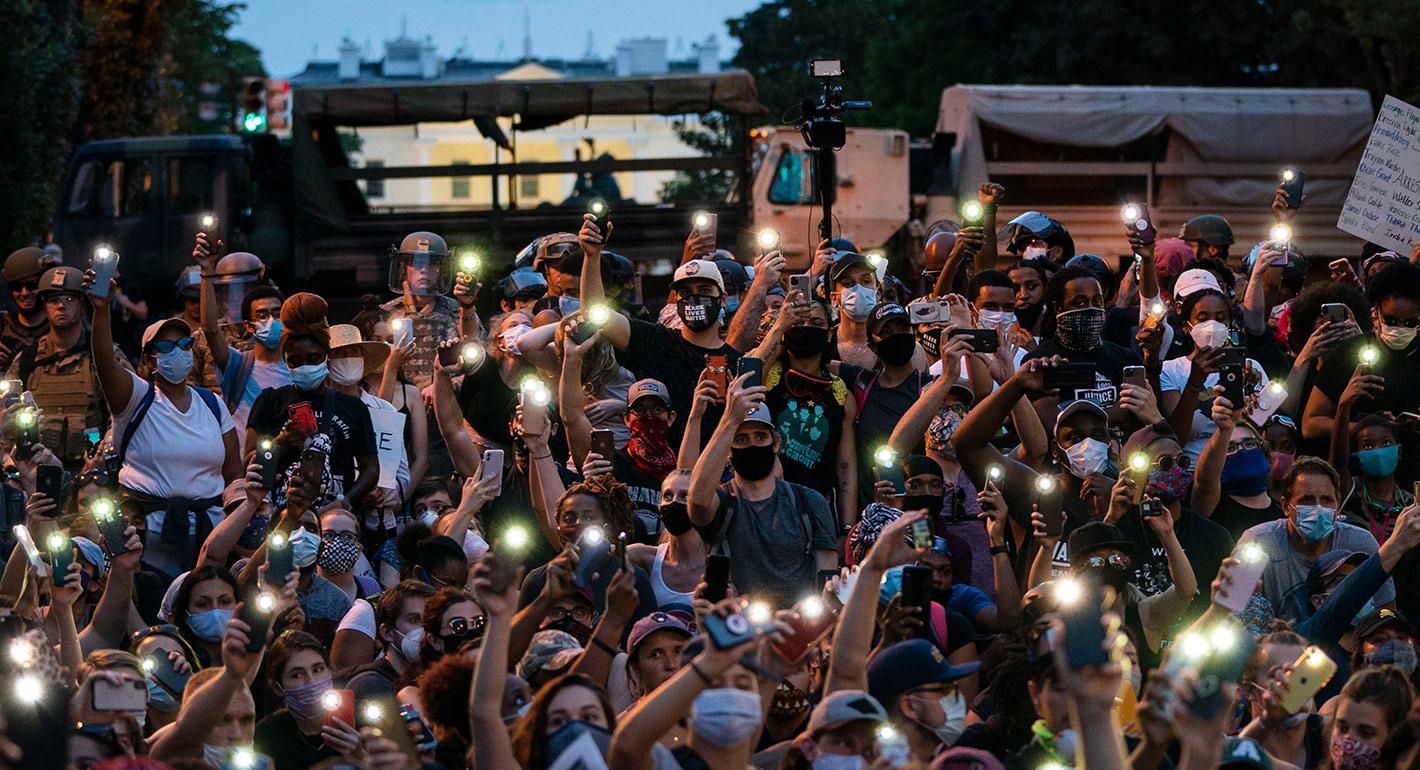
Protests have engulfed the United States since the murder of George Floyd. As the global movement for racial equality unfolds, the coronavirus has and will shape its trajectory.
In the two weeks since the murder of George Floyd, protests have erupted around the United States and the world. Protests have been held in all fifty states and the District of Columbia, in highly populated urban areas and small, rural towns alike—including those with conservative politics and few racial minorities. The protests have also ricocheted around the world, from Australia to Germany to South Africa, where citizens have gathered to express solidarity with those protesting police brutality against Black Americans. This is the largest protest movement since the coronavirus outbreak brought the global economy to a standstill and shuttered people for months in their homes. It is inextricably wrapped up in the broader moment of anxiety, restlessness, fatigue, and, now, anger.
Here are a few initial takeaways.
Rather than deterring protests, there is ample evidence to suggest that the coronavirus was a contributing factor to the recent popular eruption and mass mobilization. The virus’s savage impact on Black communities had already laid bare long-standing public health and economic inequities faced by Black Americans. Yet, for many, the killing of Floyd and two other unarmed Black people is forcing a conscious reckoning with a temporary public health risk and a systemic public safety one, sending a powerful message about the degree to which Black people fear police violence as a more existential threat than the coronavirus. The protest movement also benefited from the captivity of large numbers of Americans who have been confined to their homes due to lockdown orders, are on social media platforms more frequently and have felt a sense of social isolation and powerlessness in the wake of dual public health and economic emergencies.
Yet the protests also signaled an abrupt end to social distancing in urban areas of the country, which have been hit hardest by the coronavirus. They have broken through the self-restraint of quarantine-weary populations who may now be less risk averse in other public settings. Further, though large numbers of protesters wore face masks, some protesters and many police officers did not. The protests saw large numbers of arrests at a time when prison populations have been among the most vulnerable to the virus. Though increases in coronavirus infections won’t be visible immediately, it is likely that the protests have increased the infection rate just as urban centers had reached sustained declines and were opening their economies back up.
Though protesters globally are standing in solidarity with Black Americans, many in Western democracies are also protesting legacies of systemic racism and police brutality that have undermined state institutions, such as police departments, in their own countries. Like Black Americans, who have been disproportionally impacted by the pandemic, Black people in the UK have also been over four times more likely to be killed by the virus as other demographic groups. Tens of thousands of protesters gathered there in opposition to police violence that also disproportionately impacts Black and other minority ethnic groups. In Paris, 20,000 people gathered, defying a ban on public gatherings, to protest the 2016 death of a Black man at the hands of police forces after the results of an independent investigation were released last week.
The protests in European democracies reveal that while the intersection of race and police brutality is heavily debated in U.S. political discourse, the discussion has been much less prevalent in Europe. There, the suggestion that state institutions are complicit in racial profiling or other kinds of targeted violence toward minority groups can be highly sensitive. Nevertheless, last week, Berlin became the first state in Germany to allow civil suits for racial profiling by the police or other government officials. As dissatisfaction with democracy rises in the West, critical examinations of and improvements in the state’s relationship with its racial and ethnic minorities may provide an opportunity to burnish the credibility of democratic institutions that need to demonstrate they are responsive to the needs of all of their citizens.
It is unclear how long the protests will continue and whether they will achieve concrete and lasting reforms. The highly dispersed and multiracial makeup of protesters and protest sites reflect a now majority public opinion in the United States that Black people are more at risk of harm at the hands of the police than White people are. The protesters have focused on the controversial demand to #defundthepolice, including decreasing hefty police budgets and reforming police tactics. There are already some signs the protests are moving the needle. In Minneapolis, a veto-proof City Council majority has voted to disband the police department, vowing to work with the community to reimagine what public safety should look like. Boston’s City Council unanimously passed a resolution to end police brutality, and the mayor of Los Angeles has announced that he will halt a proposed increase to the police budget and reallocate resources to health and education needs in Black communities.
In a matter of days, the protests have also sparked a much larger national debate about the broader deficits that high police budgets create for investments in social services that benefit all citizens. At a time when state and local budgets have been decimated by the costs of responding to the coronavirus, many cities have released budgets for 2021 that propose maintaining or increasing police spending, even as other social services are absorbing big cuts. Now, a much larger cross-section of the country is paying attention to local budget proposals, demonstrating how broad-based coalitions can achieve pragmatic outcomes that benefit broad segments of society.
However, as the wave of protests subsides, and the reality of potential new waves of the coronavirus and ongoing economic devastation recapture public attention, the durability of this remarkable moment remains to be seen. Few municipalities are likely to go as far as Minneapolis in its disbanding of the police, and a backlash from police unions and law-and-order constituencies over cuts to police forces is bound to ensue. Yet there is no question that long-term change will require a profound shift in the relationship between Black people and the state, a shift that has eluded the United States since its founding days.
Former Nonresident Scholar, Democracy, Conflict, and Governance Program
Ashley Quarcoo was a nonresident scholar with the Carnegie Endowment for International Peace’s Democracy, Conflict and Governance Program. She is also the senior director for democracy programs and pillars with the Partnership for American Democracy.
Recent Work

Frances Z. Brown, Zainab Usman, Erin Jones, …
Ashley Quarcoo, Medina Husakovic
Carnegie does not take institutional positions on public policy issues; the views represented herein are those of the author(s) and do not necessarily reflect the views of Carnegie, its staff, or its trustees.
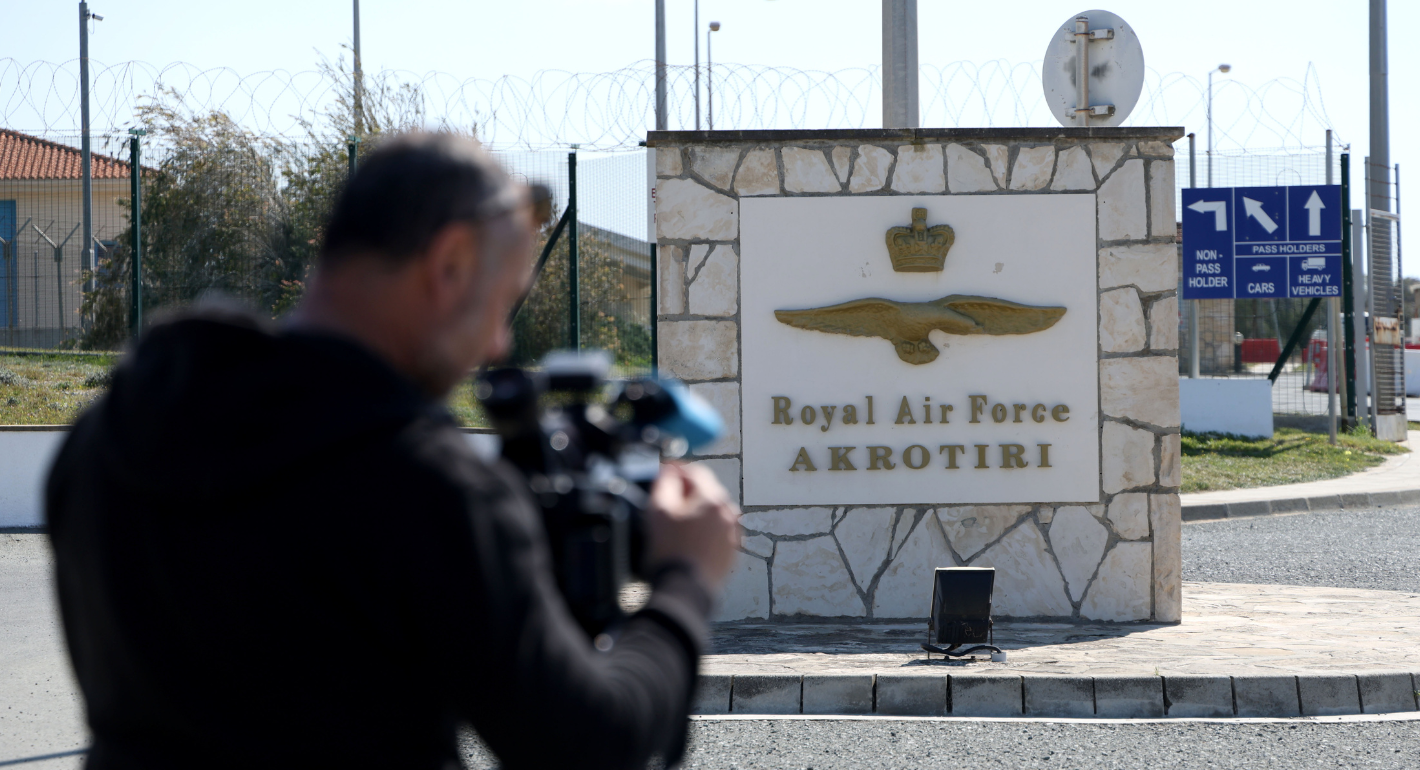
The drone strike on the British air base in Akrotiri brings Europe’s proximity to the conflict in Iran into sharp relief. In the fog of war, old tensions in the Eastern Mediterranean risk being reignited, and regional stakeholders must avoid escalation.

Marc Pierini

In an interview, Hassan Mneimneh discusses the ongoing conflict and the myriad miscalculations characterizing it.

Michael Young
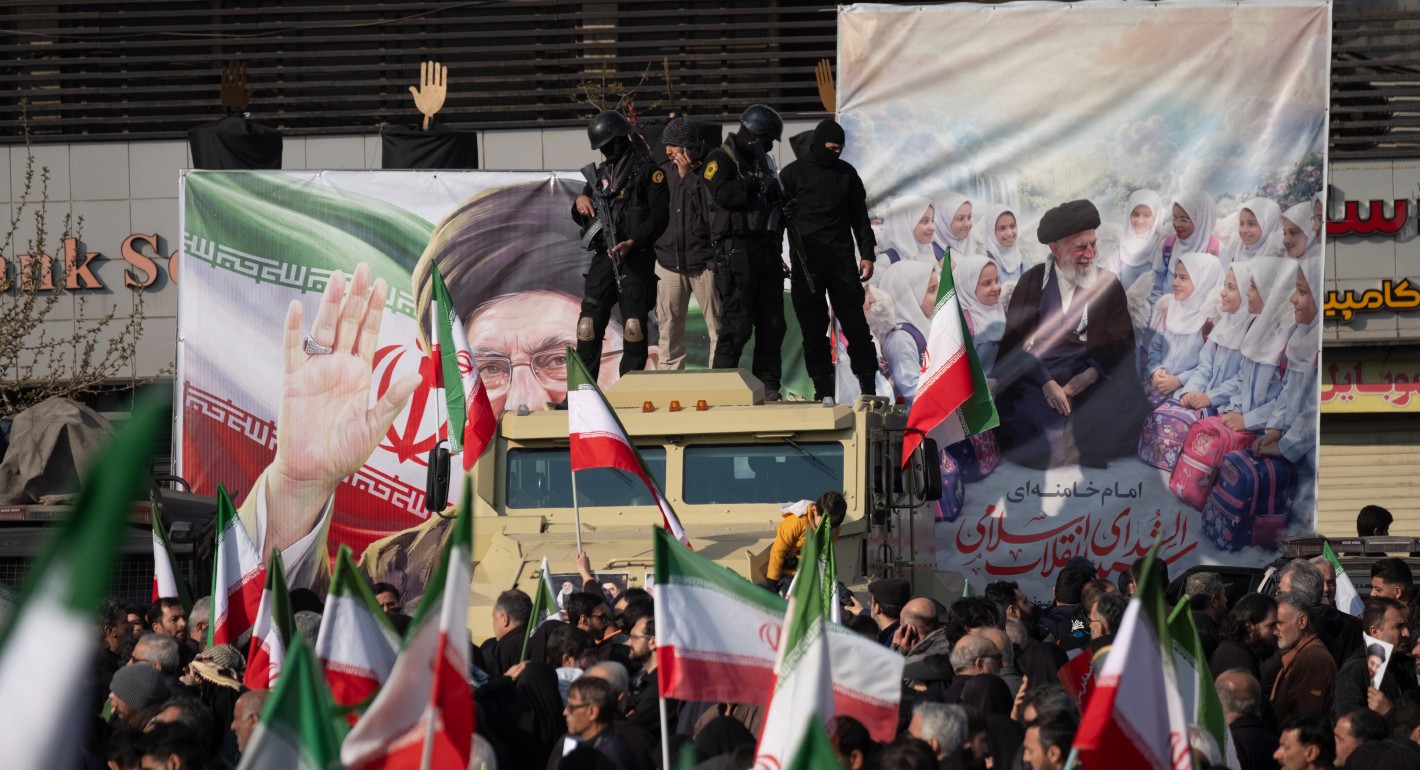
The recent record of citizen uprisings in autocracies spells caution for the hope that a new wave of Iranian protests may break the regime’s hold on power.


Thomas Carothers, McKenzie Carrier
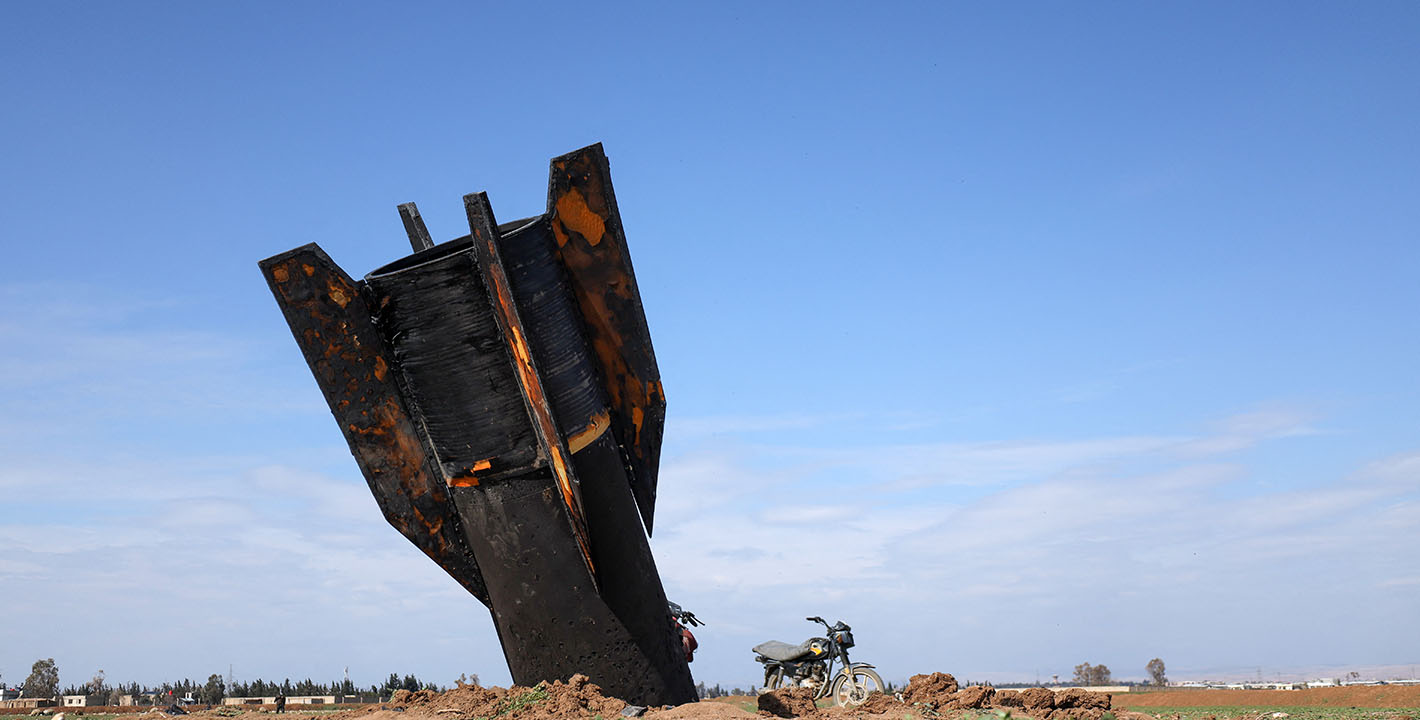
In an interview, Nicole Grajewski discusses the military dimension of the U.S. and Israeli attacks on Iran.
Michael Young
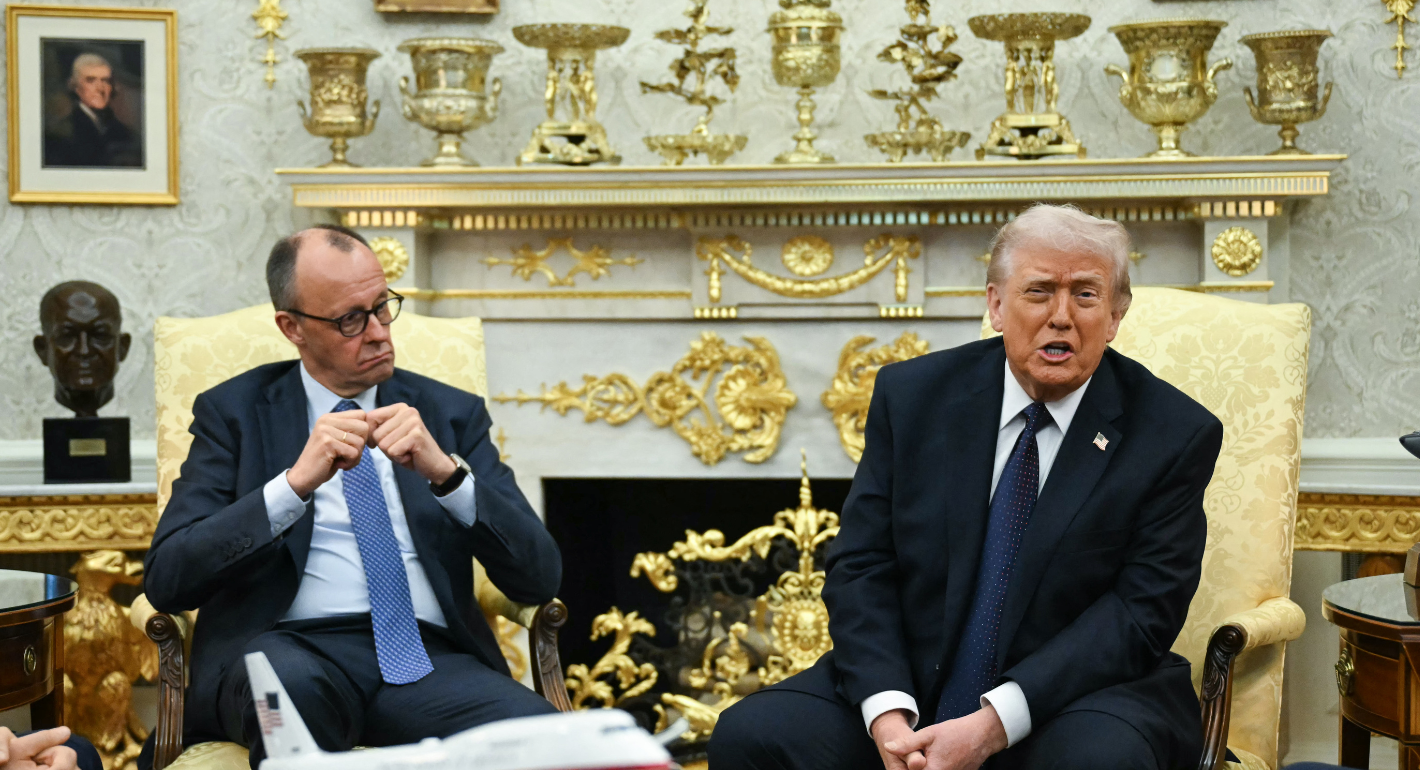
European reactions to the war in Iran have lost sight of wider political dynamics. The EU must position itself for the next phase of the crisis without giving up on its principles.

Richard Youngs