• Research
  • Emissary
  • About
  • Experts
Carnegie Global logoCarnegie lettermark logo
DemocracyIran
  • Donate
{
  "authors": [
    "Suyash Rai"
  ],
  "type": "legacyinthemedia",
  "centerAffiliationAll": "",
  "centers": [
    "Carnegie Endowment for International Peace",
    "Carnegie India"
  ],
  "collections": [],
  "englishNewsletterAll": "",
  "nonEnglishNewsletterAll": "",
  "primaryCenter": "Carnegie India",
  "programAffiliation": "",
  "programs": [],
  "projects": [
    "Political Economy"
  ],
  "regions": [
    "South Asia",
    "India"
  ],
  "topics": [
    "Economy"
  ]
}
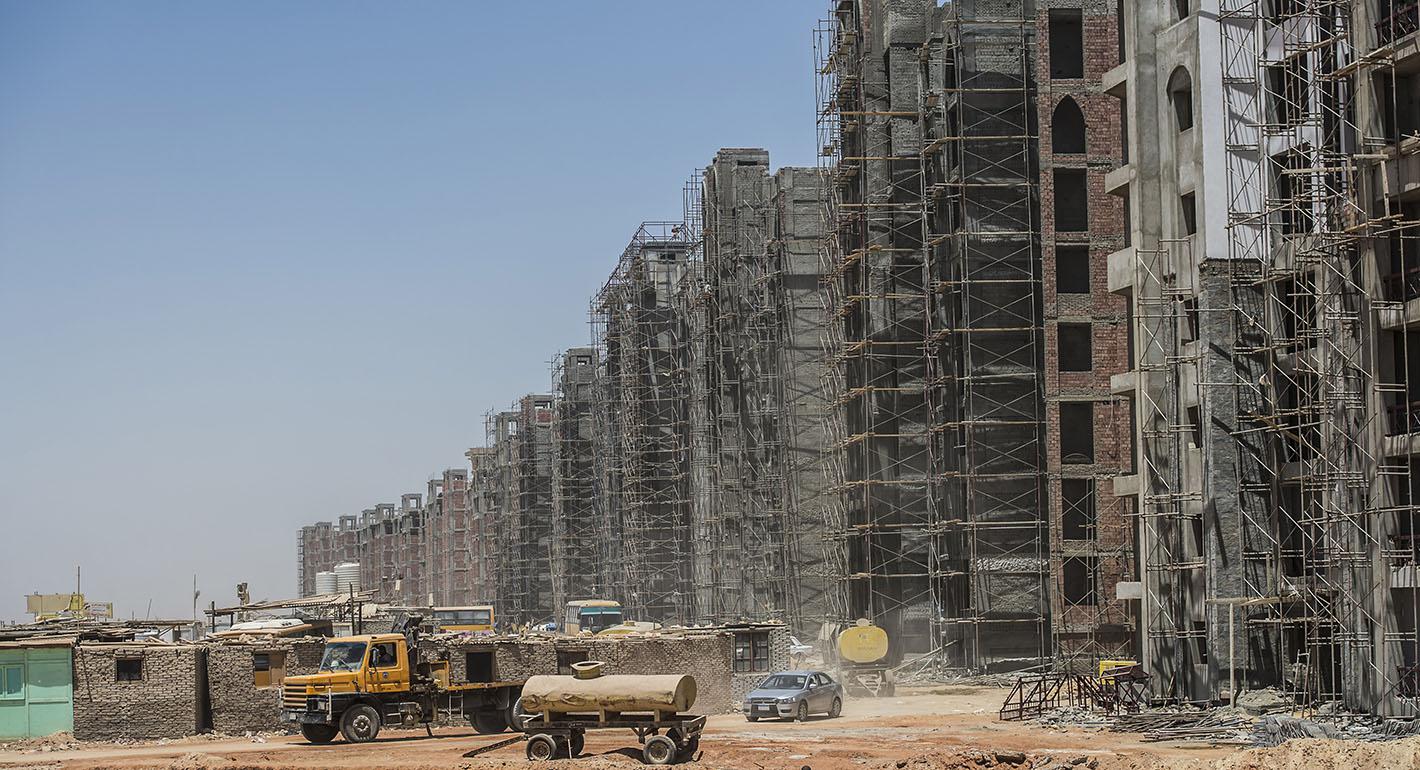
Source: Getty

In The Media
Carnegie India

The Emergence of a Different Order?

State-capital relations include direct, firm-specific interactions between the state and investors/firms, and indirect influences that shape the general conditions for raising and deployment of capital.
Link Copied
By Suyash Rai
Published on Oct 31, 2020
Project hero Image

Project

Political Economy

This program studies contemporary developments in India’s political economy, with a view towards understanding and informing India’s developmental choices. Scholars in the program analyze economic and regulatory policies, design and working of public institutions, interfaces between politics and the economy, and performance of key sectors of the economy such as finance and land.

Learn More

Source: Seminar

State-capital relations can be defined as the ways in which state action affects the cost of capital and the return on capital employed, which in turn determine the levels of private investment and entrepreneurship. State-capital relations, therefore, include direct, firm-specific interactions between the state and investors/firms, and indirect influences that shape the general conditions for raising and deployment of capital.

Read the Full Text

This article was originally published by Seminar Magazine.

About the Author

Suyash Rai

Former Fellow, Carnegie India

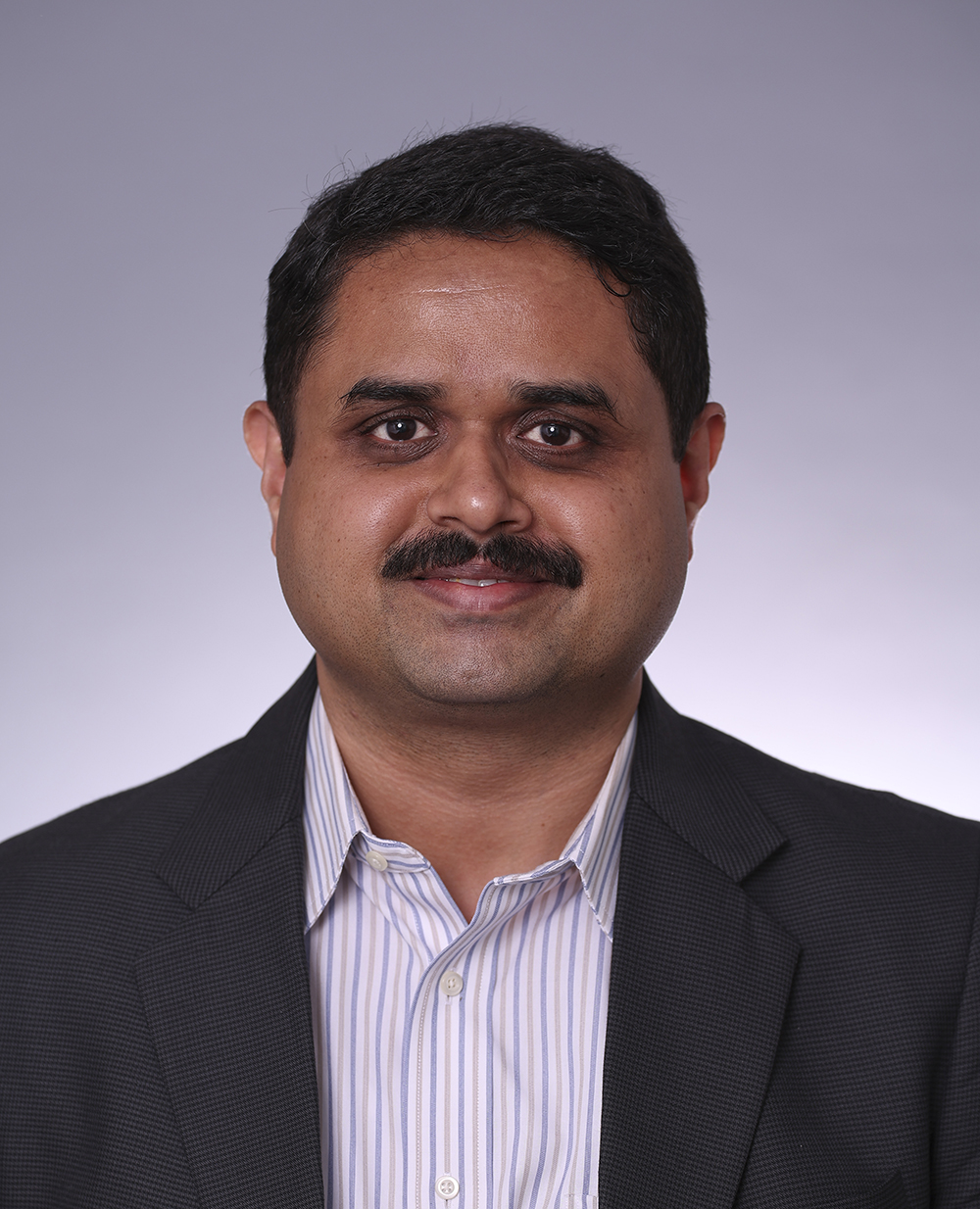
Suyash Rai was a fellow at Carnegie India. His research focuses on the political economy of economic reforms, and the performance of public institutions in India.

    Recent Work

  • Article
    The Best of Ideas and Institutions, 2023

      Suyash Rai, Anirudh Burman

  • Other
    Global Technology Summit 2022 Action Points
      • +4

      Shruti Sharma, Suyash Rai, Konark Bhandari, …

Suyash Rai
Former Fellow, Carnegie India
Suyash Rai
EconomySouth AsiaIndia

Carnegie does not take institutional positions on public policy issues; the views represented herein are those of the author(s) and do not necessarily reflect the views of Carnegie, its staff, or its trustees.
More Work from Carnegie Endowment for International Peace

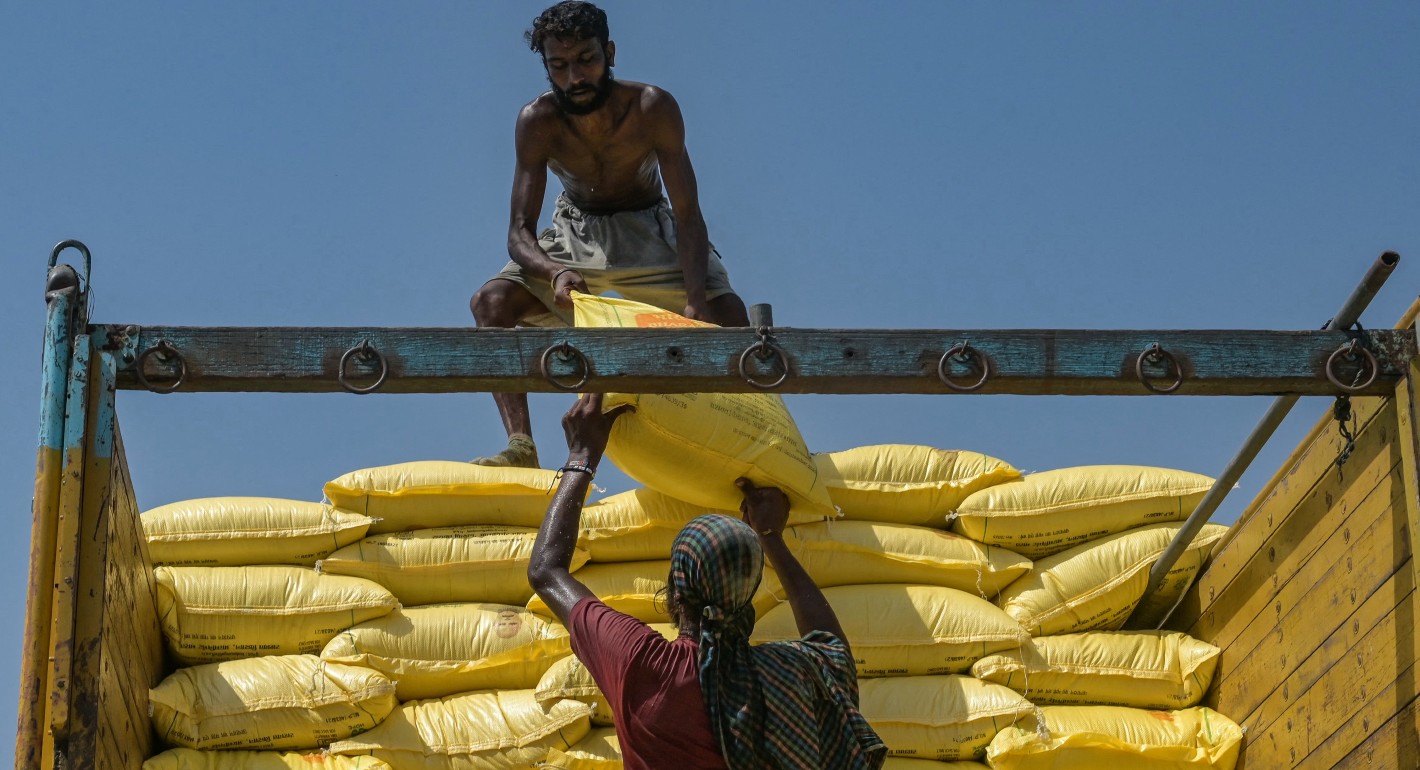
  • One man tossing a sack to another to stack on a truck
    Commentary
    Emissary
    The Other Global Crisis Stemming From the Strait of Hormuz’s Blockage

    Even if the Iran war stops, restarting production and transport for fertilizers and their components could take weeks—at a crucial moment for planting.
      • Noah  Gordon ​​​​

      Noah Gordon, Lucy Corthell

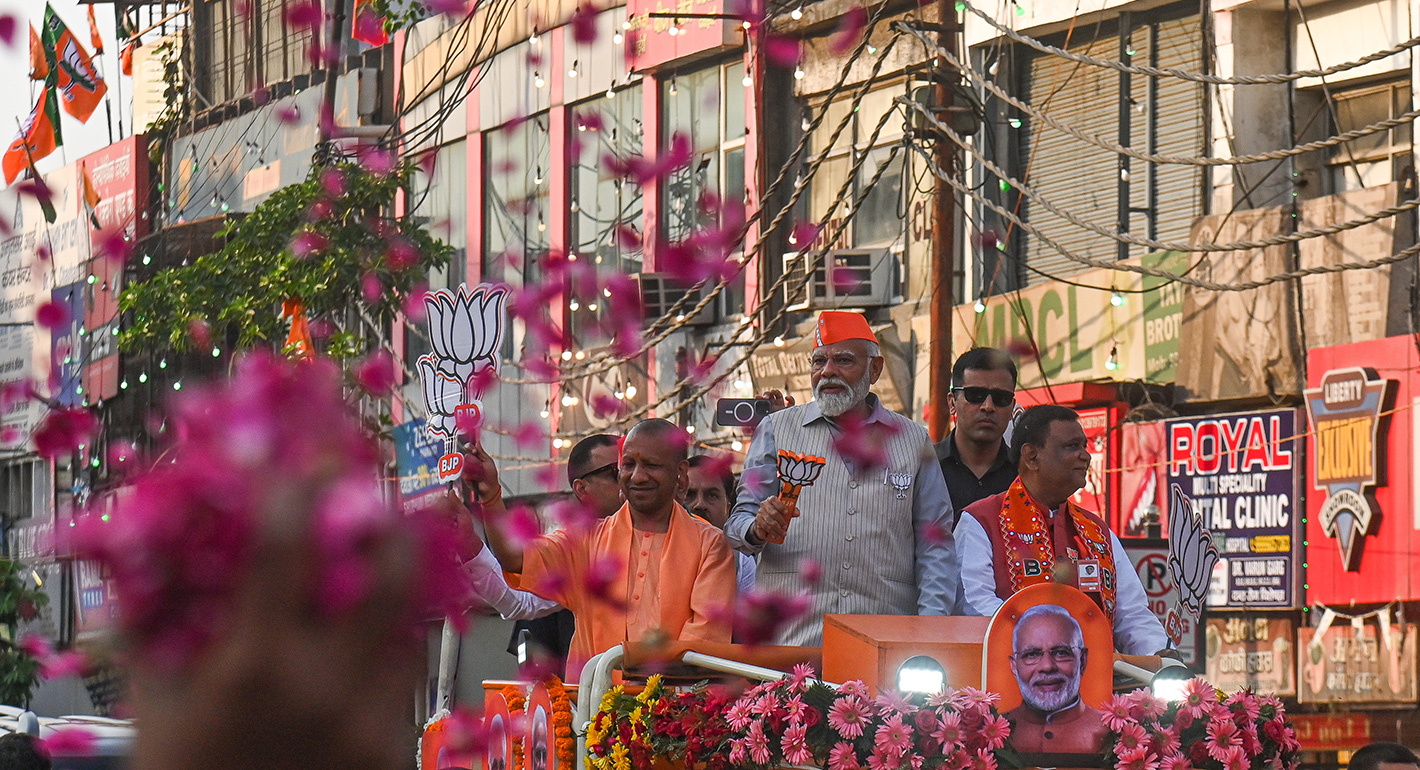
  • Indian Prime Minister Narendra Modi, wearing an orange cap, and the Chief Minister of Uttar Pradesh, Yogi Adityanath, dressed in saffron robes, are greeting supporters of the Bharatiya Janata Party (BJP) during a roadshow ahead of the Indian General Elections in Ghaziabad, Uttar Pradesh, India, on April 6, 2024.
    Paper
    India’s Foreign Policy in the Age of Populism

    Domestic mobilization, personalized leadership, and nationalism have reshaped India’s global behavior.
      Sandra Destradi
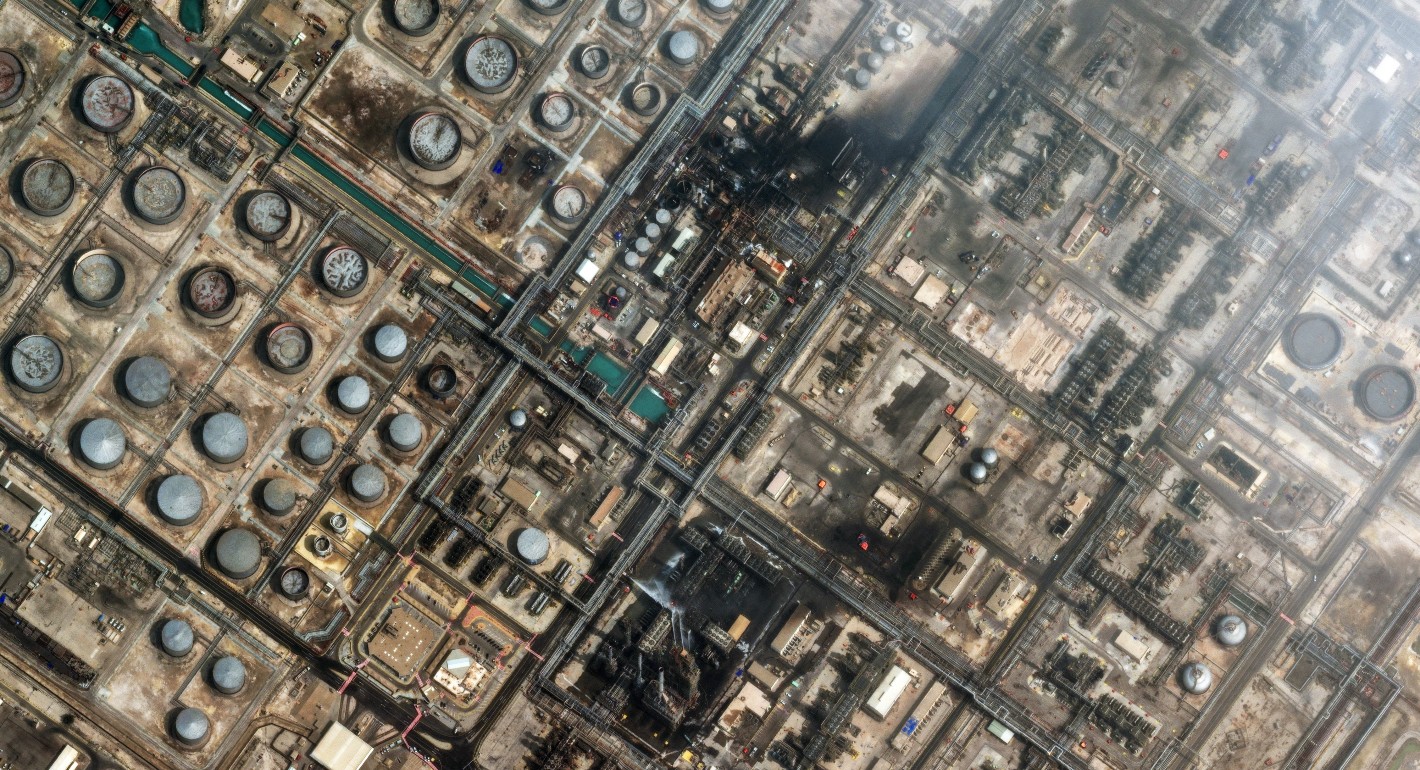
  • Satellite of a damaged oil refinery
    Commentary
    Emissary
    Iran Is Pushing Its Neighbors Toward the United States

    Tehran’s attacks are reshaping the security situation in the Middle East—and forcing the region’s clock to tick backward once again.

      Amr Hamzawy
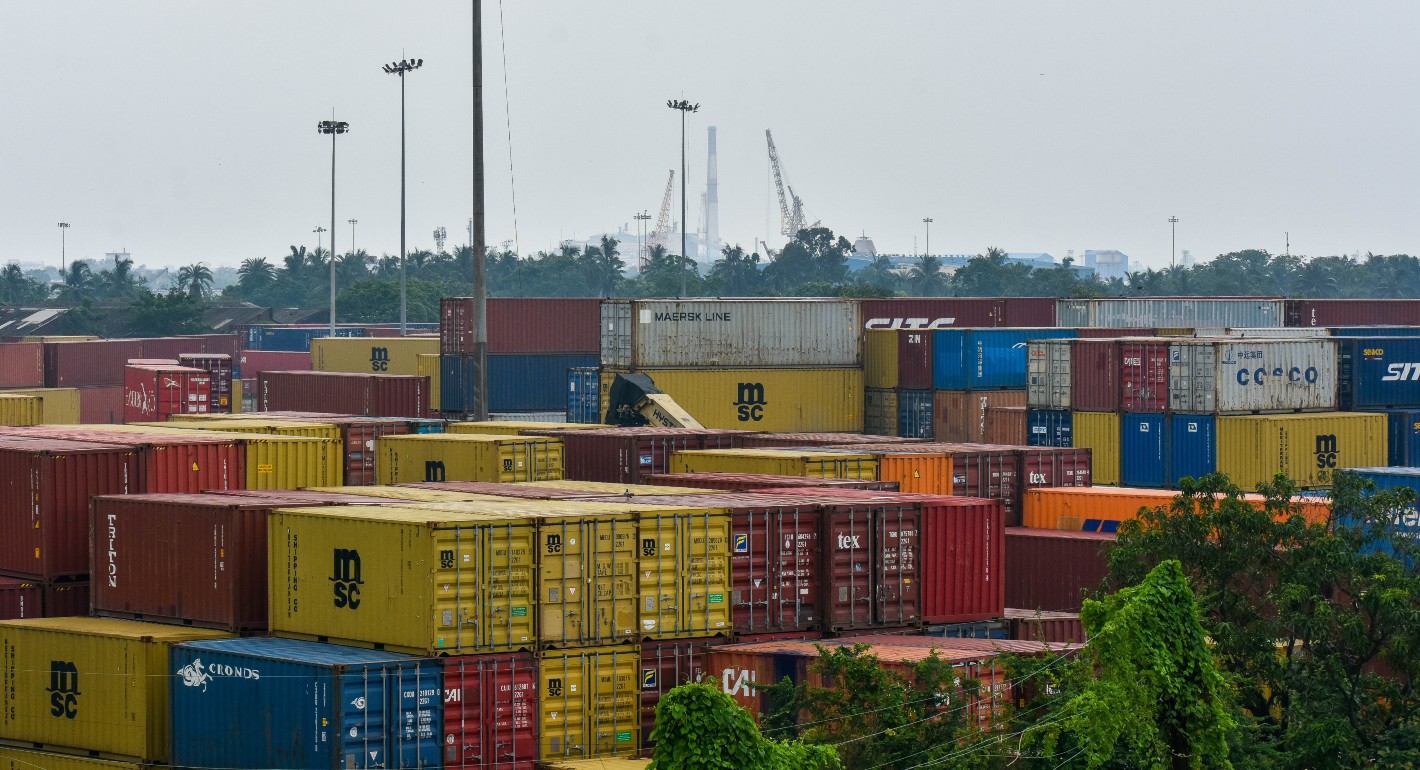
  • Photo of shipping containers stacked against a cloudy sky.
    Article
    Modernizing South Asia’s Borders Through Data-Driven Research

    Cargo time release studies offer a path to greater economic gains and higher trust between neighboring countries.
      Nikita Singla
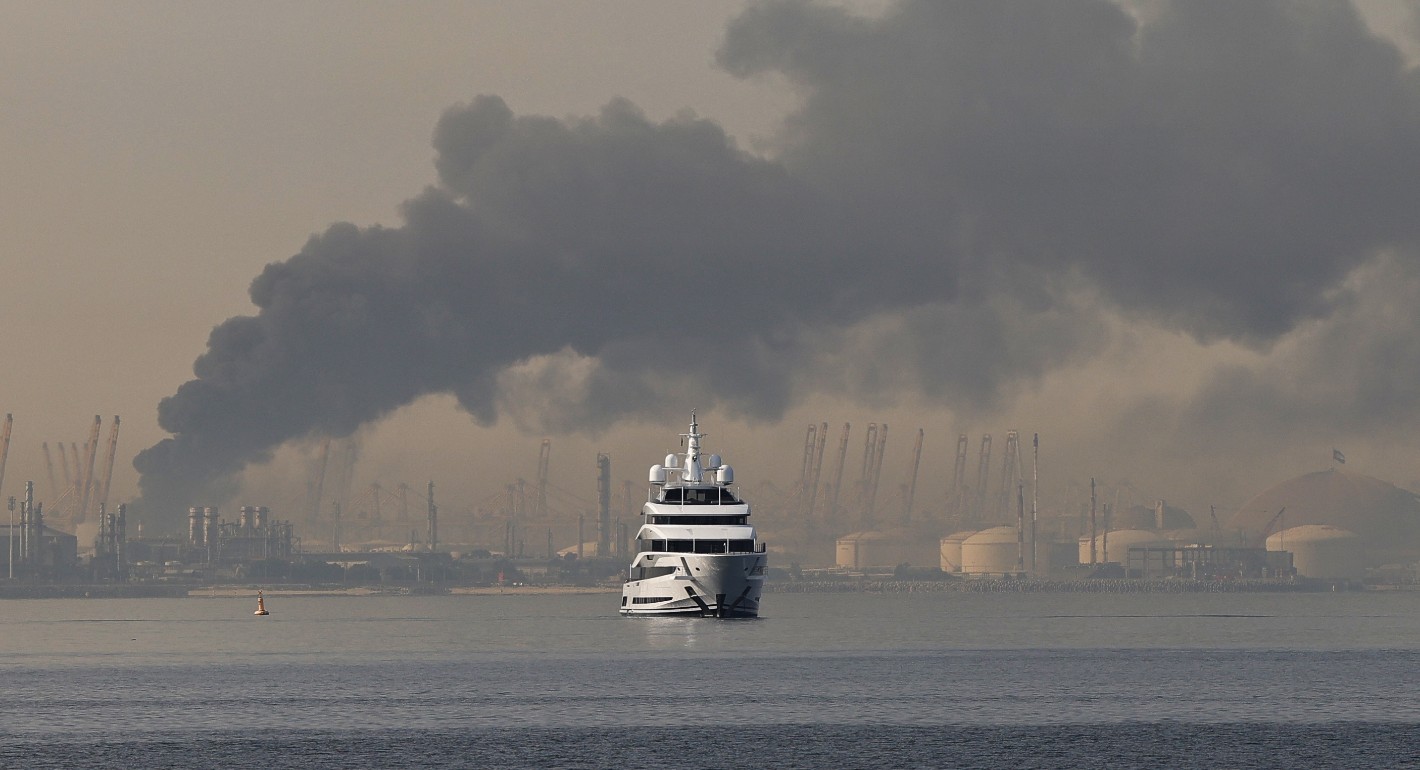
  • A boat, with smoke in the background
    Commentary
    Emissary
    The Gulf Monarchies Are Caught Between Iran’s Desperation and the U.S.’s Recklessness

    Only collective security can protect fragile economic models.

      • Andrew Leber

      Andrew Leber

Get more news and analysis from
Carnegie Endowment for International Peace
Carnegie global logo, stacked
1779 Massachusetts Avenue NWWashington, DC, 20036-2103Phone: 202 483 7600Fax: 202 483 1840
  • Research
  • Emissary
  • About
  • Experts
  • Donate
  • Programs
  • Events
  • Blogs
  • Podcasts
  • Contact
  • Annual Reports
  • Careers
  • Privacy
  • For Media
  • Government Resources
Get more news and analysis from
Carnegie Endowment for International Peace
© 2026 Carnegie Endowment for International Peace. All rights reserved.