

Paper
George Perkovich
{
  "authors": [
    "George Perkovich"
  ],
  "type": "other",
  "centerAffiliationAll": "dc",
  "centers": [
    "Carnegie Endowment for International Peace"
  ],
  "collections": [
    "Renovating the Nuclear Order"
  ],
  "englishNewsletterAll": "ctw",
  "nonEnglishNewsletterAll": "",
  "primaryCenter": "Carnegie Endowment for International Peace",
  "programAffiliation": "NPP",
  "programs": [
    "Nuclear Policy"
  ],
  "projects": [],
  "regions": [],
  "topics": [
    "Nuclear Policy",
    "Arms Control"
  ]
}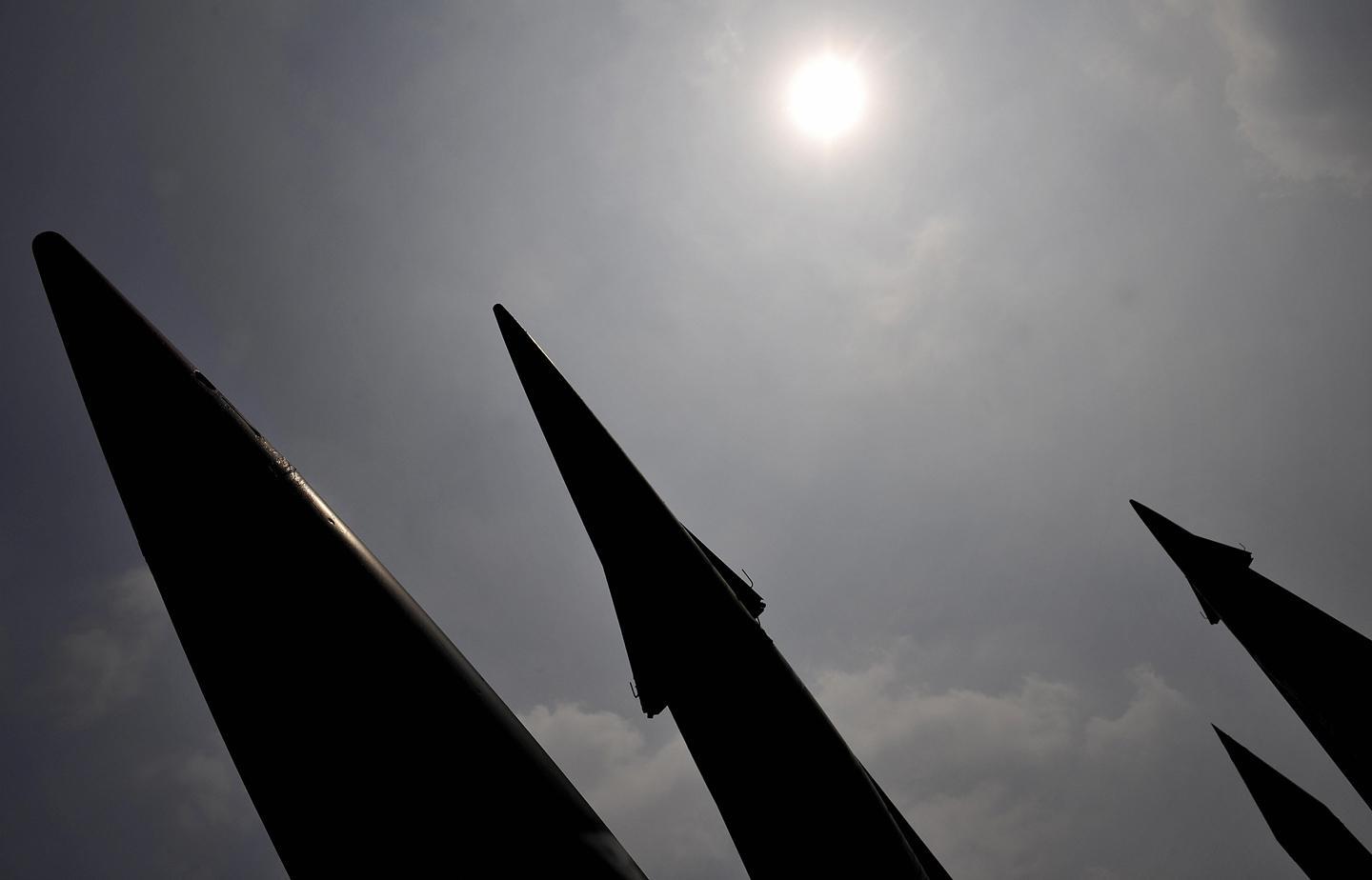
Source: Getty
States and experts preoccupied with winning (or at least not losing) wars that could go nuclear have largely ignored questions of post facto accountability.
Source: Journal of Peace and Nuclear Disarmament
If nuclear war occurs, non-belligerents want the conductors to take responsibility for providing assistance to deal with harm imposed on them. This harm could take the form of radioactive fallout, climatic change that causes global food shortages and refugee crises. But states and experts preoccupied with winning (or at least not losing) wars that could go nuclear have largely ignored questions of post facto accountability. Nuclear-armed states claim to be responsible, defensive actors; therefore, they should not object if others demand processes to adjudicate the conduct of nuclear war after the fact and provide reparations and remedies to victims in non-belligerent nations. Indeed, international efforts to establish such accountability could strengthen deterrence against aggression and use of nuclear weapons.

Japan Chair for a World Without Nuclear Weapons, Senior Fellow
George Perkovich is the Japan Chair for a World Without Nuclear Weapons and a senior fellow in the Carnegie Endowment for International Peace’s Nuclear Policy Program. He works primarily on nuclear deterrence, nonproliferation, and disarmament issues, and is leading a study on nuclear signaling in the 21st century.
Recent Work
George Perkovich
George Perkovich
Carnegie does not take institutional positions on public policy issues; the views represented herein are those of the author(s) and do not necessarily reflect the views of Carnegie, its staff, or its trustees.
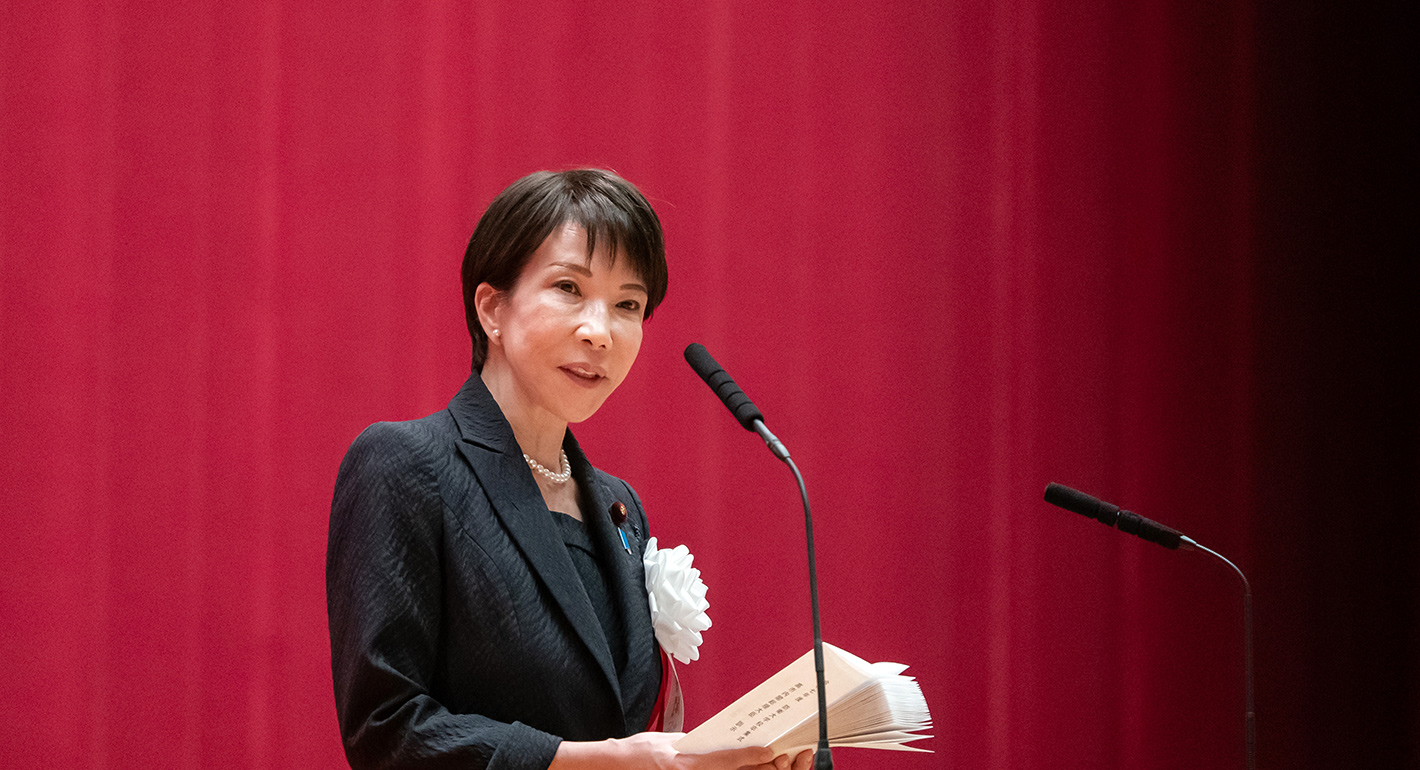
Japan’s prime minister, Takaichi Sanae, may kickstart a discussion on Japan’s non-nuclear principles.
Shizuka Kuramitsu
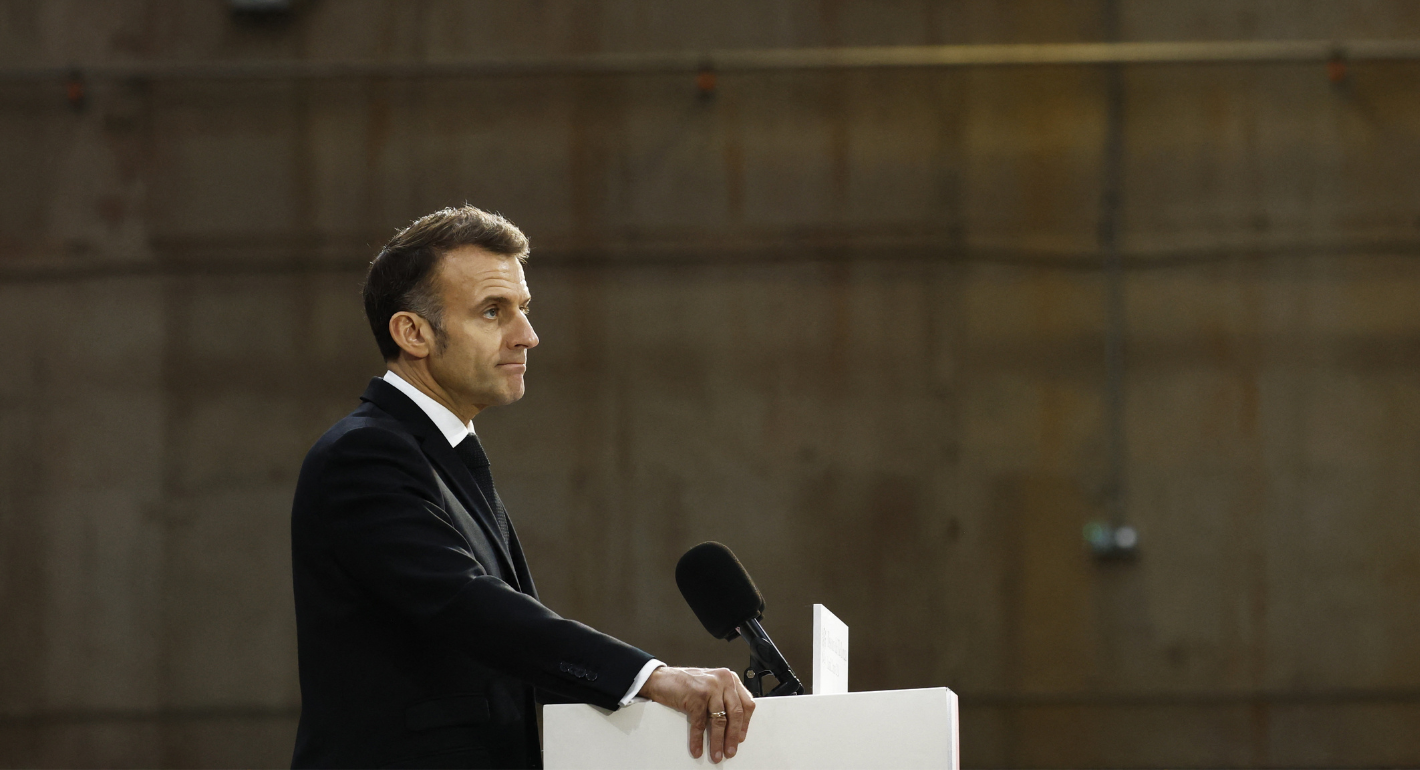
French President Emmanuel Macron has unveiled his country’s new nuclear doctrine. Are the changes he has made enough to reassure France’s European partners in the current geopolitical context?

Rym Momtaz, ed.
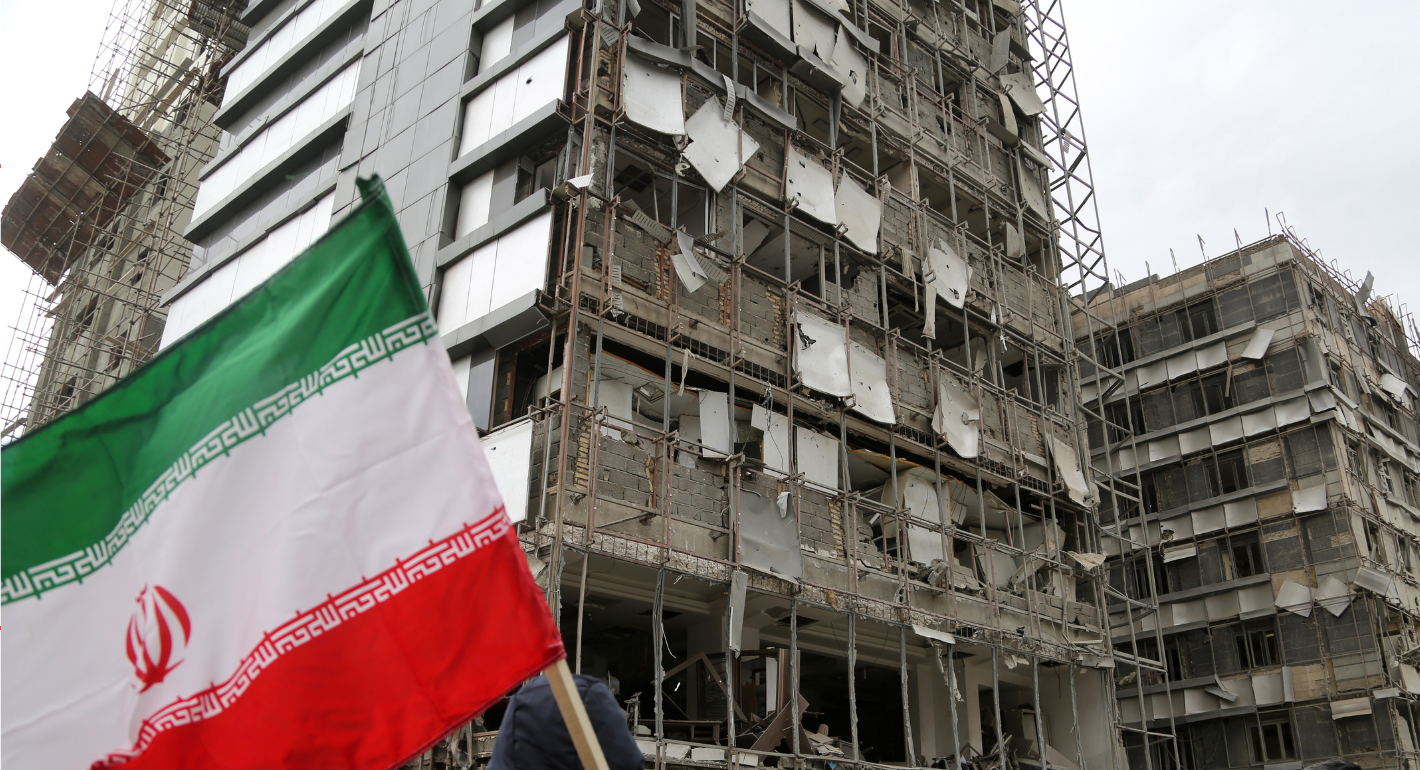
Europe’s reaction to the war in Iran has been disunited and meek, a far cry from its previously leading role in diplomacy with Tehran. To avoid being condemned to the sidelines while escalation continues, Brussels needs to stand up for international law.

Pierre Vimont

Germany's sometimes ambiguous nuclear policy advocates nuclear weapons for deterrence purposes but at the same time adheres to non-proliferation. This dichotomy can turn into a formidable dilemma and increase proliferation pressures in Berlin once no nuclear protector is around anymore, a scenario that has become more realistic in recent years.
Ulrich Kühn
France has stopped clinging to notions of being a great power and is embracing the middle power moment. But Emmanuel Macron has his work cut out if he is to secure his country’s global standing before his term in office ends.
Rym Momtaz