

Paper
Congress needs to step up and make EXIM a low-carbon financing powerhouse.
Jesse Young
{
  "authors": [
    "Aaron David Miller",
    "Richard Sokolsky"
  ],
  "type": "legacyinthemedia",
  "centerAffiliationAll": "",
  "centers": [
    "Carnegie Endowment for International Peace"
  ],
  "collections": [
    "Foreign Policy Strategy"
  ],
  "englishNewsletterAll": "",
  "nonEnglishNewsletterAll": "",
  "primaryCenter": "Carnegie Endowment for International Peace",
  "programAffiliation": "",
  "programs": [],
  "projects": [],
  "regions": [
    "North America",
    "United States"
  ],
  "topics": [
    "Foreign Policy"
  ]
}
Source: Getty
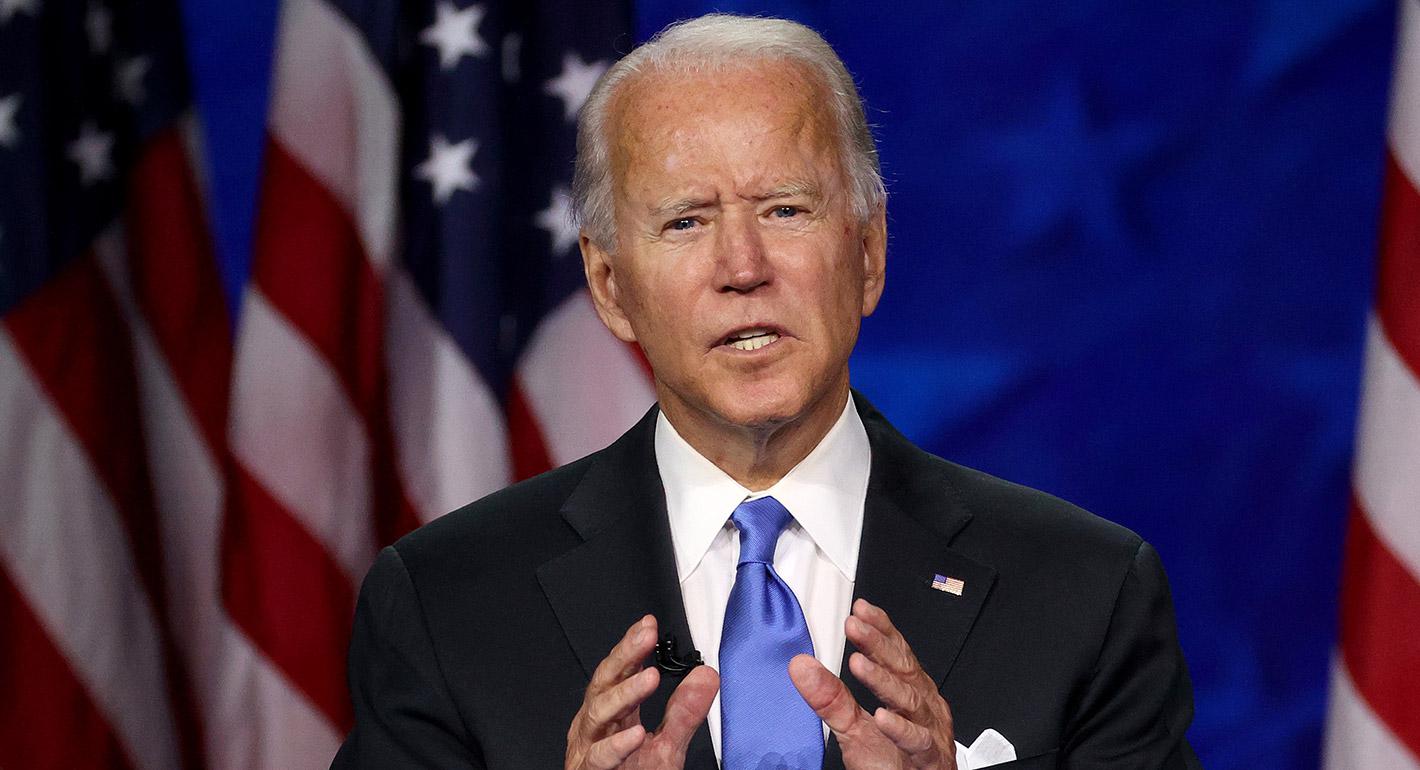
The world Biden will inherit is a far cry from the one he occupied when he was the vice-president and during the 1990s when he chaired the Senate Foreign Relations Committee. America’s unipolar moment has long been relegated to the dustbin of history.
Source: Politico
And Joe Biden means it, tethered as he is to a romanticized view of America as the world’s greatest power destined to lead and to do good. The new president will have much going for him. He’s the anti-Trump. And after four years of norm-busting disruption, expectations for Biden are so low that Europeans might be inclined to give him a Nobel Peace Prize for just showing up.
But the world Biden will inherit is a far cry from the one he occupied when he was the vice-president and during the 1990s when he chaired the Senate Foreign Relations Committee. America’s unipolar moment has long been relegated to the dustbin of history. China, in the Pentagon’s parlance, is a peer competitor. Other powers, both large and small, including Russia, Iran and North Korea, can easily frustrate U.S. ambitions. Rarely has the environment for international cooperation seemed more challenging.
The president-elect has said repeatedly that his primary goal abroad is to put American back at “the head of the table” because “the world won’t organize itself.” But the shape of that table has changed profoundly. A global pandemic has laid bare the limits of globalization and multilateral diplomacy and accelerated the demise of the liberal international order that America created and that sustained its primacy; it has also exacerbated preexisting trends toward renewed geopolitical competition and heightened sensitivities about national sovereignty on issues from border security to the economy and health care. A powerful China and a declining yet still determined Russia have conspired successfully to oppose Pax Americana.
So how can Biden create a foreign policy that is both effective and designed to meet the new world realities he’ll confront? The new administration should focus on three objectives.

Senior Fellow, American Statecraft Program
Aaron David Miller is a senior fellow at the Carnegie Endowment for International Peace, focusing on U.S. foreign policy.

Nonresident Senior Fellow, Russia and Eurasia Program
Richard Sokolsky is a nonresident senior fellow in Carnegie’s Russia and Eurasia Program. His work focuses on U.S. policy toward Russia in the wake of the Ukraine crisis.
Carnegie does not take institutional positions on public policy issues; the views represented herein are those of the author(s) and do not necessarily reflect the views of Carnegie, its staff, or its trustees.

Congress needs to step up and make EXIM a low-carbon financing powerhouse.
Jesse Young

The ninety-three-year-old Biya’s absence and refusal to name a vice president threaten to upend domestic and regional stability.

Lesley Anne Warner

With the growth in points of friction between the great powers, organizations like the SCO will continue to play a role in the strategic adaptation of the smaller powers caught between them.

Temur Umarov
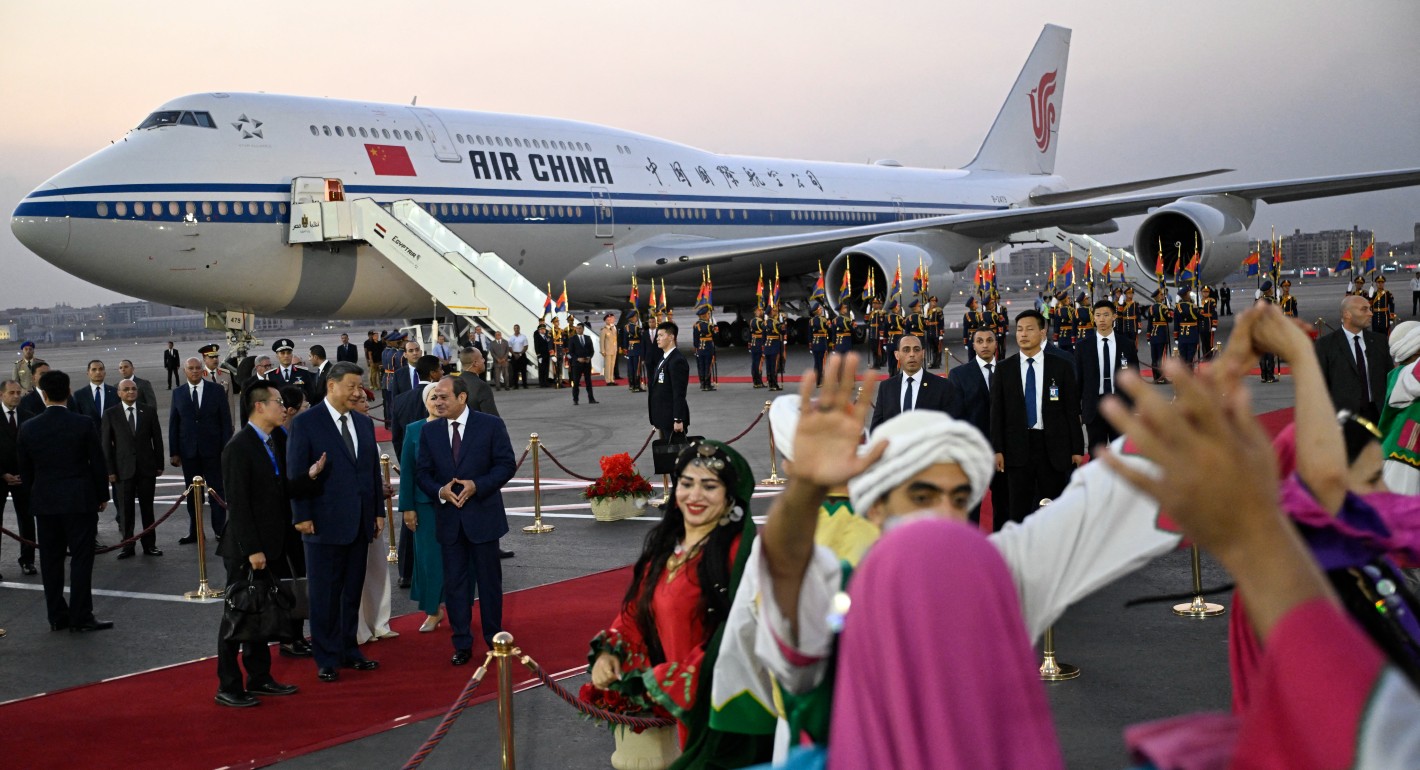
Amid celebrations of bilateral ties was a deeper focus on stability in the Middle East.

Amr Hamzawy

Canadian Prime Minister Mark Carney has twice inspired praise for standing up to U.S. President Donald Trump: at the 2026 World Economic Forum in Davos and on Canada-U.S. trade negotiations. Is Carney showing a third way better than the EU has in dealing with the Trump administration?

Rym Momtaz, ed.