

Q&A
Dara Massicot, Aaron David Miller, Andrew S. Weiss
{
  "authors": [
    "Aaron David Miller"
  ],
  "type": "legacyinthemedia",
  "centerAffiliationAll": "dc",
  "centers": [
    "Carnegie Endowment for International Peace"
  ],
  "collections": [],
  "englishNewsletterAll": "democracy",
  "nonEnglishNewsletterAll": "",
  "primaryCenter": "Carnegie Endowment for International Peace",
  "programAffiliation": "DCG",
  "programs": [
    "Democracy, Conflict, and Governance"
  ],
  "projects": [],
  "regions": [
    "North America",
    "United States",
    "Middle East",
    "Saudi Arabia"
  ],
  "topics": [
    "Political Reform",
    "Foreign Policy"
  ]
}
Source: Getty
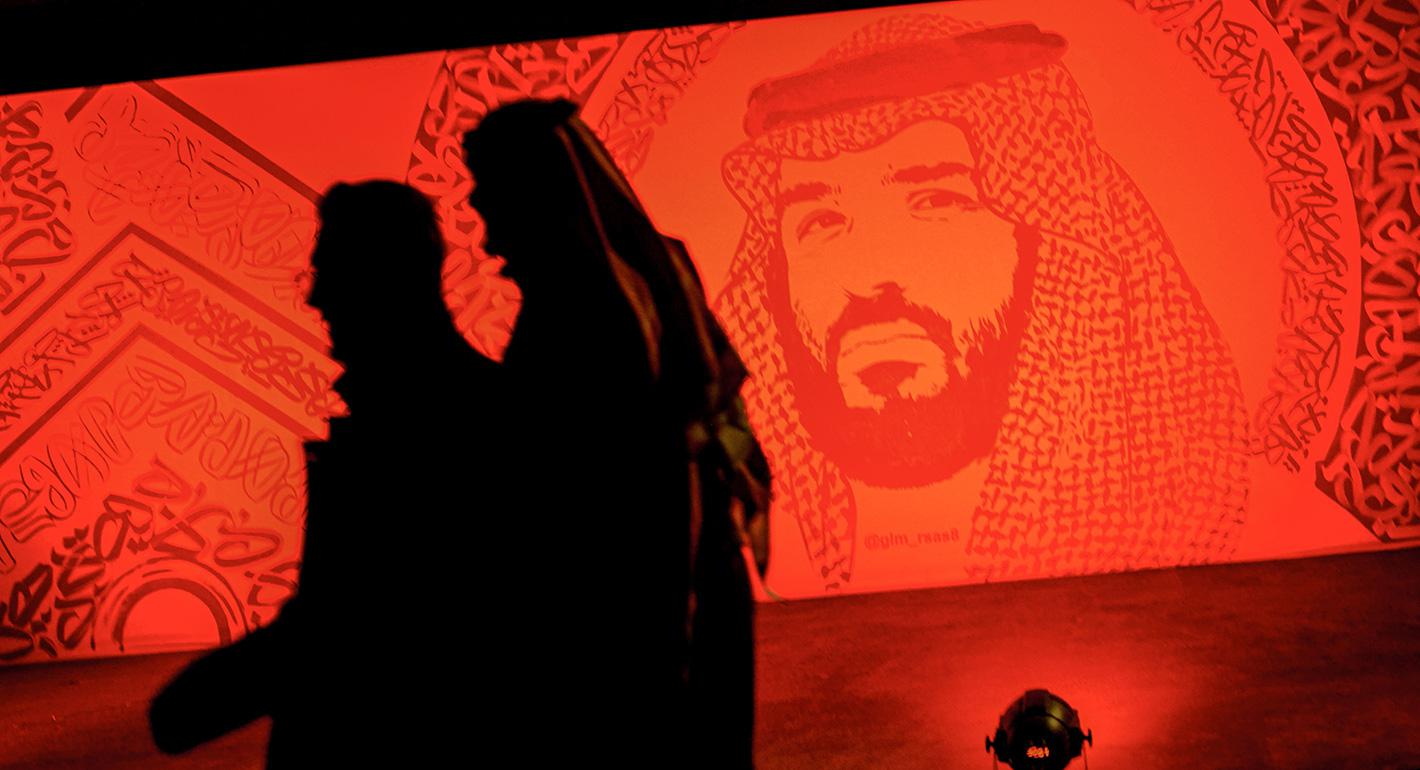
Crown Prince Mohammed is well aware that the U.S.-Saudi relationship may still be regarded as too big and important to fail, an impending victory for Joe Biden means the end of the zone of immunity the Trump administration crafted around Saudi Arabia.
Source: Foreign Policy
Over the last couple days, few capitals have awaited the results of the U.S. presidential election with as much anxiety as Riyadh, particularly its young and ruthless would-be king, Crown Prince Mohammed bin Salman. Even though he’s well aware that the U.S.-Saudi relationship may still be regarded as too big and important to fail, an impending victory for Joe Biden means the end of the zone of immunity the Trump administration crafted around Saudi Arabia. The country’s human rights record, its dealings in Yemen, and its reckless efforts to amass influence in its region are likely to emerge as sources of rhetorical tension, particularly with a Biden administration that isn’t looking to invest heavily in the Middle East.
The crown prince has every reason to be worried. He played U.S. President Donald Trump and Jared Kushner, Trump’s son-in-law and pro-Saudi Middle East advisor, well, convincing them that Saudi willingness to buy billions of dollars in U.S. weapons, oppose Iran, and reach out to Israel mandated allowing the Saudis to do just about anything else in the region they wanted. But a President Joe Biden would be less likely to go along with Saudi Arabia: He has described the country as a pariah, called for ending the “disastrous war” in Yemen, and urged a reassessment of the U.S. relationship with Riyadh. “America’s priorities in the Middle East should be set in Washington, not Riyadh,” Biden told the Council on Foreign Relations last year.
Assuming Tehran is interested in rapprochement and is looking for an agreement on the nuclear issue, especially if it’s accompanied by a Barack Obama-like pledge to inject more balance into U.S. policy and stay out of Saudi Arabia and Iran’s regional games, U.S. regional efforts are likely to roil Riyadh. And with Biden mostly interested in not getting sucked back into the Middle East, the administration may not be prepared to invest all that much time or attention to Saudi Arabia. What impact this distancing might have on Riyadh is unclear.
It might push Saudi Arabia to expand ties with China, especially on the nuclear issue, or perhaps the country could borrow a page from the UAE and accelerate normalization with Israel in an effort to curry favor with Washington. Whatever it does, though, it’s fair to say that under a Biden administration, with its priorities elsewhere, Saudi Arabia won’t be Washington’s darling any longer.

Senior Fellow, American Statecraft Program
Aaron David Miller is a senior fellow at the Carnegie Endowment for International Peace, focusing on U.S. foreign policy.
Recent Work

Dara Massicot, Aaron David Miller, Andrew S. Weiss



Sophia Besch, Eric Ciaramella, Steve Feldstein, …
Carnegie does not take institutional positions on public policy issues; the views represented herein are those of the author(s) and do not necessarily reflect the views of Carnegie, its staff, or its trustees.

China’s political future will be shaped between now and next October. As the Communist Party enters its intense “campaign season” to prepare for a major political transition in 2027, reading Beijing's actions and responses may become more difficult as domestic politics weigh on its behavior more than usual.

Damien Ma

The EU can impose sanctions but struggles to enforce them without the United States. With Washington increasingly disinterested in backing European interests, the bloc must now fend for itself.


Nicu Popescu, Tiago Antunes
Global and rising powers will need to engage with Africa’s priorities and agency in order to secure the continent’s increasingly attractive partnerships.
Fonteh Akum

Rubio’s recent visit brought welcome attention, but more capital requires governance changes that may be a hard sell for regional governments.

Jennifer B. Murtazashvili

America’s foreign-policy objectives have grown more demanding while Americans have demanded greater focus on their own affairs.

Stephen Wertheim