

Commentary
Five countries staged the biggest political boycott in Eurovision history over Israel’s participation. With the FIFA World Cup and other sporting or cultural touchstones on the horizon, are boycotts effective?
Rym Momtaz, ed.
{
  "authors": [
    "Erica Gaston"
  ],
  "type": "legacyinthemedia",
  "centerAffiliationAll": "dc",
  "centers": [
    "Carnegie Endowment for International Peace"
  ],
  "collections": [],
  "englishNewsletterAll": "democracy",
  "nonEnglishNewsletterAll": "",
  "primaryCenter": "Carnegie Endowment for International Peace",
  "programAffiliation": "DCG",
  "programs": [
    "Democracy, Conflict, and Governance"
  ],
  "projects": [],
  "regions": [
    "South Asia",
    "Afghanistan"
  ],
  "topics": [
    "Democracy"
  ]
}
REQUIRED IMAGE
This winter, however, an even worse catastrophe could unfold: Afghanistan’s economy is in ruins, and millions of Afghans are suffering from a lack of food and other basic needs, even as parts of the country remain wracked by violence.

Former Nonresident Scholar, Democracy, Conflict, and Governance Program
Dr. Erica L. Gaston was a nonresident scholar at the Carnegie Endowment for International Peace.
Carnegie does not take institutional positions on public policy issues; the views represented herein are those of the author(s) and do not necessarily reflect the views of Carnegie, its staff, or its trustees.
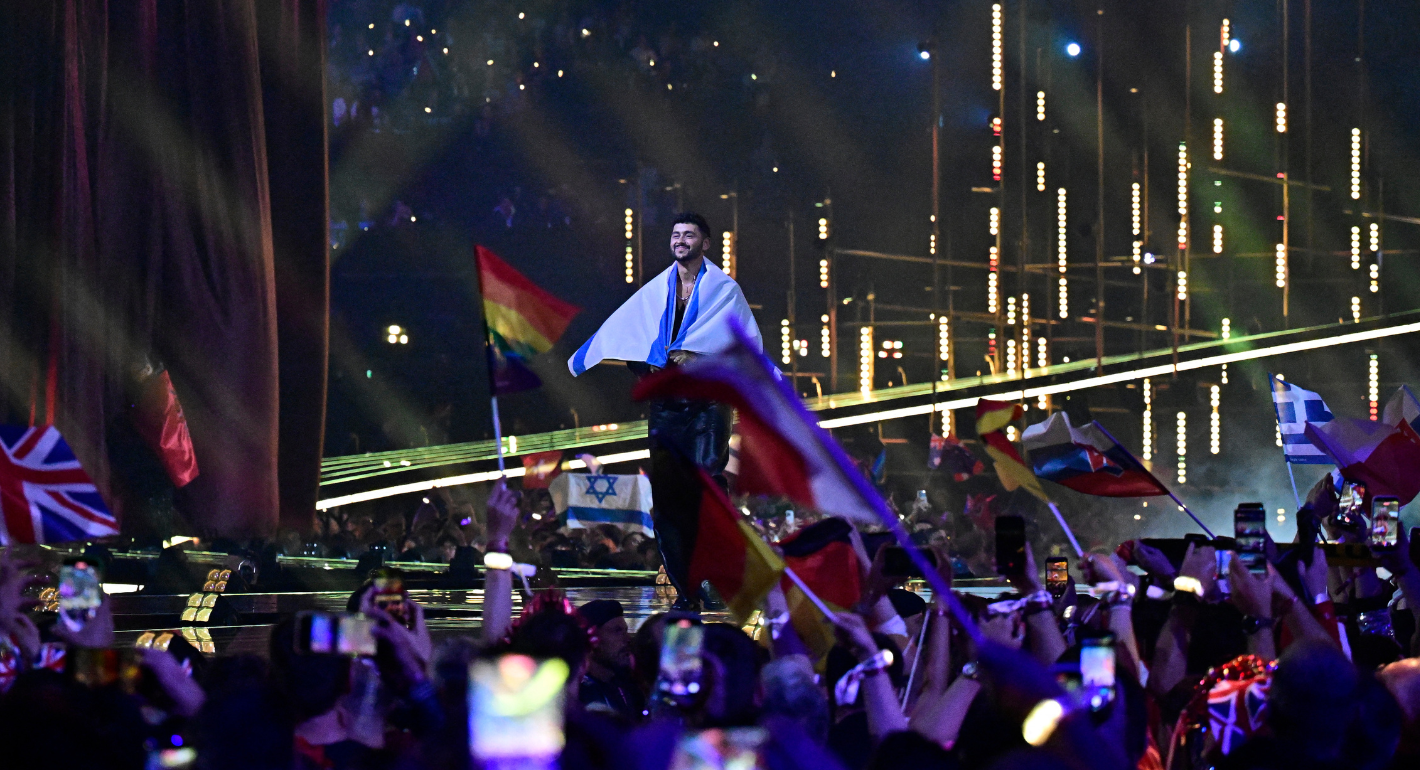
Five countries staged the biggest political boycott in Eurovision history over Israel’s participation. With the FIFA World Cup and other sporting or cultural touchstones on the horizon, are boycotts effective?

Rym Momtaz, ed.

Democratic institutions currently lack the capacity needed to govern AI-augmented deliberation in ways that serve democratic imperatives.

Micah Weinberg
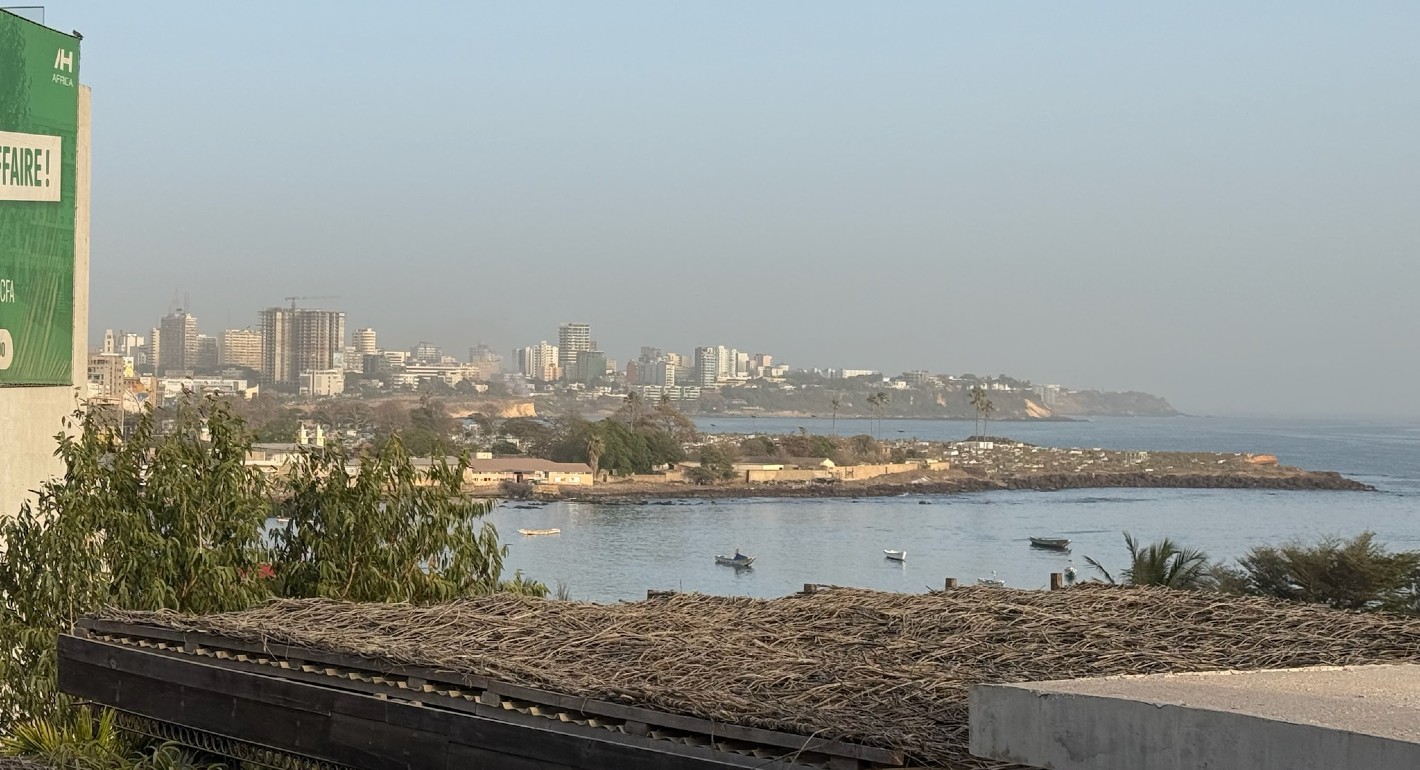
During our visit, we observed a democracy that has learned from its difficult past and is working toward an even more dynamic future.

Sarah Yerkes, Natalie Triche
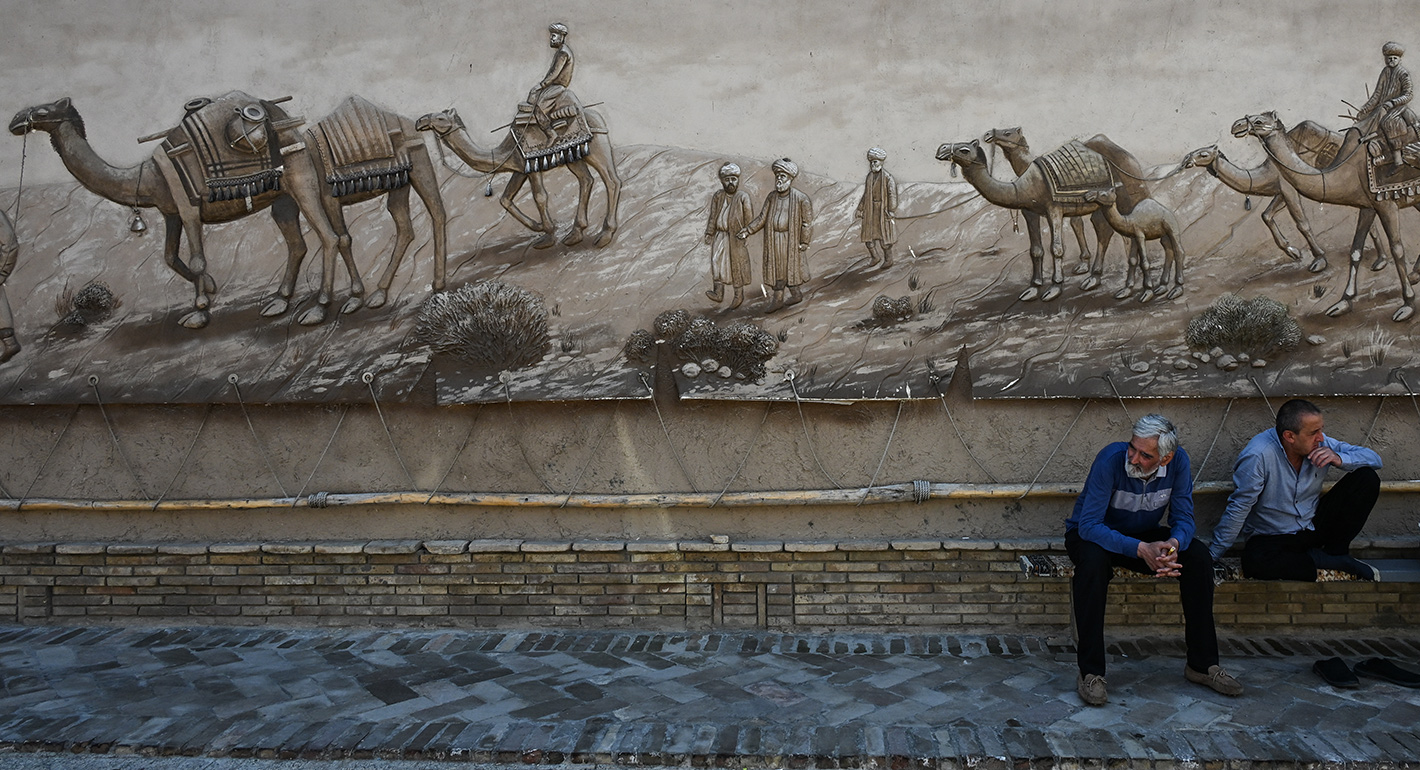
“Central Asia” as an analytical category is itself part of the problem. The term is a Soviet administrative inheritance, drawn along lines that served the convenience of Moscow. The Central Asian states the Soviets named no longer see themselves through this category alone and are not aligning across political blocs but are instead building external partnerships sector by sector, assigning different partners to different functions.

Jennifer B. Murtazashvili
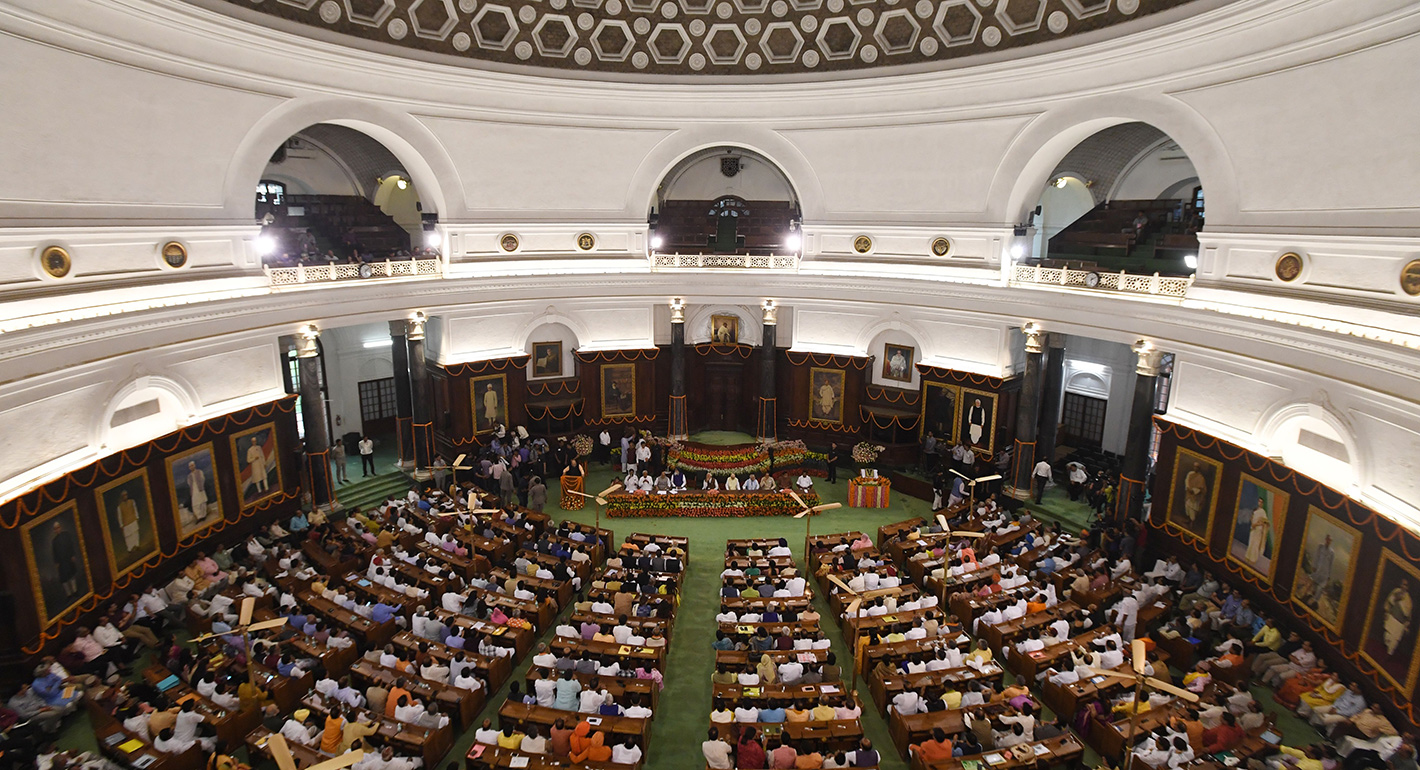
The battle over representation and regional power has been delayed—not resolved—and will shape the future of India’s federal balance.



Louise Tillin, Milan Vaishnav, Andy Robaina