• Research
  • Emissary
  • About
  • Experts
Carnegie Global logoCarnegie lettermark logo
DemocracyIran
  • Donate
{
  "authors": [
    "Raluca Csernatoni"
  ],
  "type": "legacyinthemedia",
  "centerAffiliationAll": "dc",
  "centers": [
    "Carnegie Endowment for International Peace",
    "Carnegie Europe"
  ],
  "collections": [],
  "englishNewsletterAll": "ctw",
  "nonEnglishNewsletterAll": "",
  "primaryCenter": "Carnegie Europe",
  "programAffiliation": "EP",
  "programs": [
    "Europe"
  ],
  "projects": [],
  "regions": [
    "North America",
    "United States",
    "Western Europe",
    "Iran"
  ],
  "topics": [
    "Technology",
    "Economy"
  ]
}
REQUIRED IMAGE

REQUIRED IMAGE

In The Media
Carnegie Europe

The Technology Challenge In The Transatlantic Relationship

Technological innovation has become a critical element of international cooperation and geopolitical rivalry. This has impacted key areas of the transatlantic partnership, presenting both opportunities and challenges for EU–US relations, either rejuvenating a relationship mired in rifts or deepening those rifts.

Link Copied
By Raluca Csernatoni
Published on Nov 30, 2021
Program mobile hero image

Program

Europe

The Europe Program in Washington explores the political and security developments within Europe, transatlantic relations, and Europe’s global role. Working in coordination with Carnegie Europe in Brussels, the program brings together U.S. and European policymakers and experts on strategic issues facing Europe.

Learn More

European View

About the Author

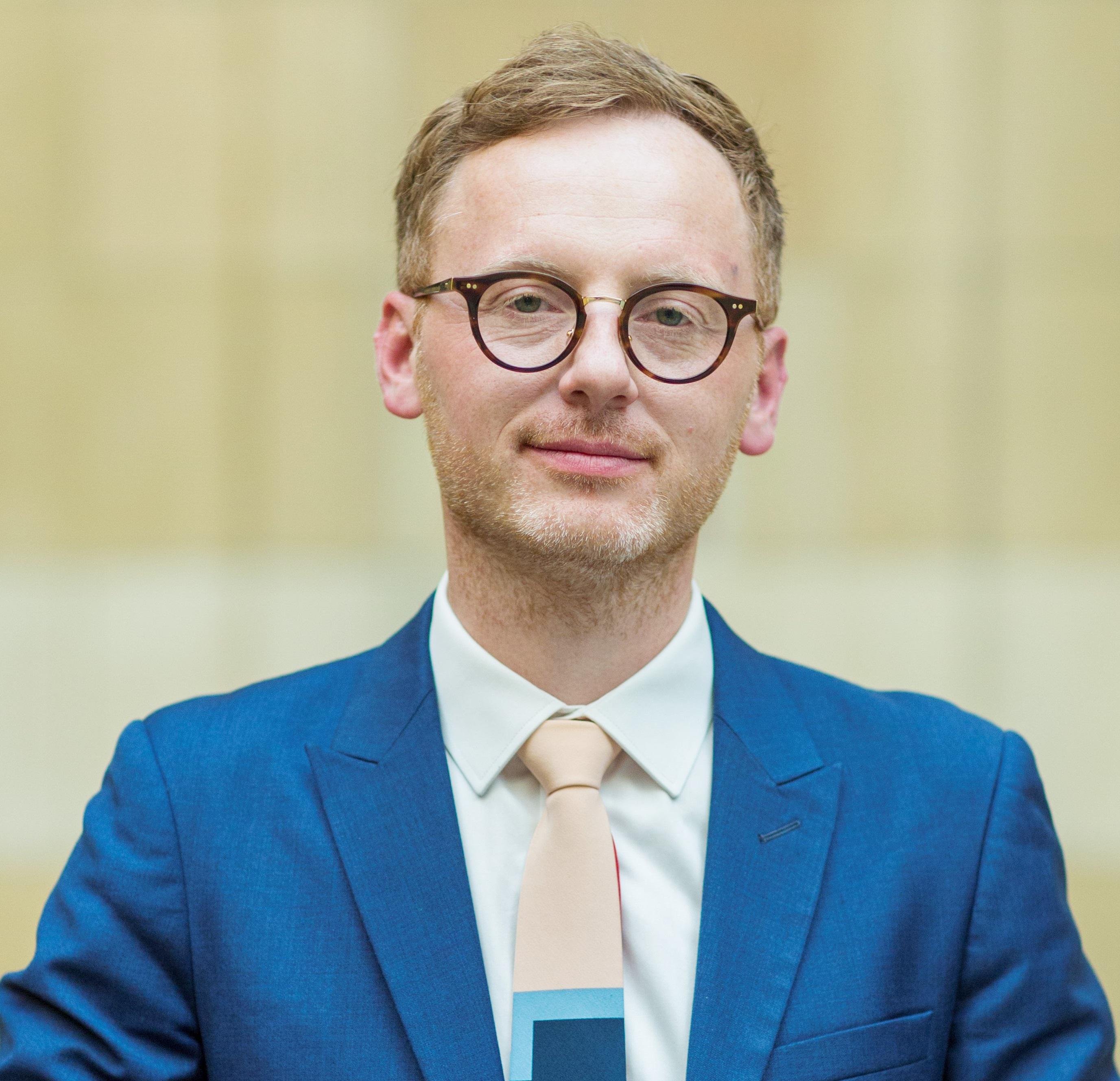
Raluca Csernatoni

Fellow, Carnegie Europe

Raluca Csernatoni is a fellow at Carnegie Europe, where she specializes on European security and defense, as well as emerging disruptive technologies.

    Recent Work

  • Paper
    Assessing Information Ecosystems: How Governments Can Get Ahead of Hybrid Threats

      Raluca Csernatoni, Alicia Wanless

  • Paper
    When AI Agents Attack: Autonomous Cyber Operations and Europe’s Governance Gap

      Raluca Csernatoni, Patryk Pawlak

Raluca Csernatoni
Fellow, Carnegie Europe
Raluca Csernatoni
TechnologyEconomyNorth AmericaUnited StatesWestern EuropeIran

Carnegie does not take institutional positions on public policy issues; the views represented herein are those of the author(s) and do not necessarily reflect the views of Carnegie, its staff, or its trustees.
More Work from Carnegie Endowment for International Peace

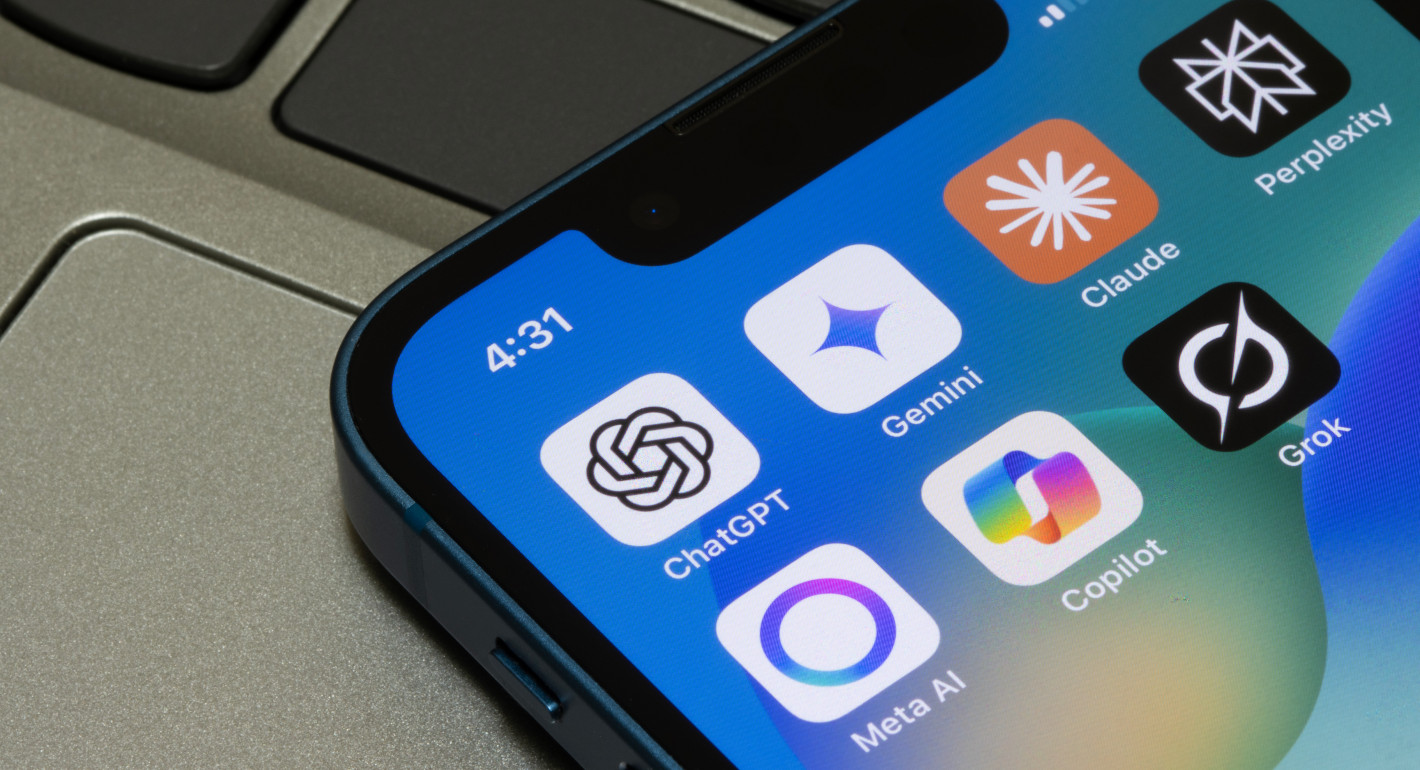
  • Image showing a phone screen with various LLM app icons, including ChatGPT, Gemini, Claude, and others.
    Article
    We Need Ongoing Monitoring of AI and Political Information

    Monitoring is essential so that policymakers and the public can understand—and have a say in—how AI systems affect politics.
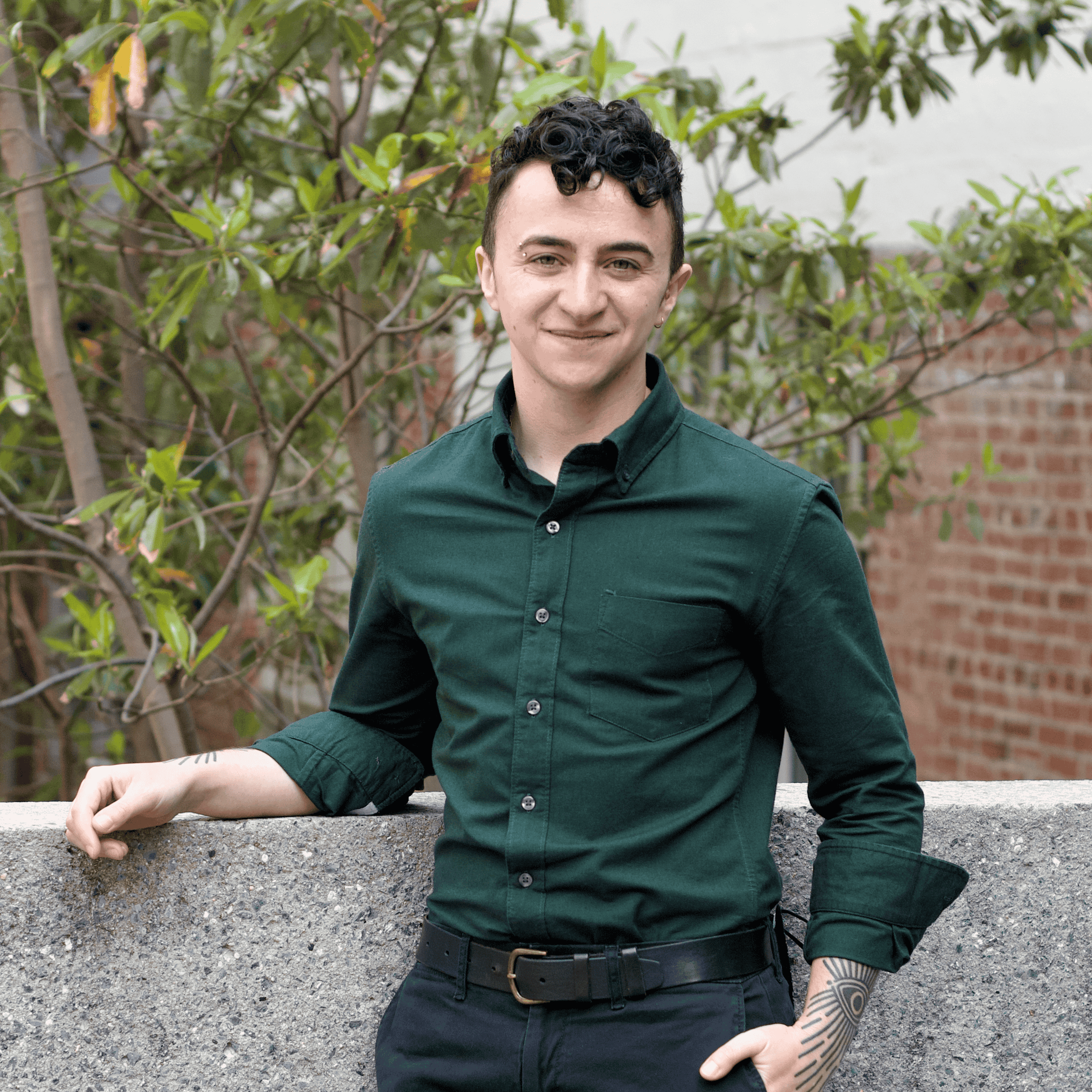
      • Photo of Danaé Metaxa.
      • Photo of Alex Engler.

      Danaé Metaxa , Alex Engler

  • Robot arm with disposable test tube virus sampling in laboratory
    Commentary
    Caught in the Middle: Chinese Biotech Firms’ Divergent Responses to U.S. Sanctions

    Chinese biotech companies have been on the receiving end of U.S. economic coercion. Yet their responses have differed significantly because firm and state interests are not uniformly aligned. For Washington, treating all Chinese tech firms the same, irrespective of their actual interests, risks pushing them farther into Beijing’s corner.

      Xue Gong
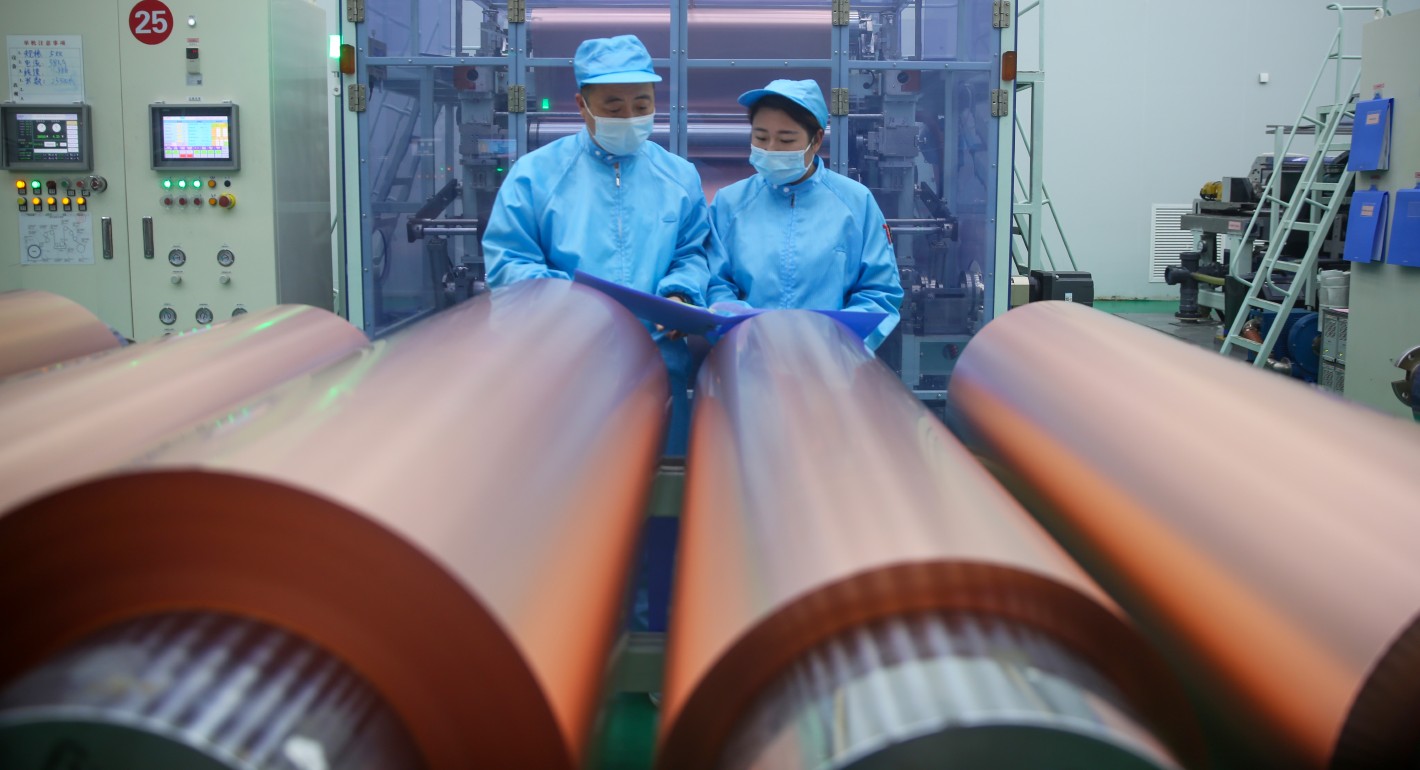
  • Two people in blue PPE standing over large metal rolls
    Commentary
    Emissary
    Inside the Global Race to Erode a Battery Manufacturing Monopoly

    Over the past decade, China has moved from marginal player to major producer of all things batteries. The United States, Europe, and others are aiming to balance the market.

      Milo McBride
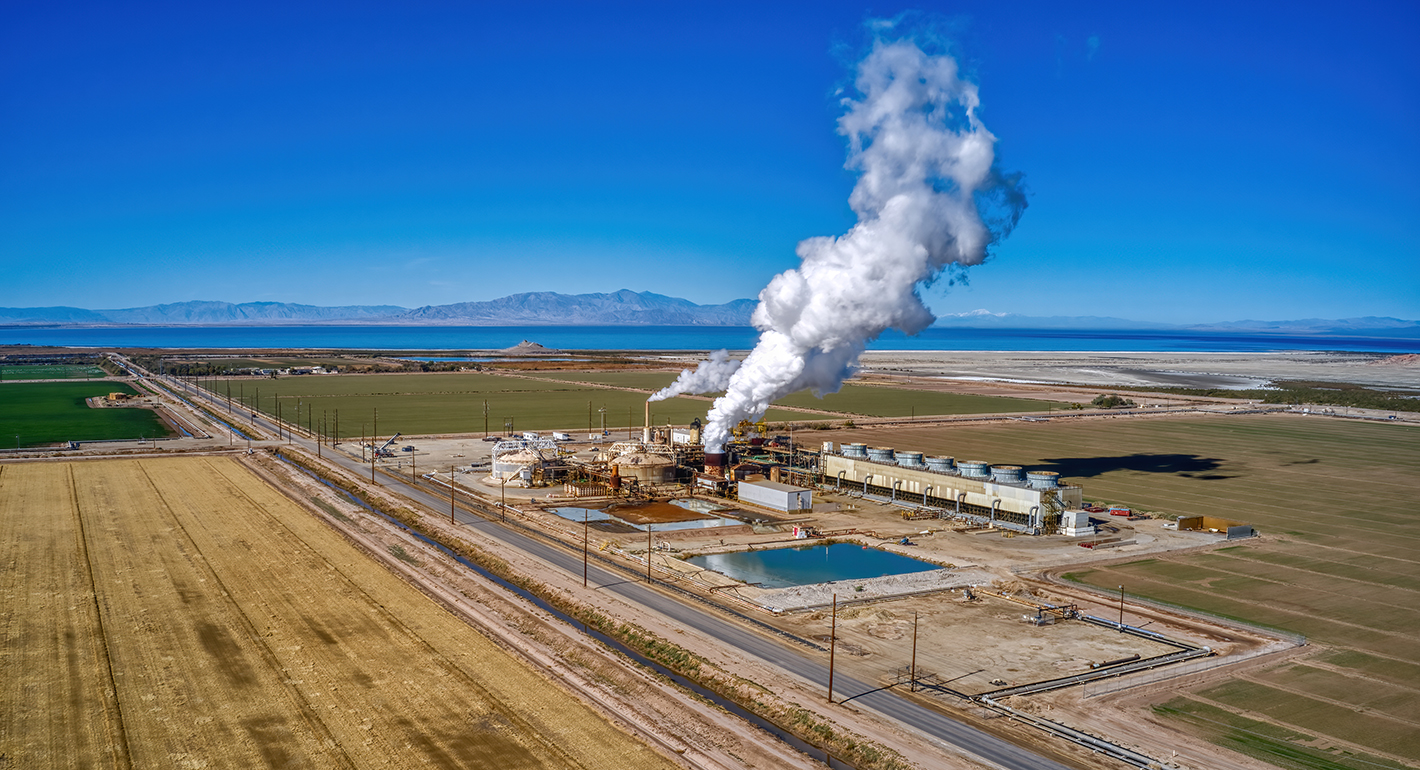
  • Aerial View of a Geothermal Energy Plant in the Imperial Valley of California near the Salton Sea
    Paper
    A Geothermal and Nuclear Strategy for the U.S. International Development Finance Corporation

    The DFC should focus on advanced, low-carbon energy sources, prioritizing areas where the United States has comparative advantages.
      • Noah J. Gordon

      Noah Gordon, Liana Schmitter-Emerson

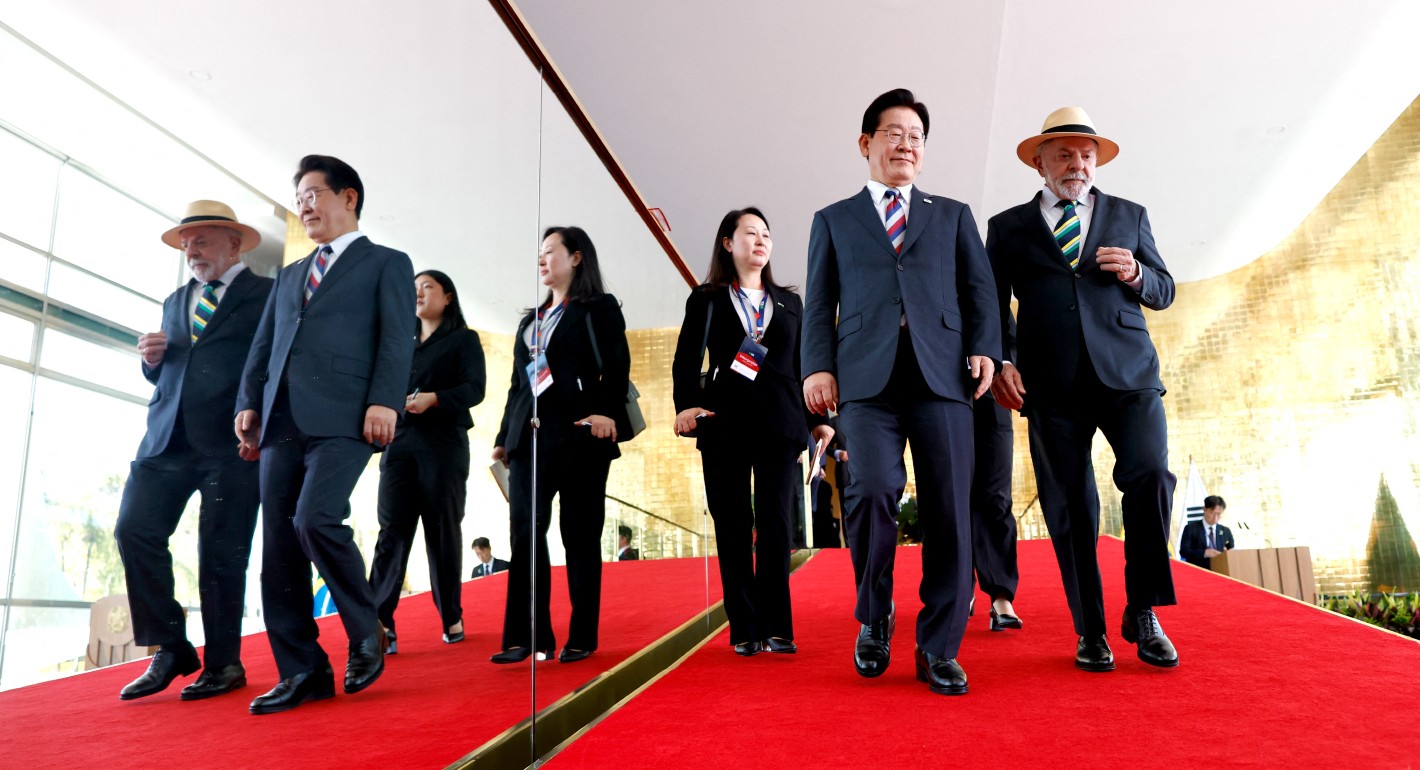
  • Lee and Lula walking
    Commentary
    Emissary
    Why Korea’s President Skipped Washington for Silicon Valley and Brasília

    Lee’s tour shows how Seoul is reorganizing its diplomacy away from Pyongyang and toward industrial networks and the geography of the compute economy.

      Darcie Draudt-Véjares

Get more news and analysis from
Carnegie Endowment for International Peace
Carnegie global logo, stacked
1779 Massachusetts Avenue NWWashington, DC, 20036-2103Phone: 202 483 7600
  • Research
  • Emissary
  • About
  • Experts
  • Donate
  • Programs
  • Events
  • Blogs
  • Podcasts
  • Contact
  • Annual Reports
  • Careers
  • Privacy
  • For Media
  • Government Resources
Get more news and analysis from
Carnegie Endowment for International Peace
© 2026 Carnegie Endowment for International Peace. All rights reserved.